Artwork
Wilkinson
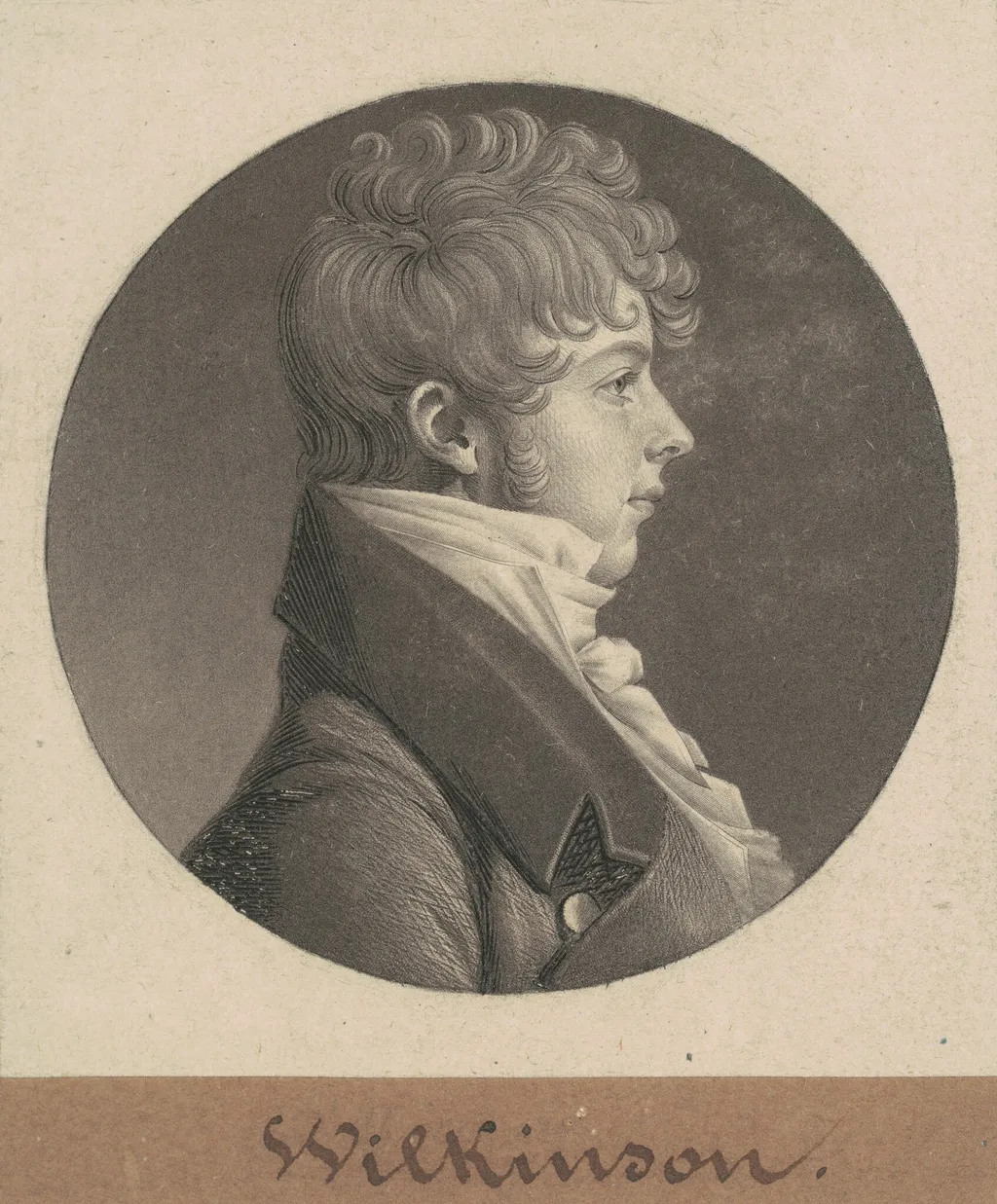
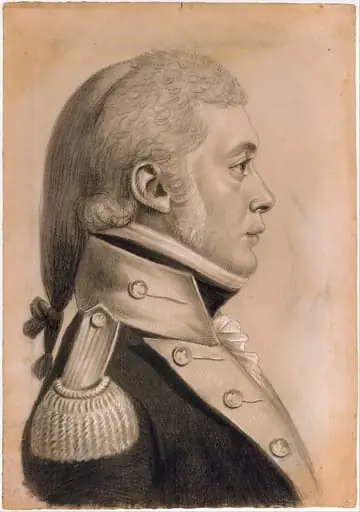
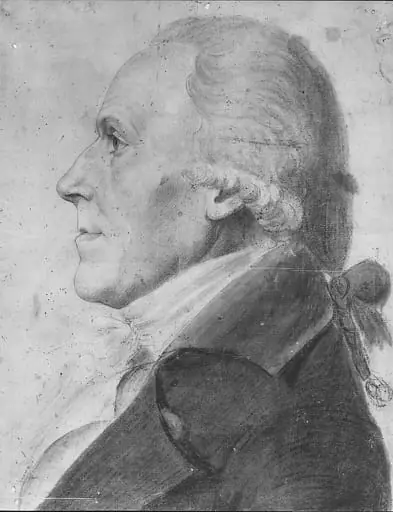
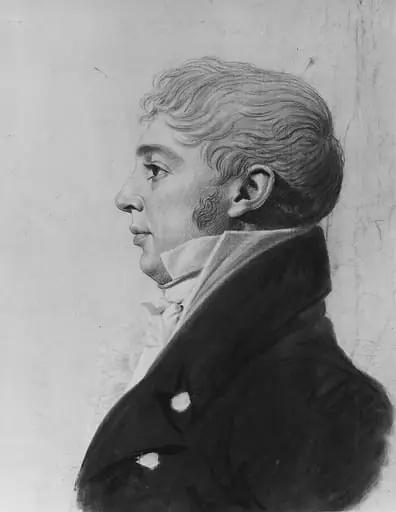
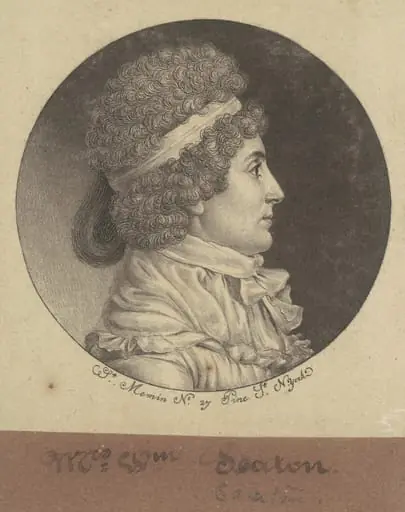
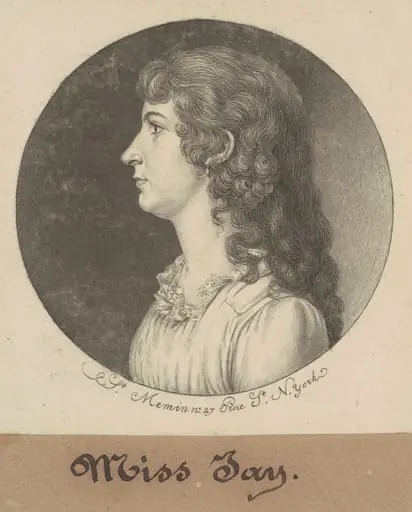
Wilkinson is an ink print by the Romanticist artist Charles Balthazar Julien Févret de Saint-Mémin. It dates from 1804 and is held in the collection of the National Gallery of Art. This small print, created in 1804 by Charles B.
About this work
Overview
The work belongs to the Corcoran Collection and exemplifies Saint-Mémin’s precision in miniature portraiture using intaglio techniques.
This small print, created in 1804 by Charles B. J. Févret de Saint-Mémin, is a mezzotint and engraving on wove paper, mounted to a brown wove support. It portrays James Wilkinson, a U.S. military officer, in formal dress. The dimensions are approximately 5.7 by 5.5 centimeters, making it a compact yet densely detailed portrait. The work belongs to the Corcoran Collection and exemplifies Saint-Mémin’s precision in miniature portraiture using intaglio techniques.
Subject & Meaning
James Wilkinson, a controversial figure in early American military history, is depicted with a composed, solemn expression. His uniform, adorned with visible buttons and folded fabric, signals his rank and status. The portrait does not include symbolic elements or background, focusing solely on the sitter’s presence. This restrained approach reflects the era’s preference for dignified, individualized representation over narrative or allegorical content.
Technique & Style
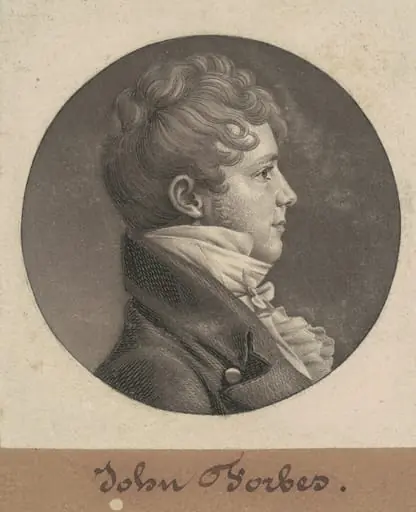
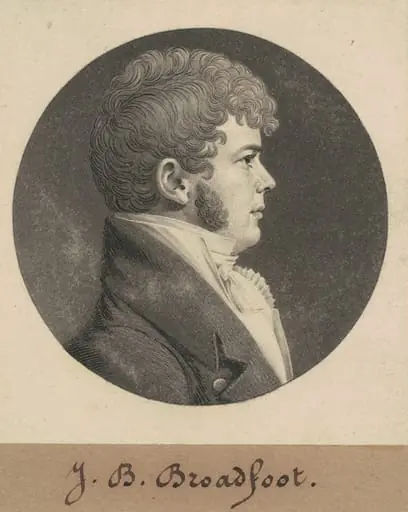
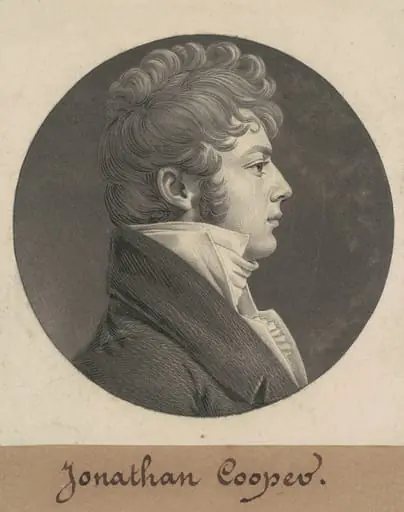
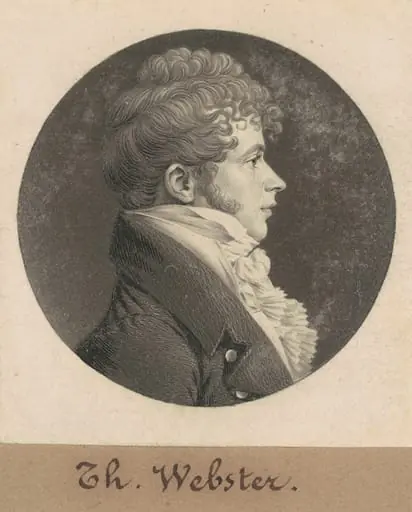
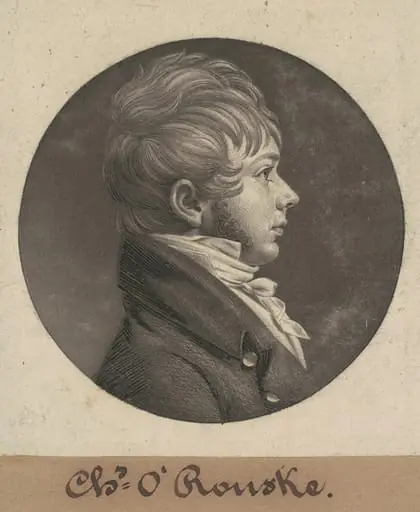
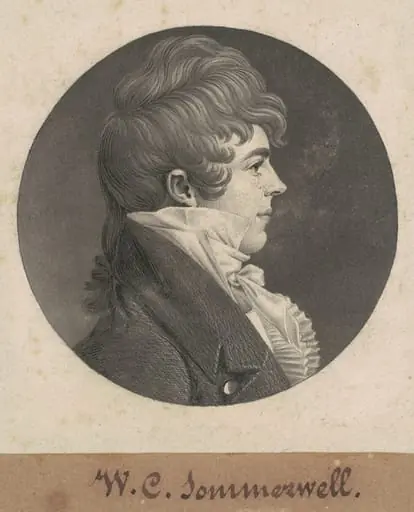
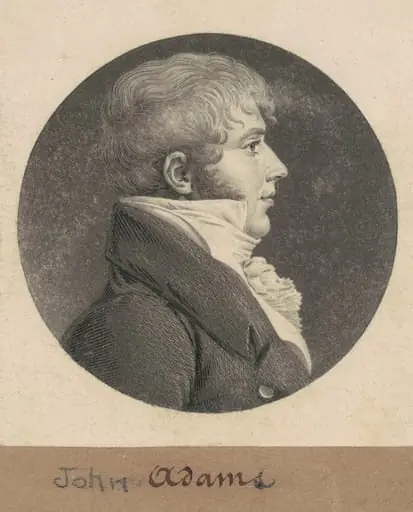
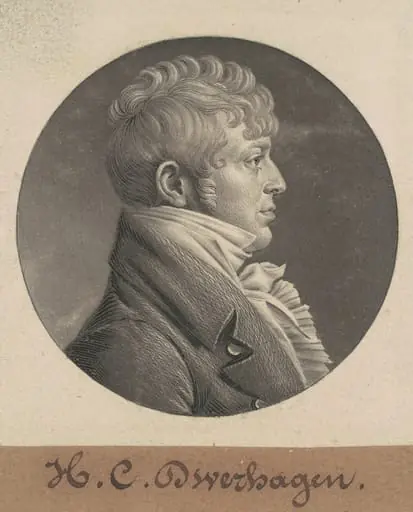
Saint-Mémin employed mezzotint and engraving to achieve fine tonal gradations and sharp linear detail within a tiny format. The mezzotint process, which roughens the plate to hold ink, allowed for rich blacks and subtle transitions, while engraving added crisp outlines and texture. The result is a highly refined image where minute elements—button stitching, collar folds, and facial contours—are rendered with remarkable clarity despite the scale.
History & Provenance
Created in 1804, the print was likely made during Saint-Mémin’s time in the United States, where he produced numerous portraits of public figures. It entered the Corcoran Collection in the 19th century and remained there until the collection’s dispersal. Its survival in good condition reflects careful handling and the enduring interest in early American portraiture, particularly works by immigrant artists who documented national leaders.
Context
In early 19th-century America, engraved portraits served as accessible records of prominent individuals before photography. Saint-Mémin, a French émigré, became a leading practitioner of this genre, combining European technical training with American subjects. His small-scale portraits were often distributed as prints, catering to a growing middle-class audience seeking visual connections to military and political figures like Wilkinson.
Legacy
Saint-Mémin’s work, including this portrait, helped establish mezzotint as a viable medium for detailed portraiture in the United States. Though Wilkinson’s historical reputation remains contested, the print endures as an example of technical mastery in miniature printmaking. It contributes to the broader understanding of how visual culture shaped public perception of leadership in the young republic.
Artist & collection

Artist
Charles Balthazar Julien Févret de Saint-Mémin
Charles Balthazar Julien Févret de Saint-Mémin (French pronunciation: ; 1770–1852) was a French portrait painter and museum director.