Artwork
William Hudson
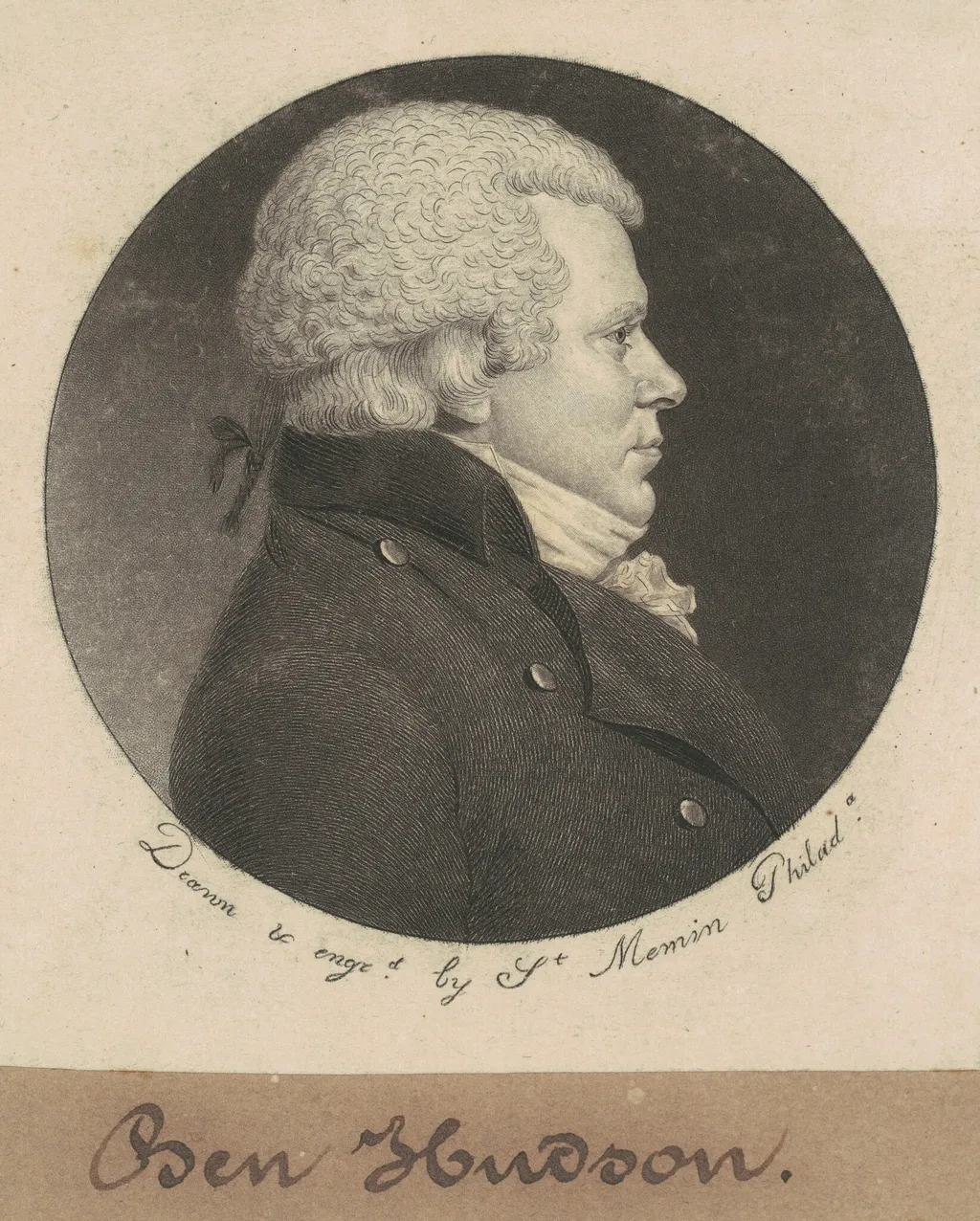
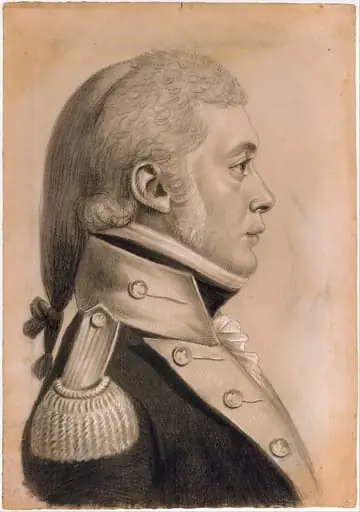
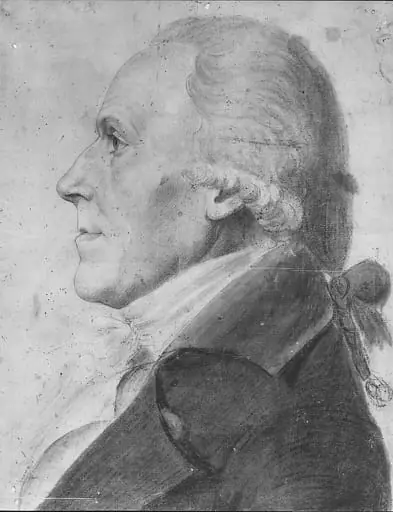
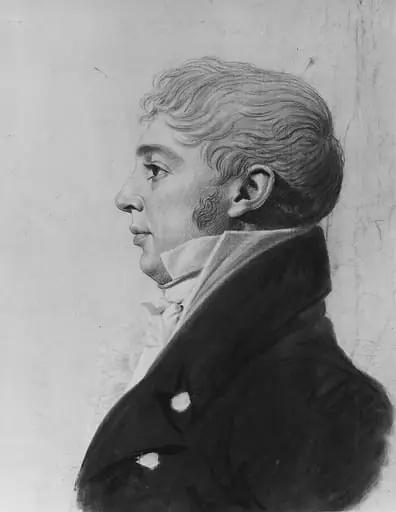
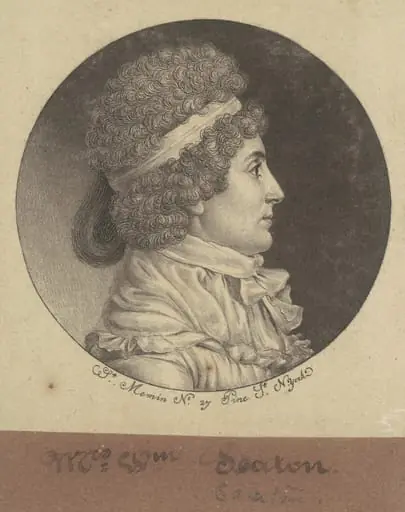
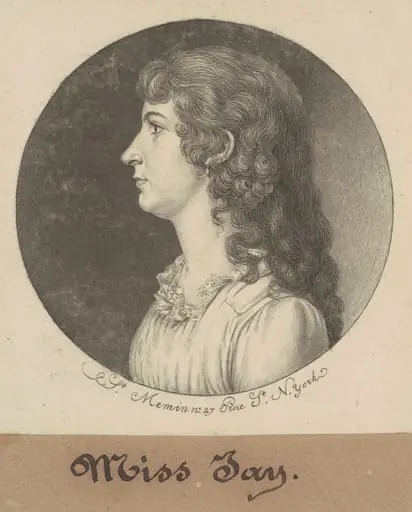
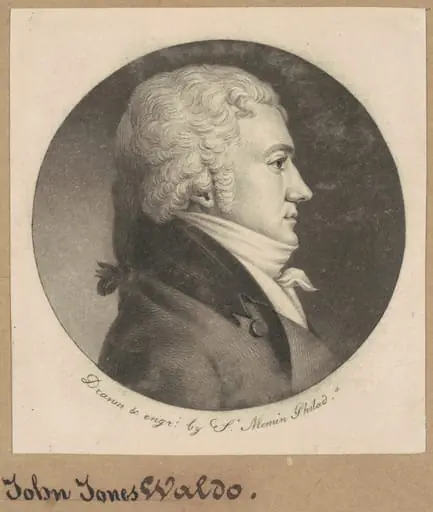
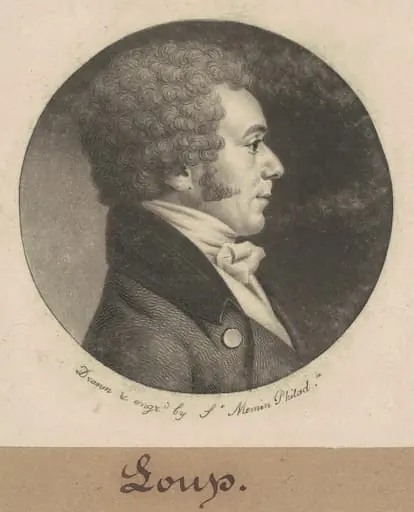
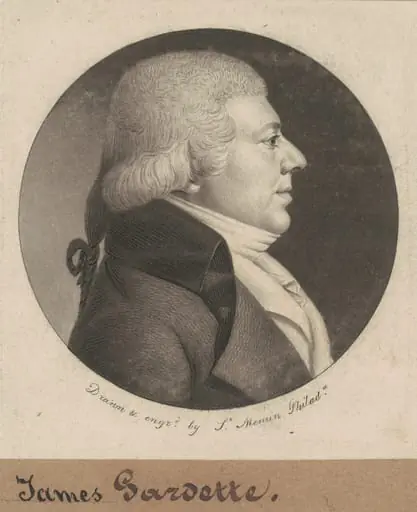
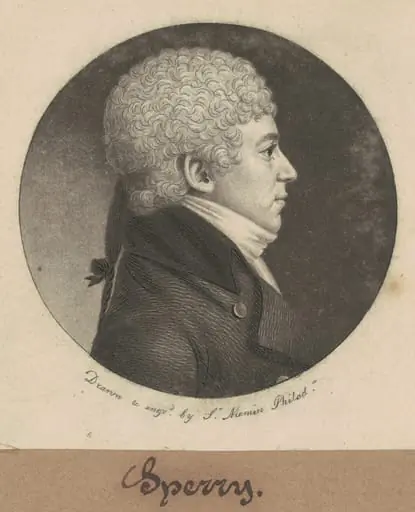
William Hudson is an ink print by the Romanticist artist Charles Balthazar Julien Févret de Saint-Mémin. It dates from 1798 and is held in the collection of the National Gallery of Art.
About this work
Overview
This black-and-white print, executed in mezzotint and engraving, presents a close-up portrait of William Hudson. The image is rendered on wove paper that has been mounted onto a brown wove backing, giving the work a modest, archival appearance. The composition focuses tightly on Hudson’s face and upper torso, emphasizing his direct gaze and the simplicity of his attire.
Subject & Meaning
Hudson is depicted in unadorned clothing, looking straight ahead, which conveys a sense of straightforwardness and personal integrity. The meticulous attention to facial features and fabric texture suggests an intention to capture the sitter’s character rather than to idealize his appearance.
Technique & Style
The artist combined mezzotint’s tonal richness with the linear precision of engraving, allowing for subtle gradations of shadow alongside crisp outlines. This hybrid approach was common among early 19th‑century printmakers seeking both depth and detail in portraiture.
History & Provenance
Created by Charles Balthazar Julien Fevret de Saint‑Mémin (1770‑1852), a French artist noted for his portrait prints, the work reflects his practice of producing highly finished likenesses for a European clientele. The print’s paper mounting indicates it was prepared for display or collection rather than for mass distribution.
Context
Saint‑Mémin’s career spanned the late Enlightenment and post‑Revolutionary periods, during which portrait prints served as a means of documenting notable individuals. Hudson’s portrait fits within this tradition, offering a visual record of a figure whose identity was deemed worthy of preservation.
Artist & collection

Artist
Charles Balthazar Julien Févret de Saint-Mémin
Charles Balthazar Julien Févret de Saint-Mémin (French pronunciation: ; 1770–1852) was a French portrait painter and museum director.