Artwork
William McIlvaine
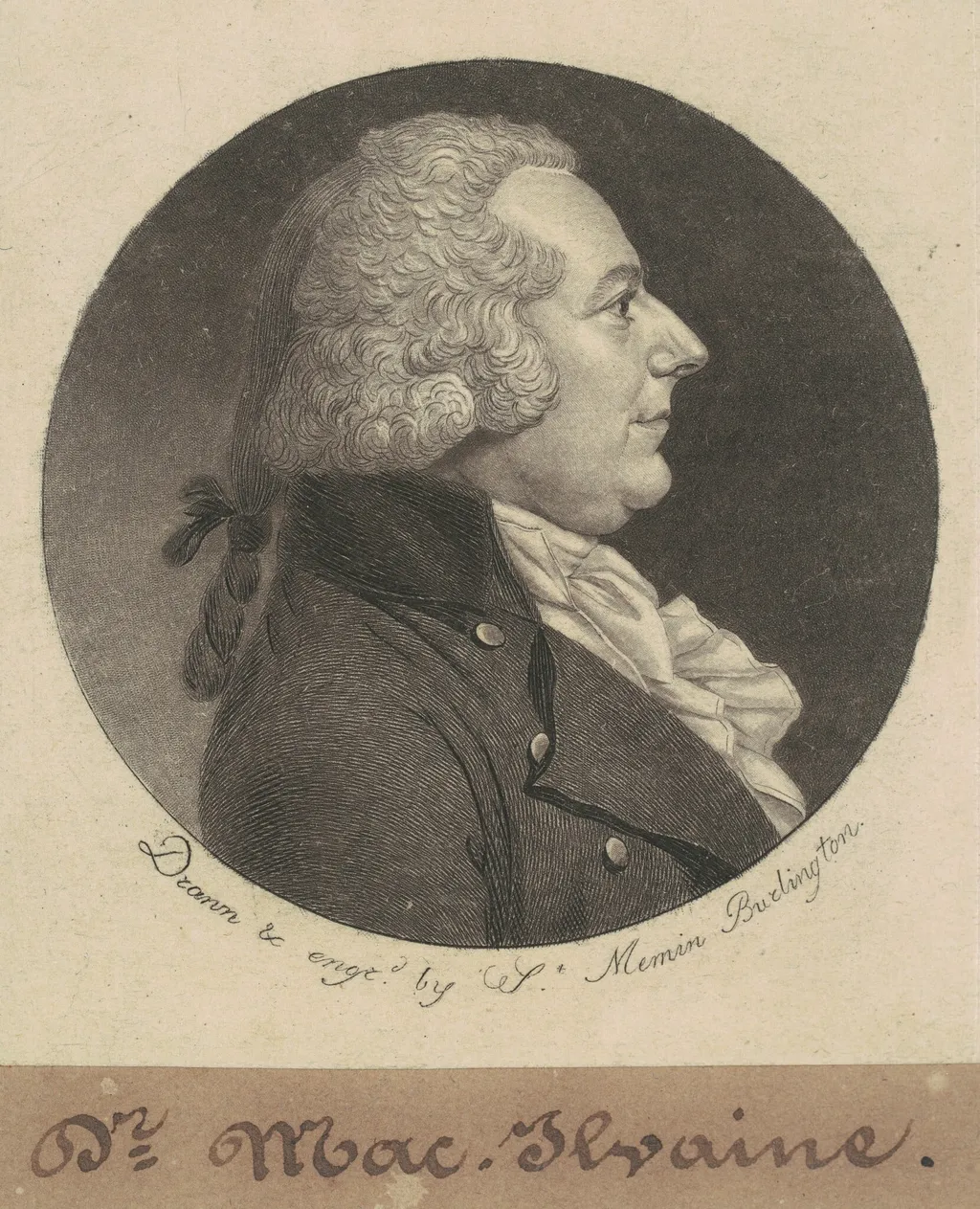
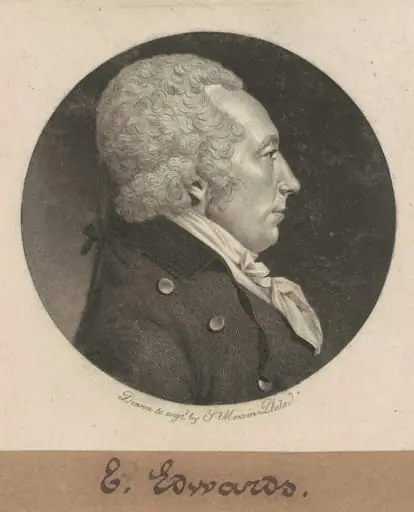
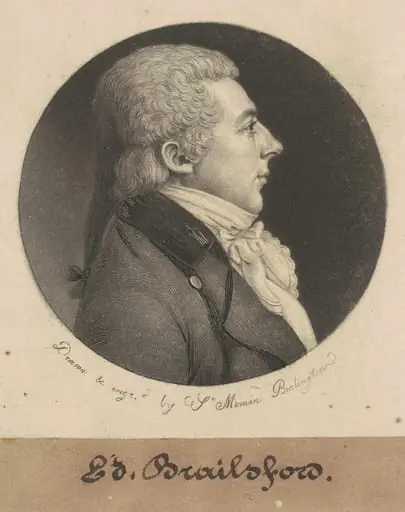
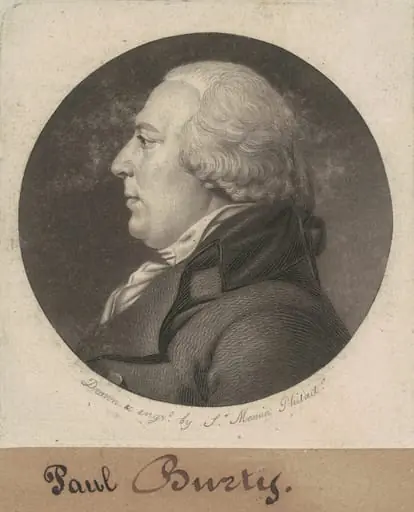
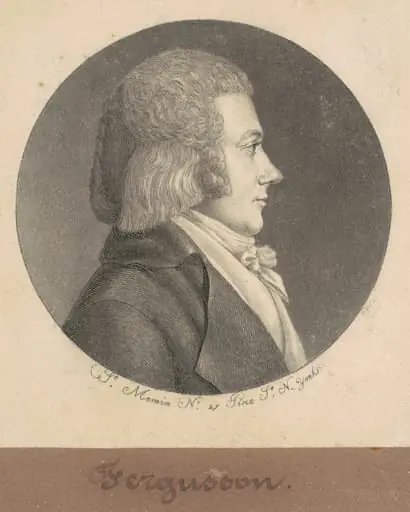
William McIlvaine is an ink print by the Romanticist artist Charles Balthazar Julien Févret de Saint-Mémin. It dates from 1798 and is held in the collection of the National Gallery of Art.
About this work
Overview
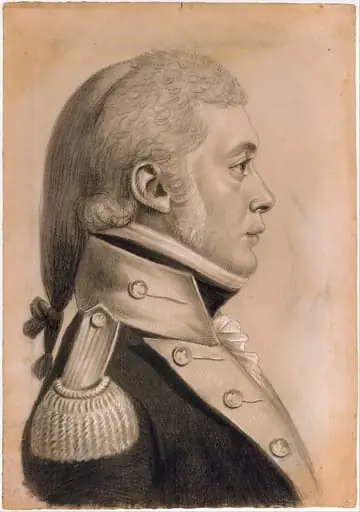
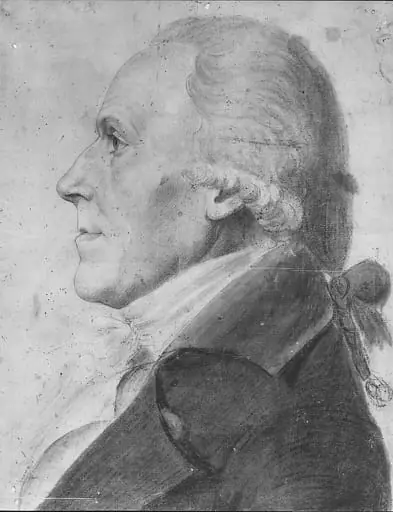
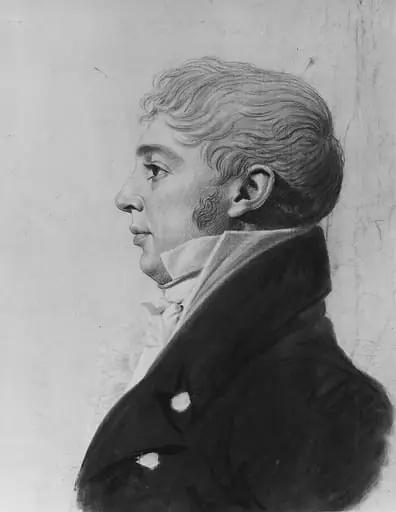
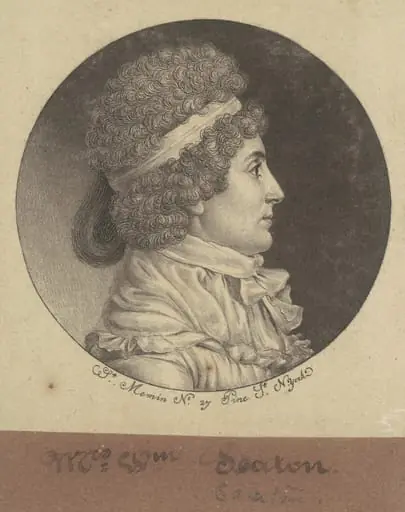
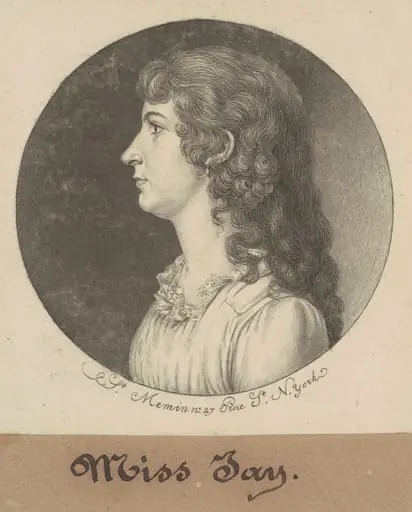
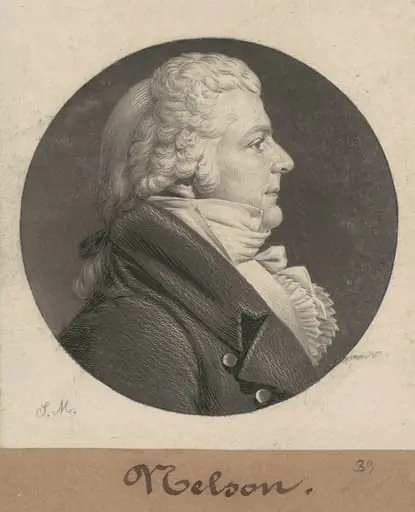
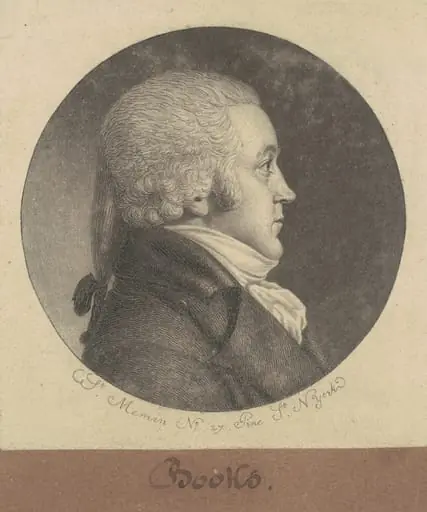
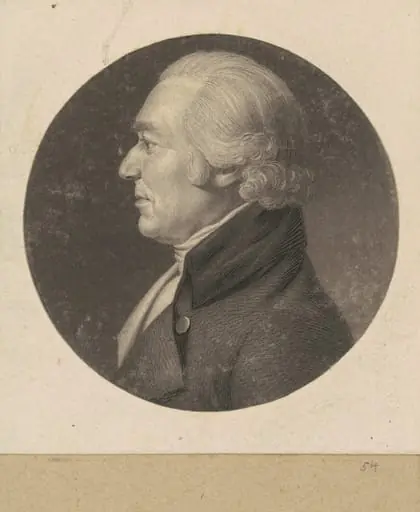
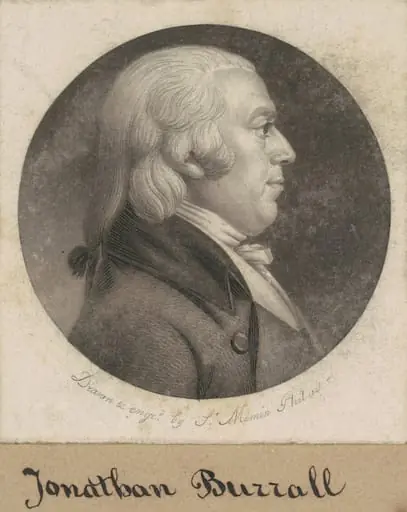
William McIlvaine is a small, square print (5.56 × 5.56 cm) executed in mezzotint and engraving on wove paper, mounted on brown wove paper. It presents a profile portrait of a man against a plain background.
Subject & Meaning
The subject, William McIlvaine, is depicted with distinctive facial features, including a prominent nose and strong jawline. His attire, a dark coat with a high collar and cravat, suggests a formal, possibly professional or gentlemanly persona.
Technique & Style
The portrait showcases the detailed capabilities of mezzotint and engraving techniques, achieving fine rendering even at a small scale. The plain background emphasizes the subject's profile, characteristic of profile portraits which often prioritize clarity over contextual detail.
History & Provenance
Originally painted by Charles B. J. Févret de Saint-Mémin in 1798, this print version by an unspecified engraver transposes the portrait into a different medium, reflecting the practice of reproducing paintings as prints for wider dissemination.
Context
Created during the late 18th century, the portrait reflects the era's formal attire and the popularity of profile portraits, which were valued for their simplicity and the clear depiction of the subject's likeness.
Legacy
As a print, William McIlvaine contributes to the broader legacy of reproductive prints in the late 18th century, facilitating the circulation of likenesses among a broader audience than the original painting could reach.
Artist & collection

Artist
Charles Balthazar Julien Févret de Saint-Mémin
Charles Balthazar Julien Févret de Saint-Mémin (French pronunciation: ; 1770–1852) was a French portrait painter and museum director.