Artwork
The Sand-Carrying Festival (Sunamochi Matsuri)
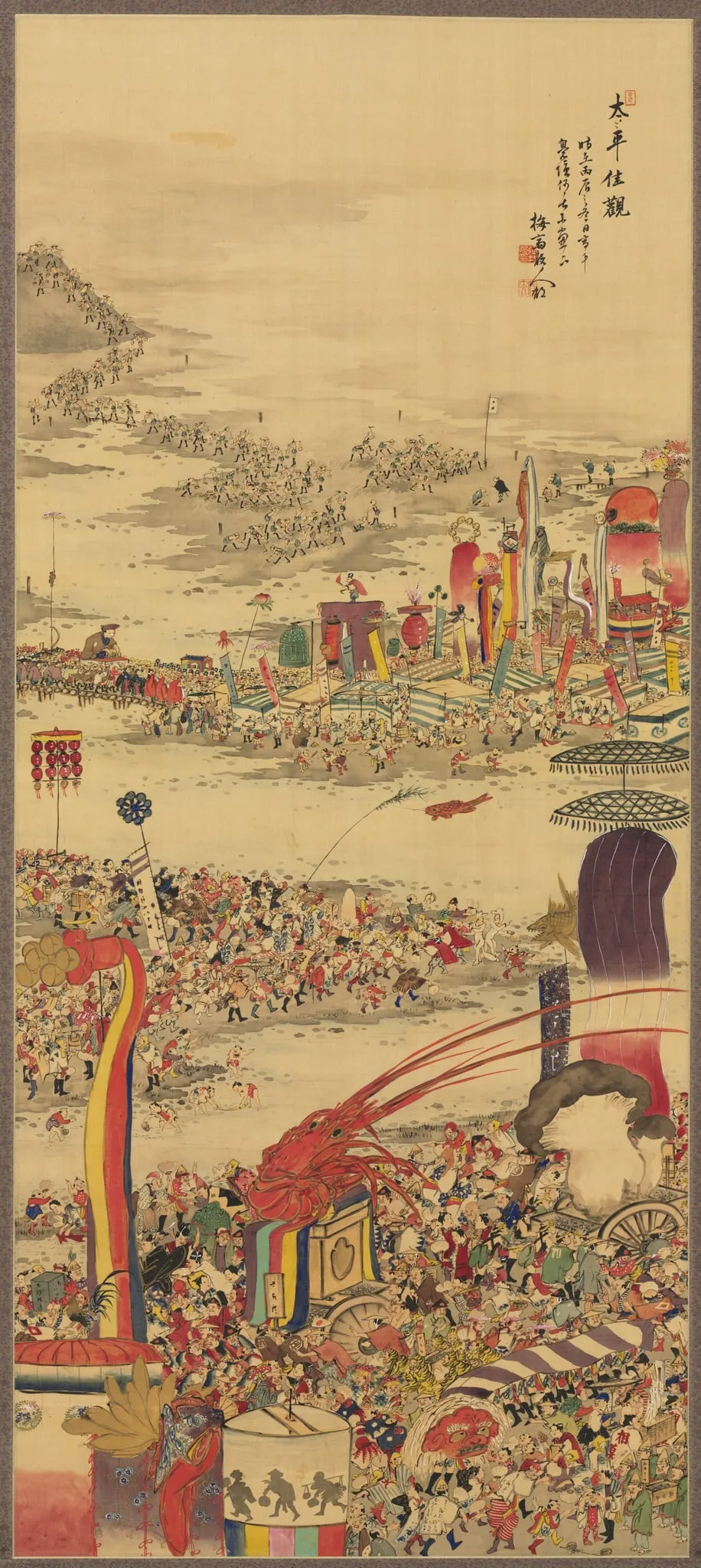
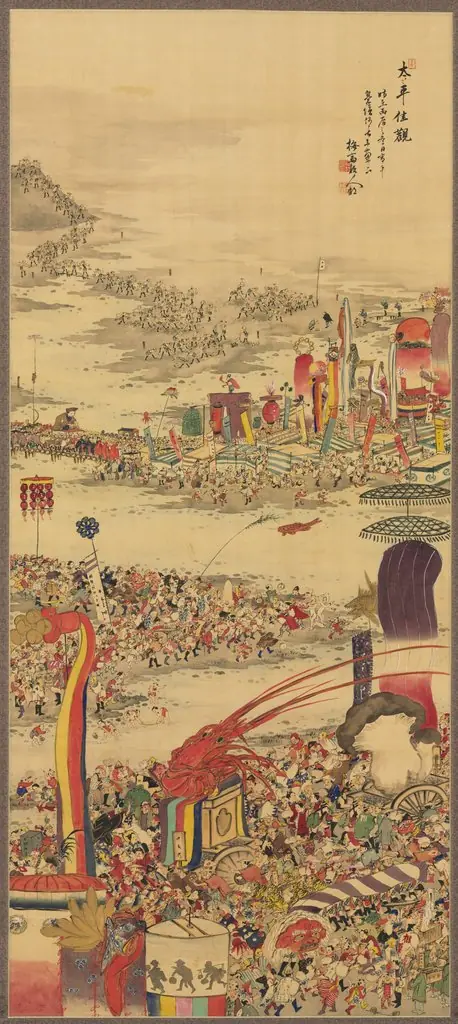
The Sand-Carrying Festival (Sunamochi Matsuri) is an unspecified painting by the Impressionist artist Sakai Basai. It dates from 1856 and is held in the collection of the Cleveland Museum of Art.
About this work
Overview
This painting depicts a vibrant scene of communal labor and celebration along a waterway, specifically capturing the dynamics of a sand-carrying festival.
Subject & Meaning
The artwork highlights the dual nature of a sand-carrying festival (Sunamochi Matsuri), combining the physical labor of dredging with the joy of parades and performances, underscoring the intersection of necessity and communal joy in traditional Japanese life.
Technique & Style
Painted by Sakai Baisai, a student of Yamamoto Baiitsu, the work reflects literati painting influences, characterized by delicate brushstrokes and a blend of realism and poetic sensibility, though the specific techniques used in this piece are not detailed.
History & Provenance
Created in 1856, the painting coincides with a known dredging event in Kyoto’s Kamo River that year. Originally titled 'Taihei Kakan' (Peaceful, Beautiful View), it contrasts peaceful ideals with the bustling scene depicted.
Context
Set in the Edo period, the painting offers a glimpse into Japan’s communal practices and the role of festivals in everyday life, prior to the artist’s relocation to Kobe around 1879 for commercial work.
Legacy
While the painting provides insight into Edo period customs, its broader artistic legacy is less emphasized, though it reflects Sakai Baisai’s contribution to traditional Japanese painting styles of his time.
Artist & collection

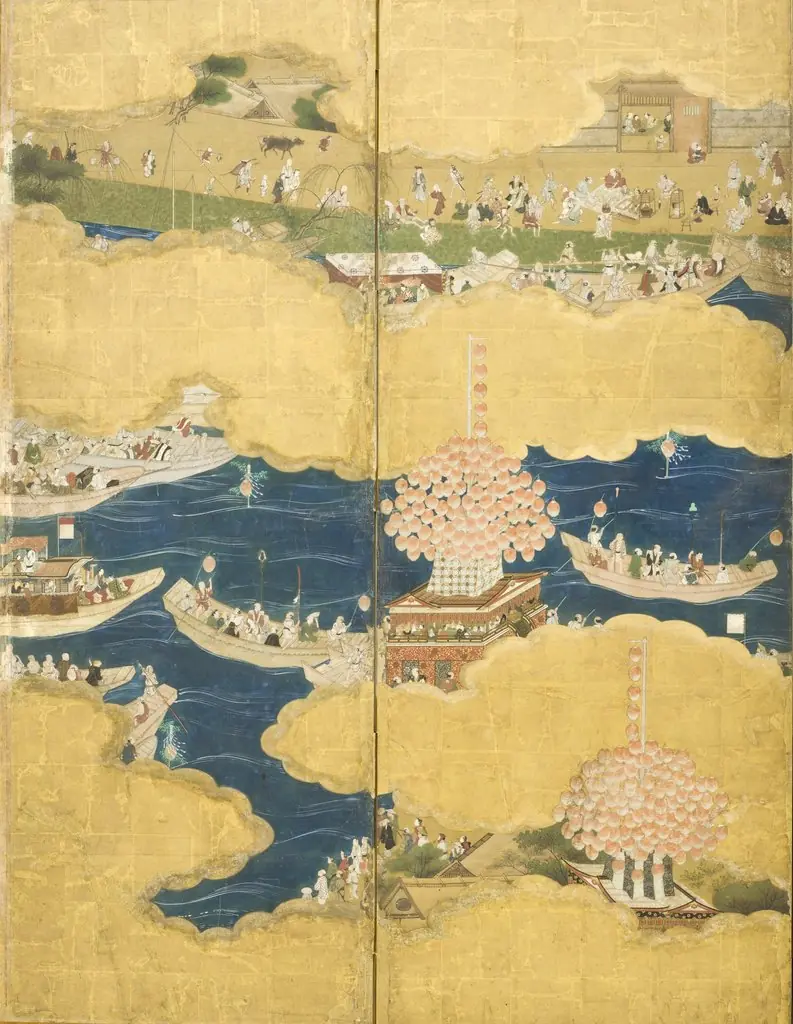 Night Festival of Tsushima Shrine
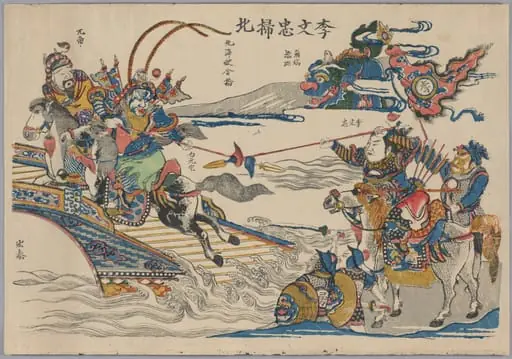 Li Wenzhong Clears the North
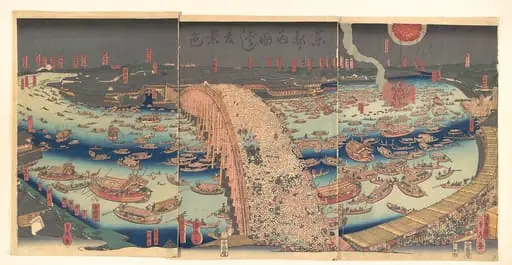 Tōtō Ryōgokubashi natsu keshiki|Panoramic View of Ryōgoku Bridge in the Summer
 「高陽院駒競行幸絵巻」『栄花物語』 断簡|"Imperial Visit to the Great Horse Race at the Kaya-no-in Mansion" from the Tale of Flowering Fortunes
 真柴秀吉公名護屋陣先手諸将繰出之図|Hideyoshi and His Troops Leaving Nagoya Camp (Mashiba Hideyoshi kō nagoya jin saki te no shoshō kuridashi no zu)
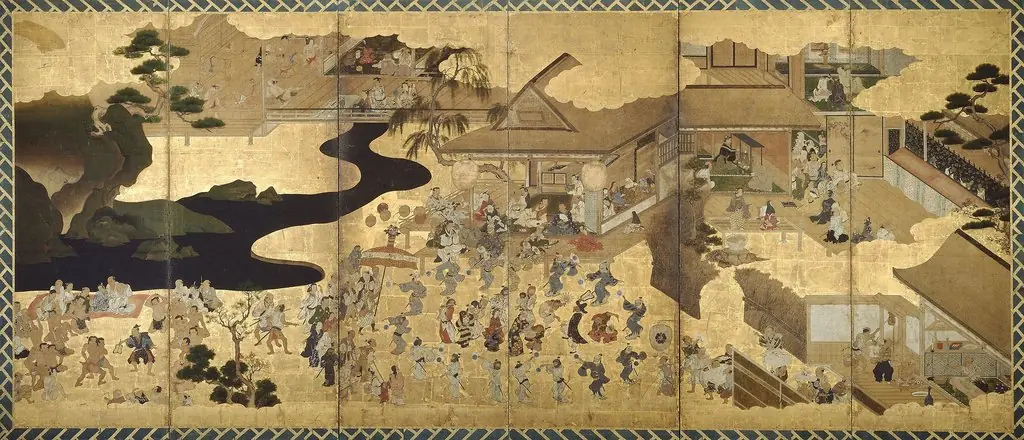 Genre Scenes (Fuzoku byobu)
 Picture of Minamoto no Yoritomo's Hunt on the Slopes of Mount Fuji
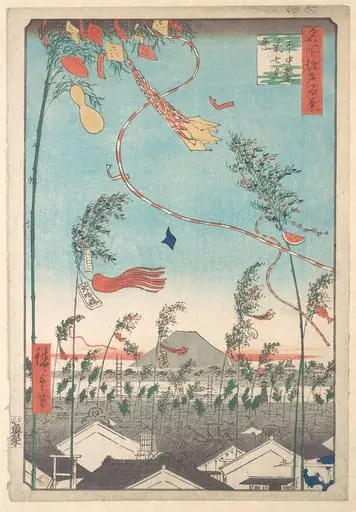 名所江戸百景 市中繁栄七夕祭|The Tanabata Festival, from the series One Hundred Famous Views of Edo
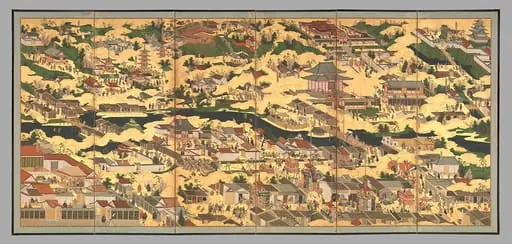 洛中洛外図屏風|Scenes in and around the Capital
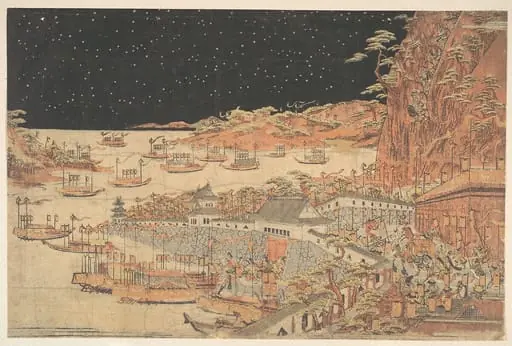 Untitled
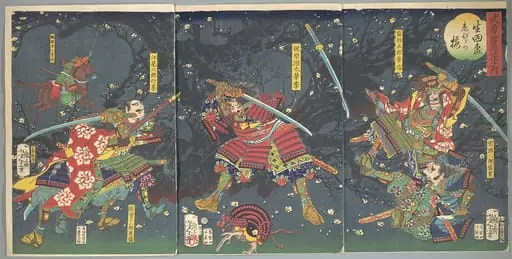 武勇雪月花之内 ゑびらの梅|Plum Blossoms in the Forrest of Ikuta, from the series Bravery-Beauty of the four seasons (Buyū setsugekka no uchi-Ikuta no mori, Ebira no ume)
 The Sand-Carrying Festival (Sunamochi Matsuri)