Artwork
名所江戸百景 市中繁栄七夕祭|The Tanabata Festival, from the series One Hundred Famous Views of Edo
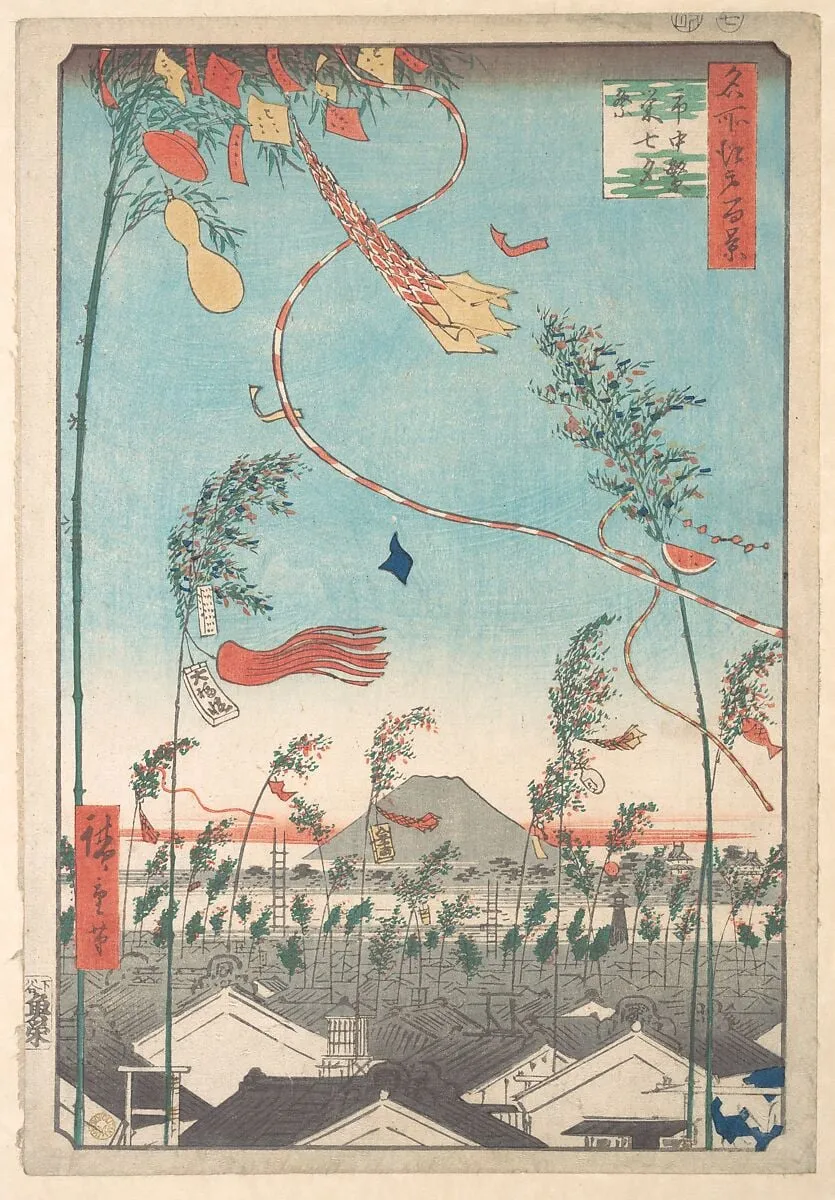
名所江戸百景 市中繁栄七夕祭|The Tanabata Festival, from the series One Hundred Famous Views of Edo is an ink print by the Impressionist artist Utagawa Hiroshige. It dates from 1857 and is held in the collection of the Metropolitan Museum of Art.
About this work
Overview
Created in 1857 by Utagawa Hiroshige, this woodblock print is one of 118 views in the series One Hundred Famous Views of Edo. Executed in ink and color on paper, it belongs to a late phase of Hiroshige’s career, where he turned away from the typical ukiyo-e focus on courtesans and actors toward quiet, seasonal moments in the urban and natural landscape of Edo.
Subject & Meaning
The scene captures the Tanabata Festival, a midsummer observance rooted in a Chinese legend of two star-crossed lovers reunited once a year. In Edo, the festival was marked by households hanging colorful paper streamers and wishes on bamboo branches. Hiroshige portrays the event as a communal ritual, woven into the fabric of daily life rather than as a spectacle.
Technique & Style
Hiroshige employed fine linework and layered, muted pigments to suggest depth and movement. The pastel blues, reds, and yellows of the streamers contrast gently with the soft grays and greens of the architecture and foliage. His use of perspective, with buildings receding into the distance, creates a sense of spatial harmony, characteristic of his mature landscape style.
History & Provenance
The print was produced during the final years of the Edo period, as woodblock printing reached its technical peak. Published by Uoya Eikichi, the series was widely distributed and helped solidify Hiroshige’s reputation. Though originally intended for mass consumption, surviving impressions are now held in major museum collections worldwide.
Context
Hiroshige’s series emerged as Edo’s population neared one million, and urban life became increasingly regulated. The Tanabata print reflects a society still deeply connected to seasonal rituals despite growing commercialization. Unlike earlier ukiyo-e that celebrated entertainment districts, this work emphasizes public, civic celebration in ordinary neighborhoods.
Legacy
Hiroshige’s approach to landscape as a vessel for cultural memory influenced later Japanese and Western artists, including the Impressionists. His quiet, atmospheric compositions redefined how everyday moments could carry emotional weight. The One Hundred Famous Views of Edo remains a key document of late Edo-period urban life and aesthetic sensibility.
Artist & collection
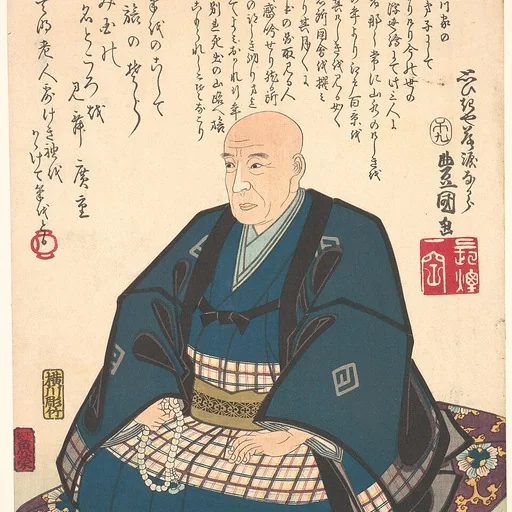
Artist
Utagawa Hiroshige (歌川 広重) or Andō Hiroshige (安藤 広重), born Andō Tokutarō (安藤 徳太郎; 1797 – 12 October 1858), was a Japanese ukiyo-e artist, considered the last great master of that tradition.


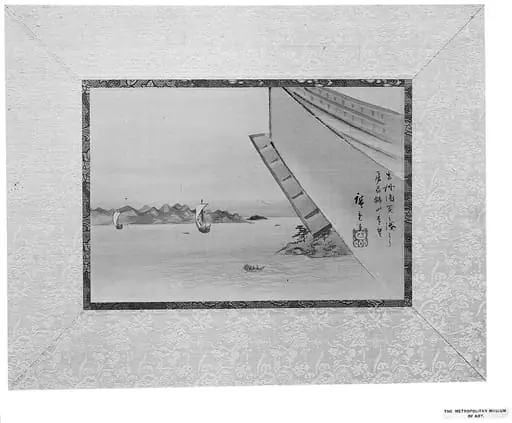
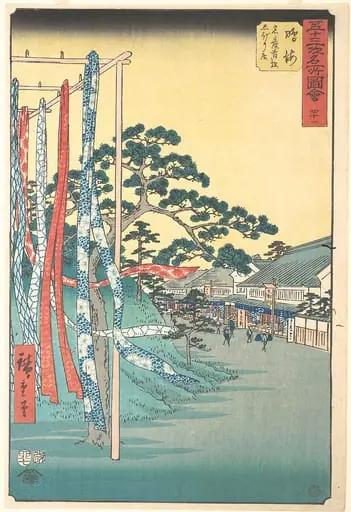 五十三次名所図会 鳴海 名產有松しぼり店|Narumi, Meisan Arimatsu Shibori Mise
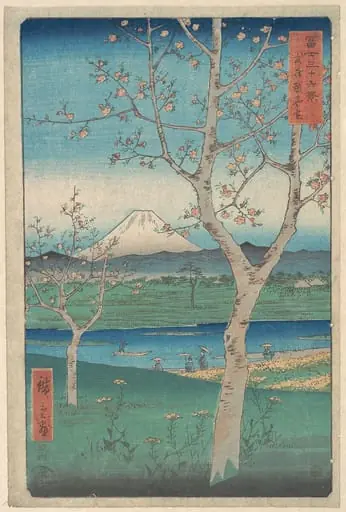 富士三十六景 武蔵越かや在|View of Mount Fuji from Koshigaya, Province of Musashi (Musashi, Koshigaya Zai), from the series Thirty-six Views of Mount Fuji (Fugaku sanjūrokkei)
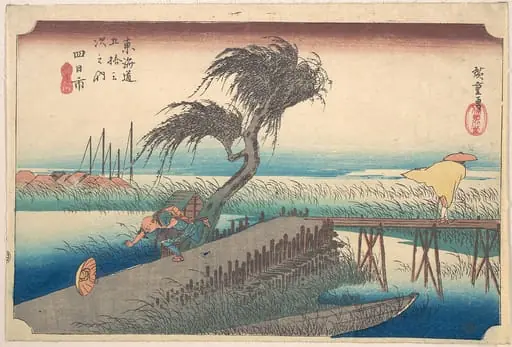 東海道五十三次之内 四日市 三重川|Yokkaichi, Sanchokawa
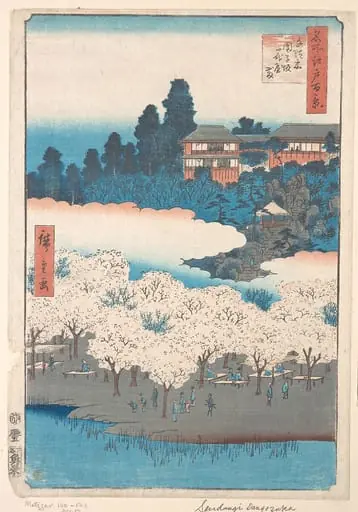 名所江戸百景 千駄木団子坂花屋敷|Sendagi Dangozaka
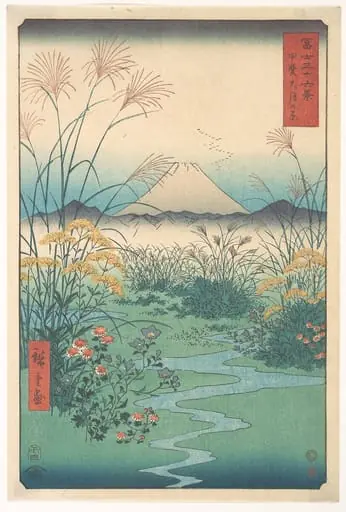 富士三十六景 甲斐大月の原|Kai, Otsuki no Hara
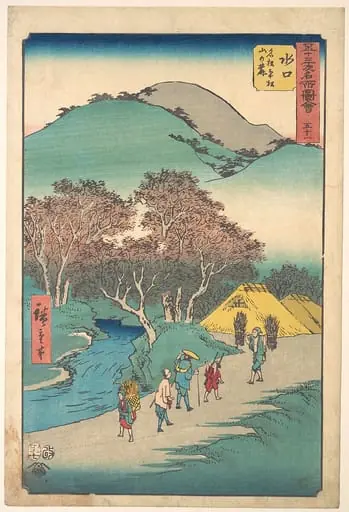 五十三次名所図会 水口|Mizukuchi
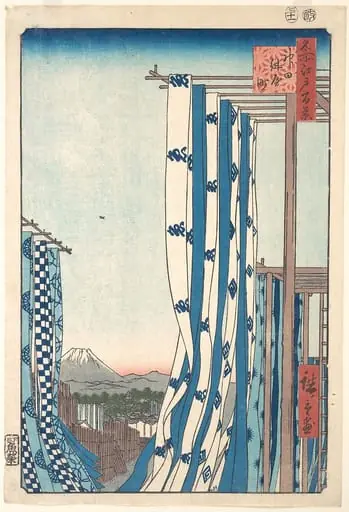 名所江戸百景 神田紺屋町|Dye House at Konya-cho, Kanda