Artwork
Untitled
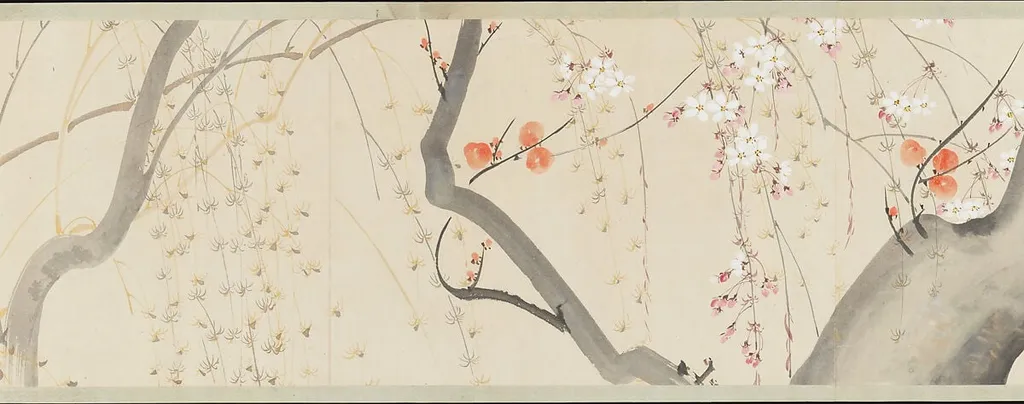
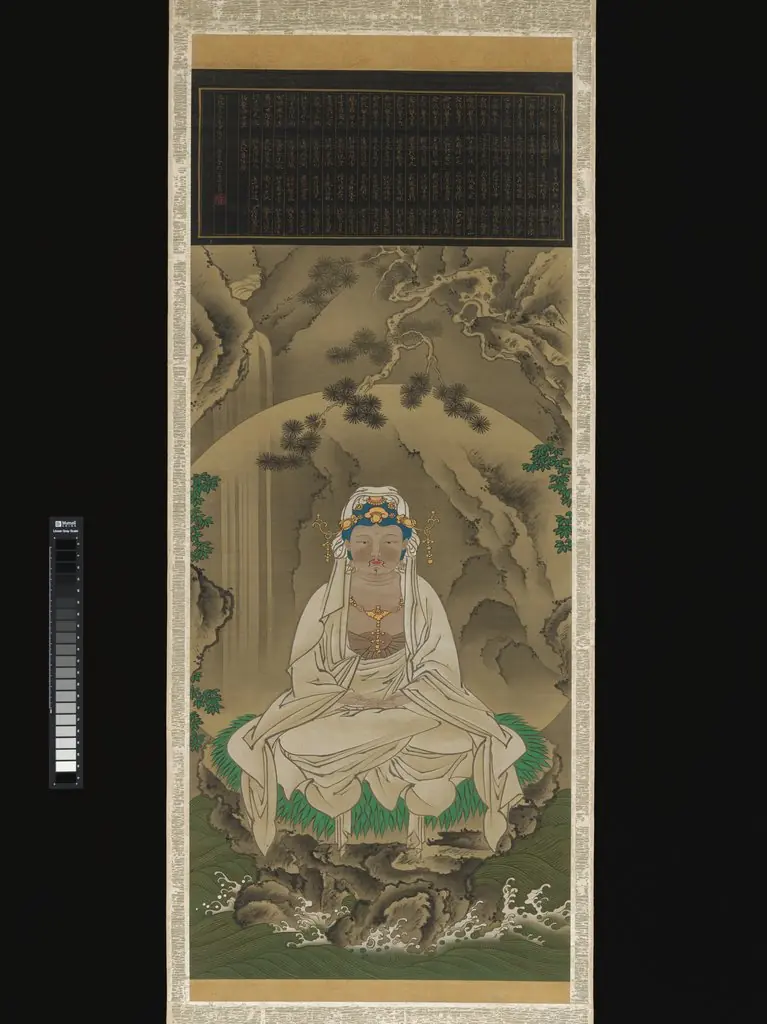
Untitled is an ink painting by the Romanticist artist Sakai Hōitsu. It dates from 1815 and is held in the collection of the Metropolitan Museum of Art.
About this work
If you like the quiet beauty of these flowers, look up the subject flowers, japan, flower for more works like it.
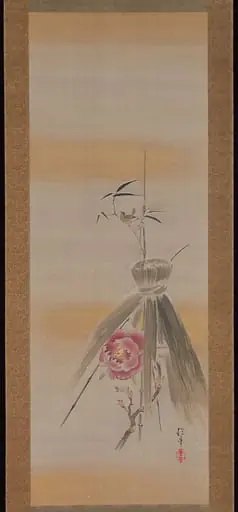
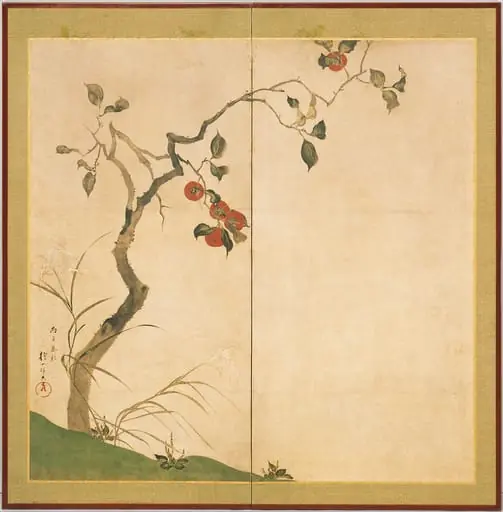
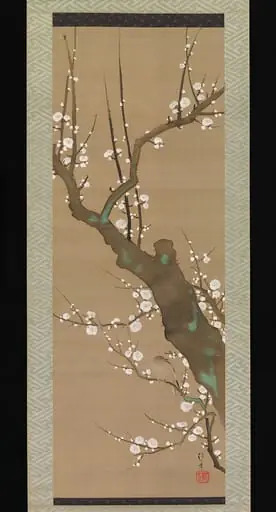
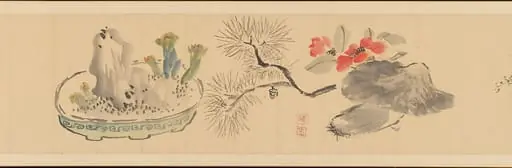
You see a long paper scroll with two sprays of flowers—one red, one white—drawn in ink and soft colors.
Hōitsu painted this in 1815 as part of a set. The scroll was meant to be unrolled slowly, so each bloom feels like a surprise. The red flowers are camellias; the white ones are plum. Both were common in Japanese art, but Hōitsu made them look fresh by leaving lots of empty space around them.
If you like the quiet beauty of these flowers, look up the subject flowers, japan, flower for more works like it.
Overview
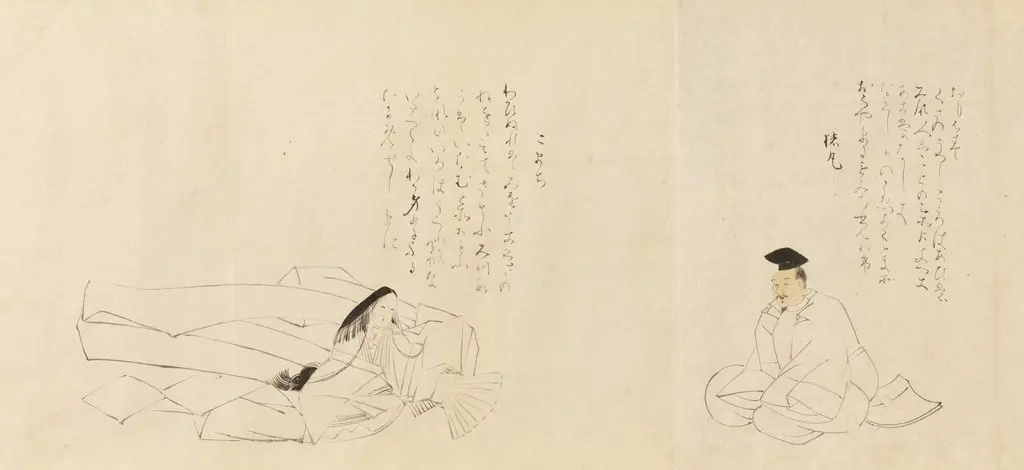
Created in 1815, this hand‑scroll by Sakai Hōitsu presents a minimalist still‑life composition of two flower clusters. Rendered on paper with ink and subtle color washes, the work unfolds horizontally, inviting the viewer to experience each bloom sequentially as the scroll is unrolled.
Subject & Meaning
The red blossoms are camellias, while the white flowers represent plum. Both species recur frequently in Japanese visual culture, symbolizing seasonal change and refined elegance. Hōitsu’s sparse arrangement emphasizes the individual presence of each flower, allowing their forms and hues to resonate quietly within the surrounding void.
Technique & Style
Executed with delicate ink lines and muted pigments, the scroll employs a restrained palette that highlights texture and translucency. Hōitsu leaves ample negative space around the blossoms, a hallmark of the Rinpa aesthetic, which balances detailed rendering with an airy, contemplative atmosphere.
History & Provenance
The piece formed part of a larger set of scrolls designed for gradual viewing, a format common in early‑nineteenth‑century Japanese art. Though specific ownership records are limited, the work remains attributed to Hōitsu, a prominent figure of the Edo‑period Rinpa school, and is preserved as an example of his later output.
Artist & collection