Artwork
元 佚名 倣錢選 梨花圖 卷|Pear Blossoms
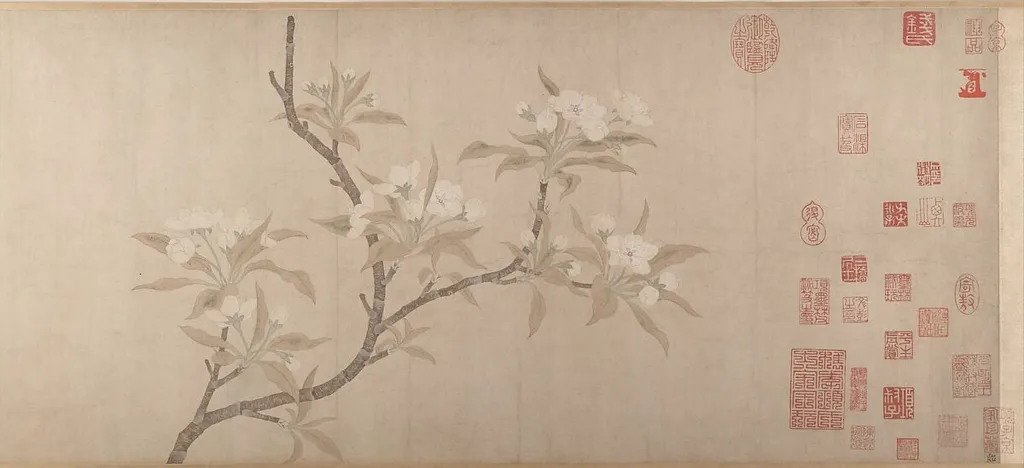
元 佚名 倣錢選 梨花圖 卷|Pear Blossoms is an ink painting. It dates from 1280 and is held in the collection of the Metropolitan Museum of Art.
About this work
Overview
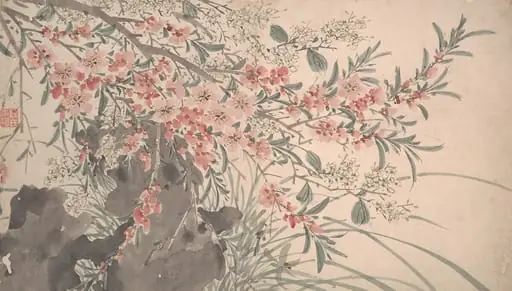
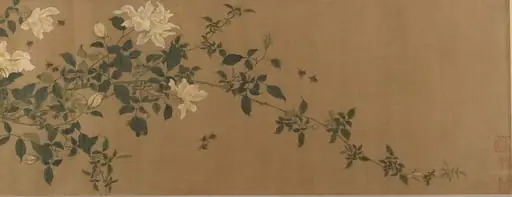
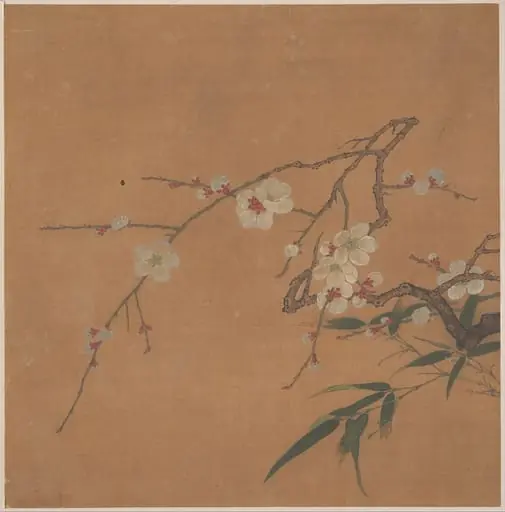
The blossoms appear as tiny white specks set against pale green branches that stretch across the length of the work, creating a sense of airy spaciousness.
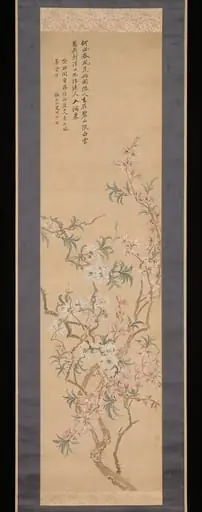
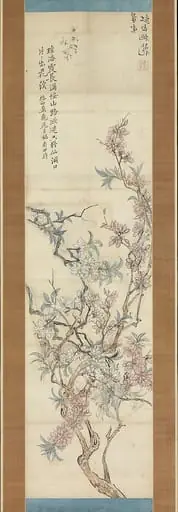
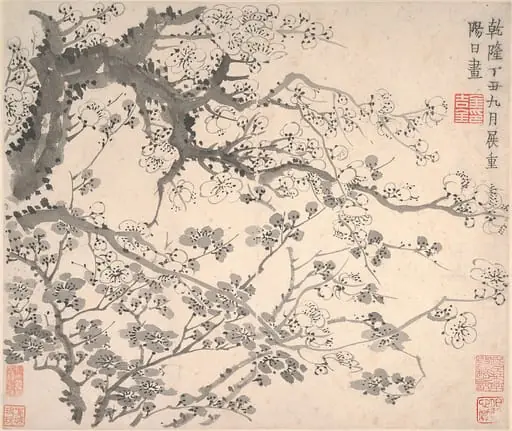
This hand‑scroll, executed on paper with ink and color, presents a delicate arrangement of pear blossoms. The blossoms appear as tiny white specks set against pale green branches that stretch across the length of the work, creating a sense of airy spaciousness. The piece belongs to the genre of Chinese flower painting and is attributed to an anonymous artist who worked within a tradition of copying earlier models.
Subject & Meaning
The central motif consists of pear blossoms, a subject traditionally associated with purity and the arrival of spring in Chinese visual culture. By isolating the flowers on slender branches, the composition emphasizes their fleeting beauty and the transitory nature of the season, inviting contemplation of impermanence without relying on narrative elements.
Technique & Style
The artist employed a softer ink wash combined with brighter mineral pigments, a stylistic choice that echoes a precedent set roughly two centuries earlier. Brushwork is light and fluid, rendering the blossoms as almost weightless forms that seem poised to drift off the paper. The muted background and restrained coloration enhance the ethereal quality of the scene.
Context
Created during the period of Mongol rule over China, the scroll reflects a broader tendency among contemporary painters to look back to earlier artistic models for reassurance. By adopting a historic style, the anonymous creator aligned with a cultural nostalgia that sought continuity amid political change, preserving a visual language rooted in pre‑Mongol traditions.
Artist & collection