Artwork
Gebirgslandschaft
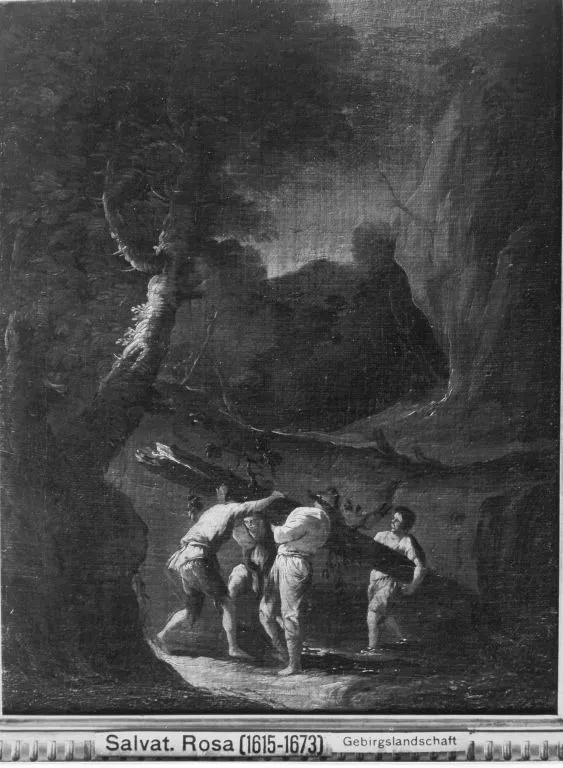
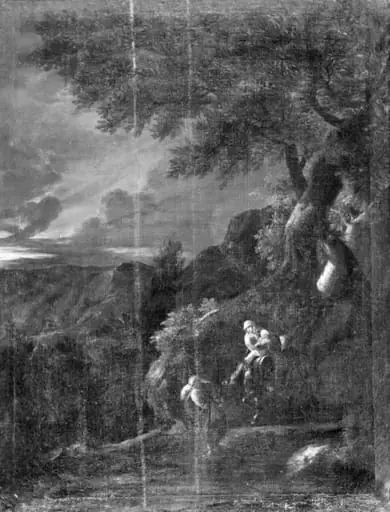
Gebirgslandschaft is an unspecified painting by the Early Baroque Italian artist Salvator Rosa. It dates from 1644 and is held in the collection of the Bavarian State Painting Collections.
About this work
Overview
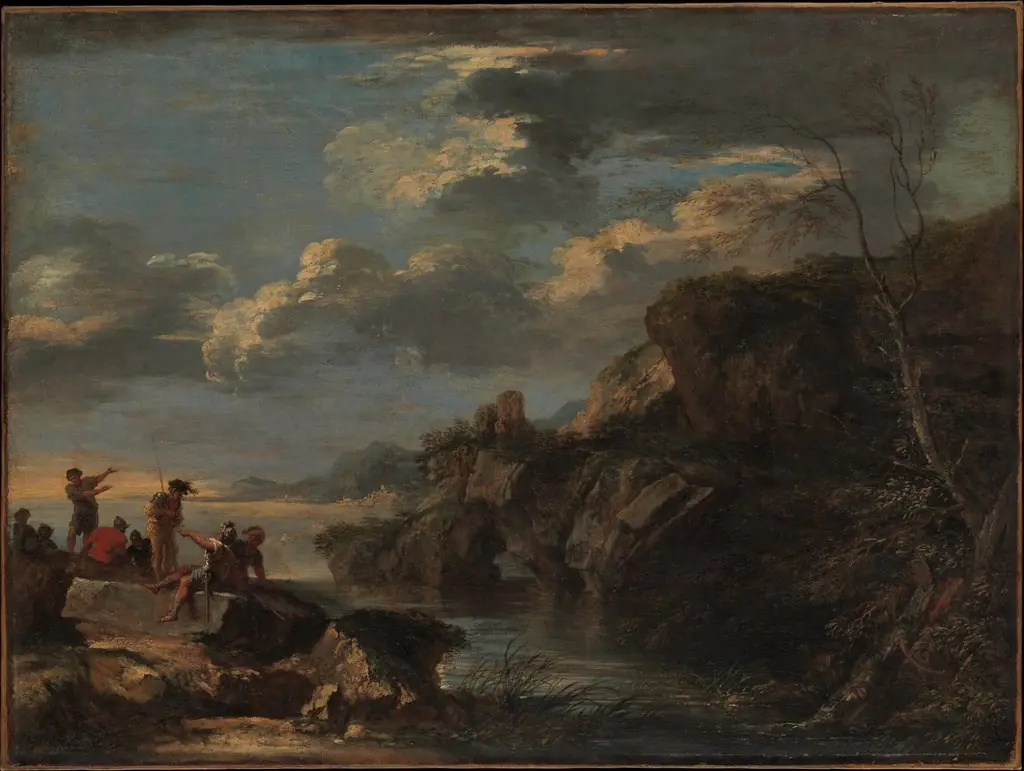
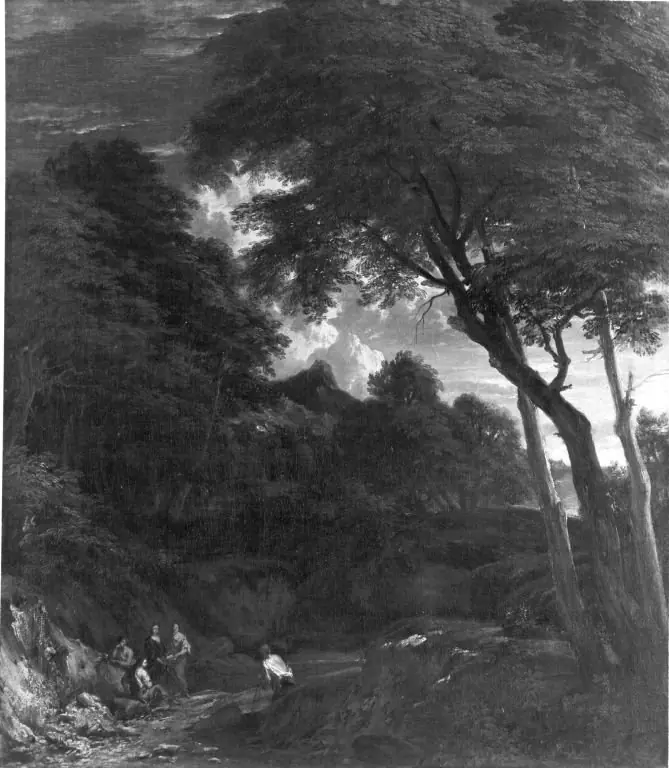
Created in 1644, *Gebirgslandschaft* is an oil painting by the Italian Baroque artist Salvator Rosa. The work exemplifies his fascination with wild, mountainous terrain, presenting a stark, atmospheric scene that aligns with the early Baroque’s interest in dramatic naturalism. Today the canvas belongs to the Alte Pinakothek in Munich.
Subject & Meaning
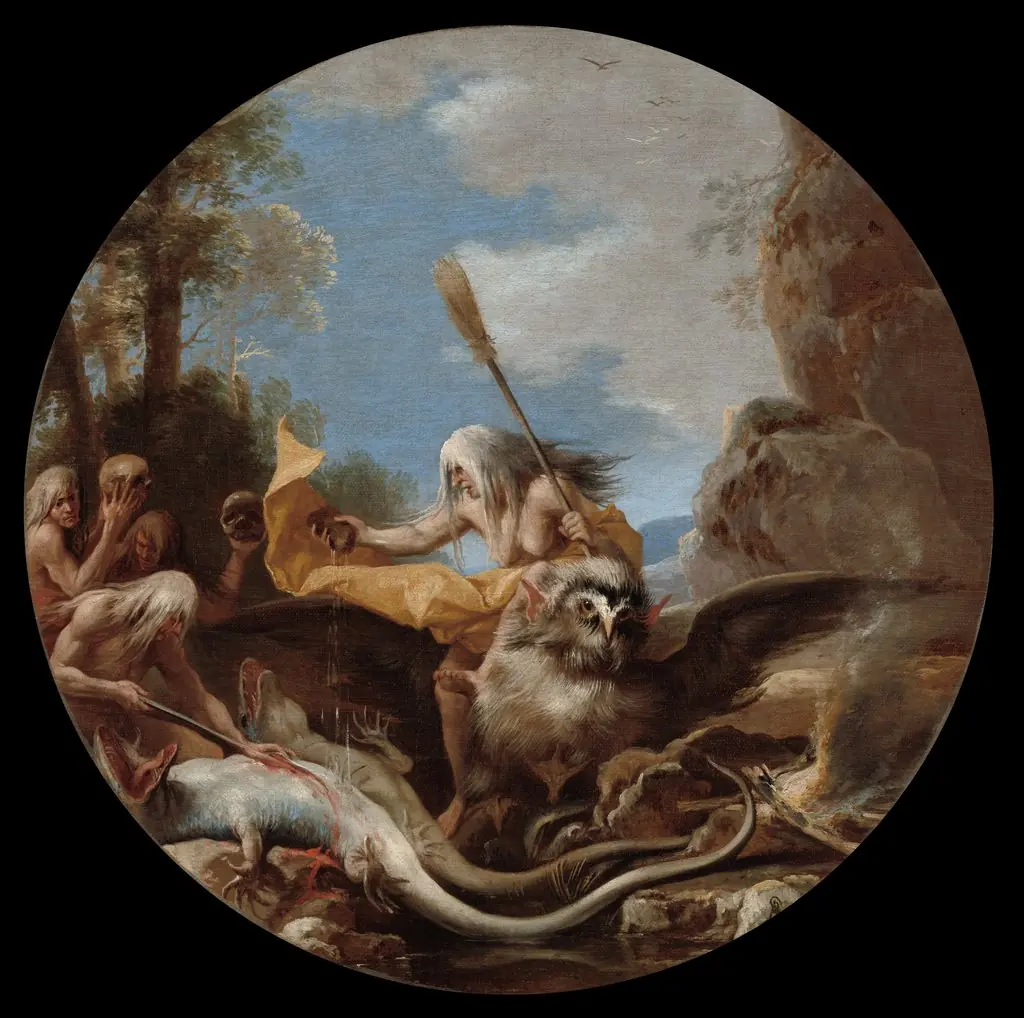
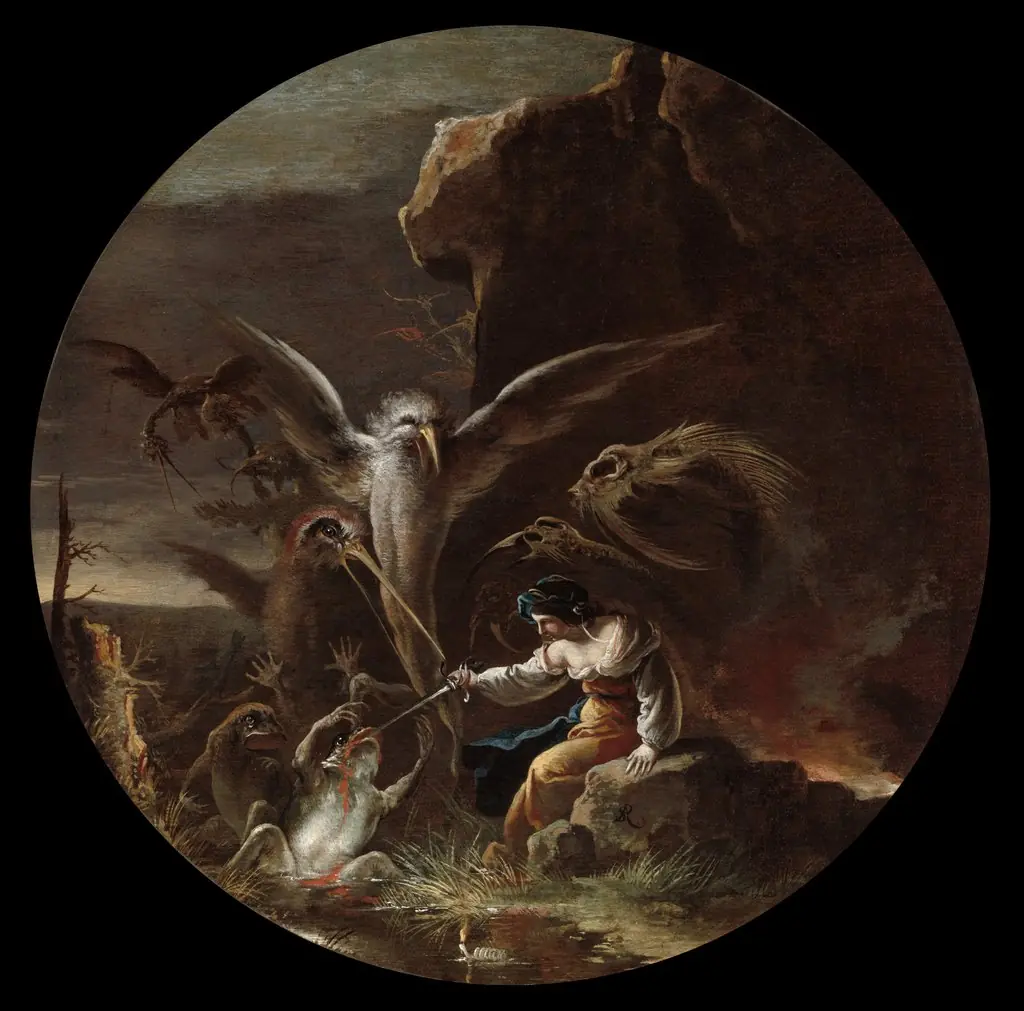
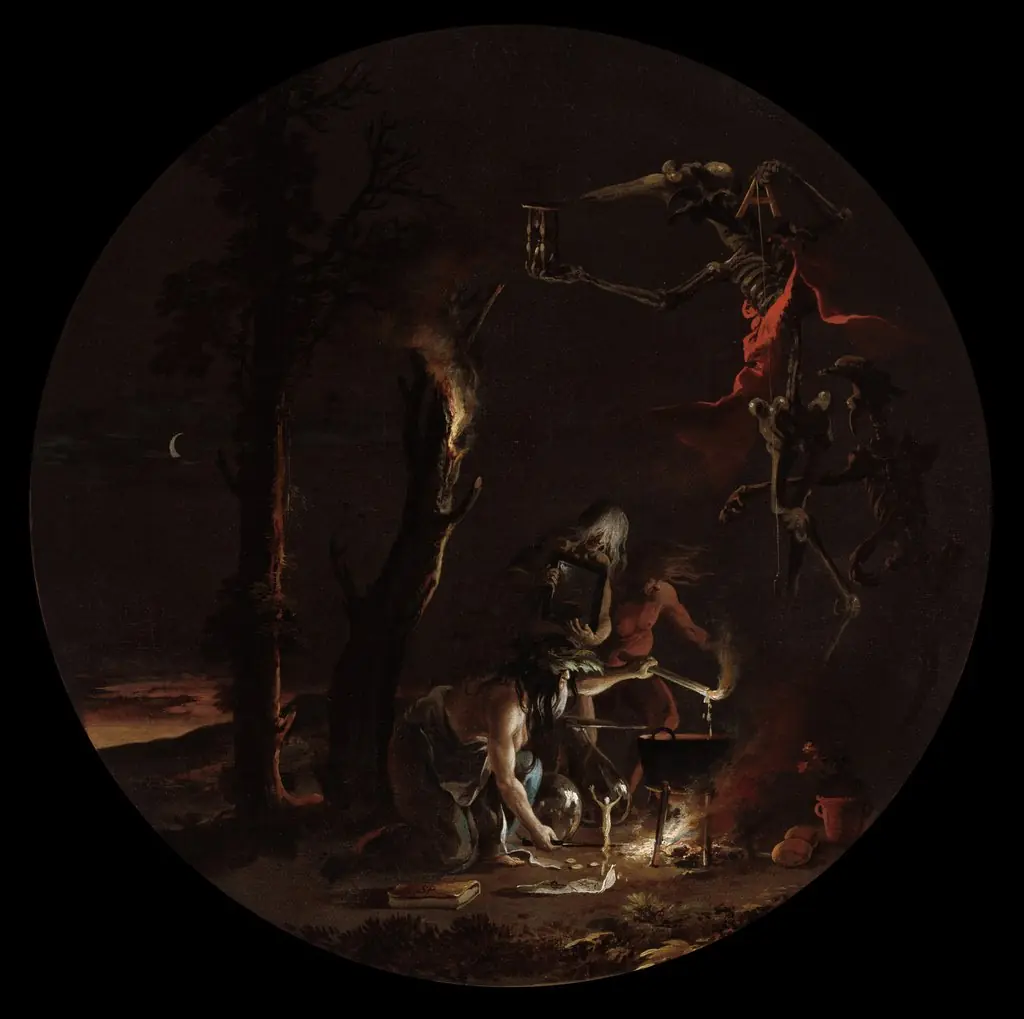
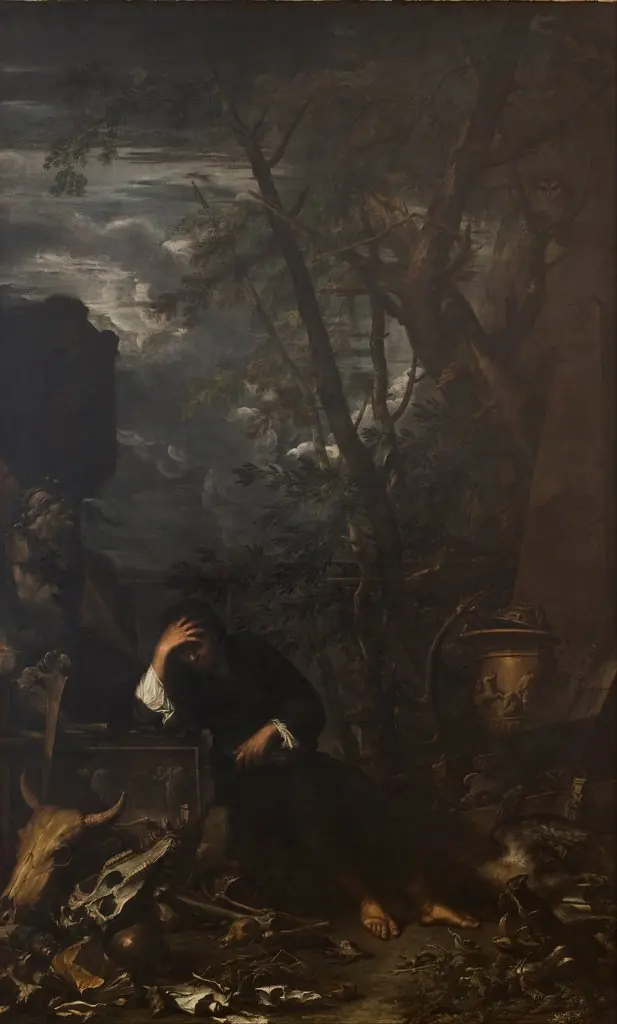
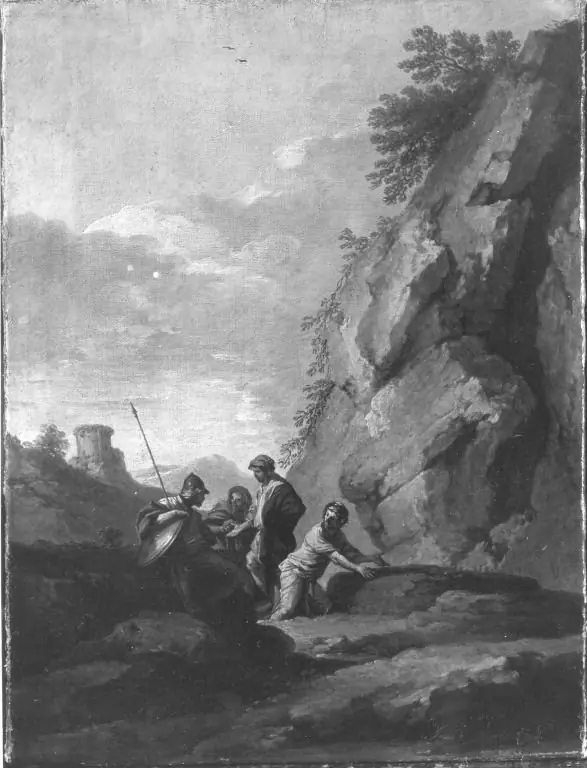
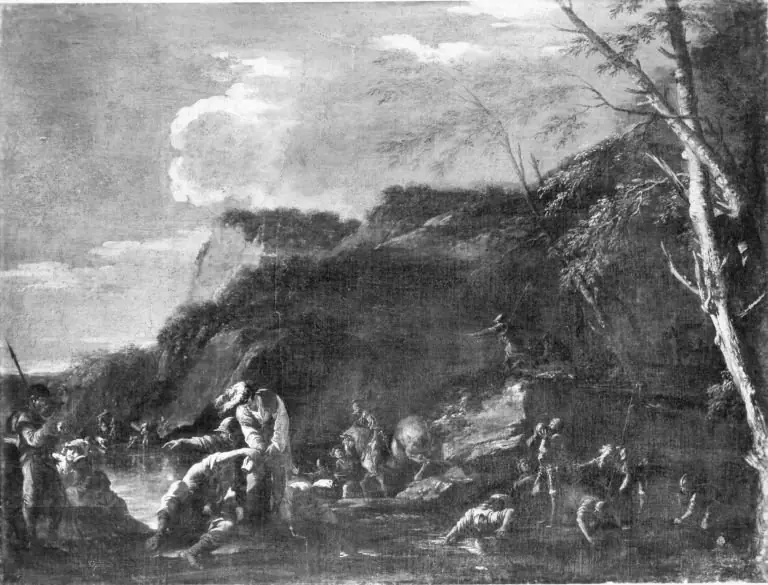
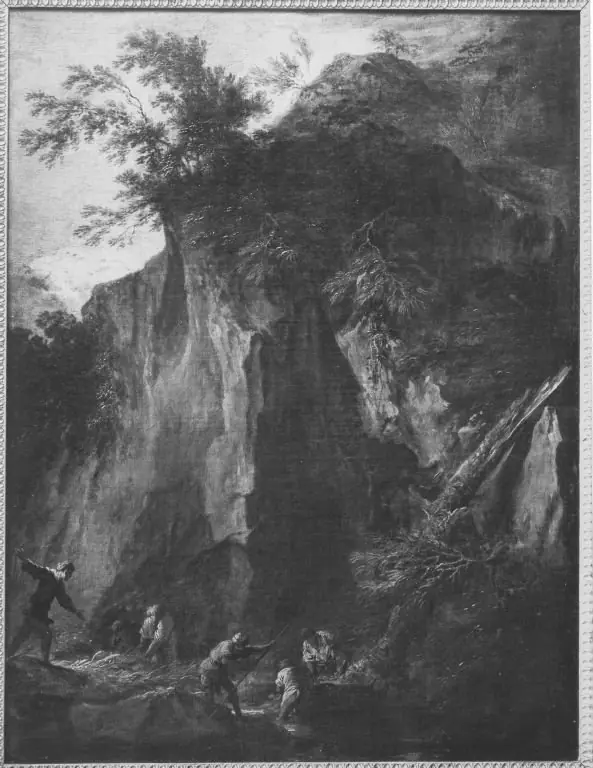
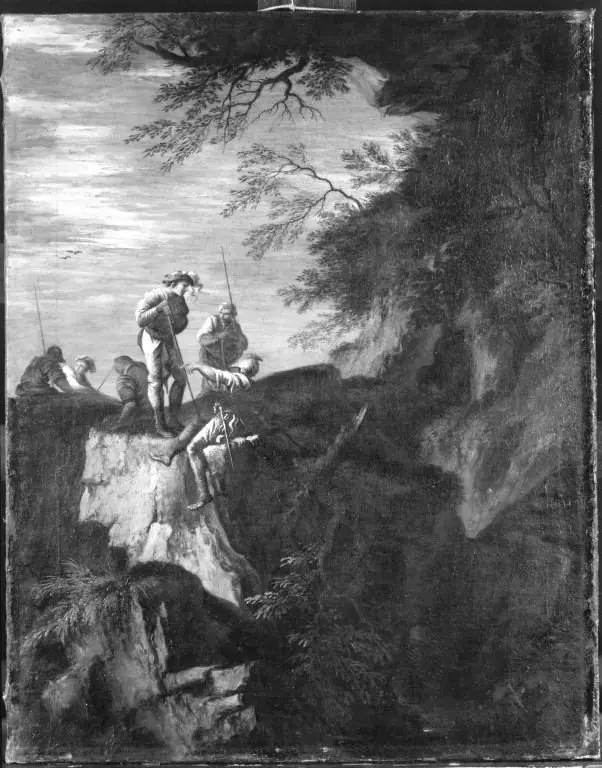
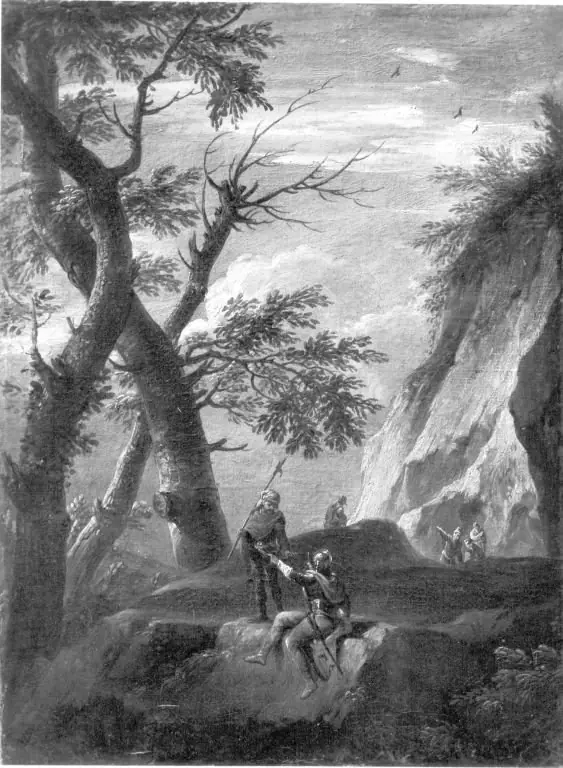
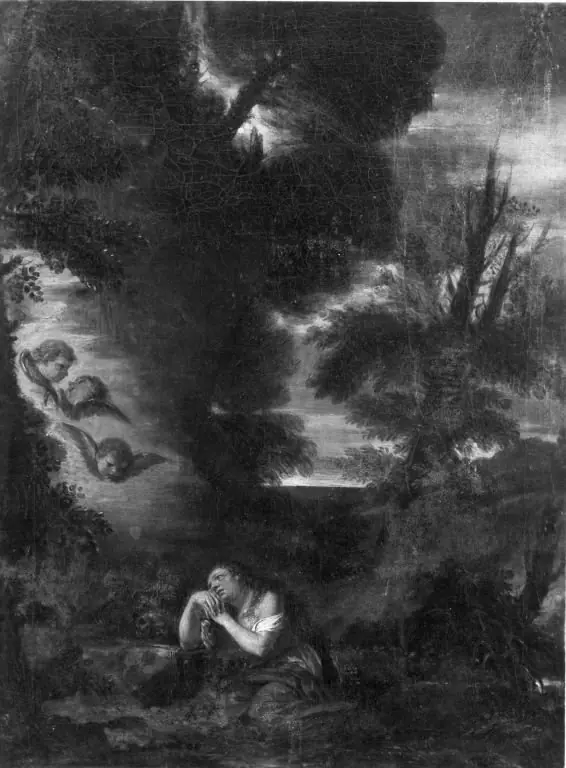
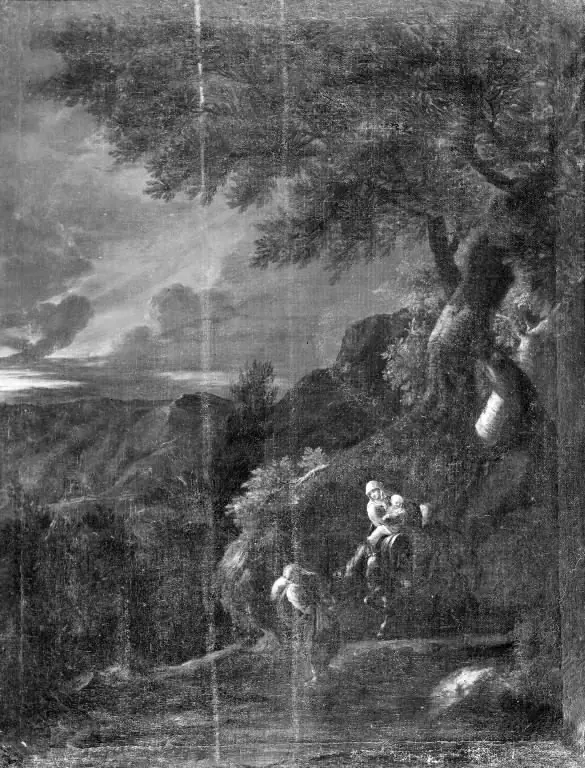
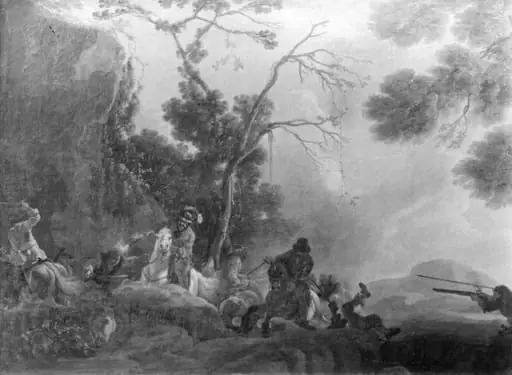
The composition centers on a bleak, craggy landscape where four figures occupy the foreground. One kneels, another raises his arms, while the remaining two observe, suggesting a moment of revelation or supplication. Above them, a shadowy presence perched on a rock holds a torch‑like object, adding a narrative tension that hints at divine or supernatural intervention.
Technique & Style
Rosa employs a pronounced chiaroscuro, contrasting deep shadows with bright illumination to heighten the scene’s emotional intensity. The rugged textures of rock and sky are rendered with vigorous brushwork, while the figures emerge sharply from the gloom, a hallmark of Rosa’s dramatic, romanticized approach to landscape painting.
History & Provenance
Active in Naples, Rome, and Florence, Rosa was known not only for his paintings but also for poetry, satire, and printmaking. *Gebirgslandschaft* entered the Alte Pinakothek’s collection, where it remains on display, offering insight into Rosa’s early Baroque output and his reputation for portraying untamed nature.
Artist & collection
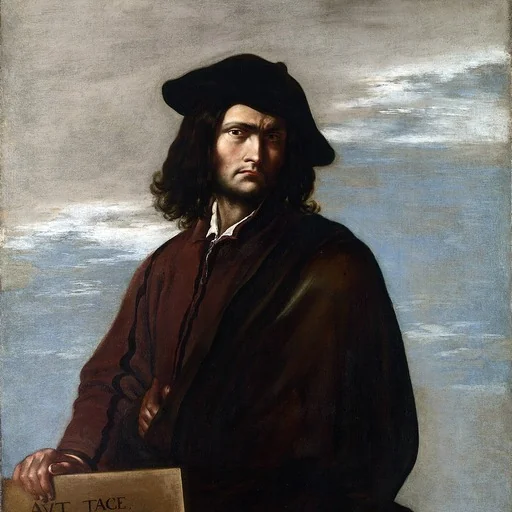
Artist
Salvator Rosa (1615 – 15 March 1673) is best known today as an Italian Baroque painter, whose romanticised landscapes and history paintings, often set in dark and untamed nature, exerted considerable influence from the 17th century into…