Artwork
The Flight into Egypt
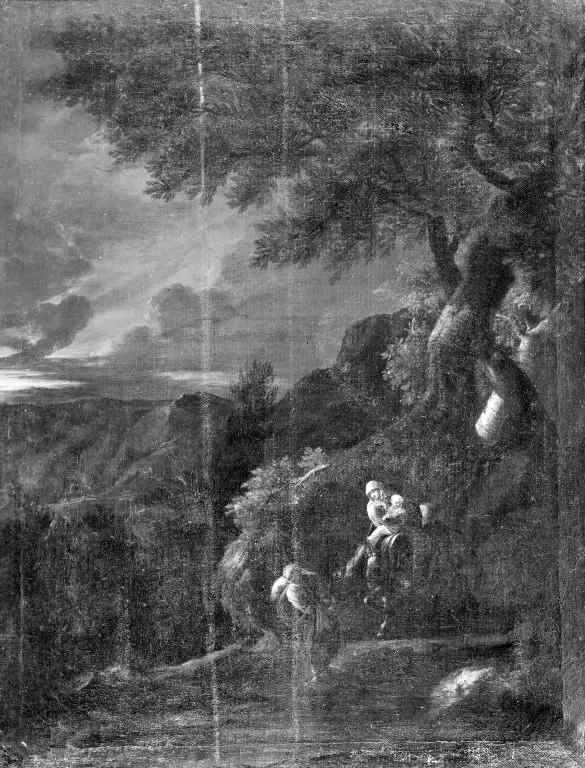
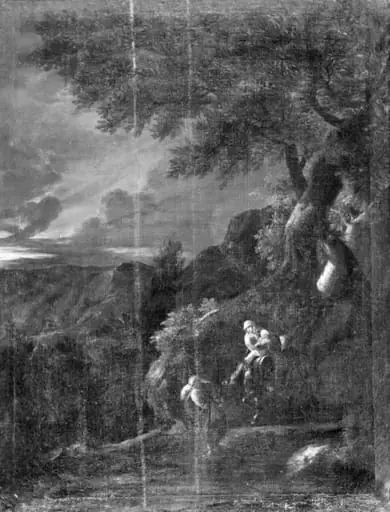
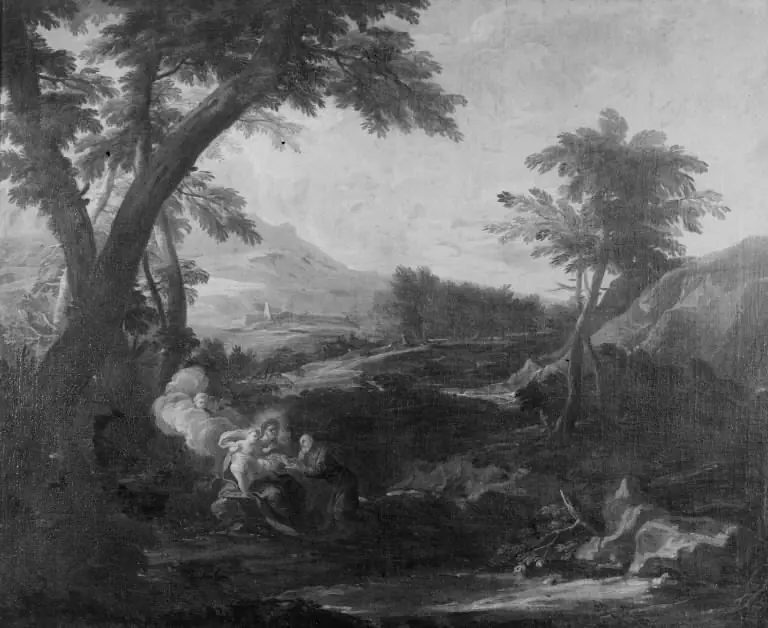
The Flight into Egypt is an oil painting by the Rococo painting artist Christoph Ludwig Agricola. It dates from 1700 and is held in the collection of the Statens Museum for Kunst.
About this work
Overview
Christoph Ludwig Agricola, a German painter active at the turn of the 18th century, produced an oil on canvas titled *The Flight into Egypt* in 1700. The work belongs to the collection of Denmark’s Statens Museum for Kunst and presents a biblical episode rendered in the light‑hearted Rococo idiom that characterized his later output.
Subject & Meaning
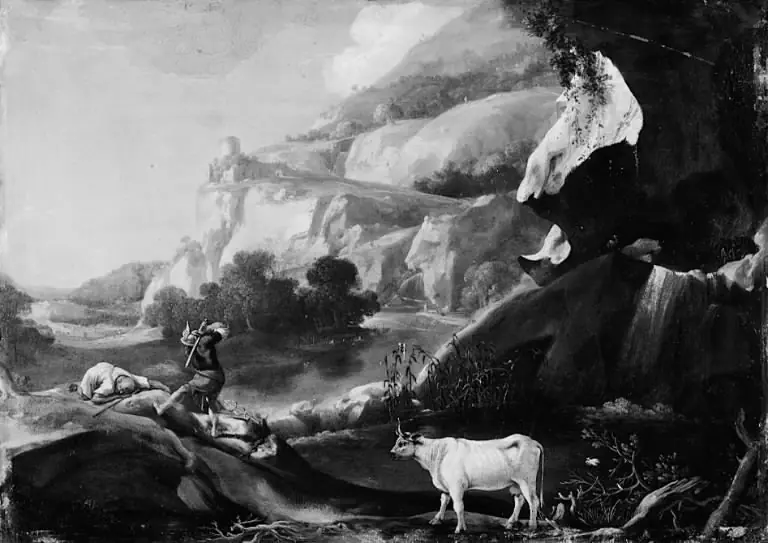
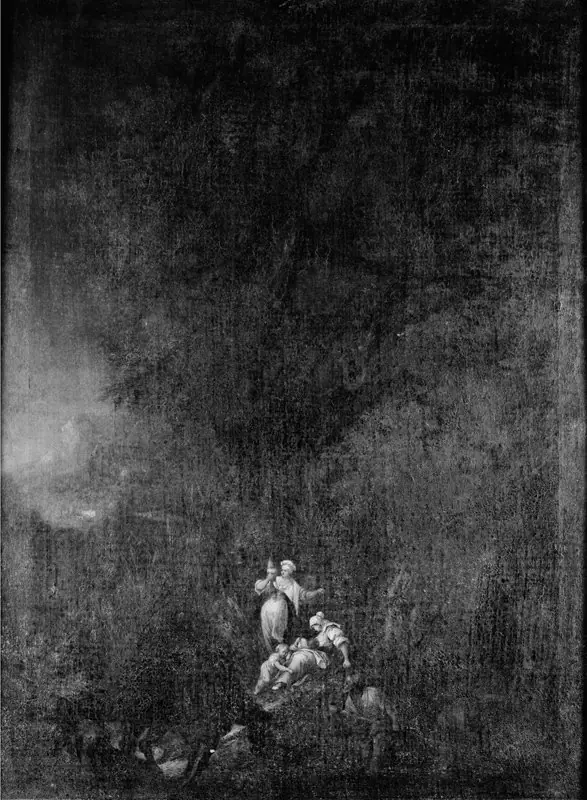
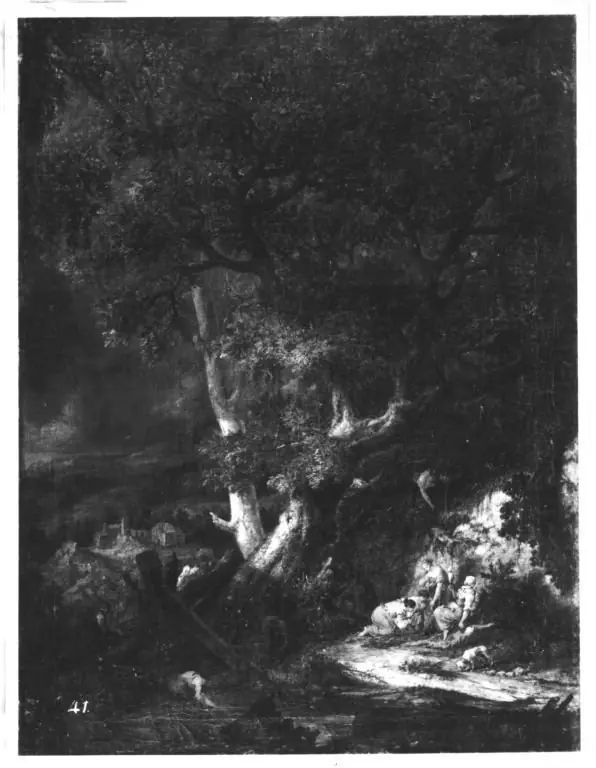
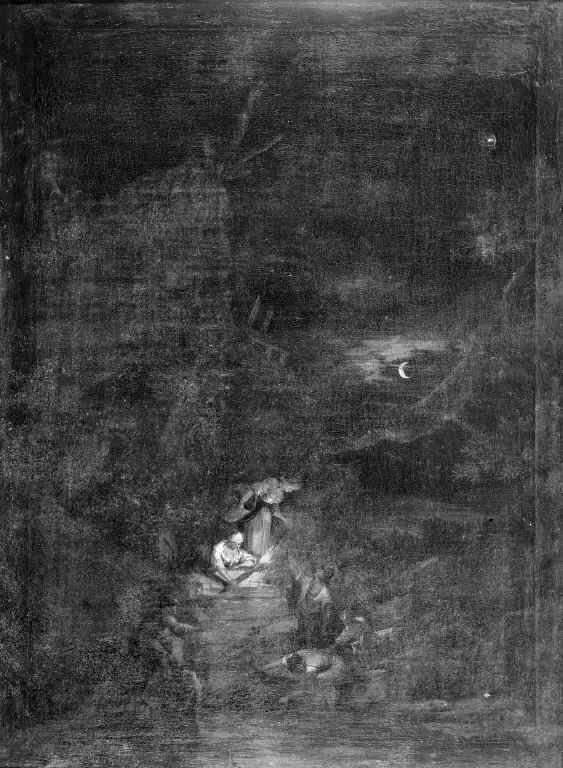
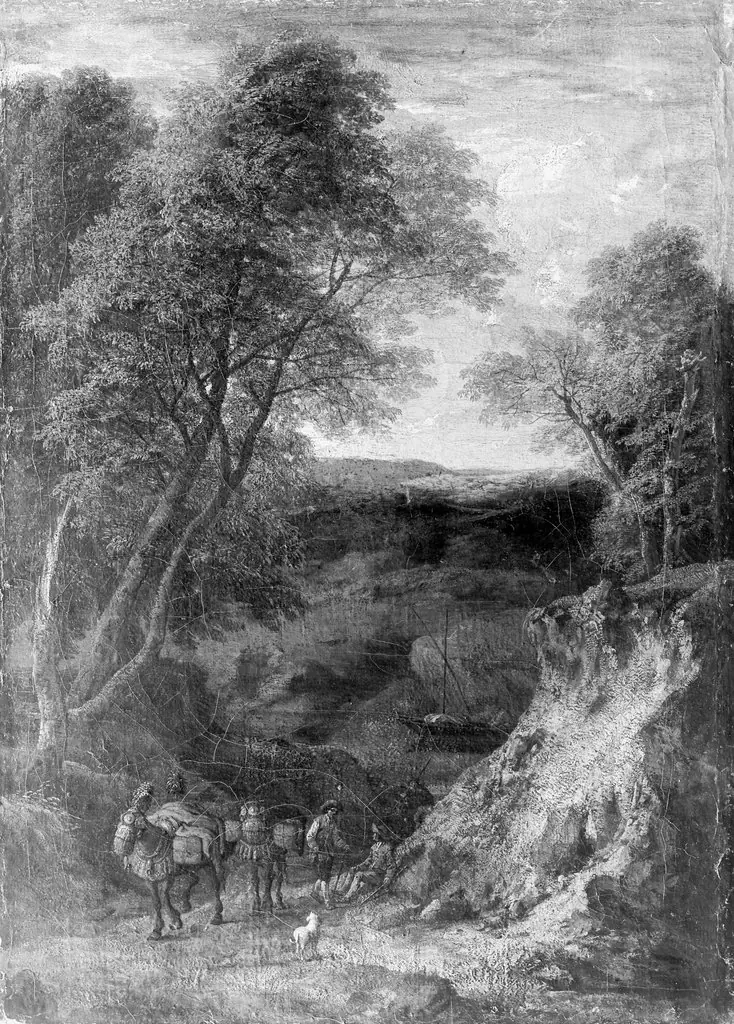
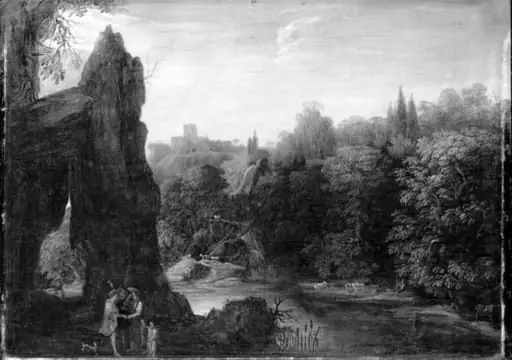
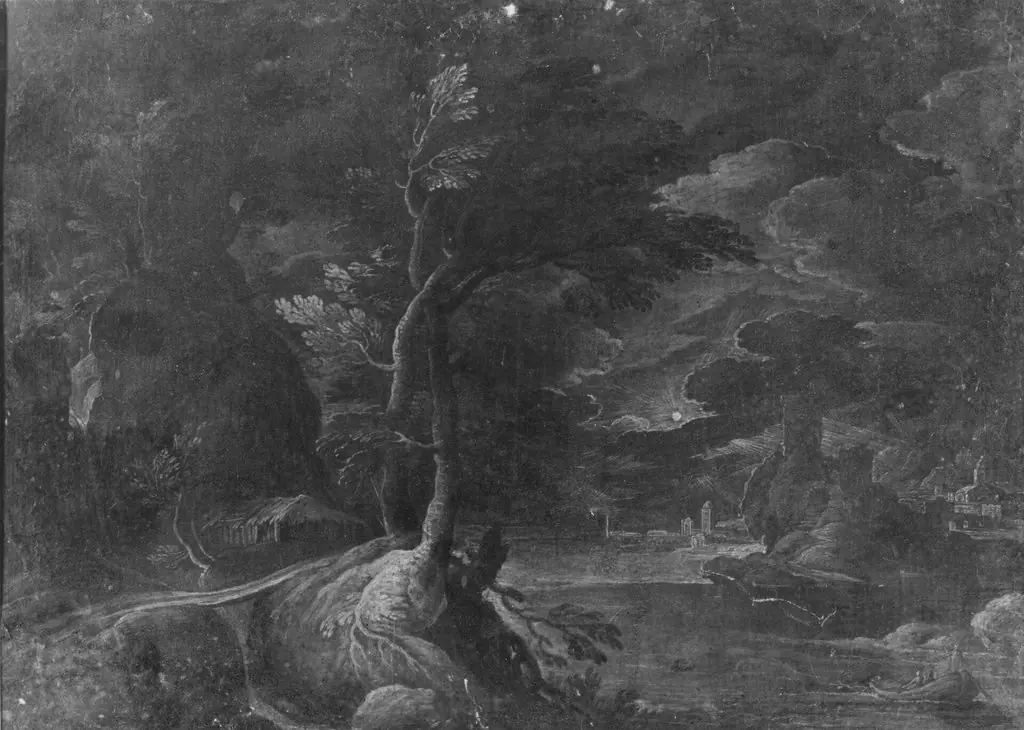
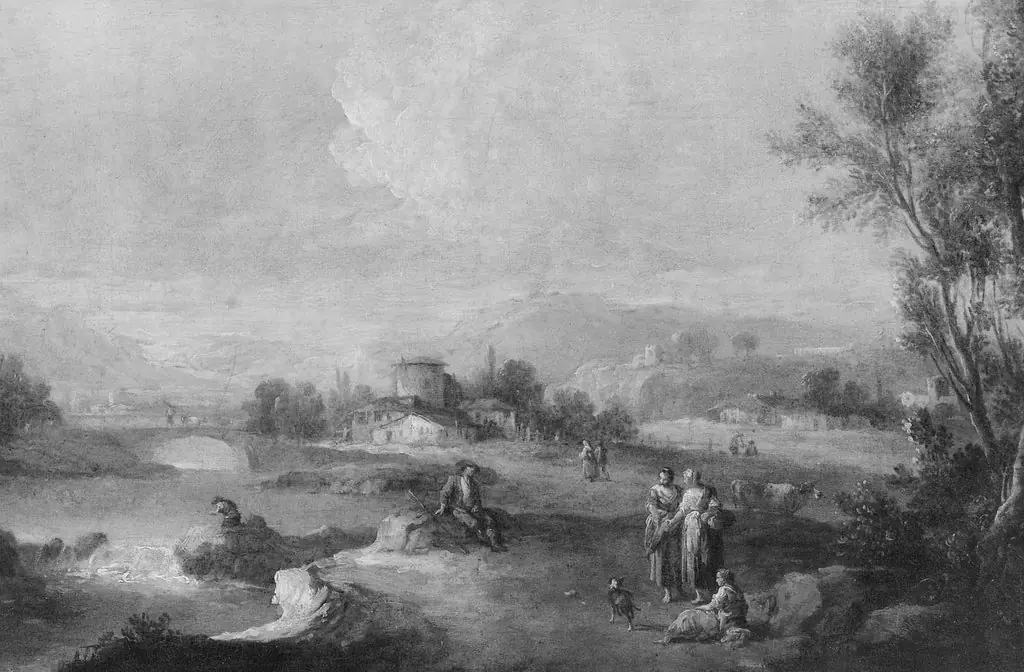
The composition portrays the Holy Family’s nocturnal escape, with Mary seated upon a donkey while cradling the infant Jesus. Their weary posture and the slow‑moving animal convey a sense of fatigue and divine urgency, underscoring the narrative’s themes of refuge and perseverance amid hardship.
Technique & Style
Agricola employs a pronounced chiaroscuro, juxtaposing deep shadows against illuminated forms to give the figures a three‑dimensional presence against the rugged terrain. The sky is rendered in somber tones, while a break of light on the horizon introduces a subtle, hopeful glow that guides the viewer’s eye toward the central figures.
History & Provenance
Created in the early 1700s, the painting entered the Statens Museum for Kunst’s holdings during the 20th century, though the precise acquisition path remains undocumented. Its presence in a national collection reflects the museum’s interest in representing German Rococo landscape painting within a broader European context.
Context
Agricola, known primarily for his landscapes and etchings, applied his expertise in rendering natural settings to a religious narrative, a practice common among Rococo artists who blended devotional subjects with pastoral scenery. The work exemplifies the period’s tendency to soften biblical drama through gentle, idyllic surroundings.
Artist & collection
Artist
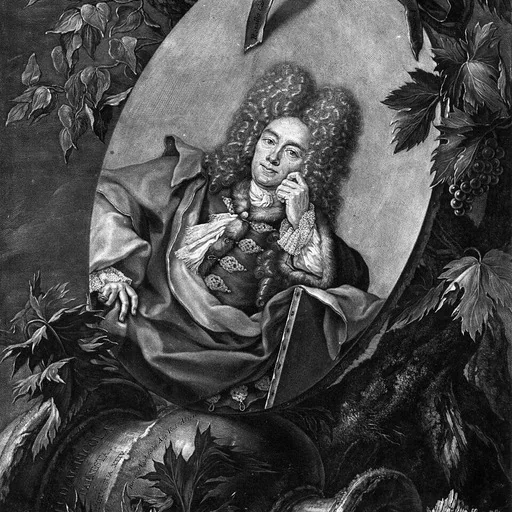
Christoph Ludwig Agricola (5 November 1665 – 8 August 1724) was a German landscape painter and etcher. He was born and died in Regensburg (Ratisbon).