Artwork
Soția unui general englez ; pandant: Un general englez
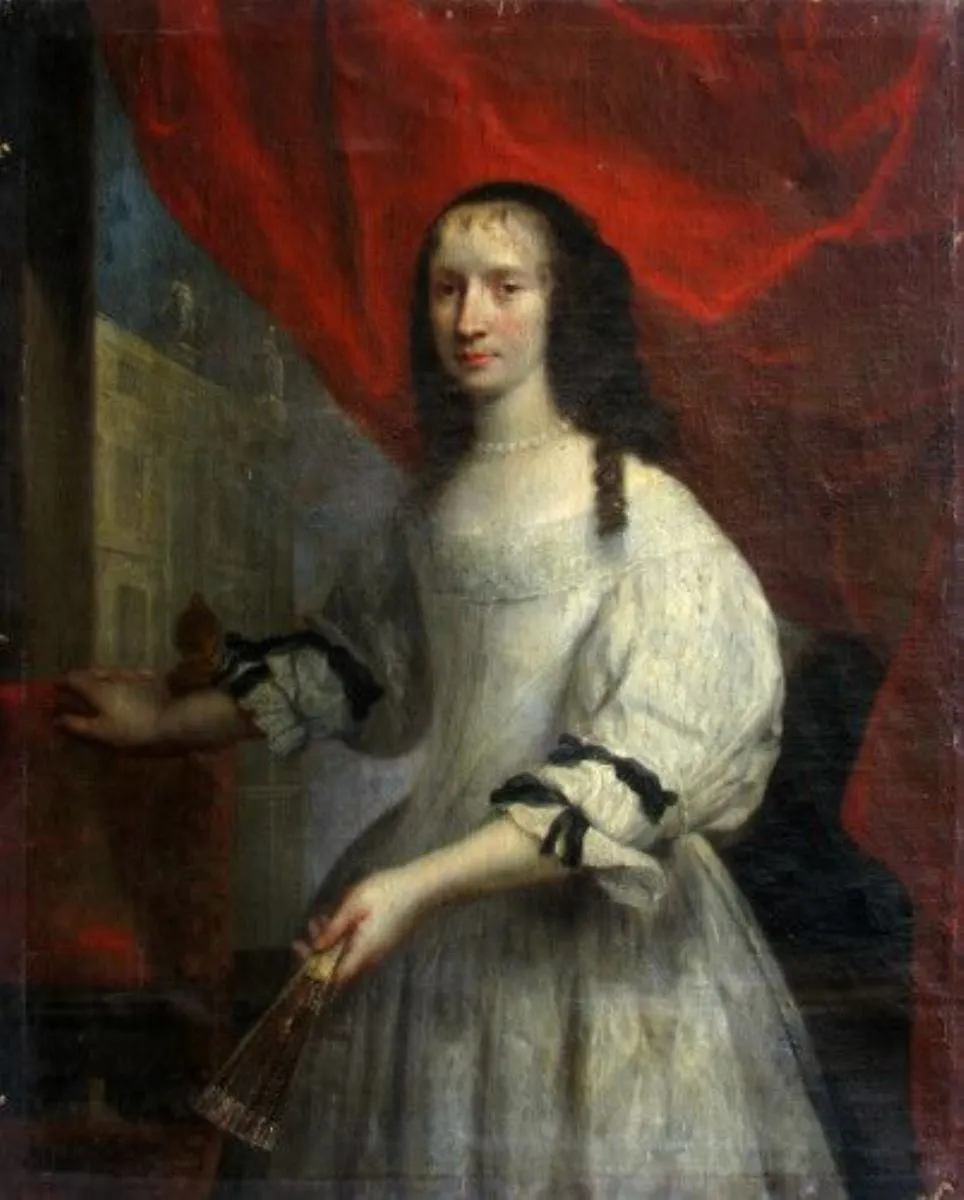
Soția unui general englez ; pandant: Un general englez is an unspecified painting by the Baroque artist Joachim Sandrart cel Bătrân. It is held in the collection of the Brukenthal National Museum. The work depicts a woman dressed in a white gown with delicate lace cuffs and a dark ribbon tied around her wrist.
About this work
Overview
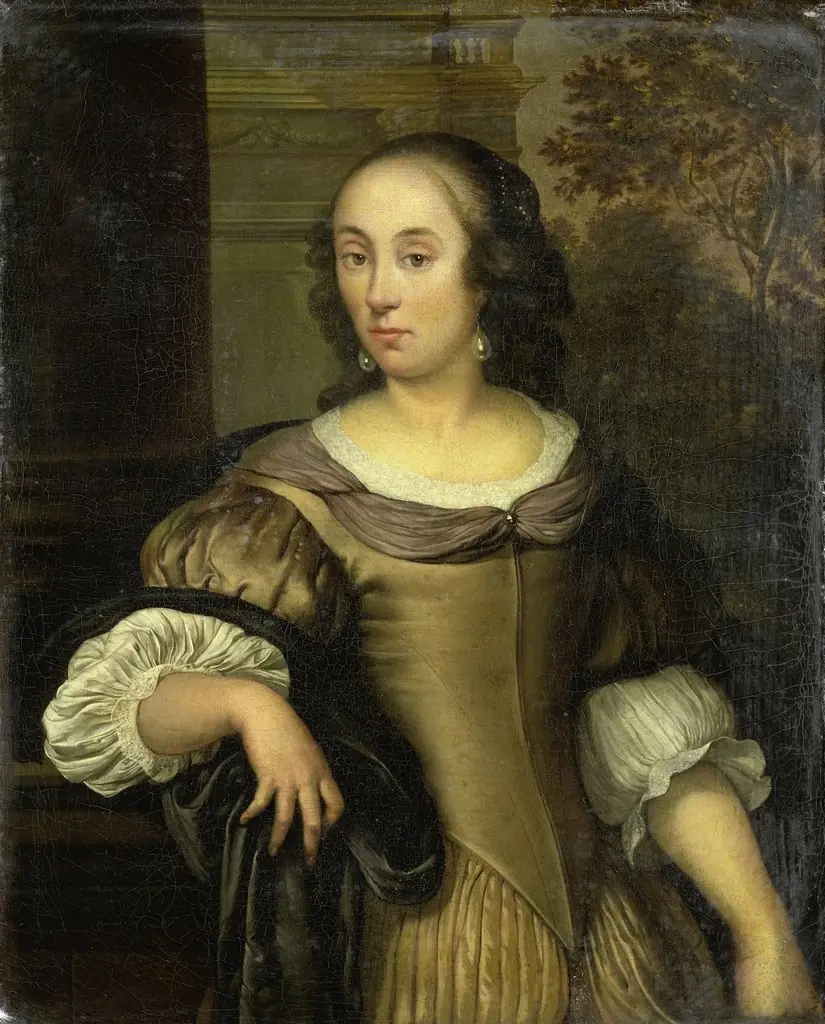
The work depicts a woman dressed in a white gown with delicate lace cuffs and a dark ribbon tied around her wrist. She holds a fan in one hand and a small object that appears to be a paper or book in the other, set before a deep red backdrop. Her hair is styled back, and she gazes directly forward with a composed expression.
Subject & Meaning
The figure is presented as the spouse of an English general, suggested by the title, though no explicit symbols of military affiliation appear. The fan and the book‑like object may allude to genteel leisure and literacy, reinforcing her status within a cultured, possibly aristocratic, domestic sphere.
Technique & Style
The artist employs a stark contrast between the luminous white of the dress and the dark, almost velvety red background, a chiaroscuro effect that accentuates the sitter’s facial features. Visible brushwork on the fabric and skin hints at a hand‑crafted approach typical of portraiture in the late eighteenth to early nineteenth century.
History & Provenance
The painting is catalogued under the title "Soția unui general englez; pandant: Un general englez," indicating it may have been part of a companion pair portraying a married couple. No further details about its creation date, artist, or ownership trail are provided in the source material.
Context
Portraits of military families were common in European art, serving both as personal commemoration and as visual affirmation of social rank. The use of a dark, saturated background aligns with contemporary trends that sought to isolate the subject and highlight their attire and demeanor.
Artist & collection
Artist
Joachim Sandrart painted people exactly as they wanted to be seen—no flattery, no fuss.

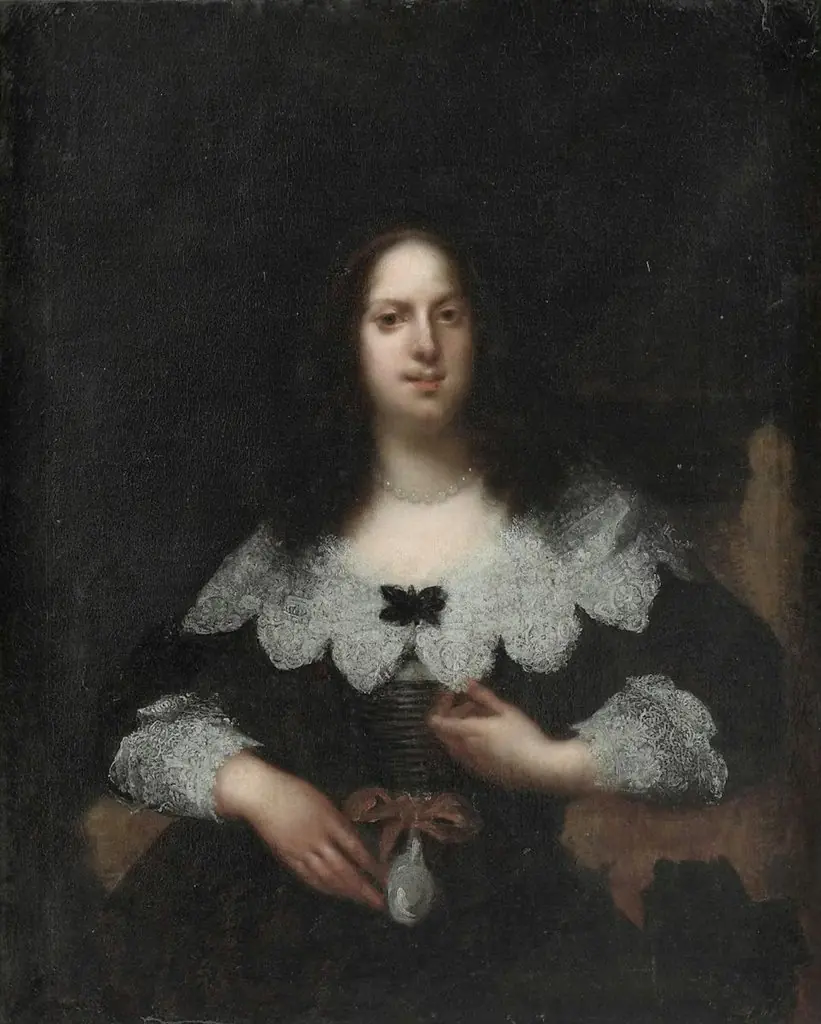 Portrait of Vittoria della Rovere
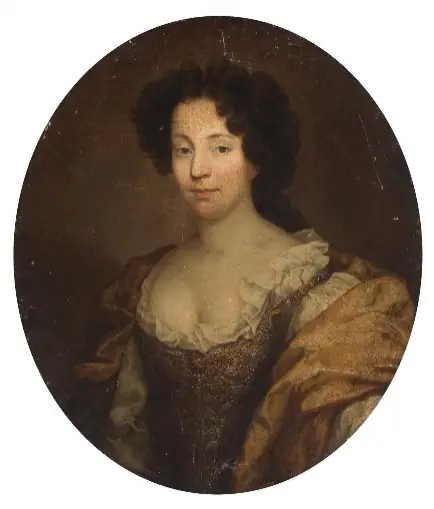 Portrait of a Lady
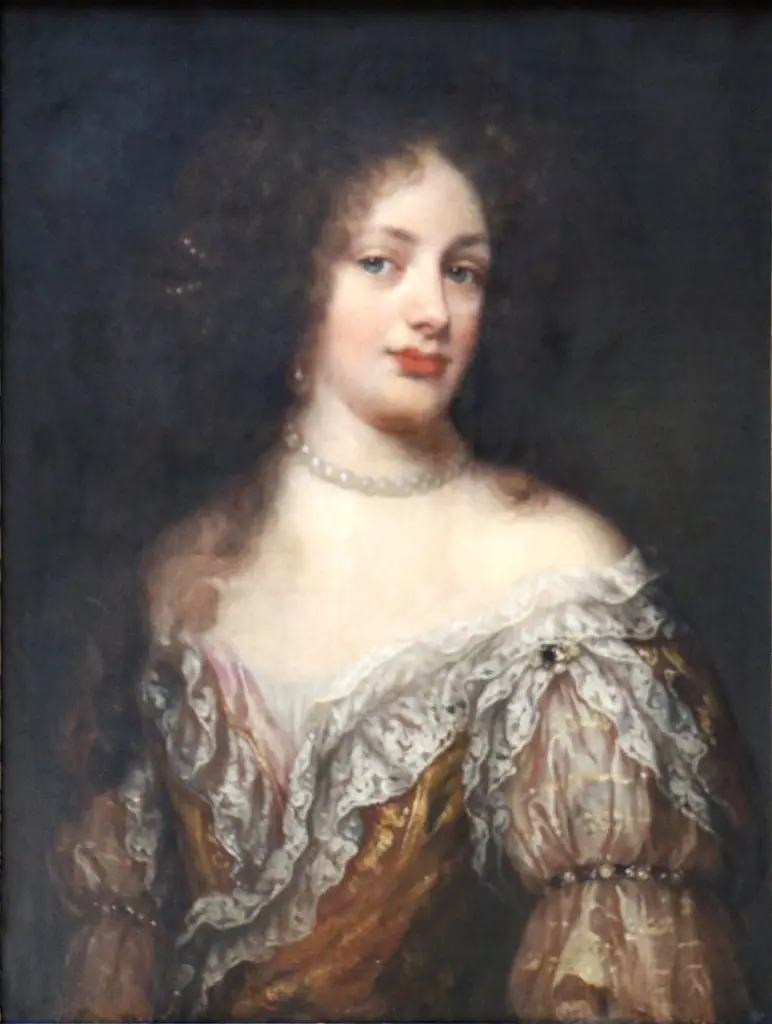 Portrait of a lady
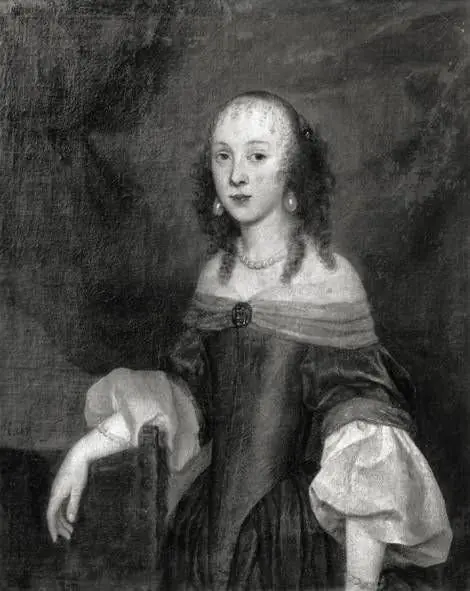 Unbekannte Dame
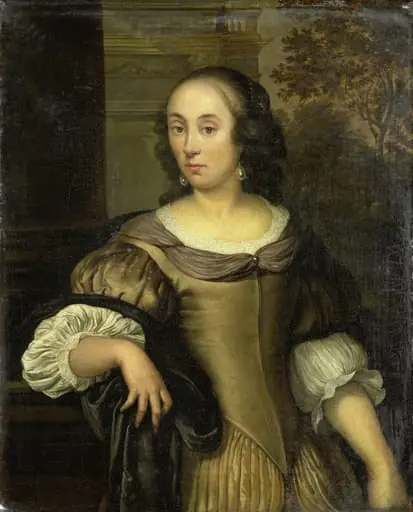 Portrait of a young woman
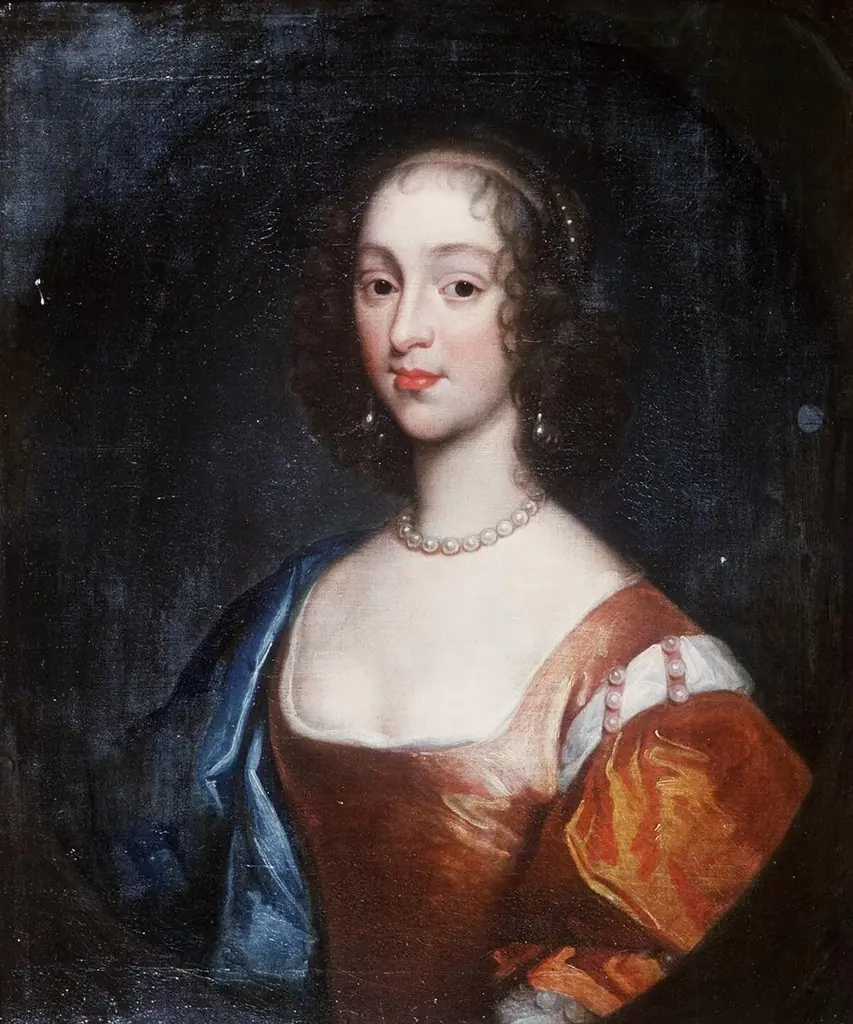 Wife of David Lloyd
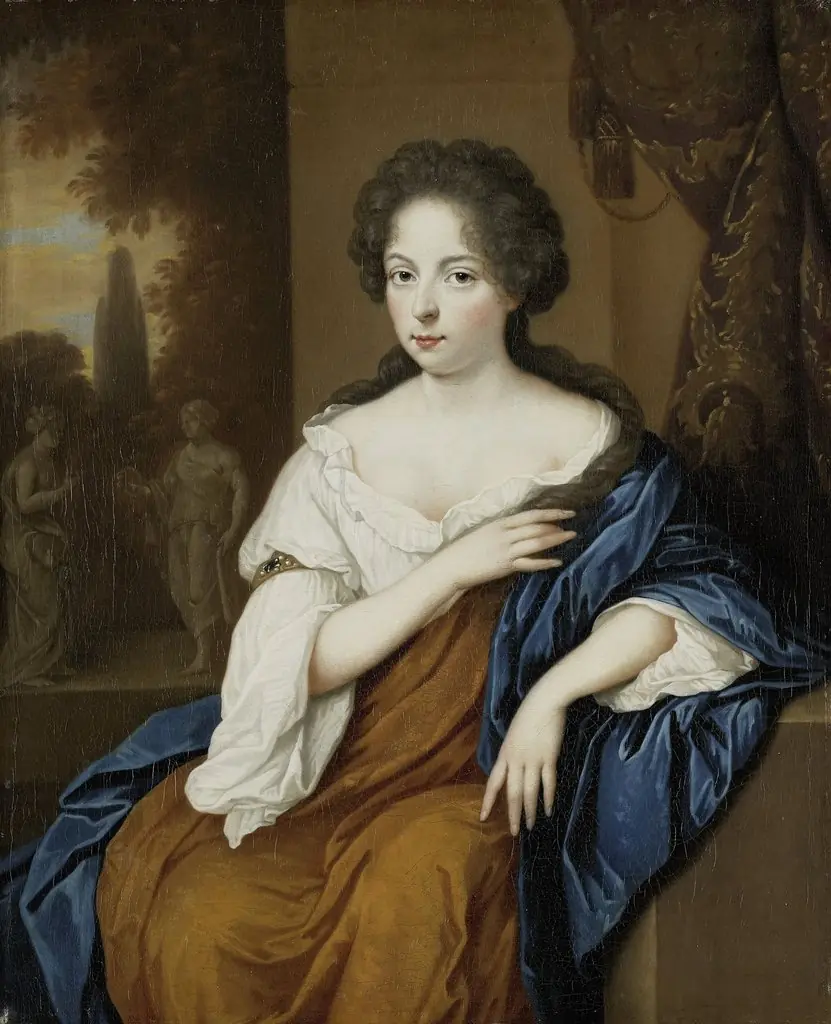 Portrait of a Woman
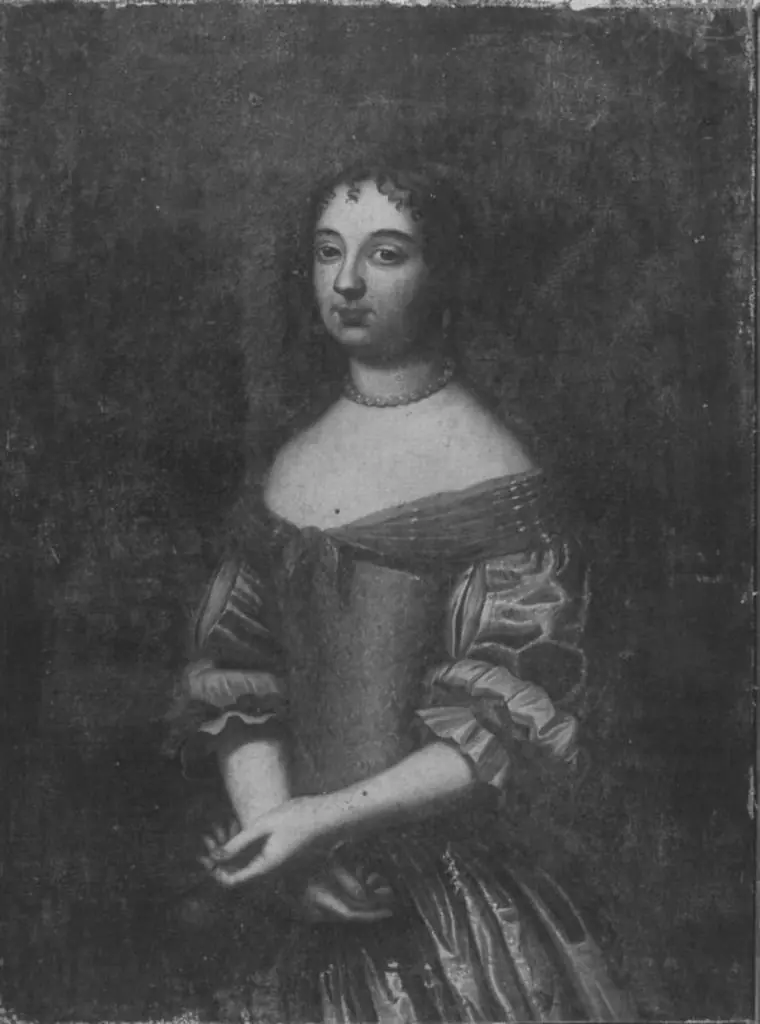 Hedwig Eleonore, Tochter des Herzogs Friedrich von Holstein-Gotdorp (?)
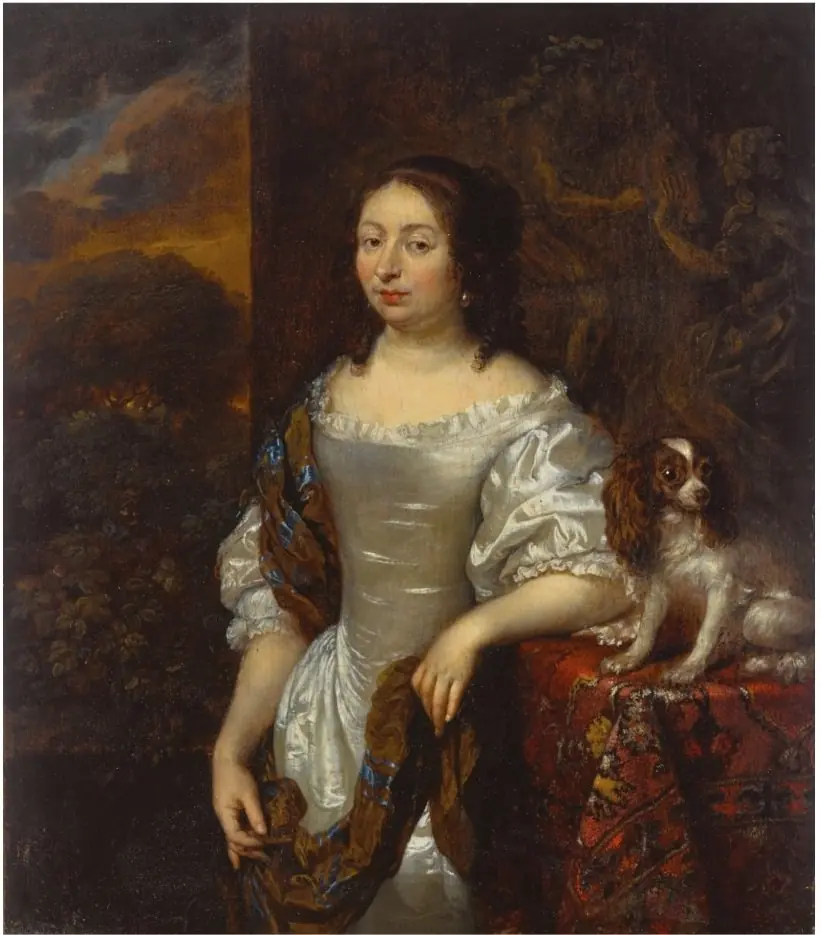 Portrait of a Lady with a Dog on a Table
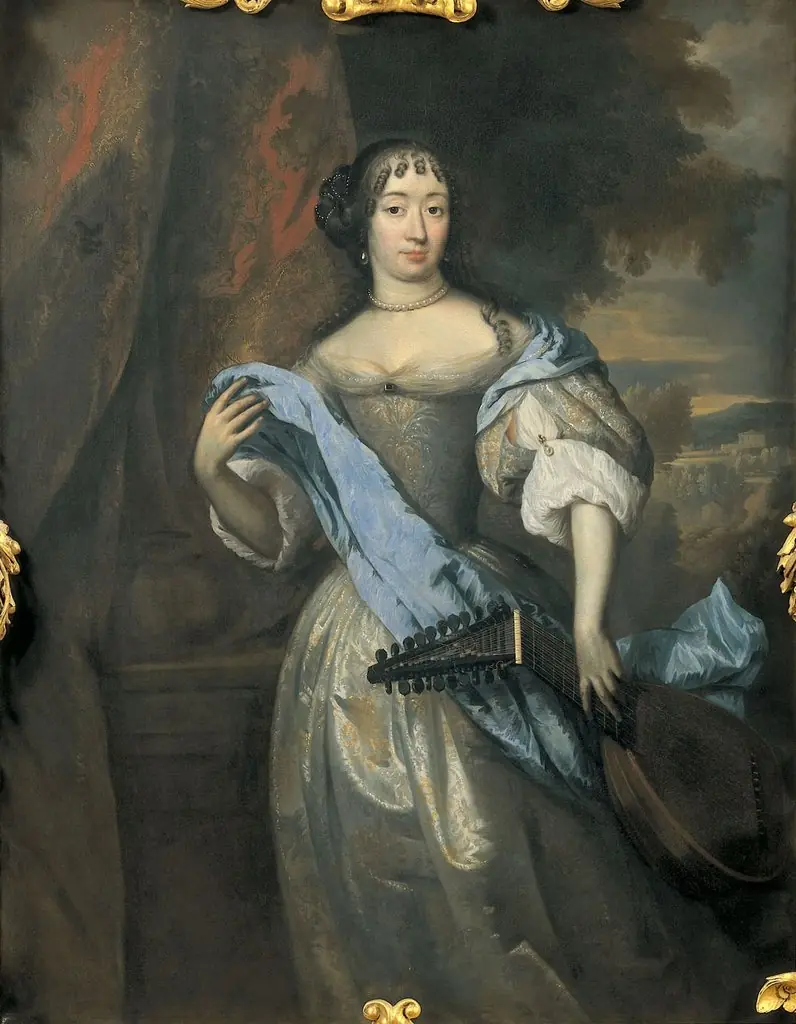 Johanna le Gillon, Wife of Hieronymus van Beverningk
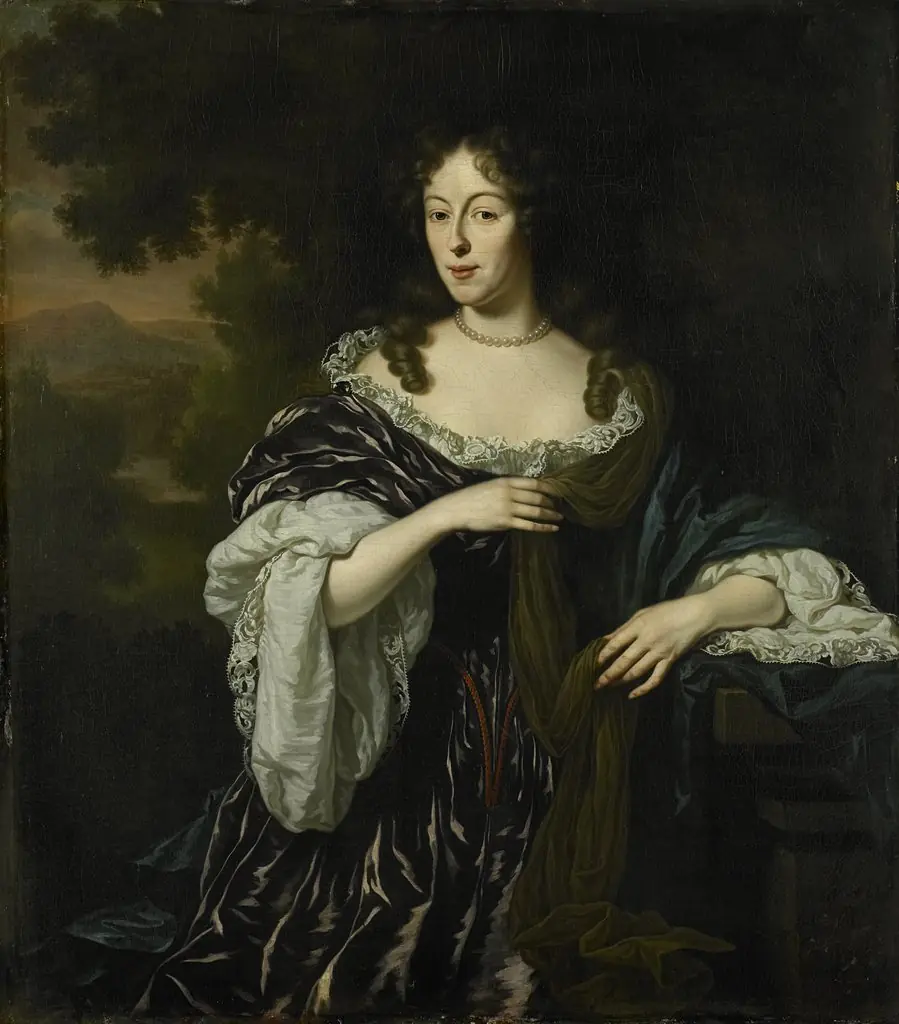 Portrait of Maria Schaep (1658-1725), wife of Hendrick Bicker
 Portrait of a young woman