Artwork
Johanna le Gillon, Wife of Hieronymus van Beverningk
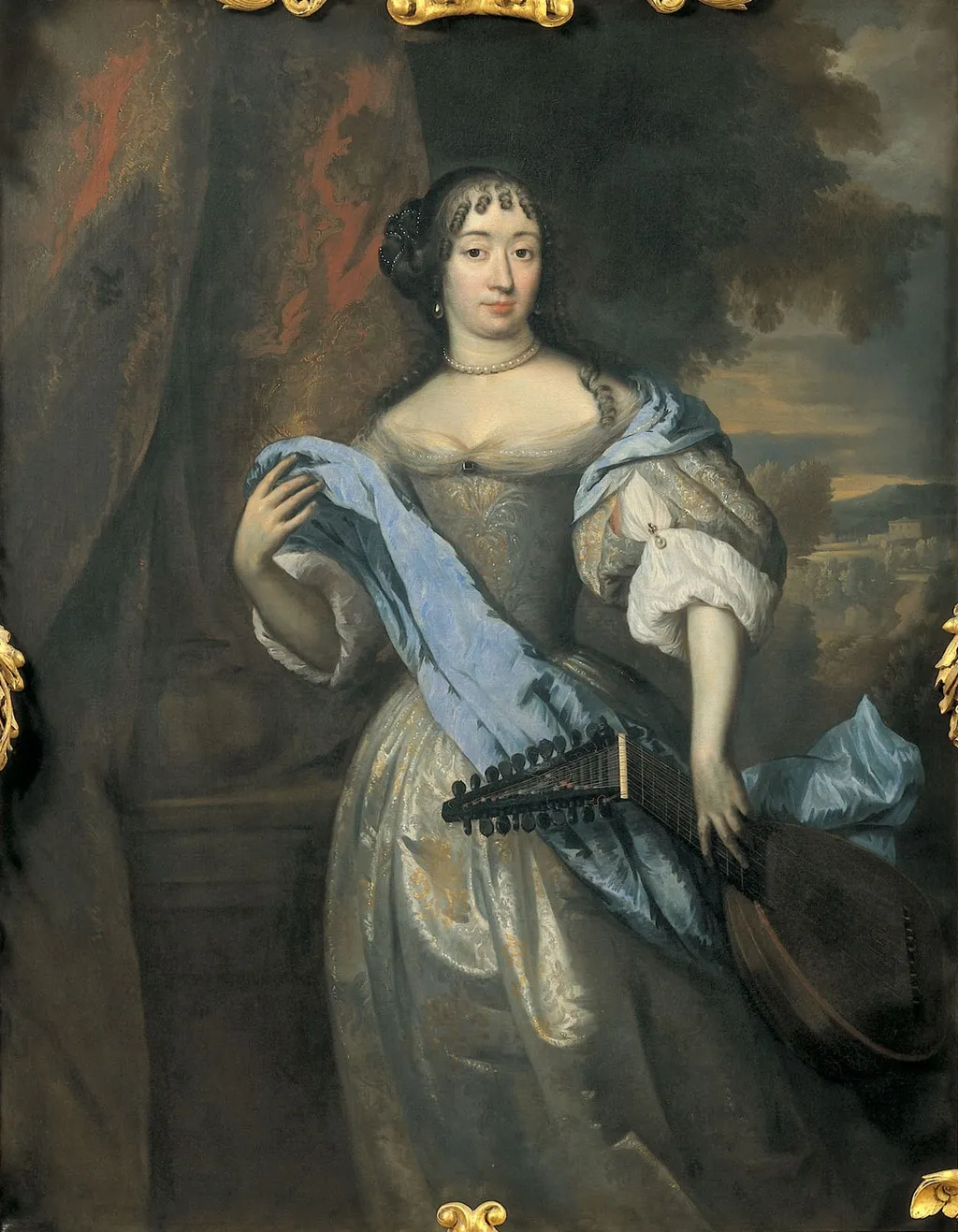
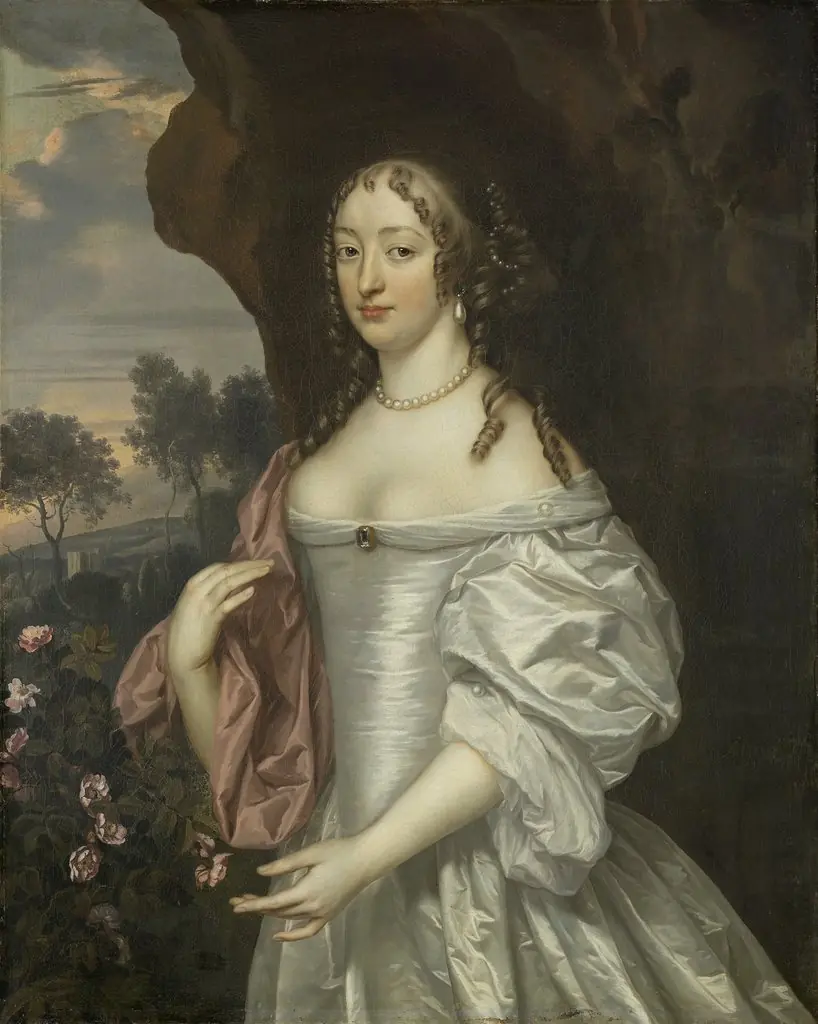
Johanna le Gillon, Wife of Hieronymus van Beverningk is an oil painting by the Dutch Golden Age artist Jan de Baen. It dates from 1670 and is held in the collection of the Rijksmuseum.
About this work
Overview
Johanna le Gillon, Wife of Hieronymus van Beverningk is an oil painting created by Jan de Baen in the 1670s. The work is a portrait of Johanna le Gillon, depicted alongside her husband, within the artistic traditions of the Dutch Golden Age.
Subject & Meaning
The painting portrays Johanna le Gillon in a symbolic setting, holding a small lute, adorned in elaborate attire, and jewelry, conveying her social status. Her husband, Hieronymus van Beverningk, is also present in the scene.
Technique & Style
De Baen employs strong chiaroscuro, juxtaposing the brightly lit subject with a dark, curtained background that frames a blurred landscape, creating a pronounced contrast to draw focus to Johanna.
History & Provenance
Jan de Baen, a pupil of Jacob Adriaensz Backer, painted this work during his time in The Hague (1660-1702), after previously working for Charles II of England during the monarch's Dutch exile.
Context
This portrait reflects the Dutch Golden Age's emphasis on individual and familial status through detailed, symbolic portraiture, set against the broader backdrop of 17th-century Dutch artistic innovations.
Own this work as a print
Artist & collection
Artist
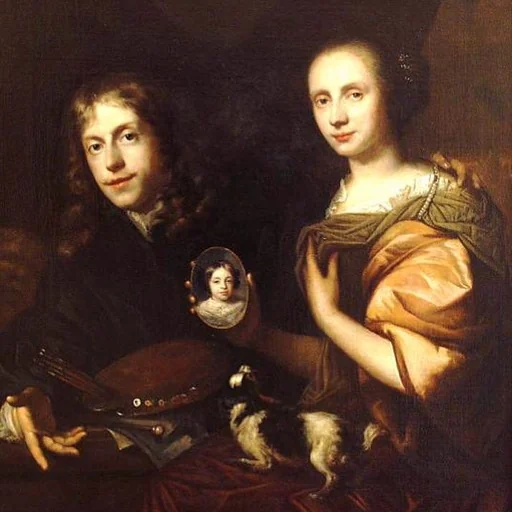
Jan de Baen (20 February 1633 – 1702) was a Dutch portrait painter who lived during the Dutch Golden Age.

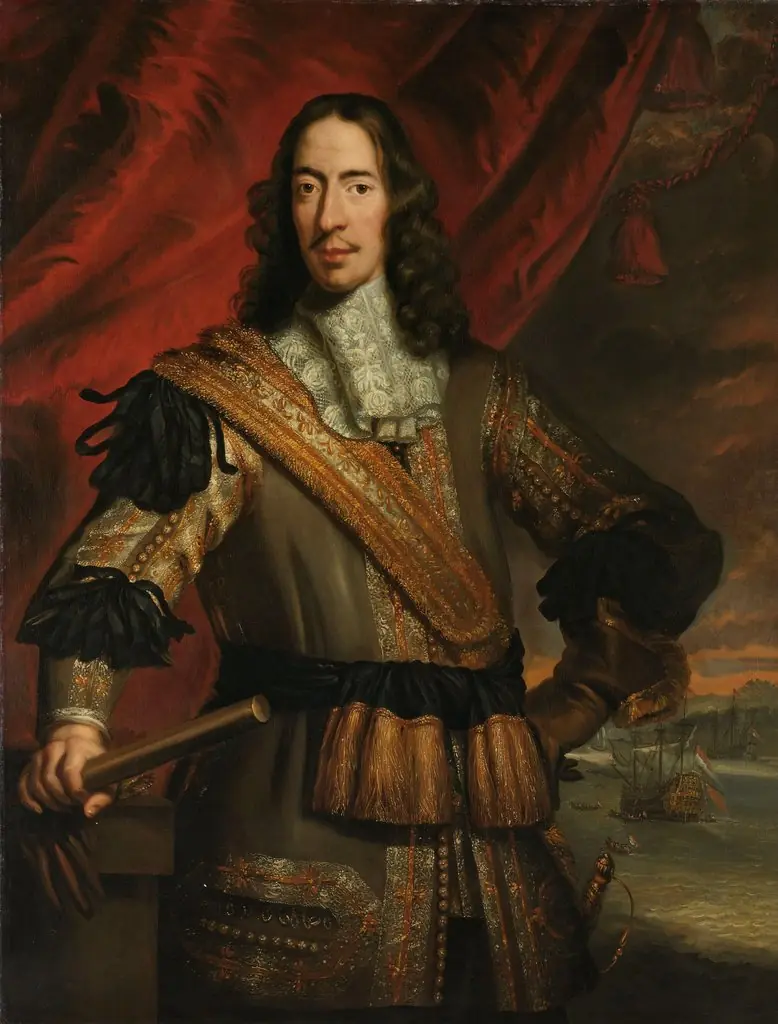 Portrait of Cornelis de Witt (1623-72), Burgomaster of Dordrecht and lord lieutenant of Putten
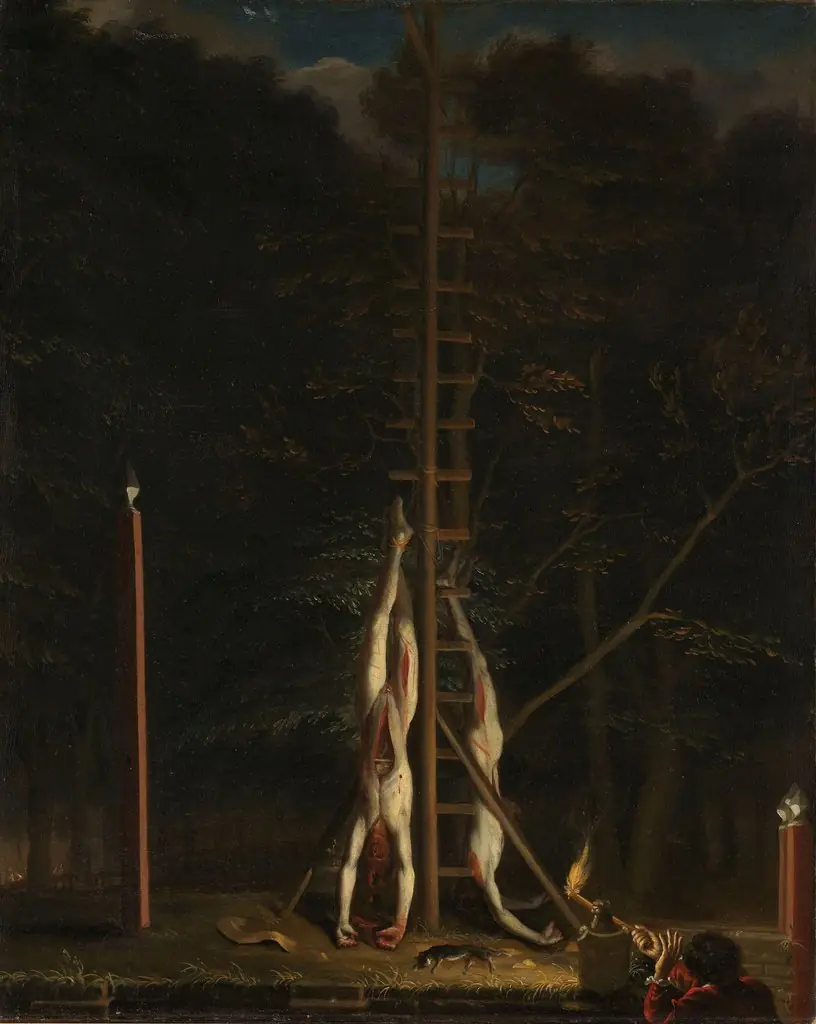 The Corpses of the De Witt Brothers
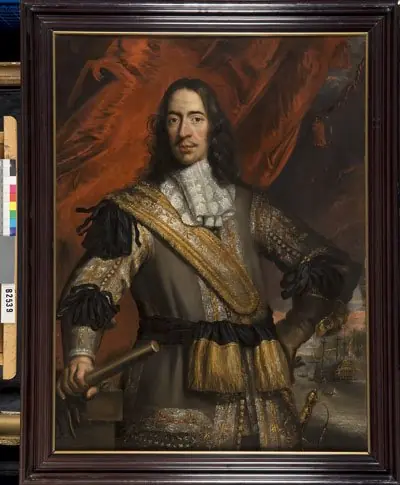 Portrait of Cornelis de Witt (1623-1672)
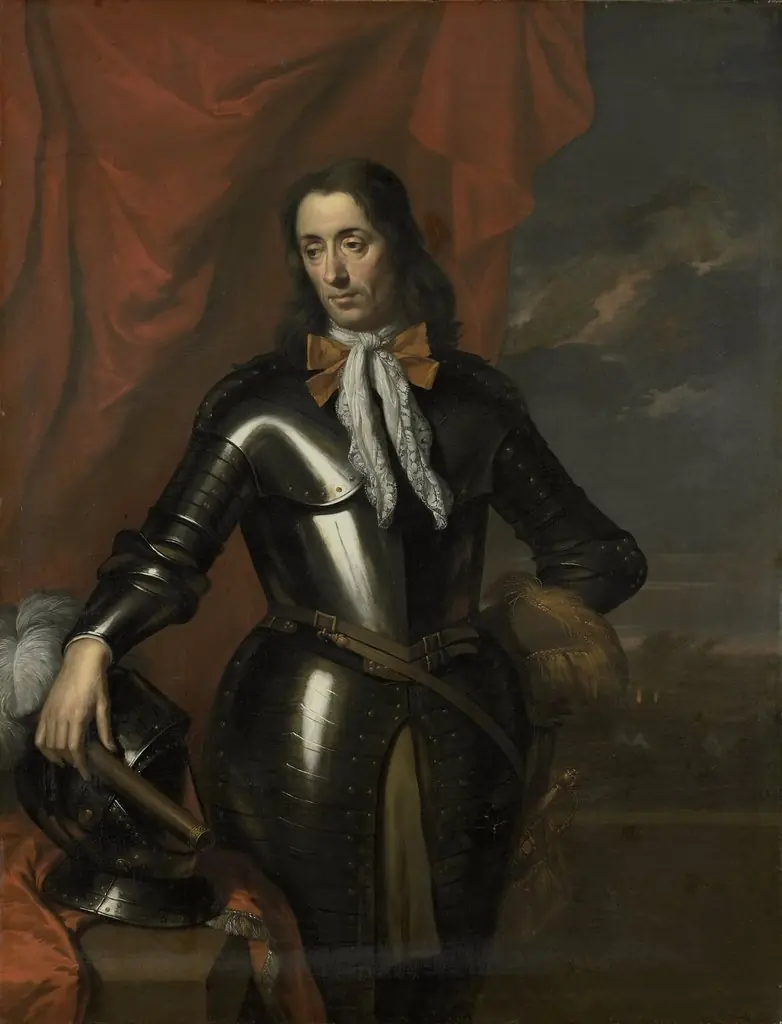 Portrait of Isaac de l'Ostal de Saint-Martin (ca 1629-96), governor of the Dutch East Indies and commander of the garrison at Batavia
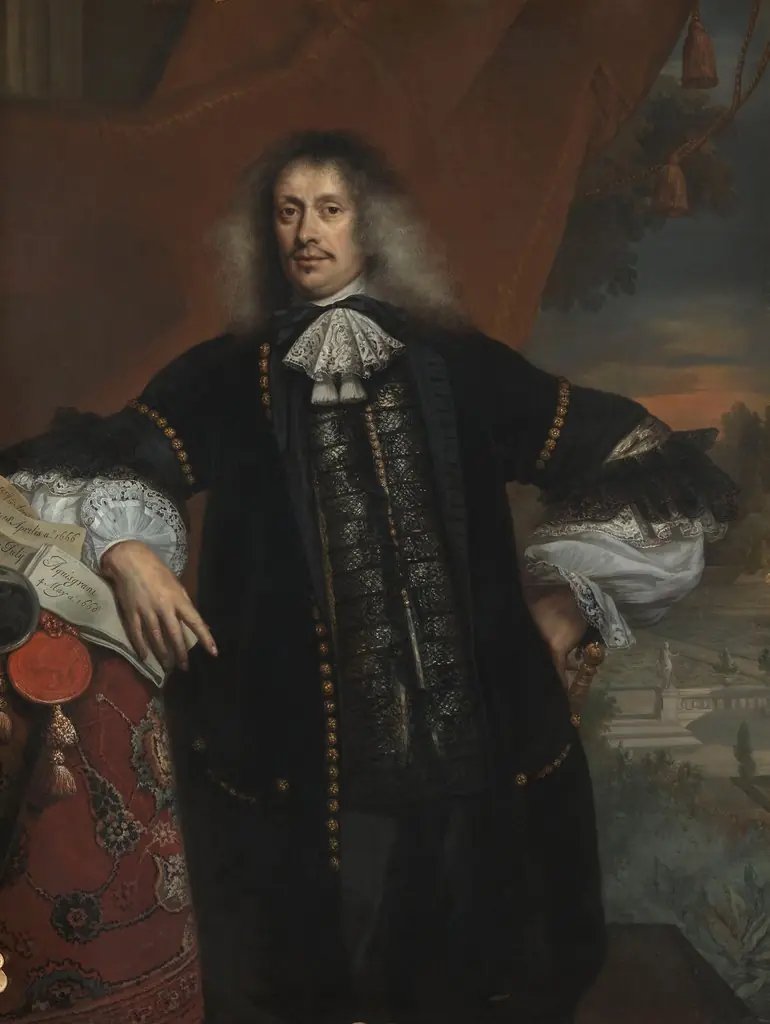 Hieronymus van Beverningk
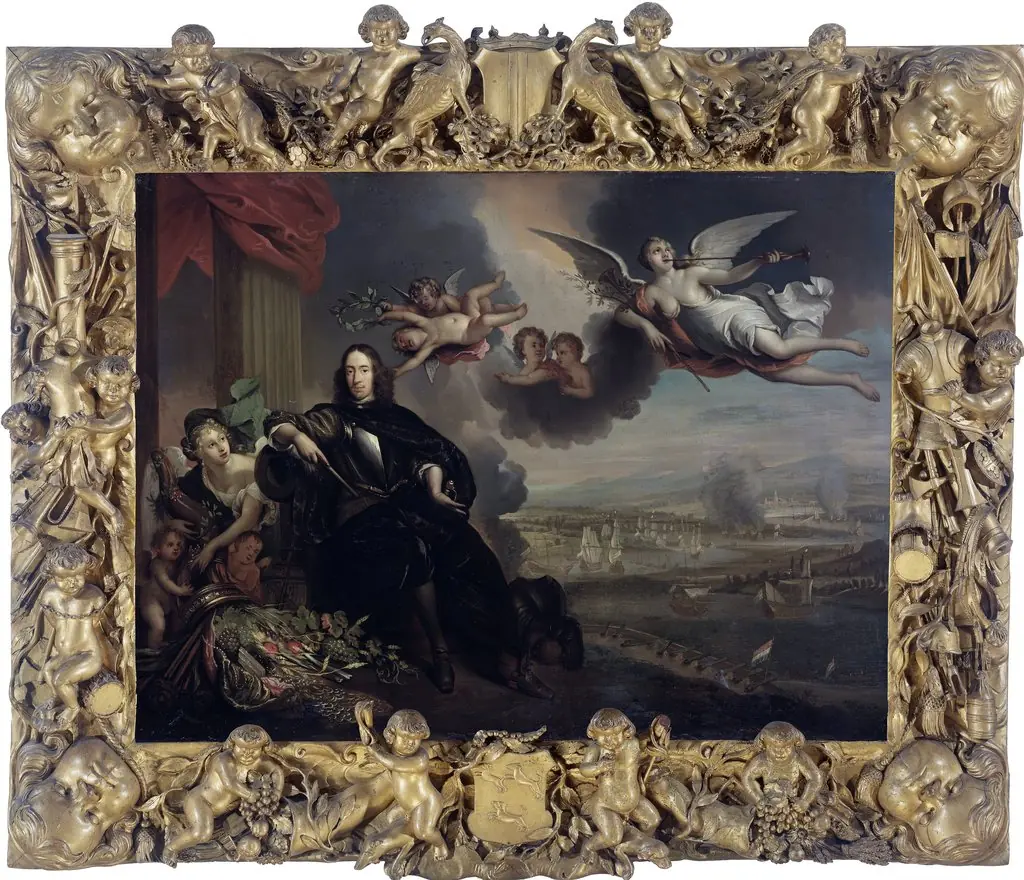 The apotheosis of Cornelis de Witt, with the raid on Chatham in the background
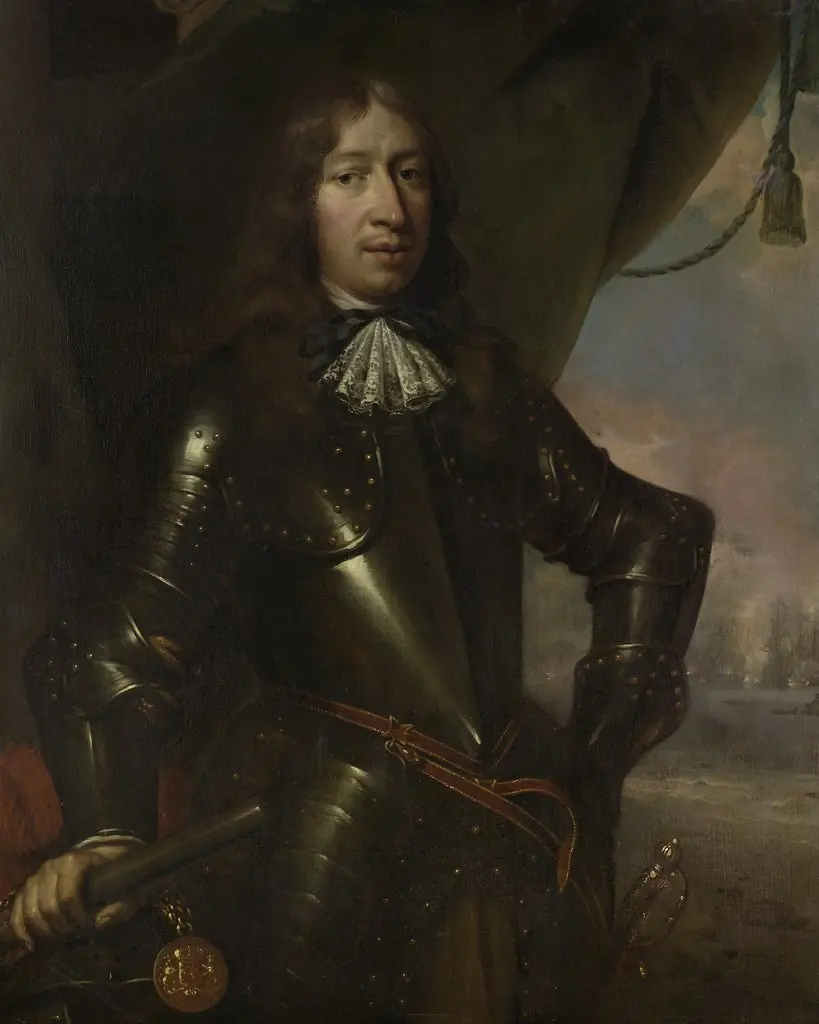 Portrait of Willem Joseph Baron van Ghent (1626-72), vice-admiral
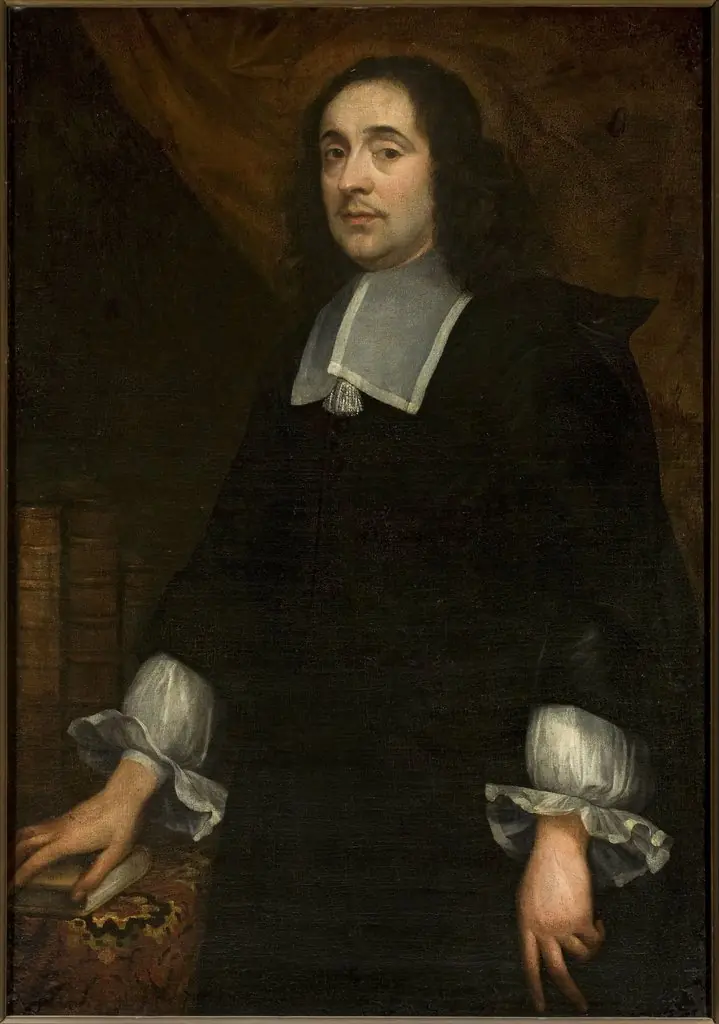 Portrait of a man at the table covered with a carpet
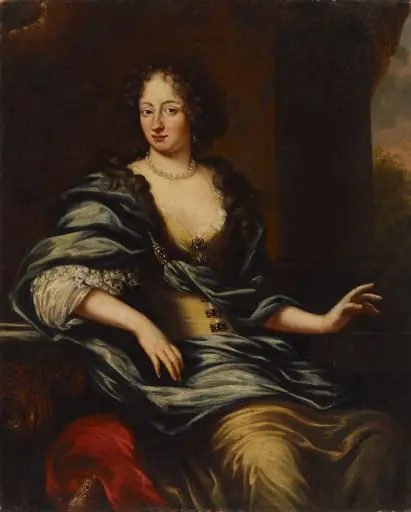 Kuningatar Ulrika Eleonora vanhempi
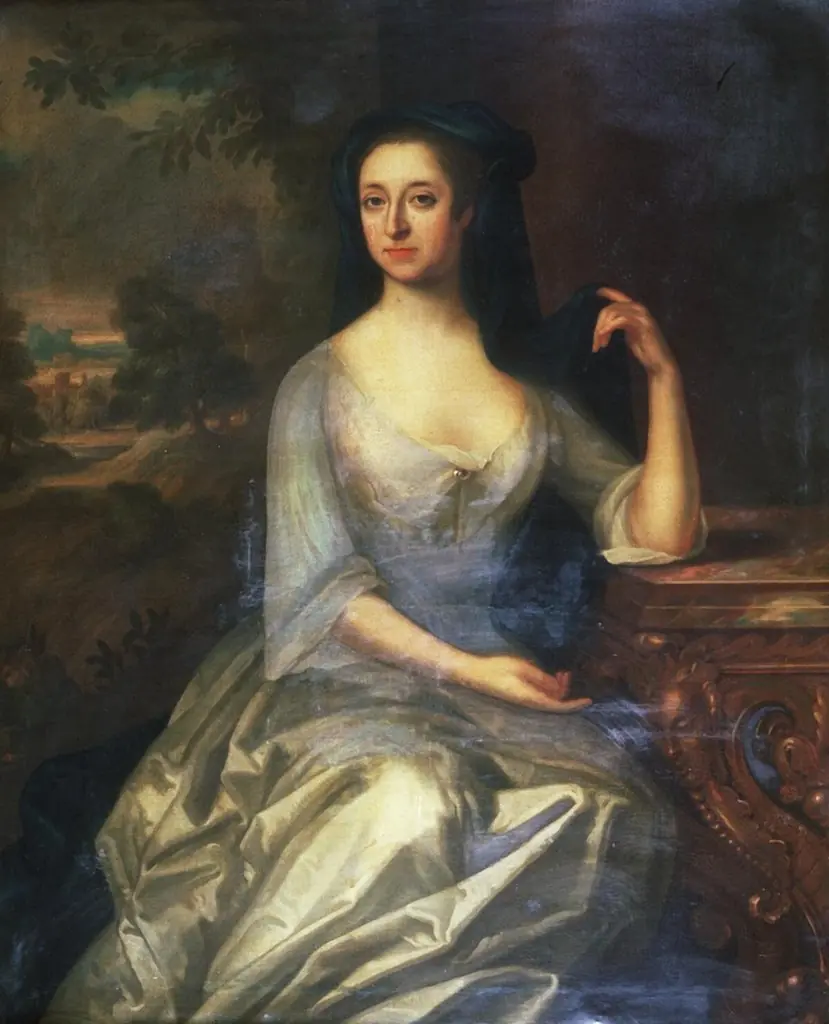 Mrs Edward Lloyd
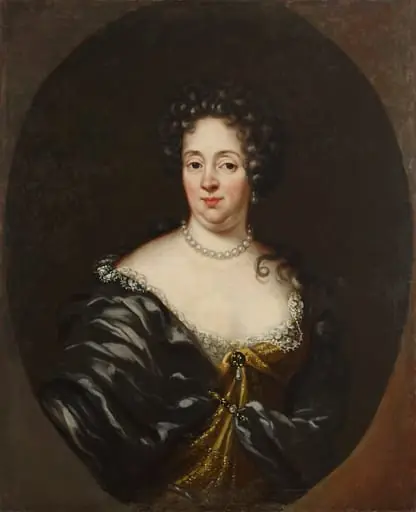 Jennings-suvun jäsen
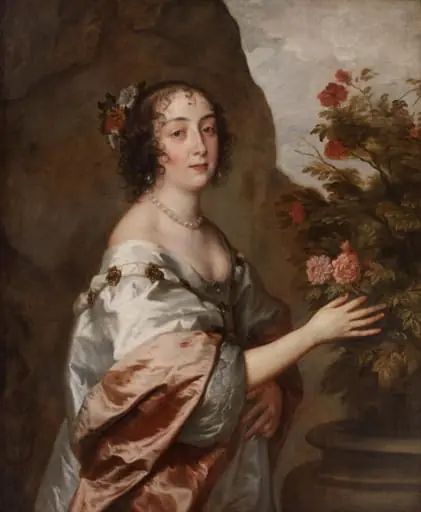 Portrait of a Lady
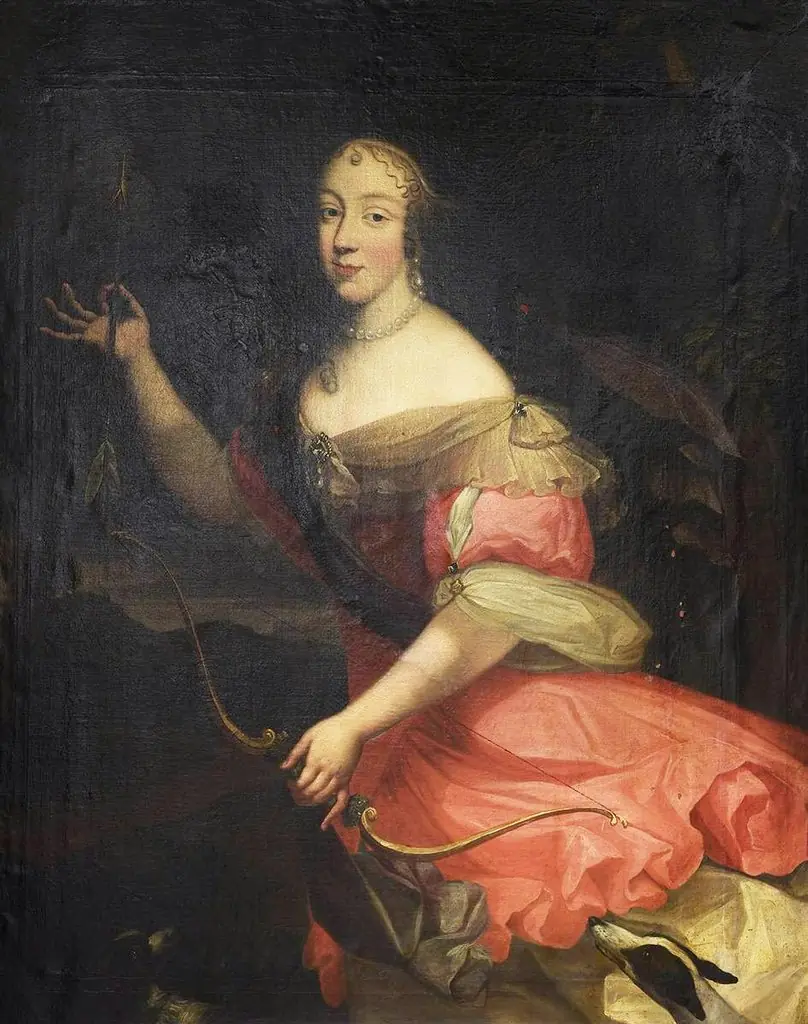 Bildnis einer Hofdame
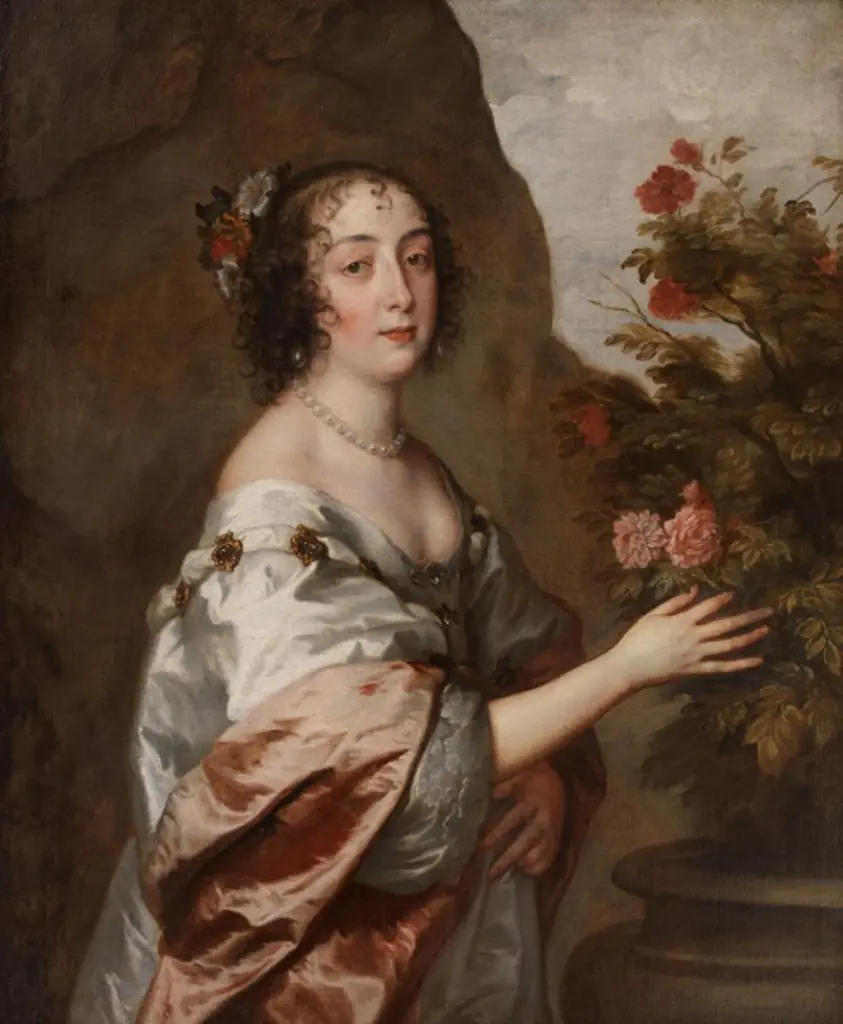 Portræt af en kvinde som Flora
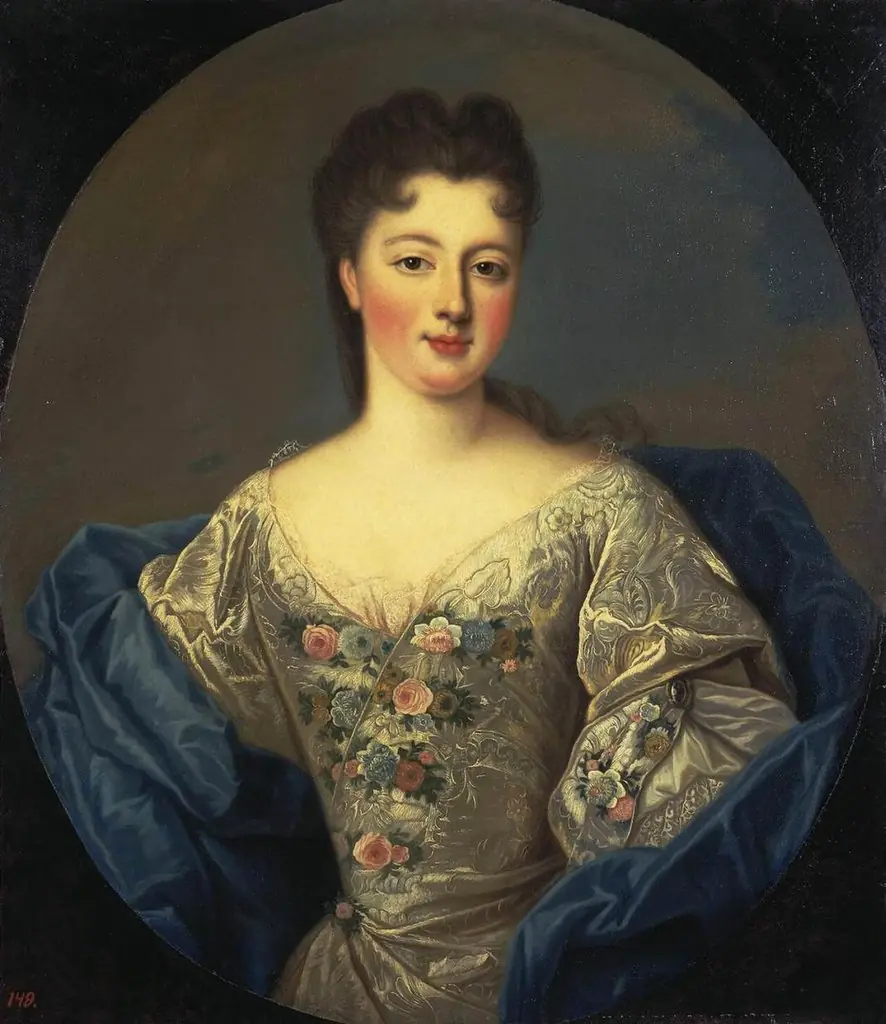 Portrait of Luiza Adelaida of Orleans
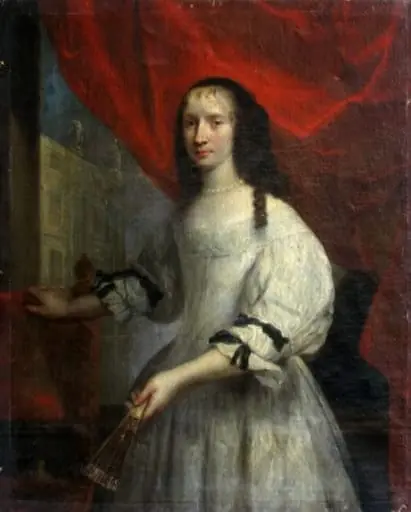 Soția unui general englez ; pandant: Un general englez
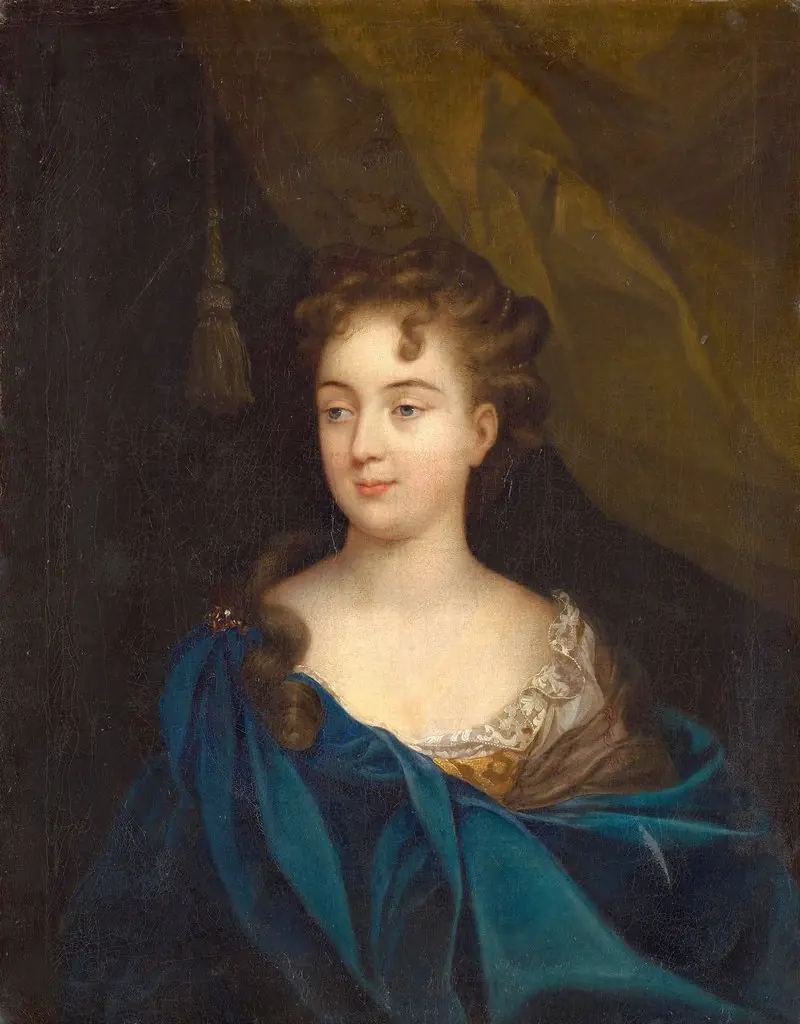 Maria Anna Christina, Dauphine von Frankreich (1660-1690) (Umkreis)
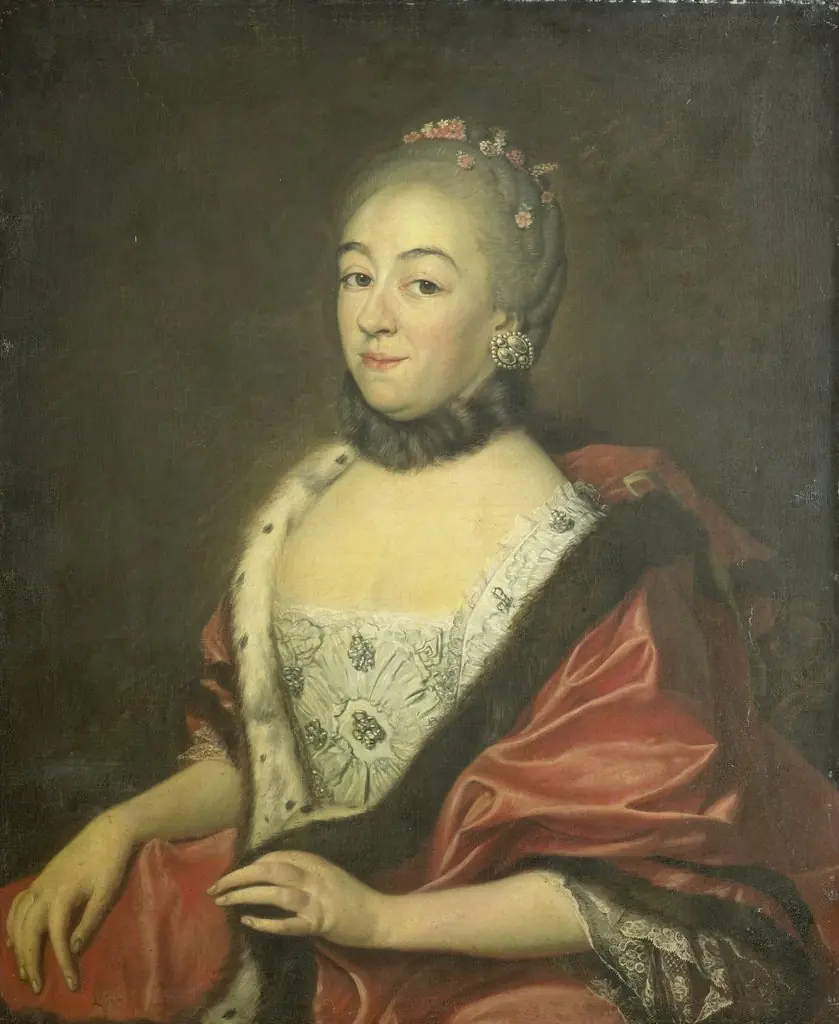 Sandrina van den Broecke, Wife of George Lodewijk Matthes
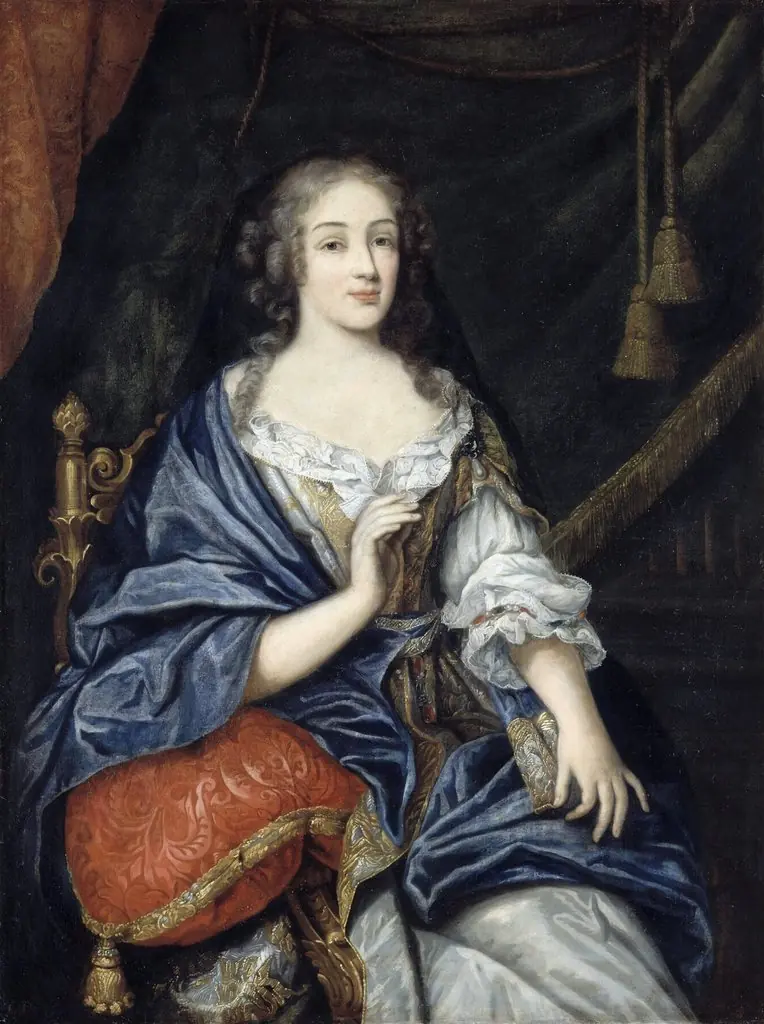 Louise de la Vallière, mistress of Louis XIV
 Jacoba van Orliens (1643-91). Wife of Jacob de Witte van Haamstede