Artwork
Portrait of a Man with a Medal of Cosimo the Elder
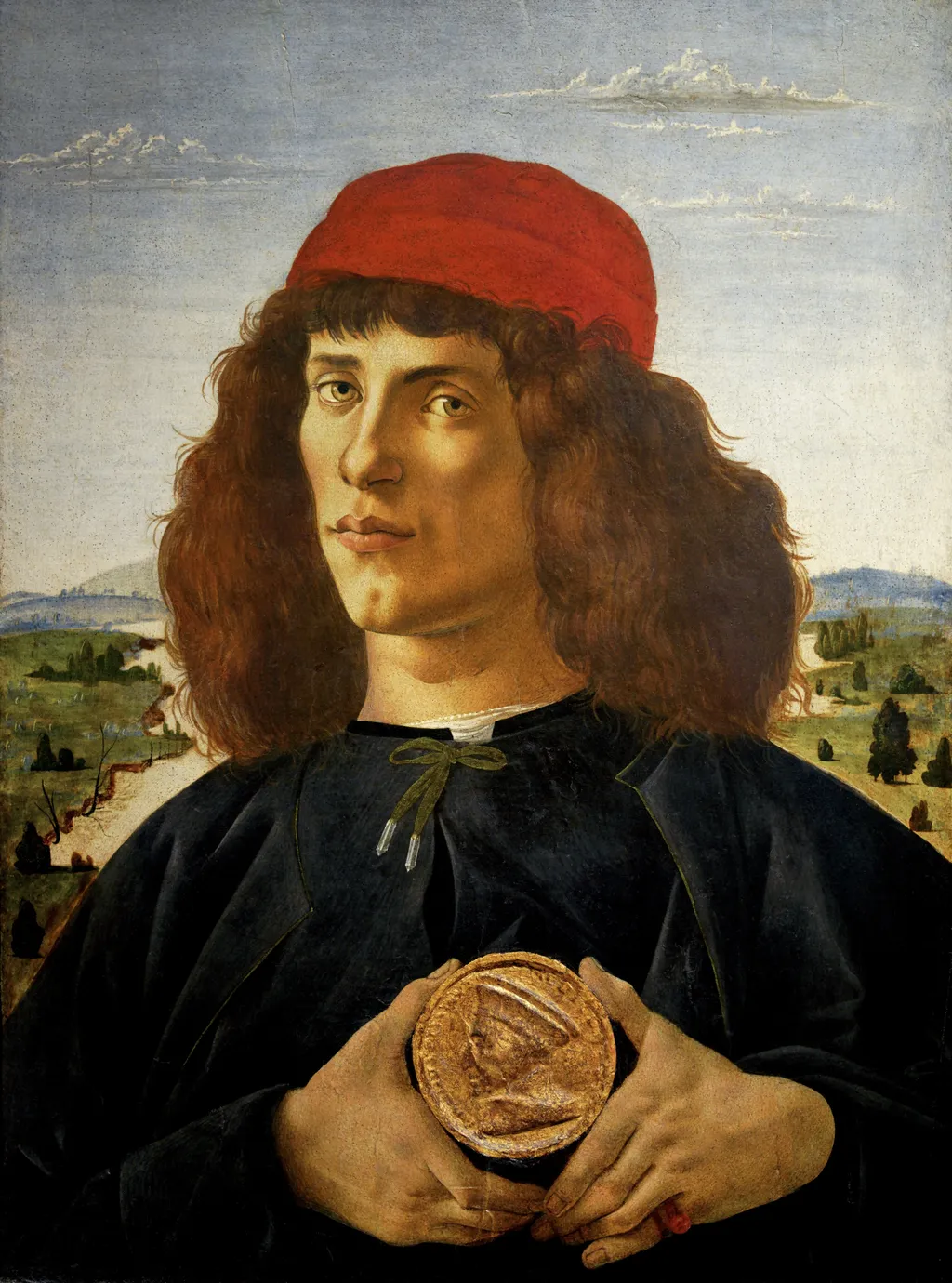
Portrait of a Man with a Medal of Cosimo the Elder is a tempera painting by the Early Renaissance artist Sandro Botticelli. It dates from 1474 and is held in the collection of the Uffizi Gallery.
About this work
Overview
The work resides in the Uffizi Gallery, Florence, and exemplifies the fusion of portraiture and political symbolism characteristic of mid-Renaissance Florence.
Painted around 1475 in tempera on panel, this portrait by Sandro Botticelli depicts a young man holding a gilded gesso medal bearing the profile of Cosimo de' Medici. The figure, dressed in dark attire with a red cap, faces the viewer directly, his hands cradling the medal with solemn precision. The background fades into a muted, atmospheric landscape. The work resides in the Uffizi Gallery, Florence, and exemplifies the fusion of portraiture and political symbolism characteristic of mid-Renaissance Florence.
Subject & Meaning
The identity of the sitter remains uncertain, though his gesture suggests deliberate association with Cosimo de' Medici, the patriarch of the ruling family. By presenting the medal—symbol of civic virtue and legacy—the sitter aligns himself with Medicean authority and humanist ideals. The direct gaze and restrained posture imply dignity and self-awareness, positioning the subject not merely as a portrait subject but as a participant in the cultural politics of the time.
Technique & Style
Botticelli rendered the figure with fine tempera strokes, emphasizing texture in fabric and hair while maintaining a soft, luminous complexion. The medal, crafted from gilded gesso, was modeled after a real metal prototype, likely cast from the original mold to ensure accurate detail. Its three-dimensional inset into the panel creates a tactile contrast with the flatness of the surrounding surface, enhancing its symbolic weight and material authenticity.
History & Provenance
The painting entered the Uffizi collection in the 18th century, though its earlier ownership is undocumented. The medal depicted corresponds closely to one attributed to Donatello and cast in 1465, now held by the Victoria and Albert Museum. Botticelli’s precise replication suggests direct access to the original object, possibly commissioned by a Medici associate. Its survival in near-original condition offers rare insight into Florentine portrait practices of the period.
Context
In 15th-century Florence, portraiture often served as a vehicle for political and familial alignment. Cosimo de' Medici, honored as Pater Patriae, was frequently commemorated in medals and imagery to reinforce his legacy. Botticelli’s inclusion of the medal transforms the portrait into a statement of loyalty and cultural affiliation, reflecting how elite Florentines used art to navigate social hierarchies and assert their place within the Medicean sphere.
Legacy
The painting endures as a quiet testament to the interplay between personal identity and public symbolism in Renaissance Florence. Its restrained composition and technical precision influenced later portrait traditions, particularly in the use of symbolic objects to convey status. Though the sitter’s name is lost, the work continues to inform scholarship on Medici patronage, material culture, and the evolving role of the individual in Renaissance visual language.
Own this work as a print
Artist & collection

Artist
Sandro Botticelli was a Florentine painter who loved the drama of stories—myths, saints, and ancient tales.

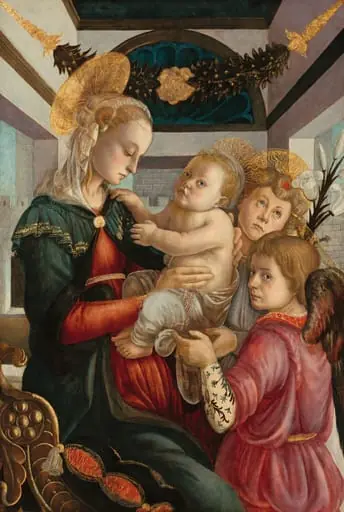
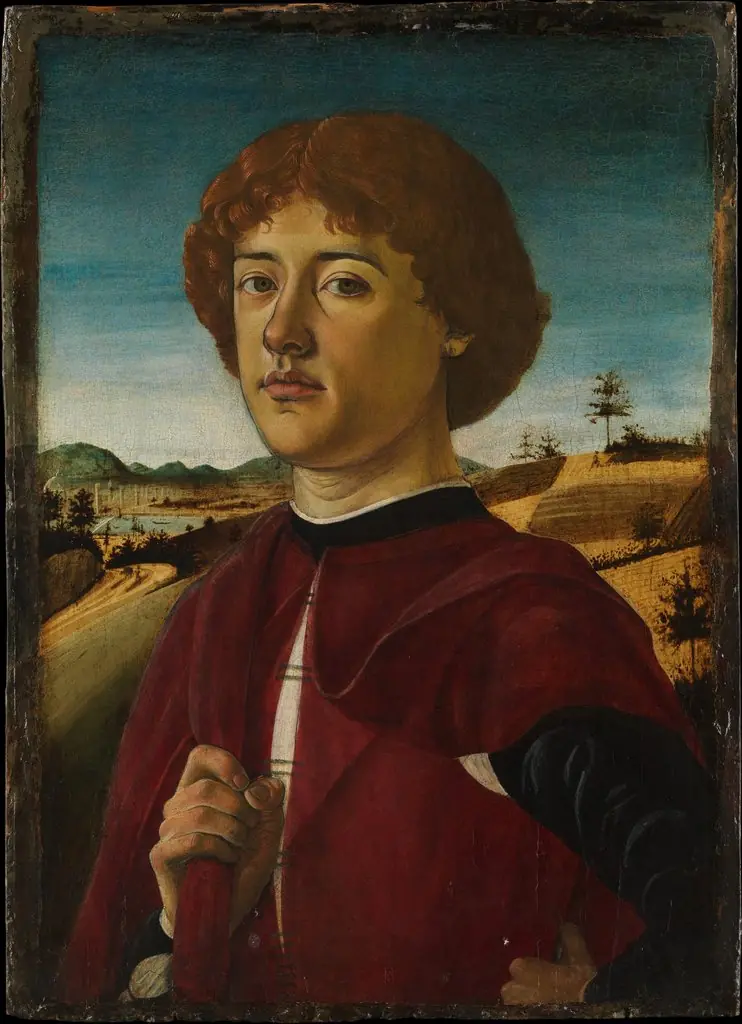 Portrait of a Young Man
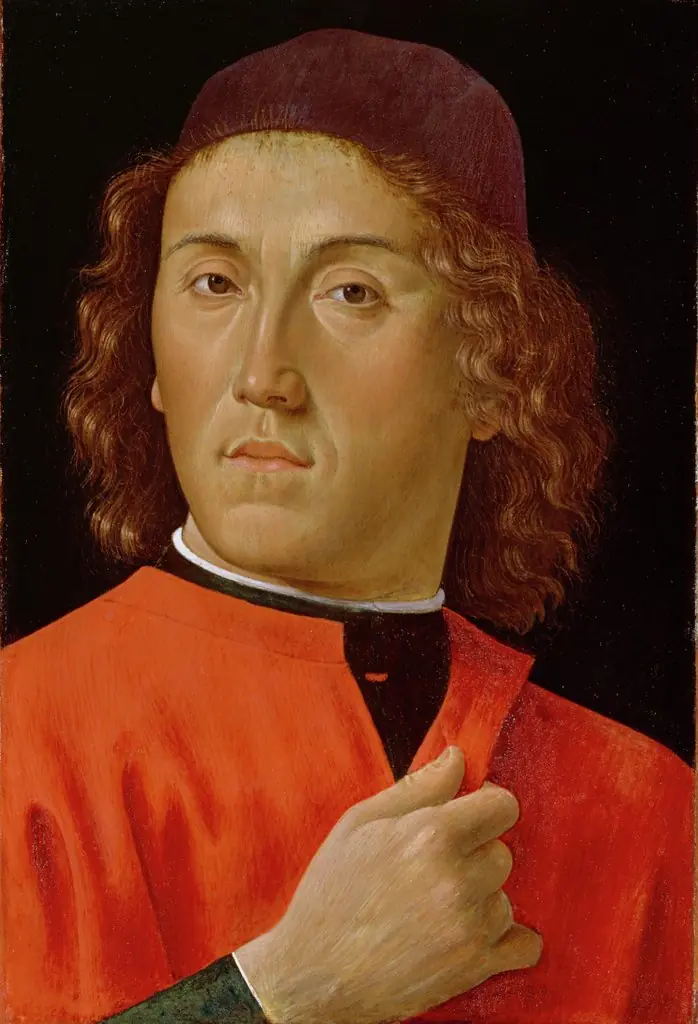 Portrait of a Young Man
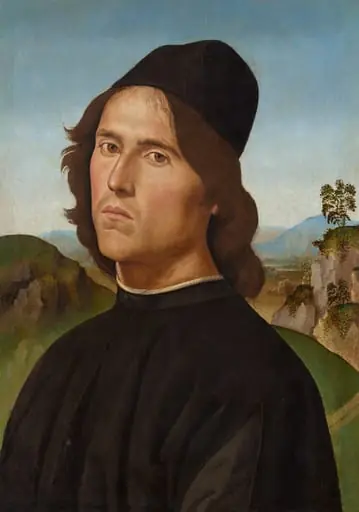 Portrait of Lorenzo di Credi
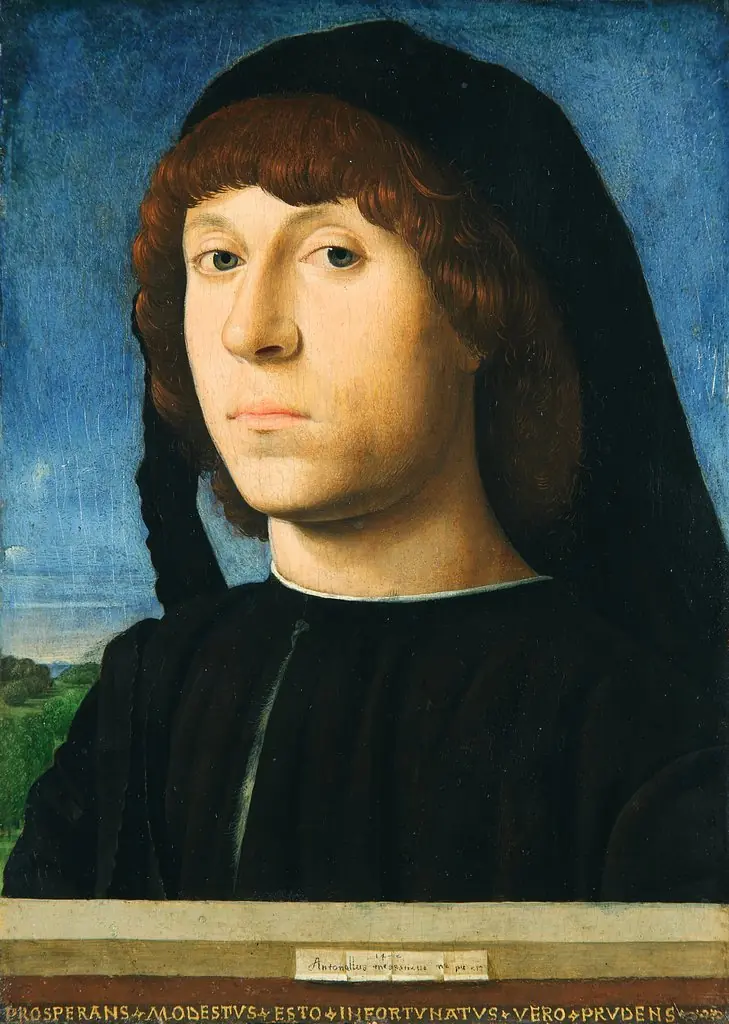 Portrait of a young Man
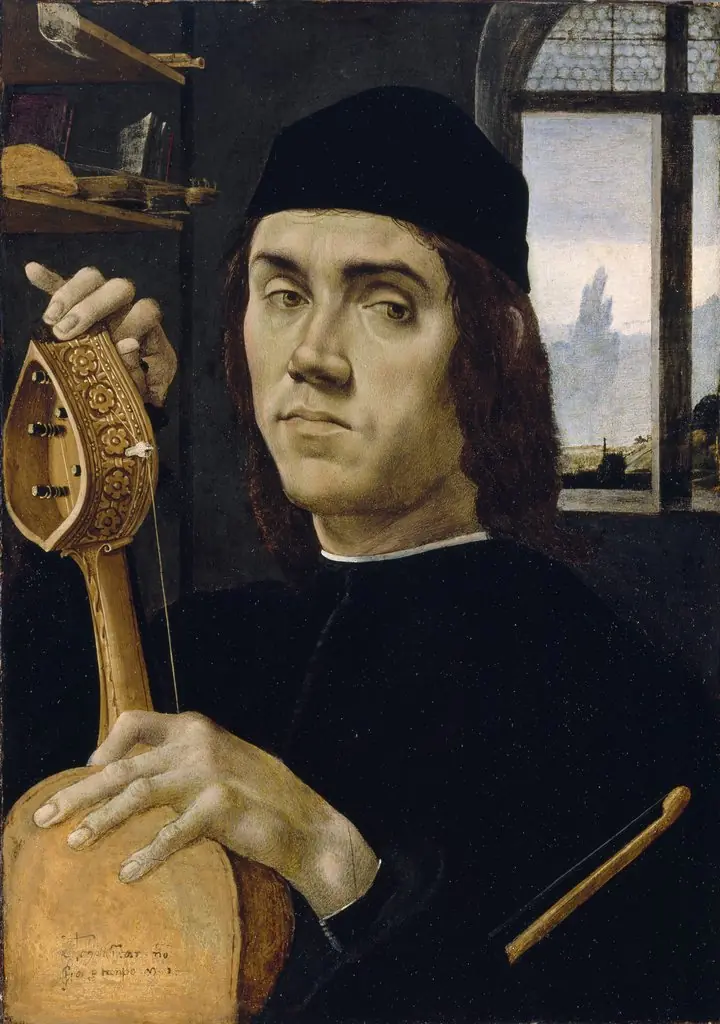 Portrait of a Musician
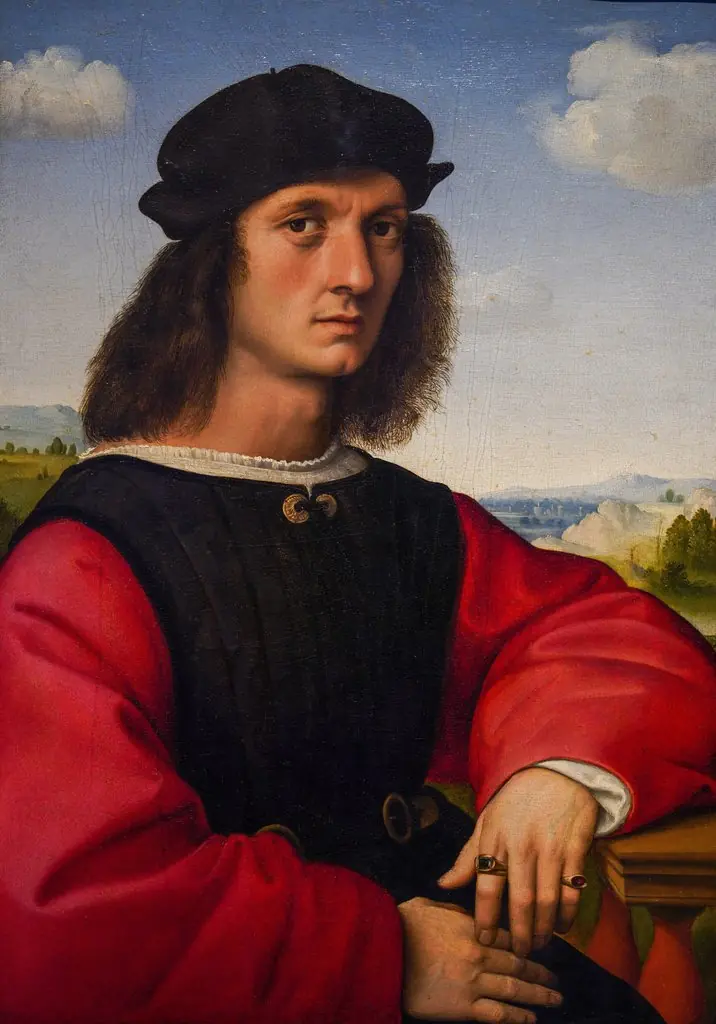 Portrait of Agnolo Doni
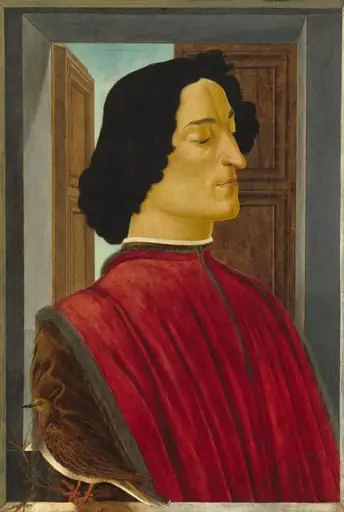
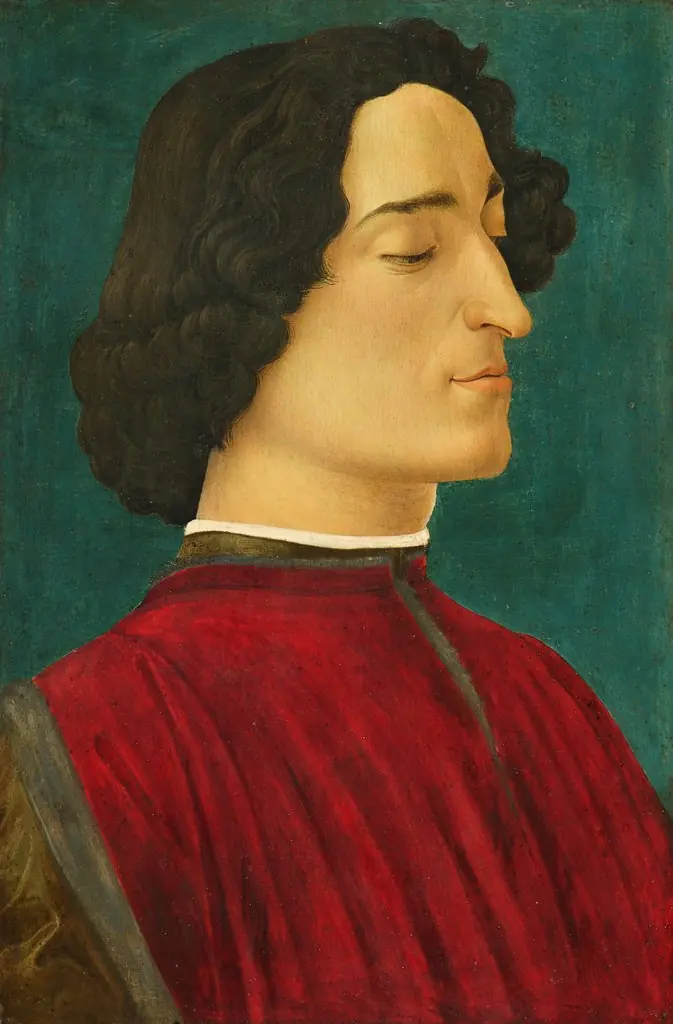 Portrait of Giuliano de' Medici
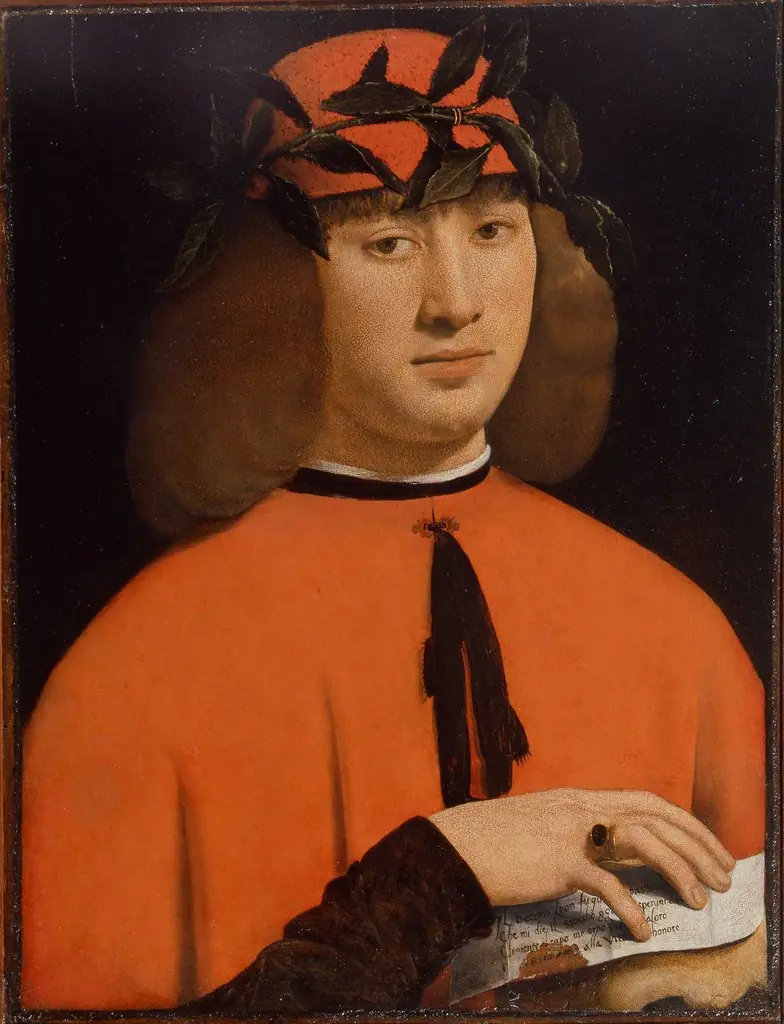 Portrait of Gerolamo Casio
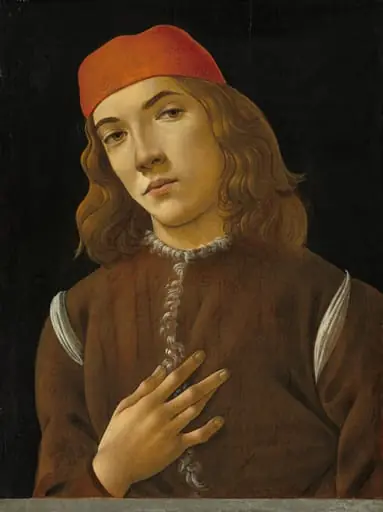 Portrait of a Youth
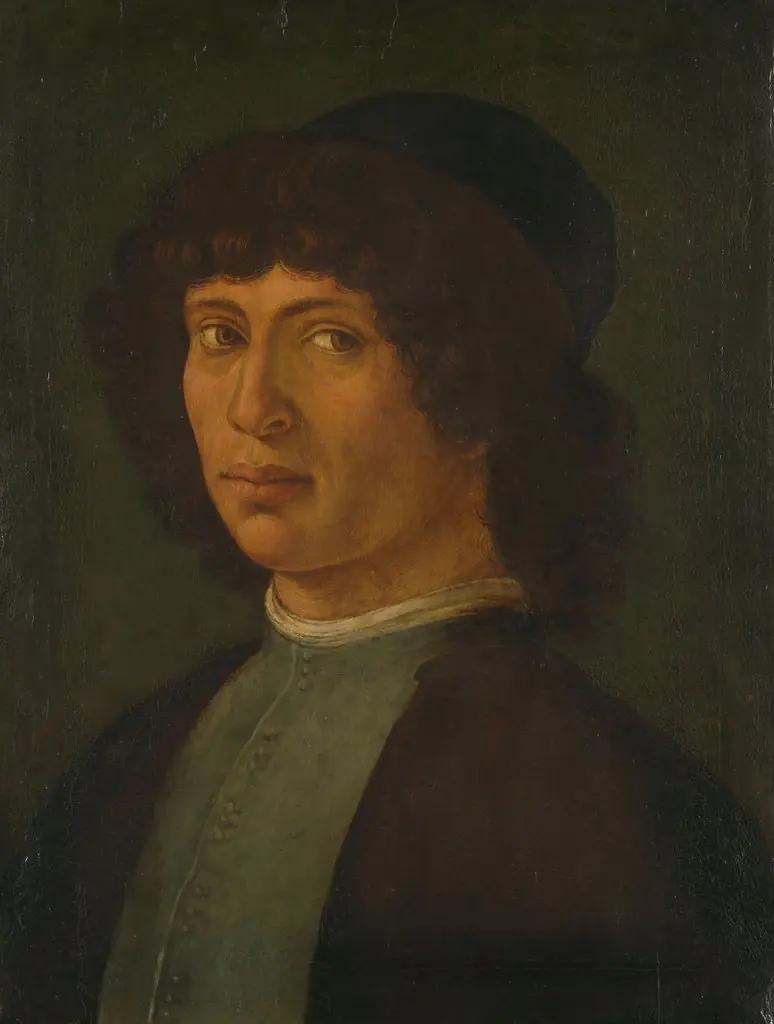 Portrait of a young man
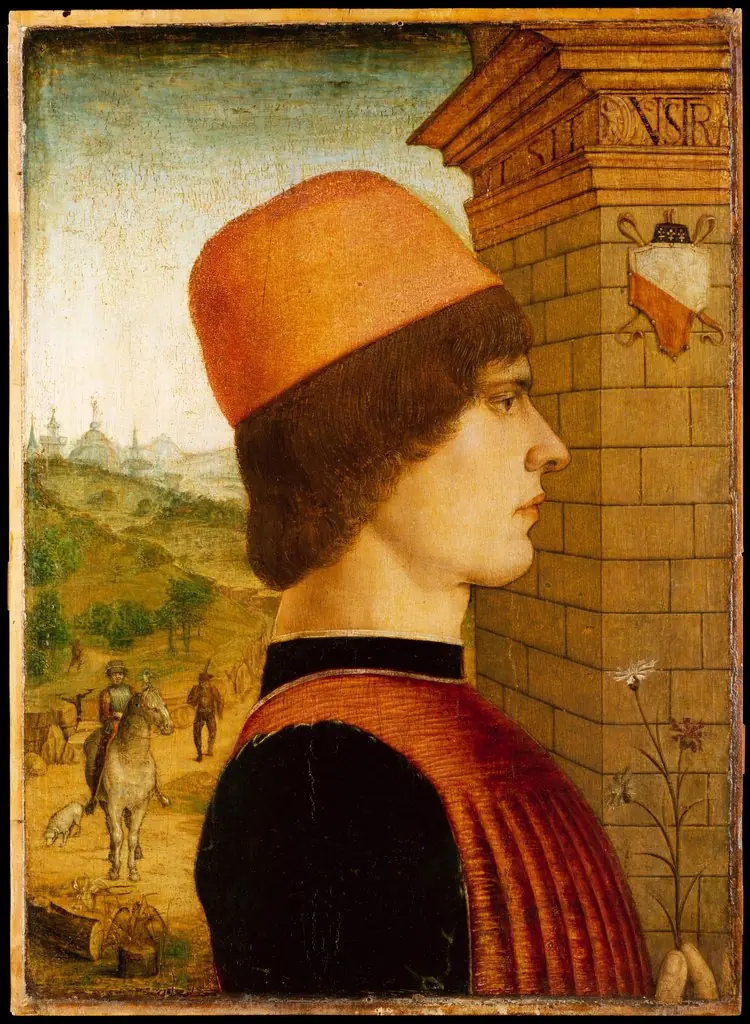 Portrait of a Man, possibly Matteo di Sebastiano di Bernardino Gozzadini
 Portrait of Francesco delle Opere