Artwork
The Return of Judith to Bethulia
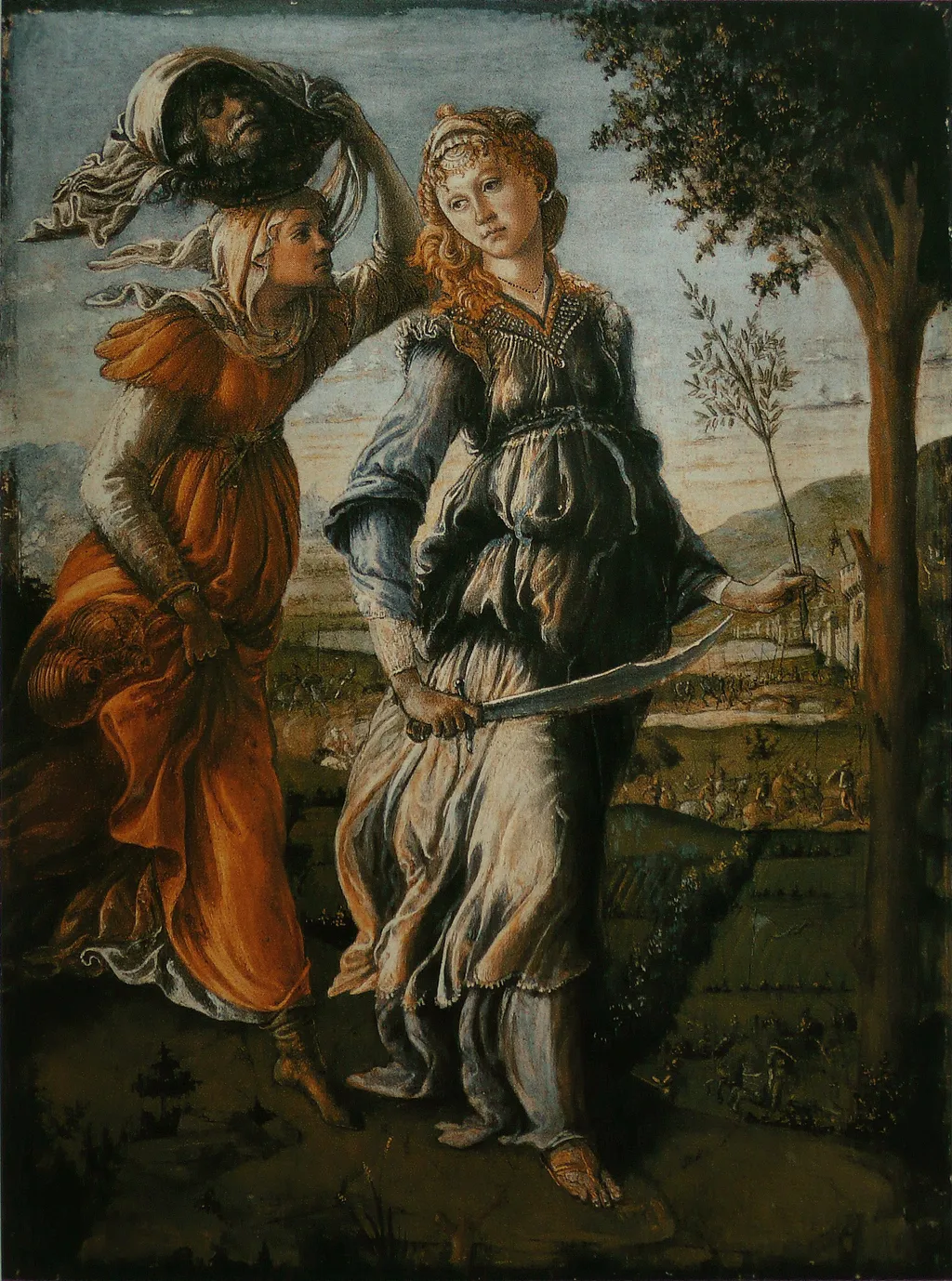
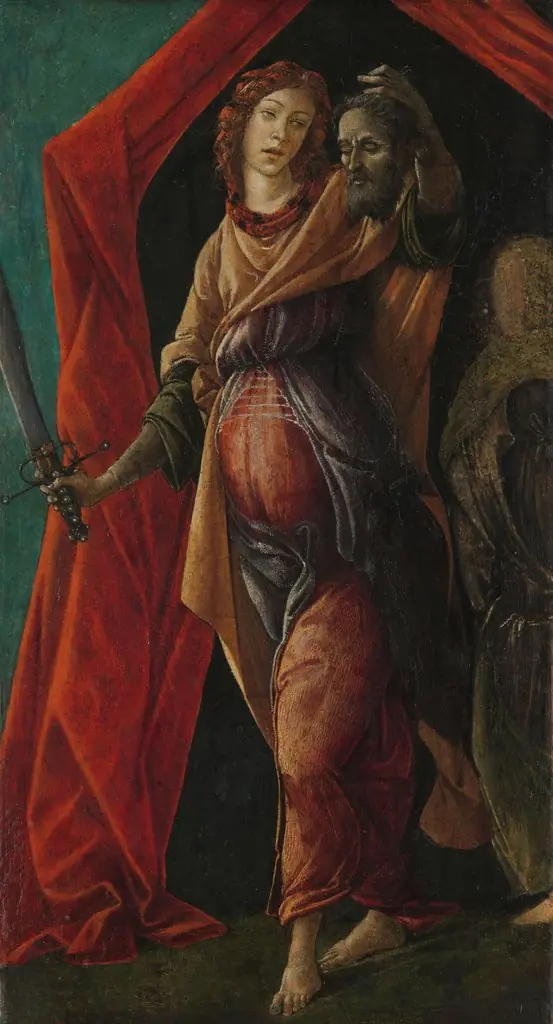
The Return of Judith to Bethulia is a tempera painting by the Early Renaissance artist Sandro Botticelli. It dates from 1470 and is held in the collection of the Uffizi Gallery. Created circa 1472, this tempera panel measures roughly 31 by 24 centimeters and is part of the Uffizi Gallery’s collection in Florence.
About this work
Overview
Created circa 1472, this tempera panel measures roughly 31 by 24 centimeters and is part of the Uffizi Gallery’s collection in Florence. It forms a pair with a companion work that shows the discovery of Holofernes’s corpse, together narrating the biblical story of Judith’s triumph over the Assyrian general.
Subject & Meaning
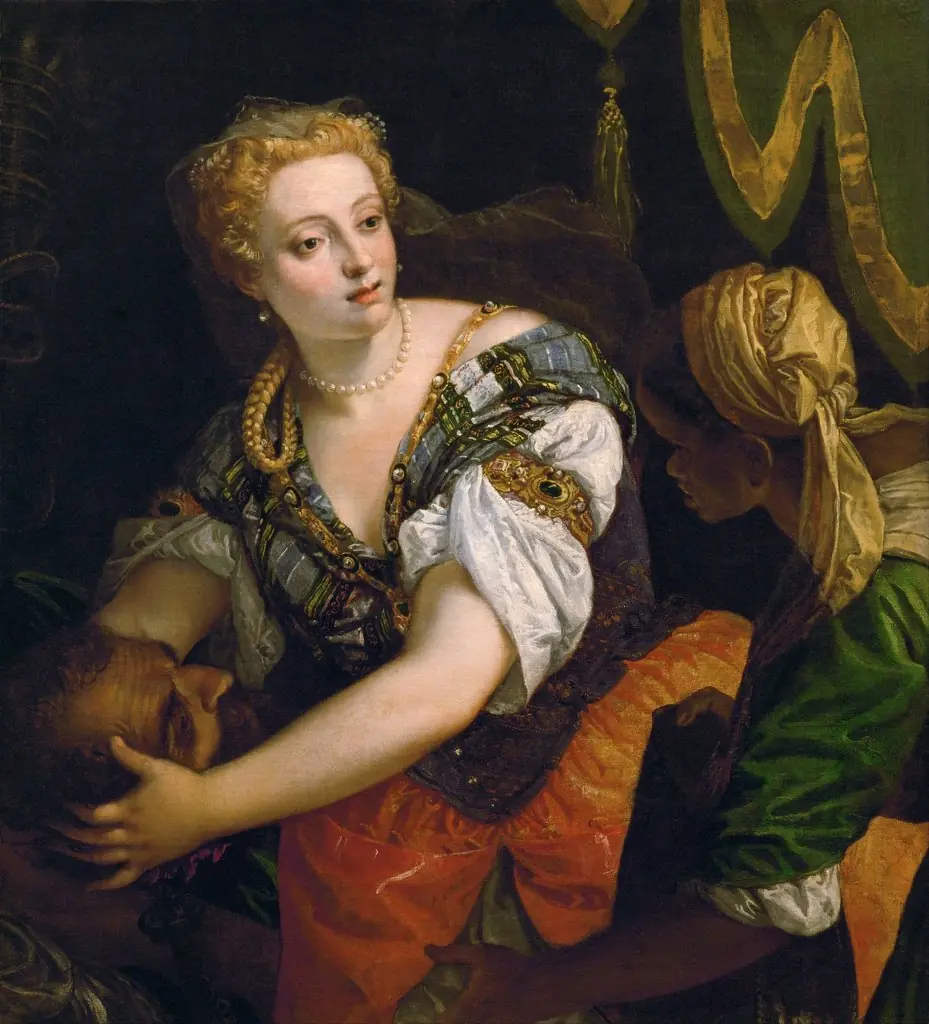
The scene captures the moment Judith returns to her hometown, Bethulia, after beheading Holofernes. She is shown alongside a second female figure, possibly a servant, as Judith carries the slain commander’s head. The composition emphasizes her victorious return and the moral victory of the faithful over oppression.
Technique & Style
Executed in tempera on wood, the painting displays Botticelli’s characteristic linear clarity and delicate coloration. The figures are rendered with smooth, luminous skin tones, while the drapery folds are defined by fine brushwork. A modest landscape background, including a tree, a building, and water, provides depth without distracting from the central action.
History & Provenance
The work has remained in Florence since its early years, entering the Uffizi’s holdings where it is displayed alongside its pendant, The Discovery of the Body of Holofernes. Both panels have been attributed to Botticelli’s early period, reflecting his engagement with religious narratives drawn from the deuterocanonical Book of Judith.
Context
During the late 15th century, the story of Judith was a popular subject for visual artists, symbolizing virtue and divine justice. Botticelli’s rendition aligns with contemporary Florentine interest in moral exempla, while the intimate scale suggests it was intended for private devotion rather than a public altar.
Artist & collection

Artist
Sandro Botticelli was a Florentine painter who loved the drama of stories—myths, saints, and ancient tales.