Artwork
Madonna of humility
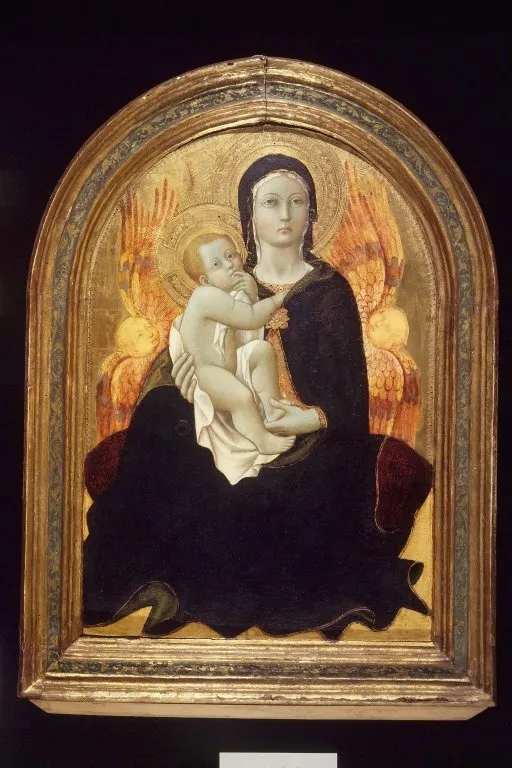
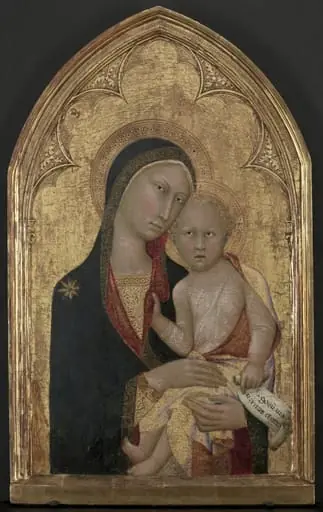
Madonna of humility is an unspecified painting by the Early Renaissance artist Sano di Pietro. It dates from 1440 and is held in the collection of the Brooklyn Museum.
About this work
Overview
Painted around 1440 by Sano di Pietro, this work belongs to the Madonna of humility subtype, a devotional image popular in 14th- and 15th-century Italy.
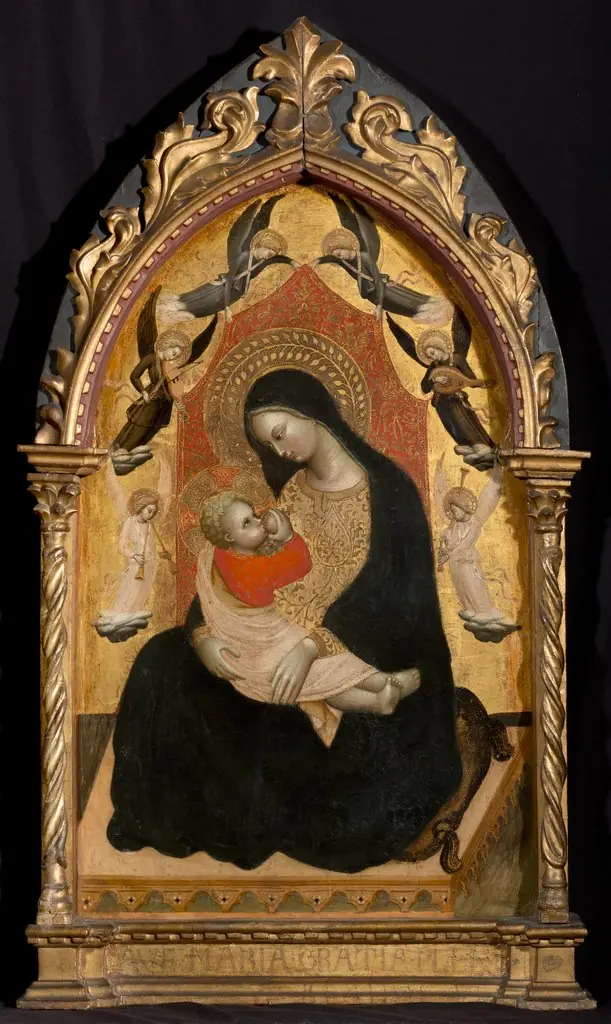
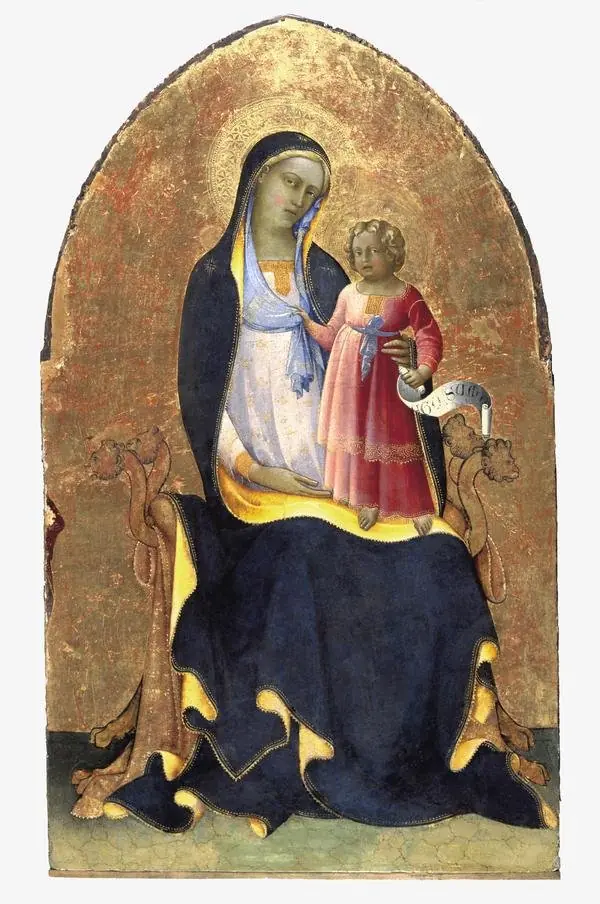
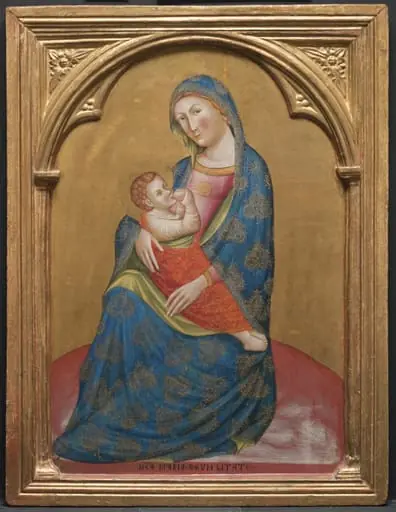
Painted around 1440 by Sano di Pietro, this work belongs to the Madonna of humility subtype, a devotional image popular in 14th- and 15th-century Italy. It presents the Virgin Mary seated modestly on a low cushion, holding the Christ Child. The composition is framed by a gold ground, typical of late medieval panel painting, and includes two attendant angels. The painting is now in the collection of the Brooklyn Museum.
Subject & Meaning
The image emphasizes Mary’s humility through her low seated posture, contrasting with earlier depictions of her enthroned as Queen of Heaven. Her covered head and simple black garment signify modesty and devotion. The Christ Child, shown naked and haloed, embodies divine presence within human form. The angels, positioned behind, serve as celestial witnesses, reinforcing the sacred nature of the moment without grandeur.
Technique & Style
Sano di Pietro employed tempera on wood, a standard medium of the Sienese school. The figures are rendered with delicate lines and flat, decorative surfaces, typical of Gothic traditions. Rich reds and gold leaf dominate the palette, while the ornamental patterns on the background reflect regional aesthetic preferences. The lack of spatial depth and emphasis on symbolic detail align with pre-Renaissance conventions.
History & Provenance
The painting was likely created for private devotion in a Sienese household or chapel. It entered the Brooklyn Museum’s collection in the 20th century, though its earlier ownership history remains undocumented. Its preservation in good condition suggests careful handling over centuries, consistent with its devotional purpose and the value placed on such images in medieval Italy.
Context
The Madonna of humility motif emerged in the 14th century, promoted by Franciscan spirituality that emphasized Christ’s humanity and Mary’s lowliness. Sano di Pietro, active in Siena, worked within a tradition that favored symbolic clarity over naturalism. This painting reflects a broader devotional trend in Tuscany, where intimate, accessible images of the Virgin supported personal prayer and contemplation.
Legacy
Though later Renaissance artists moved toward naturalism and perspective, this work preserves the spiritual language of its time. It remains a representative example of Sienese panel painting and the enduring appeal of the humility theme in Marian devotion. Its presence in a major American museum underscores its role as a cultural artifact bridging medieval piety and modern art historical study.
Artist & collection
Artist
Sano di Pietro or Ansano di Pietro di Mencio (1405–1481) was an Italian painter of the Sienese school of painting.

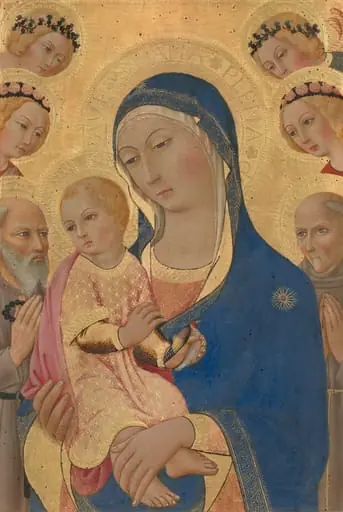 Madonna and Child with Saint Jerome, Saint Bernardino, and Angels
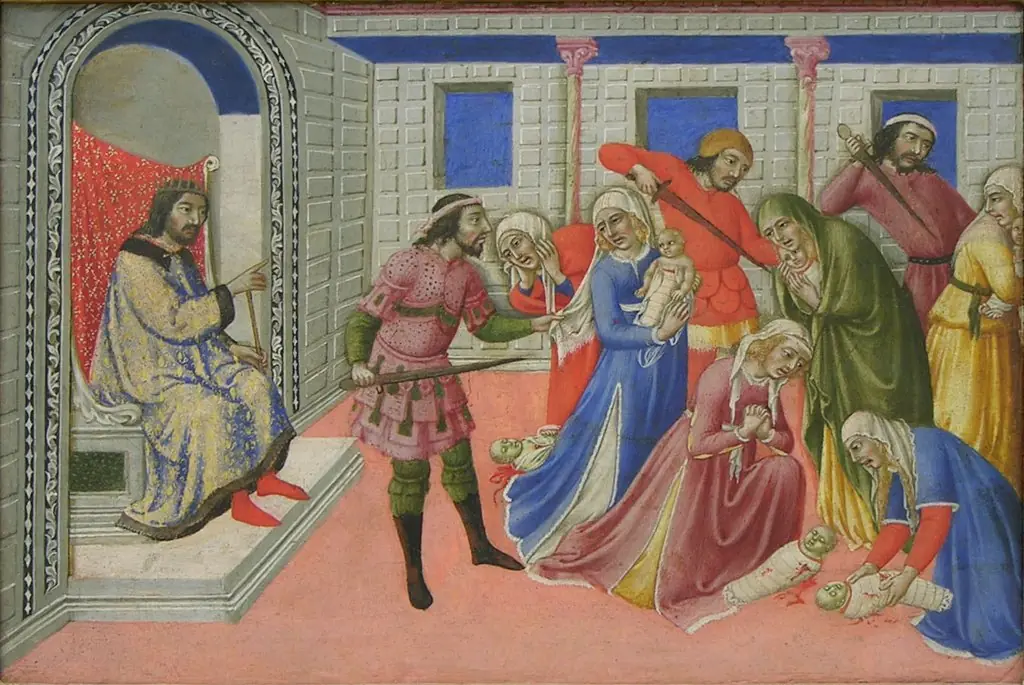 The Massacre of the Innocents
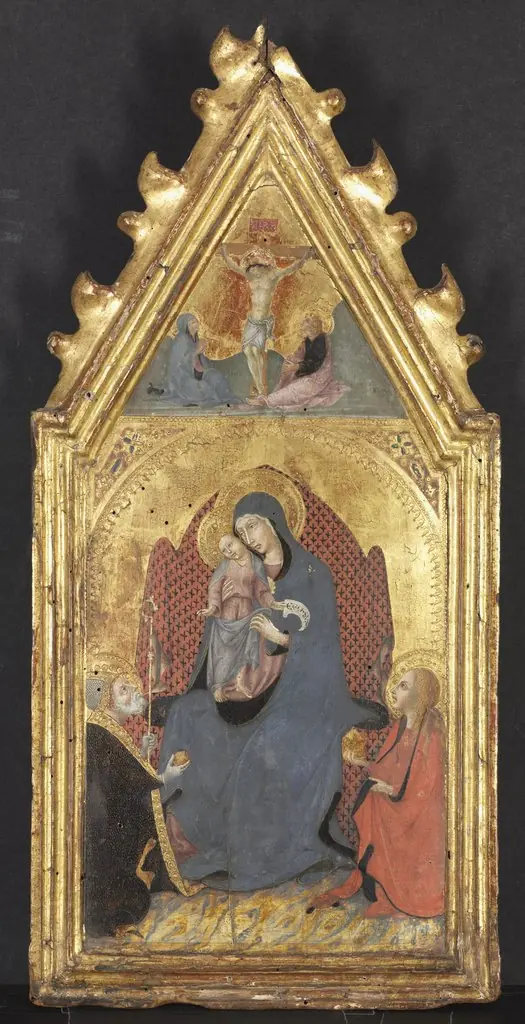 Virgin and Child Adored by Saints Mary Magdalene and Nicolas of Bari; Christ Crucified with the Virgin and Saint John the Evangelist
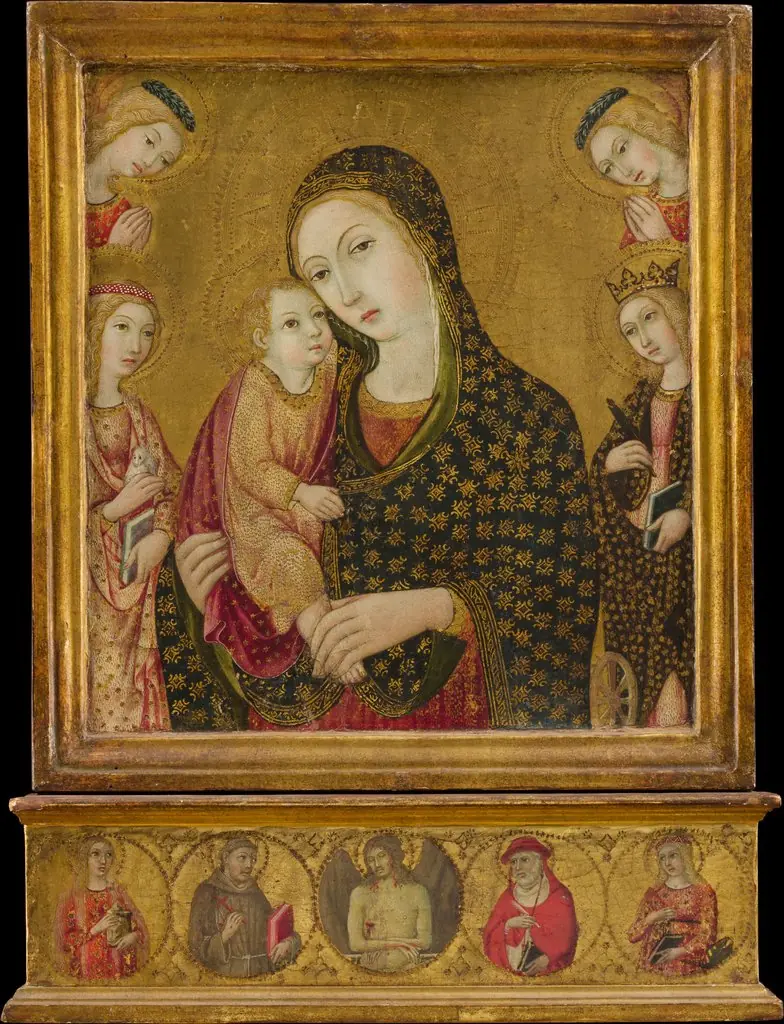 Madonna and Child with the Dead Christ, Saints Agnes and Catherine of Alexandria, and Two Angels
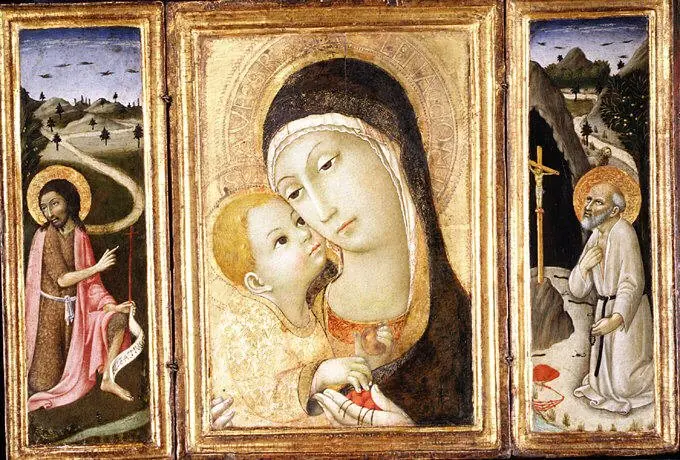 Madonna and Child; Saint John the Baptist; Saint Jerome
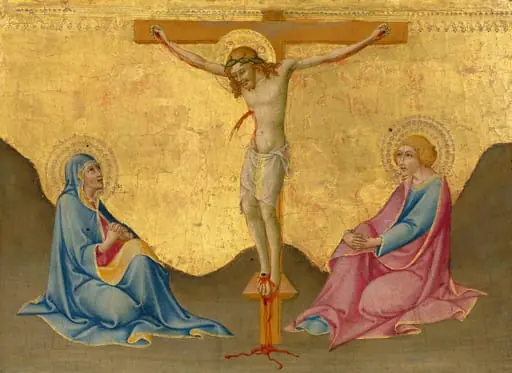 The Crucifixion
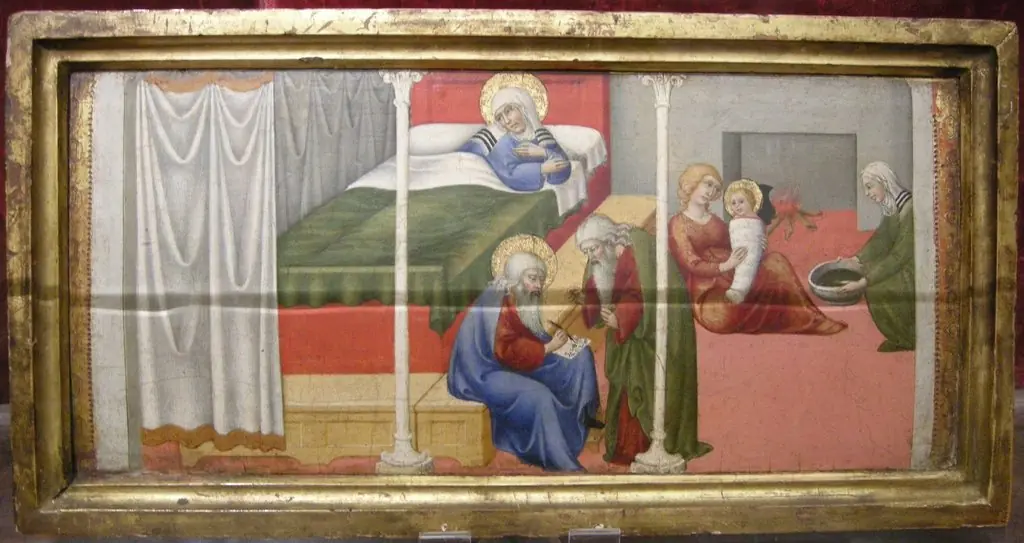 The Birth and Naming of Saint John the Baptist
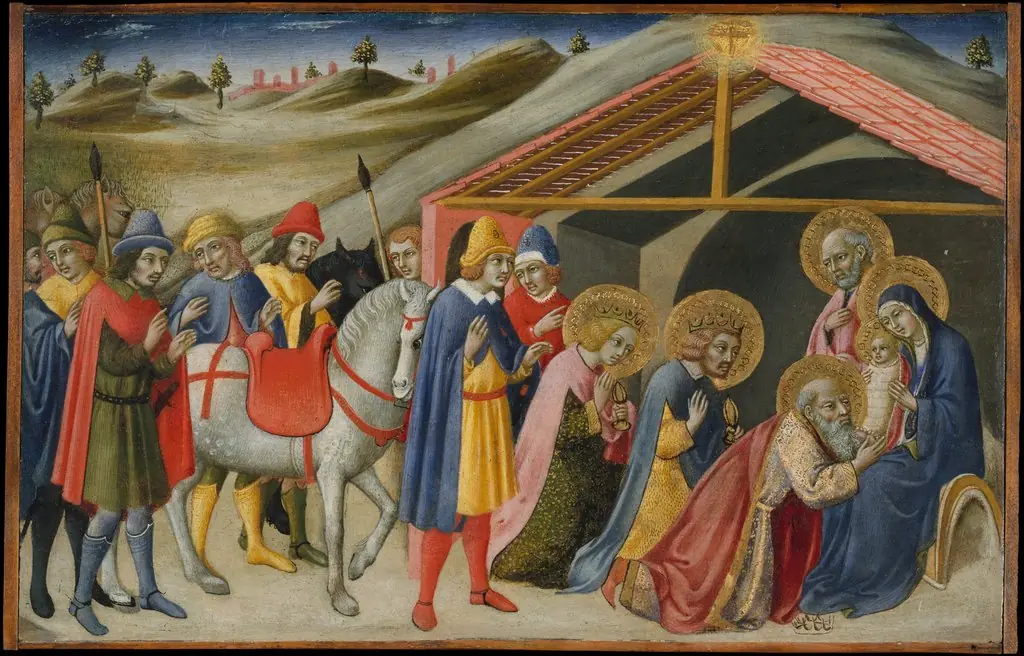 The Adoration of the Magi