Artwork
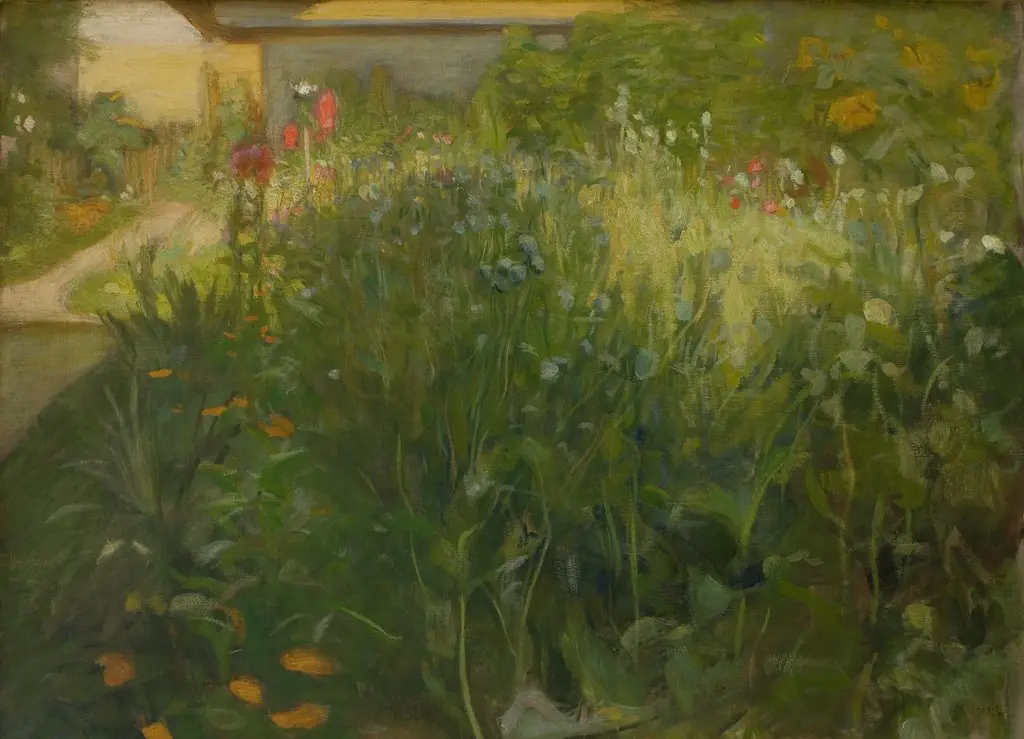
Camino de rosas
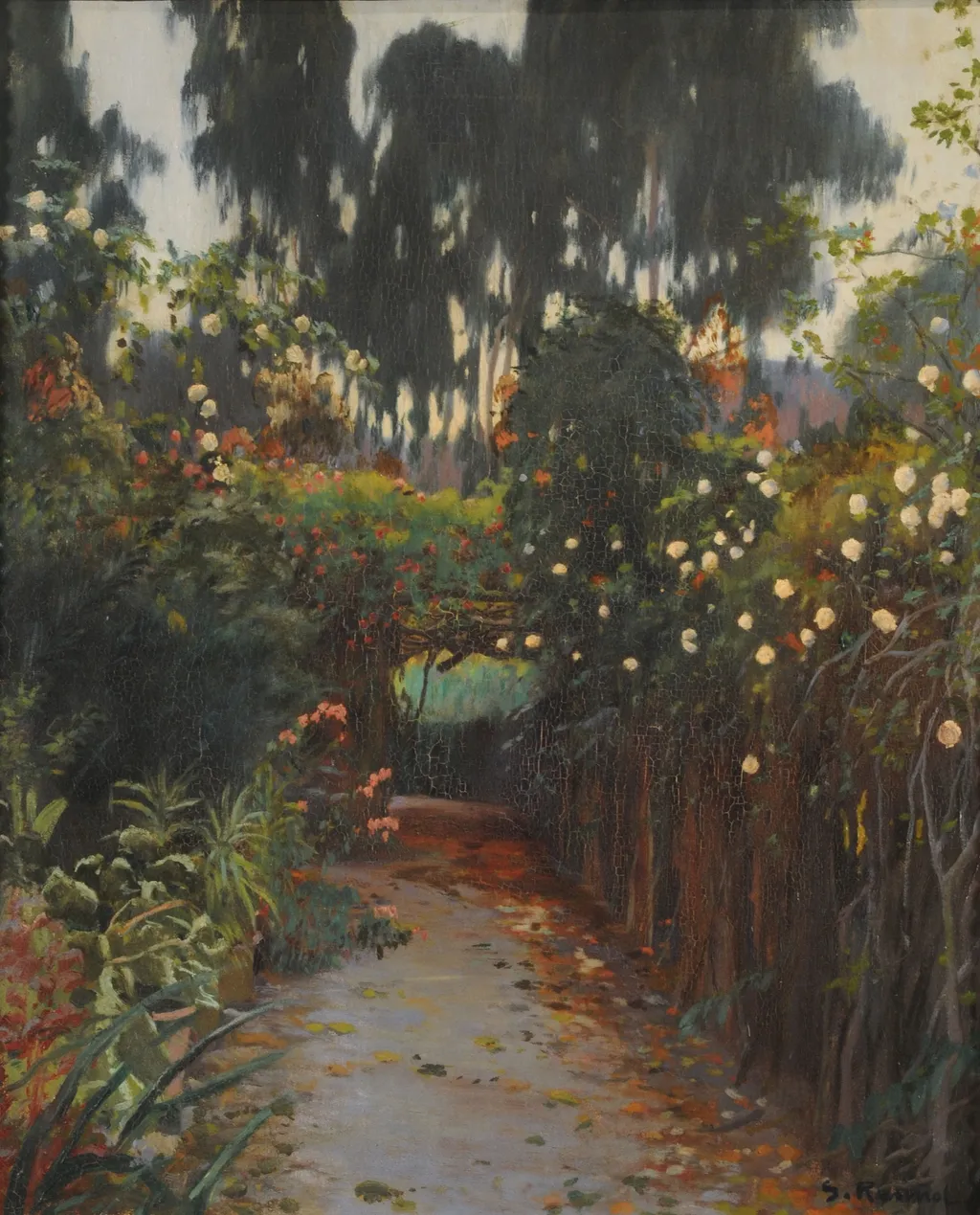
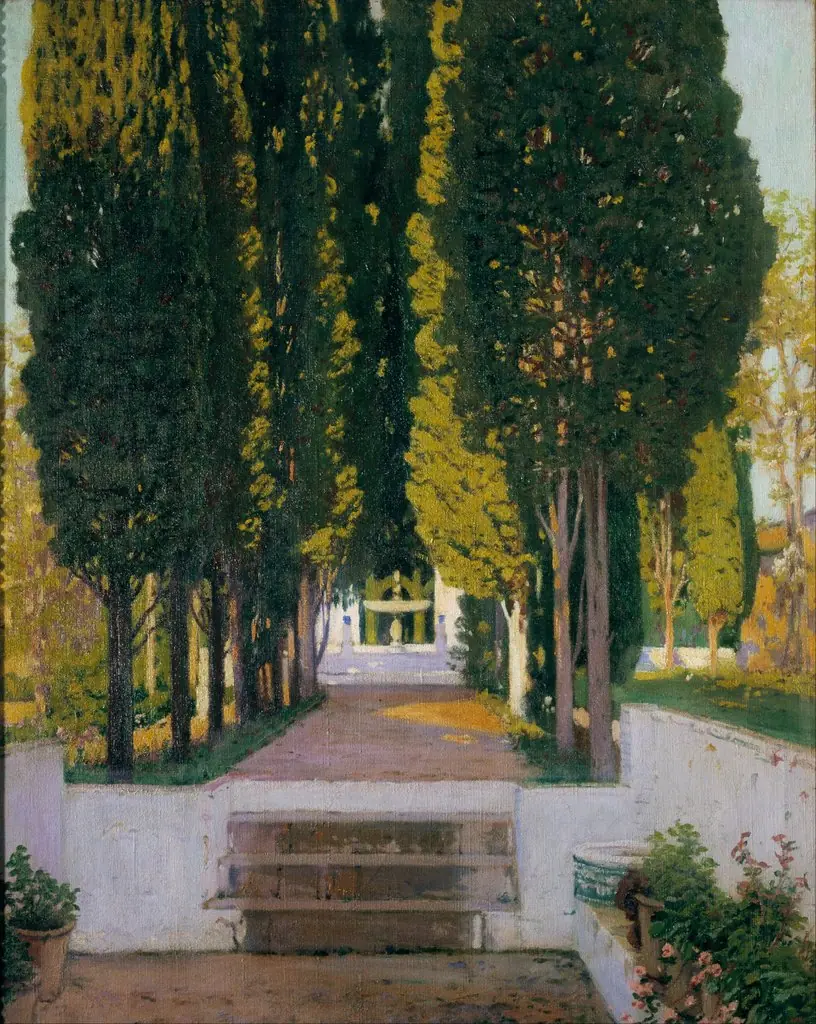
Camino de rosas is an oil painting by Santiago Rusiñol i Prats. It dates from 1906 and is held in the collection of the National Museum of Fine Arts, Argentina.
About this work
Overview
This piece resides in the National Museum of Fine Arts in Buenos Aires, reflecting the international reach of his work beyond Spain.
Painted around 1906 by Santiago Rusiñol i Prats, *Camino de rosas* is an oil-on-canvas work that captures a quiet garden path winding through dense foliage and blooming flowers. Rusiñol, a central figure in Catalan modernisme, produced over a thousand artworks across painting, poetry, and theater. This piece resides in the National Museum of Fine Arts in Buenos Aires, reflecting the international reach of his work beyond Spain.
Subject & Meaning
The painting presents a solitary garden path, framed by thick vegetation and vivid blossoms, suggesting a moment of contemplative solitude. Rather than narrating a specific event, it evokes an atmosphere of stillness and natural harmony. The absence of human figures invites viewers to imagine themselves walking the path, emphasizing introspection over action—a common theme in Rusiñol’s later landscapes.
Technique & Style
Rusiñol employed thick, expressive brushwork to build texture in the foliage and flowers, enhancing the tactile quality of the scene. His handling of light and shadow creates subtle depth, though without strict chiaroscuro conventions. Colors are rich but not garish, with greens and pinks harmonizing under soft, diffused illumination. The composition guides the eye along the winding path, reinforcing a sense of quiet movement through nature.
History & Provenance
Created during Rusiñol’s mature period, *Camino de rosas* was likely painted after his time in Aranjuez and prior to his final years in Sitges. It entered the collection of the National Museum of Fine Arts in Buenos Aires in the early 20th century, possibly through diplomatic or cultural exchanges between Spain and Argentina. Its presence in South America underscores the transatlantic appreciation of Catalan modernisme.
Context
In early 20th-century Catalonia, modernisme sought to merge artistic innovation with national identity. Rusiñol’s garden scenes, including this one, diverged from urban industrial themes, instead turning to nature as a refuge from modernity. These works aligned with broader European trends favoring emotional landscapes, yet retained a distinctly Catalan sensitivity to light and botanical detail.
Legacy
Though less known internationally than his literary works, *Camino de rosas* exemplifies Rusiñol’s ability to translate poetic mood into visual form. It remains a key example of how Catalan modernisme embraced intimate, lyrical subjects. The painting continues to be studied for its nuanced use of color and composition, influencing later generations of Spanish landscape painters seeking emotional resonance over realism.
Own this work as a print
Artist & collection
Artist
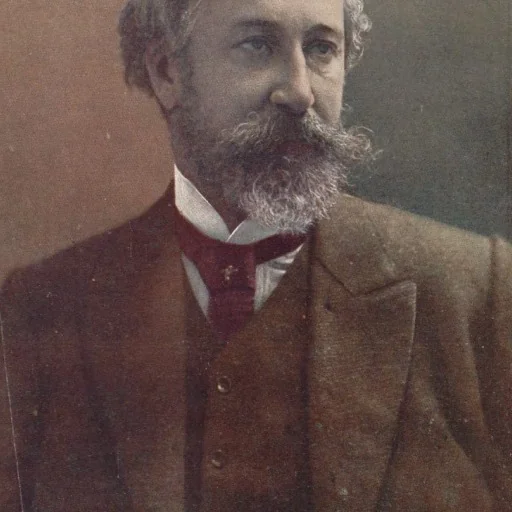
Santiago Rusiñol i Prats (Catalan: , Spanish: ; Barcelona 25 February 1861 – Aranjuez 13 June 1931) was a Spanish painter, poet, journalist, collector and playwright.

Museum
National Museum of Fine Arts, Argentina
Continue through works from the same source collection.