Artwork
Study for "Apollo and the Muses"
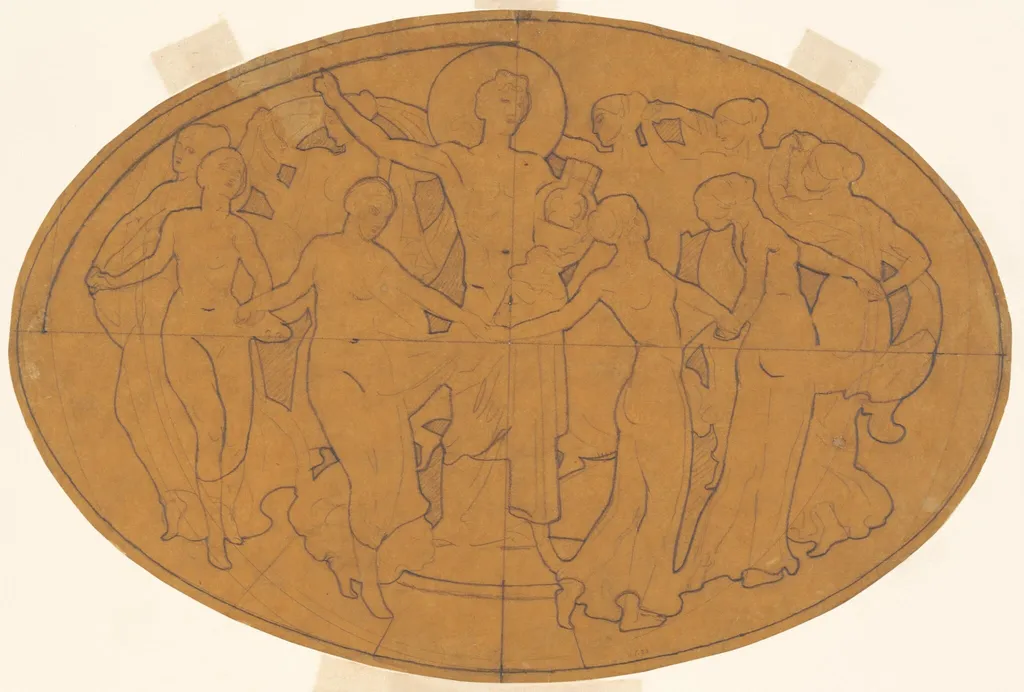
Study for "Apollo and the Muses" is a graphite drawing by John Singer Sargent. It dates from 1921 and is held in the collection of the National Gallery of Art.
About this work
Overview
John Singer Sargent’s preparatory drawing for his later mural “Apollo and the Muses” is executed in graphite on laid paper. The composition consists of several interwoven figures rendered with swift, gestural lines that convey a sense of movement. A dominant central figure raises its arms, creating a focal point that organizes the surrounding forms into a rhythmic whole.
Subject & Meaning
The sketch alludes to the mythological theme of Apollo surrounded by the Muses, though the figures remain abstracted rather than fully identified. The outstretched arms of the central figure suggest a conductor‑like gesture, evoking the idea of music or celebration that would be elaborated in the completed mural.
Technique & Style
Sargent employed graphite’s tonal range to blur edges and suggest volume, allowing the paper’s laid texture to contribute subtle depth. Rapid, overlapping strokes capture the kinetic energy of the scene, while the lack of precise detail emphasizes gesture over anatomical exactness, a hallmark of his preparatory studies.
History & Provenance
Created as a study ahead of a large-scale mural commission, the drawing illustrates Sargent’s practice of quickly locking in pose and composition before moving to oil. The work remains in the artist’s estate archives, documented as part of the preparatory material for the “Apollo and the Muses” project.
Artist & collection
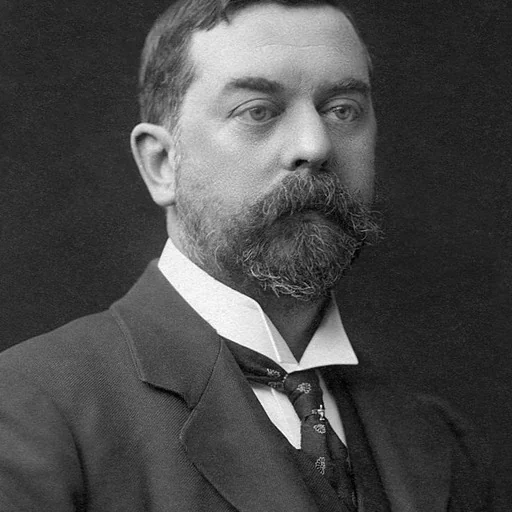
Artist
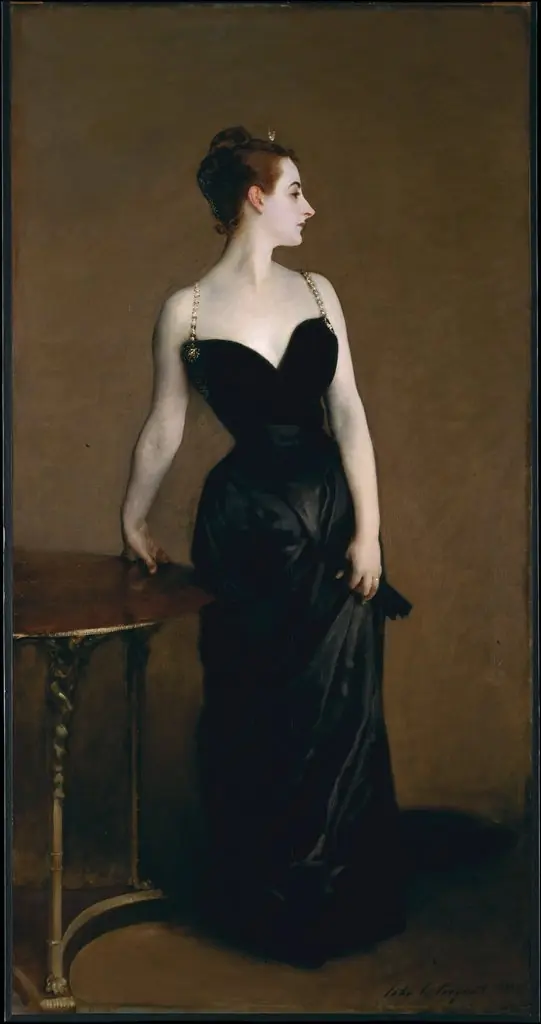
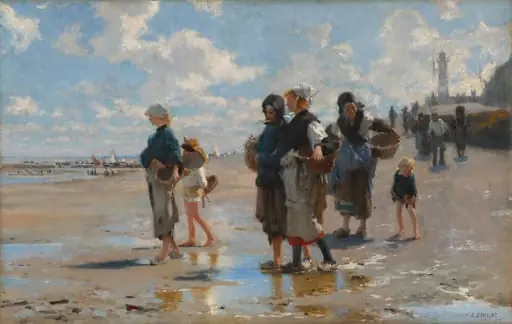
John Singer Sargent (; January 12, 1856 – April 15, 1925) was an American expatriate artist, considered the "leading portrait painter of his generation" for his evocations of Belle Époque and Edwardian-era luxury.

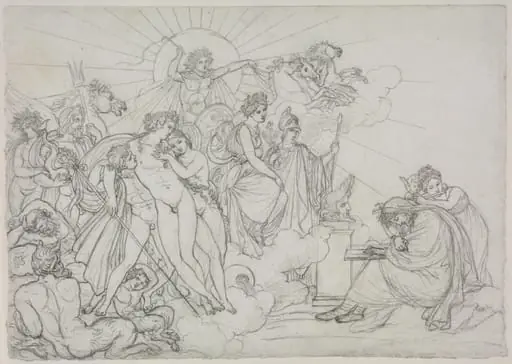 Invocation to the Divinities who preside over Agriculture from Virgil's "Georgics"
![Study for a Border Design [verso], by Charles Sprague Pearce](https://artifactworldgallery.com/img/charles-sprague-pearce--study-for-a-border-design-verso--4676ba4a41cbb556-w320.webp) Study for a Border Design [verso]
Study for a Border Design [verso]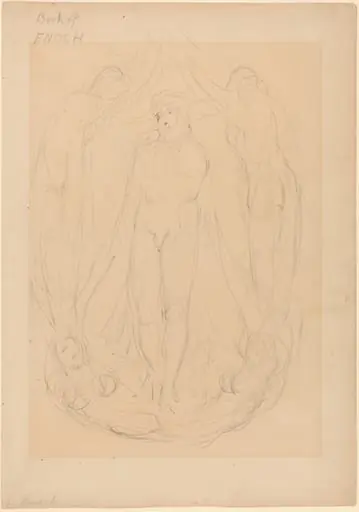 The Vision of the Lord of Spirits
![Studies for a Monument with Angels Reaching Down to a Praying Figure [recto and verso], by John Flaxman](https://artifactworldgallery.com/img/john-flaxman--studies-for-a-monument-with-angels-reaching-down-to-a-prayin--9d789ab993a76a50-w320.webp) Studies for a Monument with Angels Reaching Down to a Praying Figure [recto and verso]
Studies for a Monument with Angels Reaching Down to a Praying Figure [recto and verso]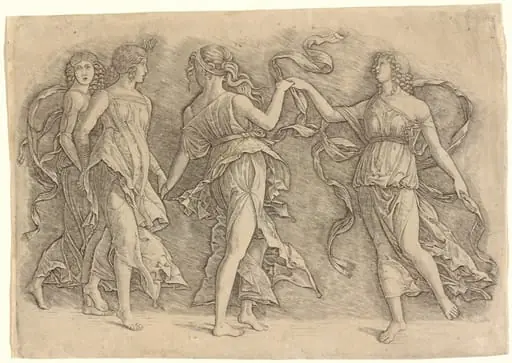 Four Dancing Muses
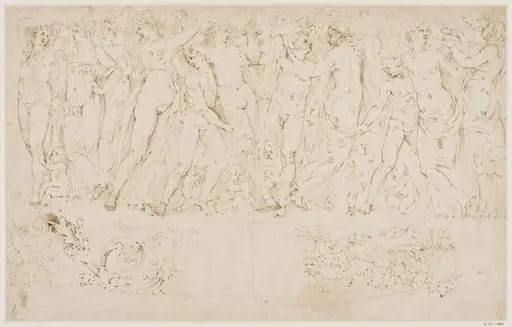 A Bacchic frieze; below, two studies of classical ornament
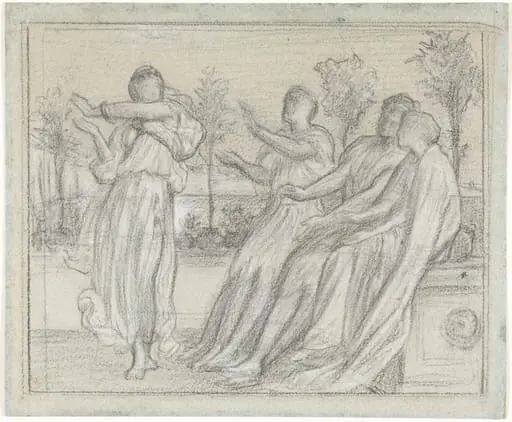 Study for "Greek Girl Dancing"
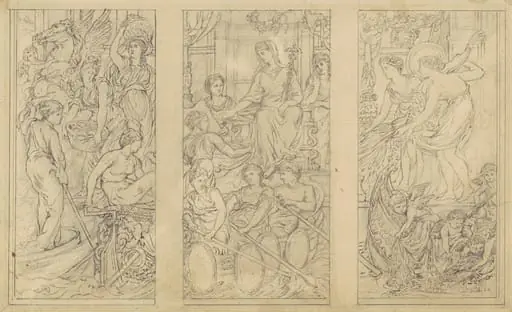 Study for "Commerce"
![Studies for a Lunette [recto], by Charles Sprague Pearce](https://artifactworldgallery.com/img/charles-sprague-pearce--studies-for-a-lunette-recto--07c43c96c8ad1d74-w320.webp) Studies for a Lunette [recto]
Studies for a Lunette [recto]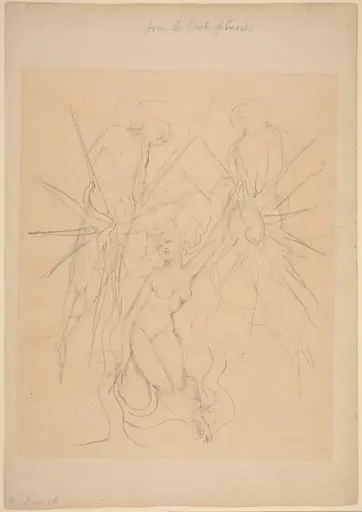 The Descent of the Angels to One of the Daughters of Men