Artwork
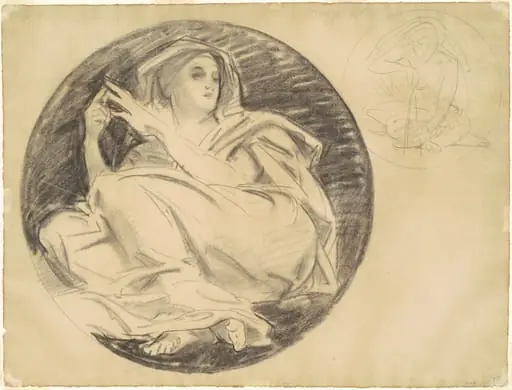
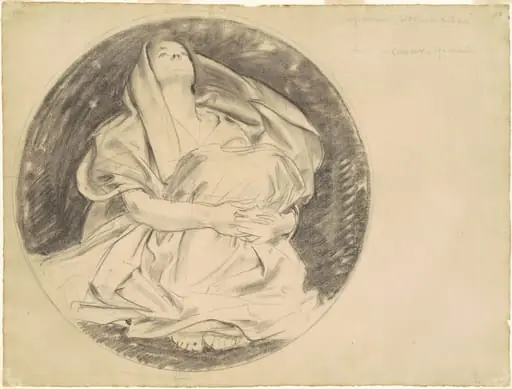
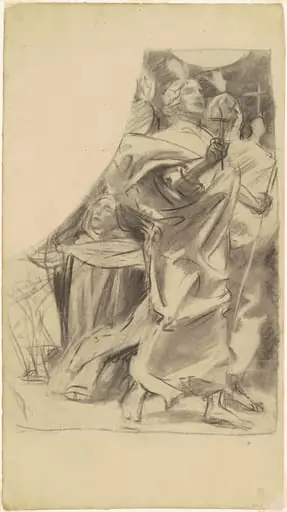
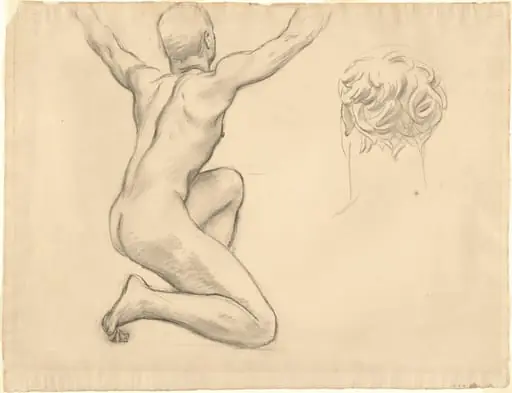
Study for "The Danaïdes"
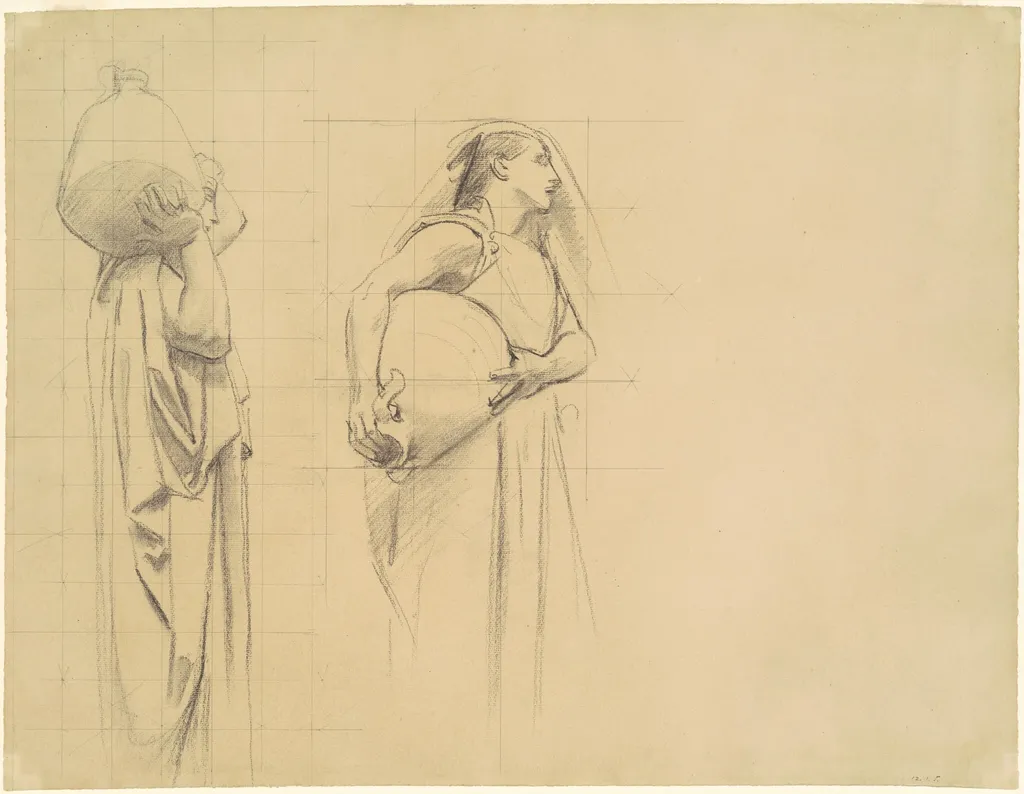
Study for "The Danaïdes" is a charcoal drawing by John Singer Sargent. It dates from 1924 and is held in the collection of the National Gallery of Art.
About this work
Overview
Executed in charcoal and graphite on laid paper, it explores the dynamic interplay of two female forms in motion, emphasizing gesture and volume over detail.
Created between 1922 and 1925, this drawing by John Singer Sargent is a preparatory study for his unfinished painting The Danaïdes. Executed in charcoal and graphite on laid paper, it explores the dynamic interplay of two female forms in motion, emphasizing gesture and volume over detail. The work reflects Sargent’s late interest in mythological subjects and his continued engagement with the human figure through direct, expressive mark-making.
Subject & Meaning
The two figures evoke the mythological Danaïdes, sisters condemned to eternally fill a leaky vessel. Sargent captures their torsion and strain, suggesting both physical exertion and emotional weight. Their intertwined postures convey a sense of cyclical struggle, aligning with the myth’s themes of futility and endurance. The absence of narrative context focuses attention on bodily tension, transforming the sketch into a meditation on movement and fate.
Technique & Style
Sargent employed layered charcoal to model form through soft, smudged contours and subtle scumbling, creating depth without hard outlines. Graphite accents define key anatomical transitions, enhancing the sense of weight and rotation. The fluidity of the drapery emerges from controlled smearing and varying pressure, suggesting fabric caught mid-motion. Edges dissolve into shadow, prioritizing atmospheric effect over precise definition.
History & Provenance
This drawing belongs to a series of studies Sargent made in the final years of his life, as he pursued large-scale mythological compositions away from portraiture. It remained in his possession until his death in 1925 and was later acquired by the Museum of Fine Arts, Boston, where it is held in the collection of his graphic works. Its survival reflects Sargent’s own valuation of these preparatory efforts as autonomous artistic statements.
Context
In his later years, Sargent turned increasingly to classical themes, influenced by his travels in Italy and engagement with Renaissance frescoes. While his public reputation rested on portraiture, these studies reveal a private fascination with narrative and movement. The Danaïdes project, though never completed, represents his attempt to reconcile academic tradition with modern expressive freedom in a post-war cultural climate.
Legacy
The drawing stands as a testament to Sargent’s enduring command of the human form and his willingness to experiment beyond commercial expectations. Though overshadowed by his portraits, this study and others like it have informed later understandings of his artistic range. Its emphasis on gesture and materiality anticipates modernist explorations of the body, positioning Sargent as a bridge between 19th-century technique and 20th-century expression.
Artist & collection

Artist
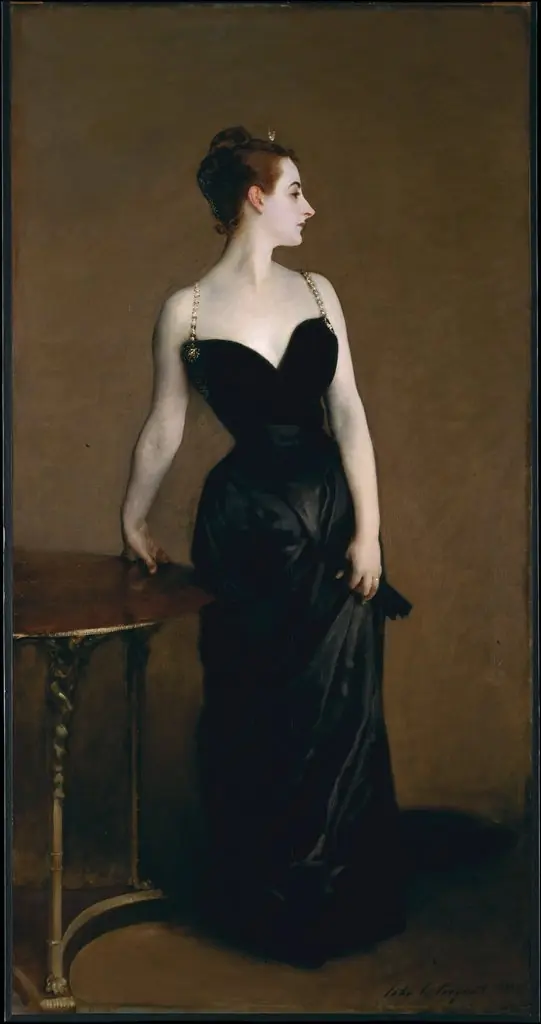
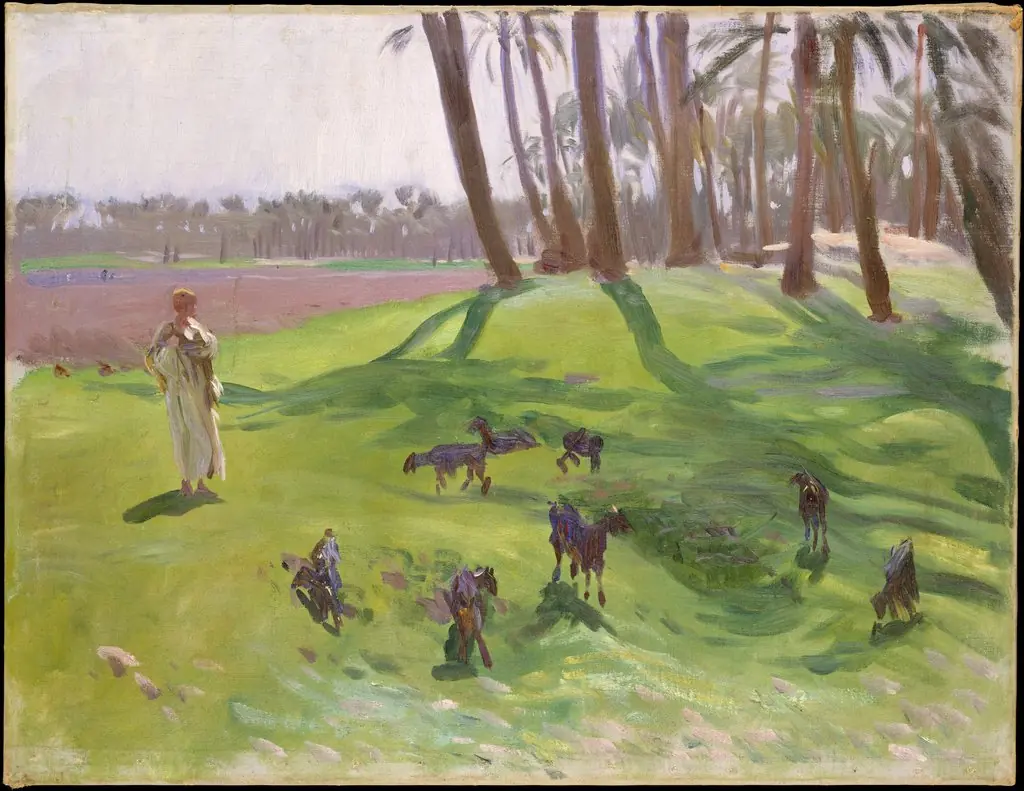
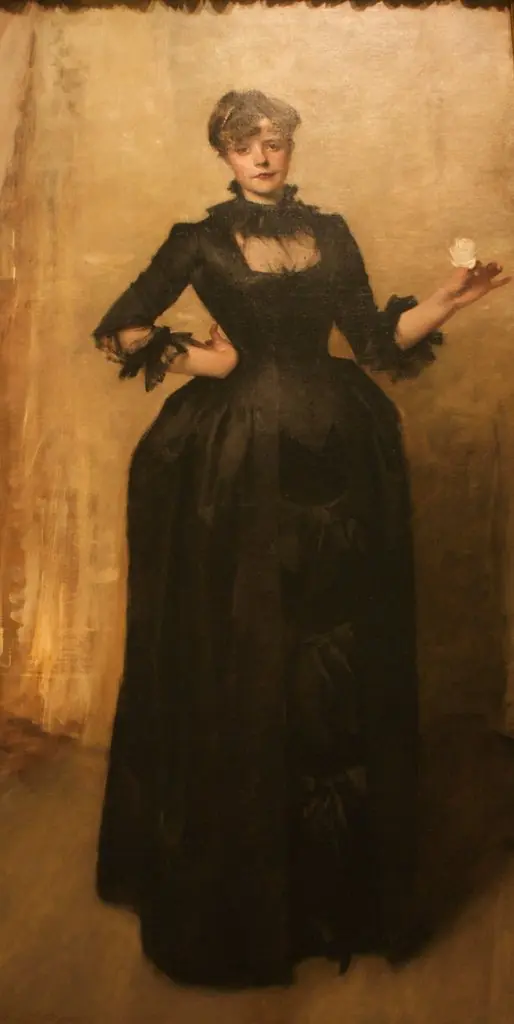
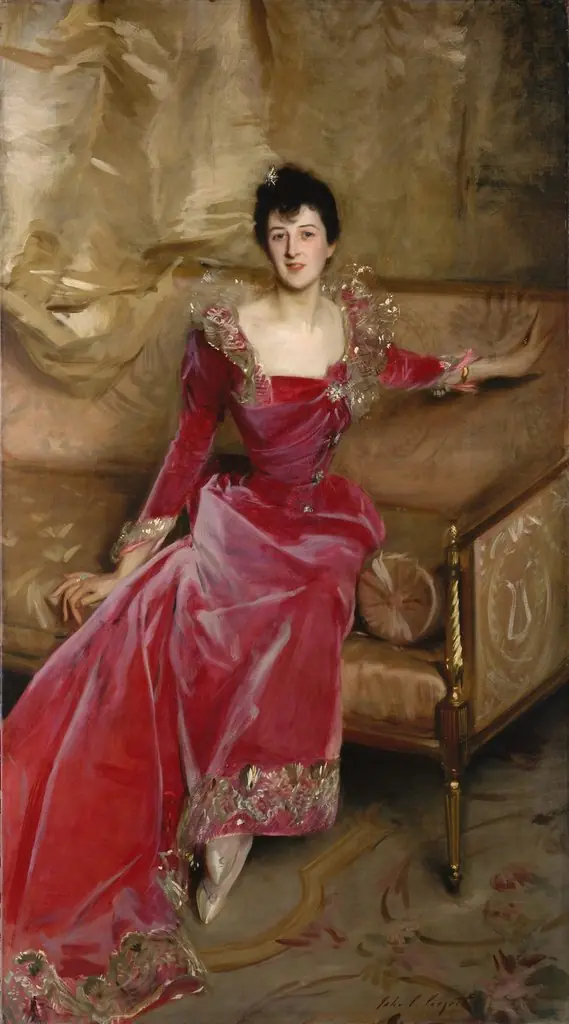
John Singer Sargent (; January 12, 1856 – April 15, 1925) was an American expatriate artist, considered the "leading portrait painter of his generation" for his evocations of Belle Époque and Edwardian-era luxury.