Artwork
Study of Apollo for "Apollo and the Muses"
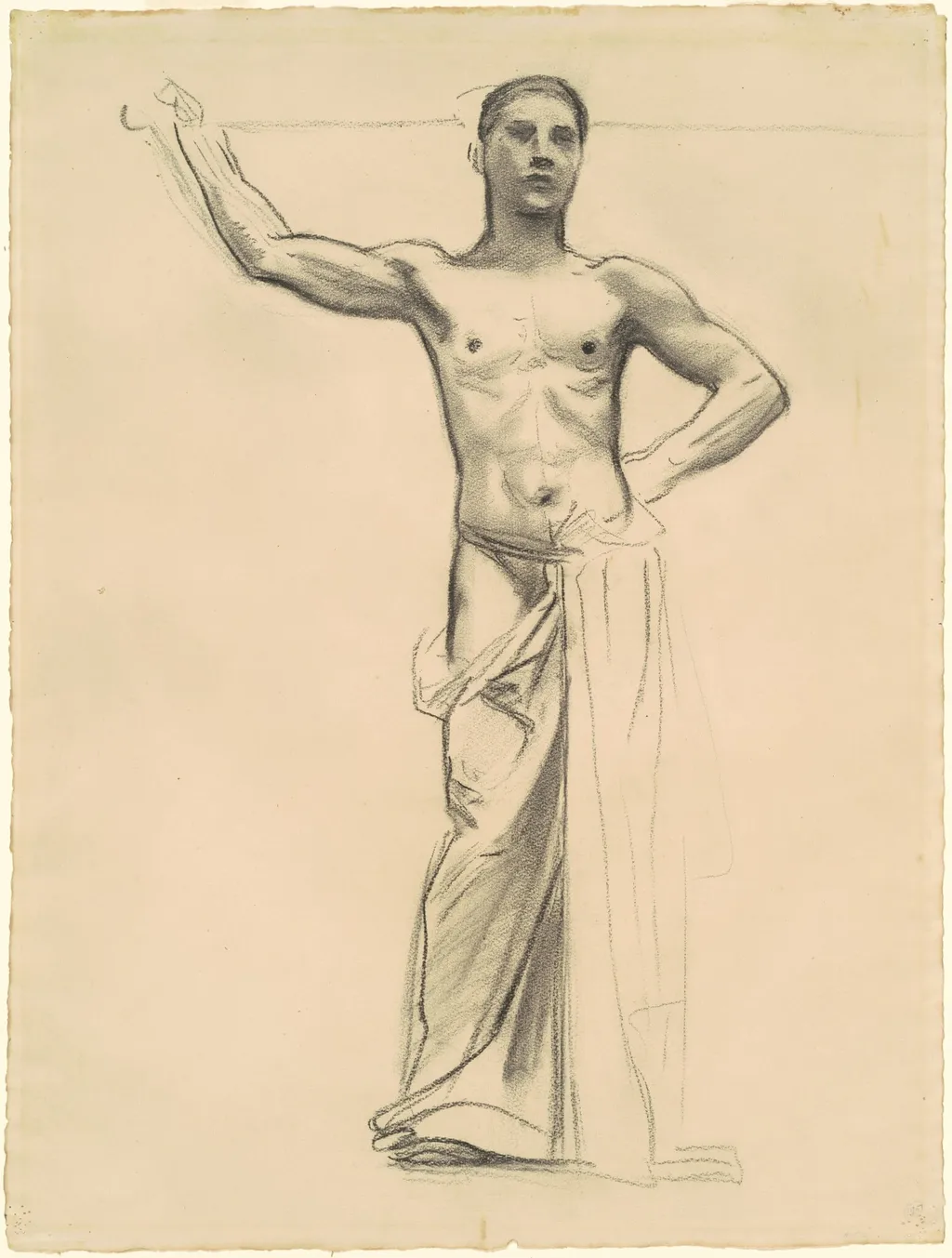
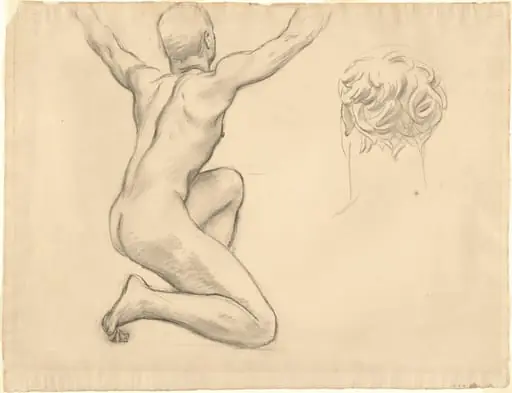
Study of Apollo for "Apollo and the Muses" is a charcoal drawing by John Singer Sargent. It dates from 1921 and is held in the collection of the National Gallery of Art.
About this work
Overview
John Singer Sargent’s charcoal drawing serves as a preparatory study for his larger composition titled “Apollo and the Muses.” Executed on laid paper, the work presents a solitary, standing figure of the Greek god Apollo, rendered with a tranquil demeanor and a focus on anatomical precision.
Subject & Meaning
The figure represents Apollo, the classical deity of music, poetry, and the arts. By depicting him in a composed pose with a gentle expression, Sargent emphasizes the god’s idealized calm and intellectual poise, qualities that would inform the narrative of the completed painting.
Technique & Style
Rendered entirely in charcoal, the study relies on cross‑hatching and subtle tonal gradations to model the musculature and convey volume. The plain, unadorned background isolates the figure, allowing the nuanced shading to define form without distraction, exemplifying Sargent’s command of drawing as a means of structural exploration.
History & Provenance
Created as a preparatory work for the later “Apollo and the Muses,” the drawing remained within Sargent’s studio papers before entering a private collection in the mid‑20th century. It has since been exhibited in retrospectives of the artist’s draftsmanship, illustrating his process in developing large‑scale mythological subjects.
Artist & collection
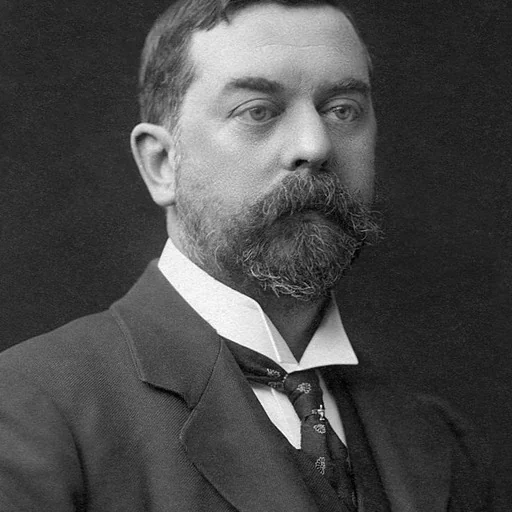
Artist
John Singer Sargent (; January 12, 1856 – April 15, 1925) was an American expatriate artist, considered the "leading portrait painter of his generation" for his evocations of Belle Époque and Edwardian-era luxury.


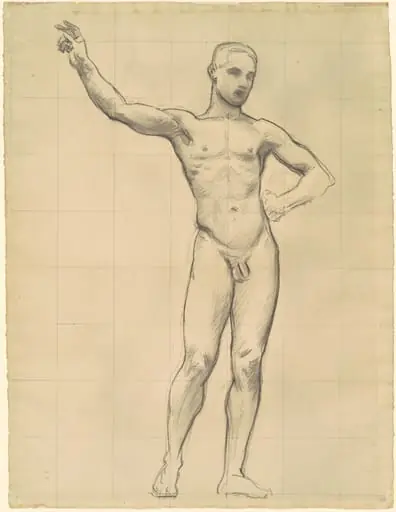 Study of Apollo for "Apollo and the Muses"
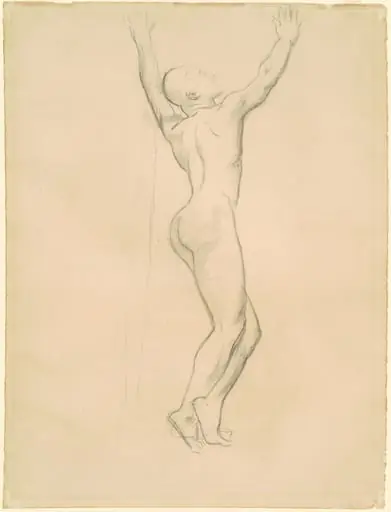 Study for "Apollo and Daphne"
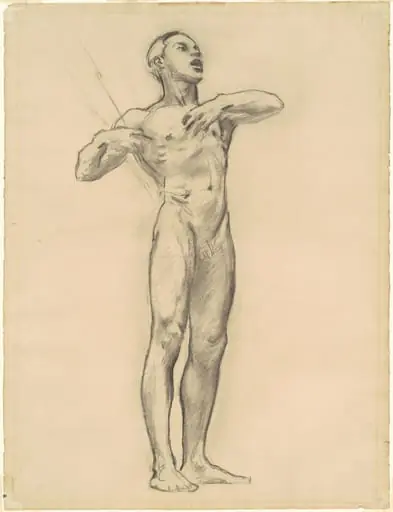 Study of Orpheus for "Classic and Romantic Art"
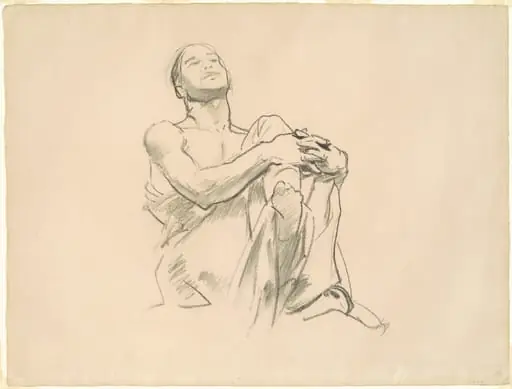 Study for "Astronomy"
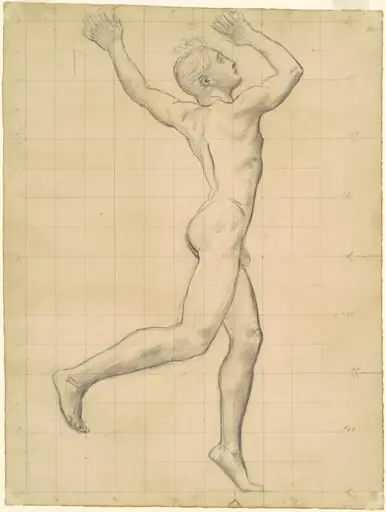 Study of Apollo for "Apollo and Daphne"
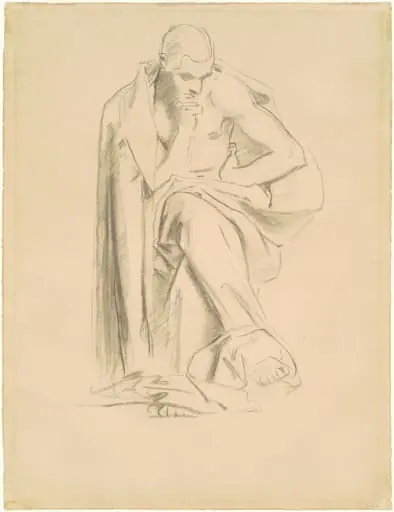 Study for "Philosophy"
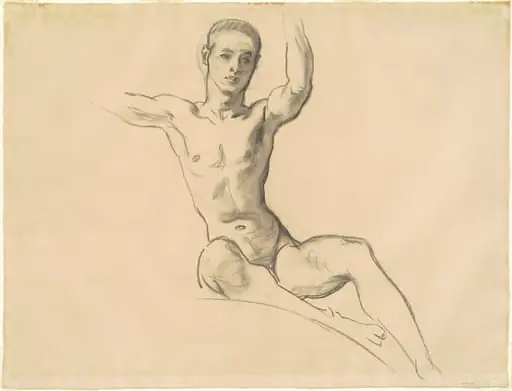 Study for Figure above "Music"
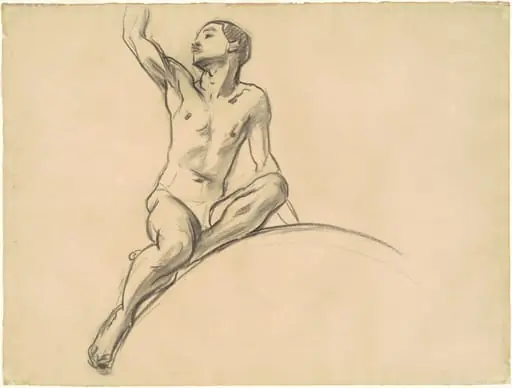 Study for Figure above "Music"
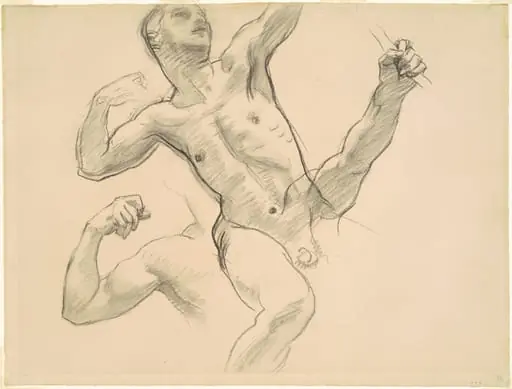 Studies of Achilles for "Chiron and Achilles"
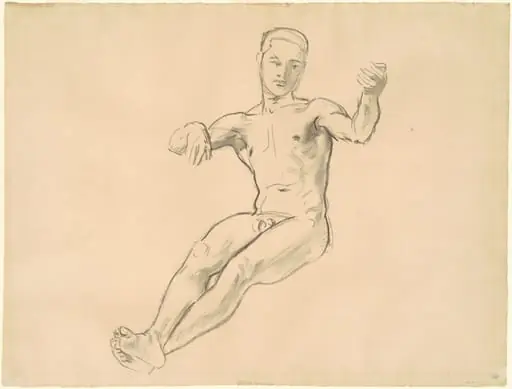 Study for "Arion"
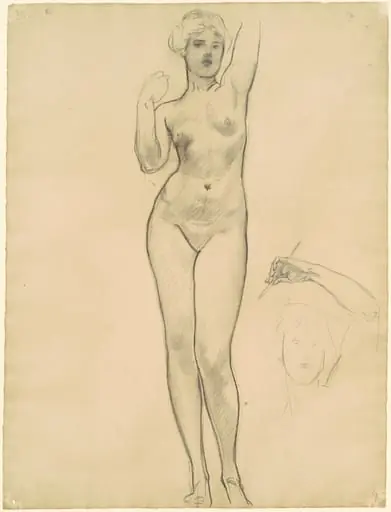 Studies of Aphrodite for "Aphrodite and Eros"
 Studies for "The Unveiling of Truth"