Artwork
Προσωπογραφία του Αλεξάνδρου (Βόδα) Σούτσου
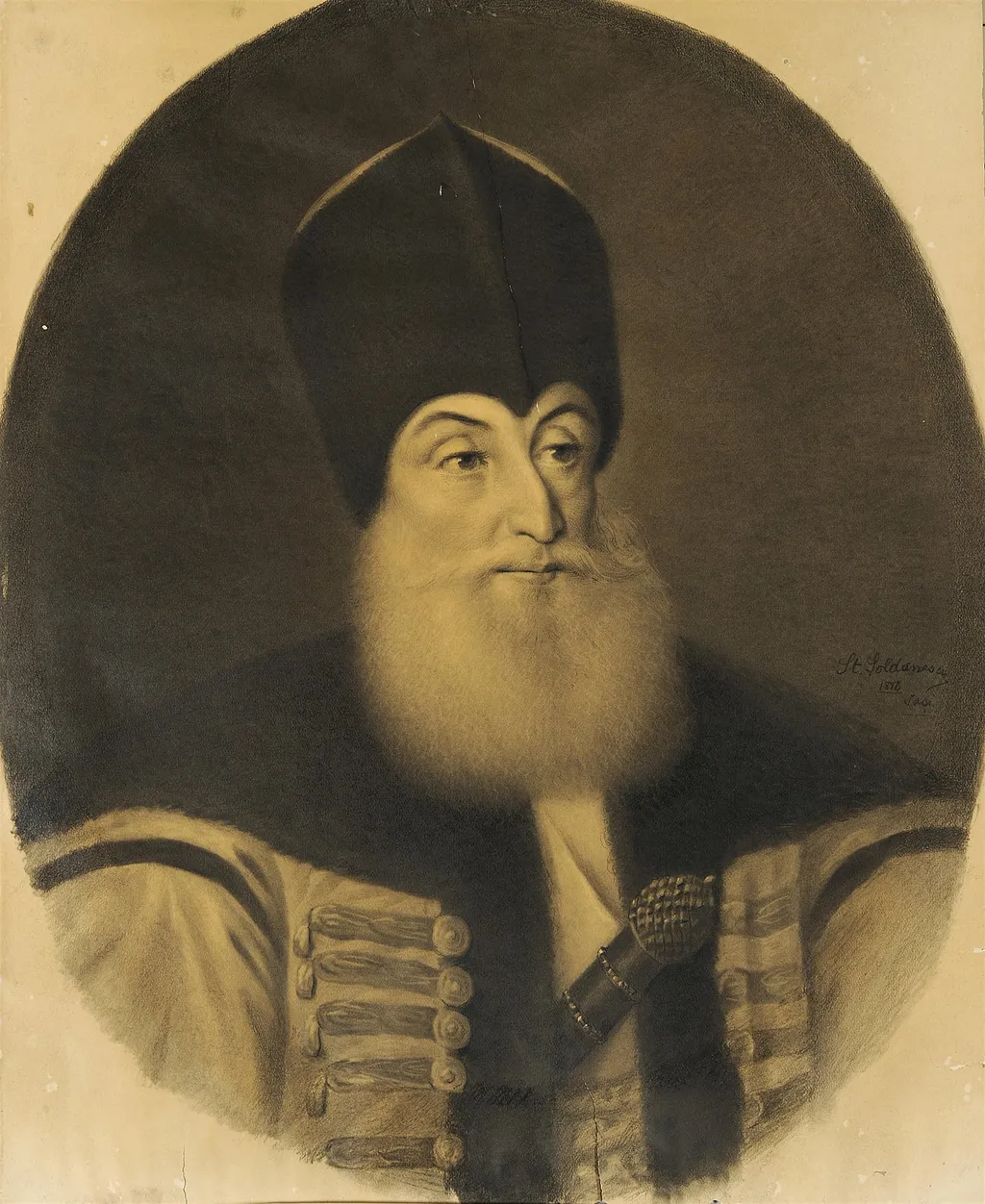
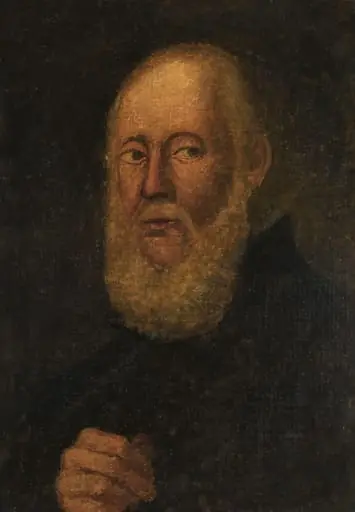
Προσωπογραφία του Αλεξάνδρου (Βόδα) Σούτσου is an unspecified painting by the Impressionist artist Soldanesu St.. It dates from 1886 and is held in the collection of the Historical & Ethnological Society of Greece.
About this work
Overview
, this portrait depicts Alexandros (Voda) Soutsos, a figure associated with Greek cultural life.
Painted in 1886 by Soldanesu St., this portrait depicts Alexandros (Voda) Soutsos, a figure associated with Greek cultural life. Executed in oil on canvas, the work is part of the Museum of Ethnography’s collection. Its intimate scale and unembellished approach reflect a focus on personal presence rather than ceremonial grandeur, aligning with late 19th-century tendencies toward observational portraiture.
Subject & Meaning
The subject, Alexandros Soutsos, is portrayed with a composed, introspective demeanor. His beard, dark hat, and buttoned gloves suggest a man of modest means or traditional dress, possibly from a rural or provincial background. The absence of symbolic objects or elaborate setting directs attention to his expression, conveying quiet dignity rather than social status, hinting at a personal, rather than public, identity.
Technique & Style
The brushwork is deliberately loose, especially around the face and fabric folds, creating a soft, atmospheric effect. Light is diffused evenly, minimizing harsh contrasts and avoiding dramatic chiaroscuro. Details like glove buttons are rendered with minimal precision, prioritizing overall tonal harmony over fine definition. This approach suggests a spontaneous, on-site execution, emphasizing immediacy over polished finish.
History & Provenance
The painting entered the Museum of Ethnography’s holdings shortly after its creation, likely through donation or acquisition tied to cultural documentation efforts of the period. Its preservation within an ethnographic rather than fine arts context indicates an early interest in capturing regional identities and everyday individuals as part of national heritage.
Context
Created during a time when Greek artists were redefining national identity through depictions of ordinary citizens, this portrait reflects a shift away from idealized historical or mythological themes. It aligns with broader European Realist movements that valued authenticity over ornamentation, capturing individuals as they appeared, without embellishment or social pretense.
Legacy
Though not widely exhibited beyond its institutional home, the portrait remains a quiet example of regional portraiture from late Ottoman-era Greece. It contributes to a growing archive of non-elite figures documented visually during a period of cultural transition, offering insight into how personal identity was represented outside elite circles.
Artist & collection
Artist
Museum
Historical & Ethnological Society of Greece
Continue through works from the same source collection.
 Logofătul Balș
 Marele Ban Năsturel Herescu
 Portretul banului Dimitrie Ghica
 Eustratie Ghica
 Portetul lui Alexandru Villara
 Marele Ban Grigore Brâncoveanu
 Portret de bătrân
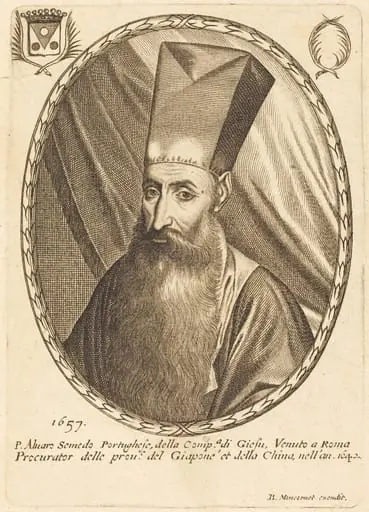 Aluaso Semedo
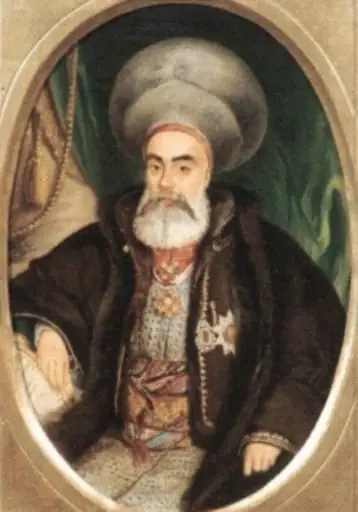 Portetul lui Alecu Ghica
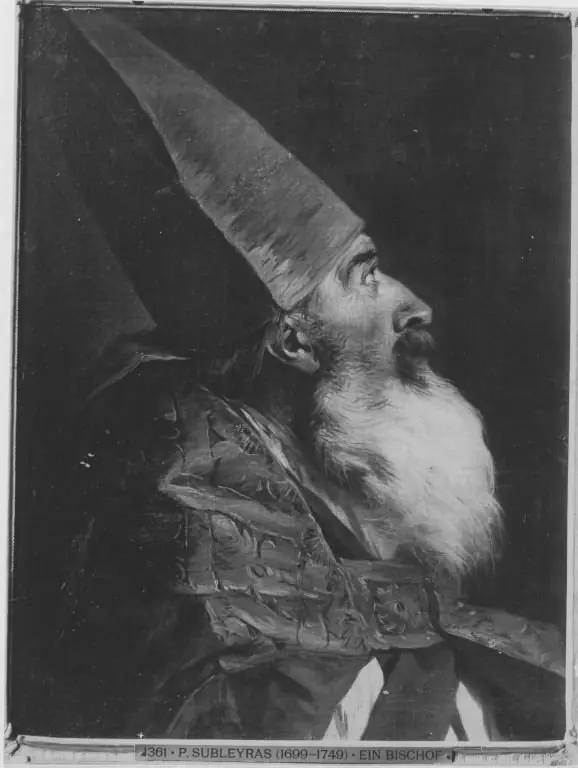 Ein Bischof mit Mitra und Pluviale, Studie für den heiligen Leonzio
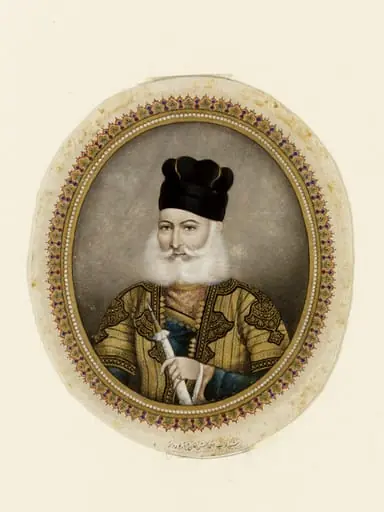 Bust portrait of Ahmad Baksh Khan
 Προσωπογραφία του Θεόφιλου Καΐρη