Artwork
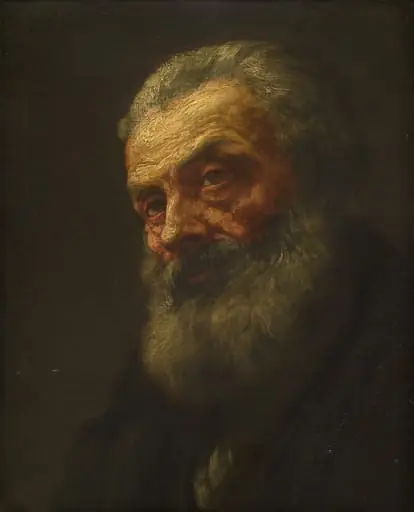
Portrait of an old man
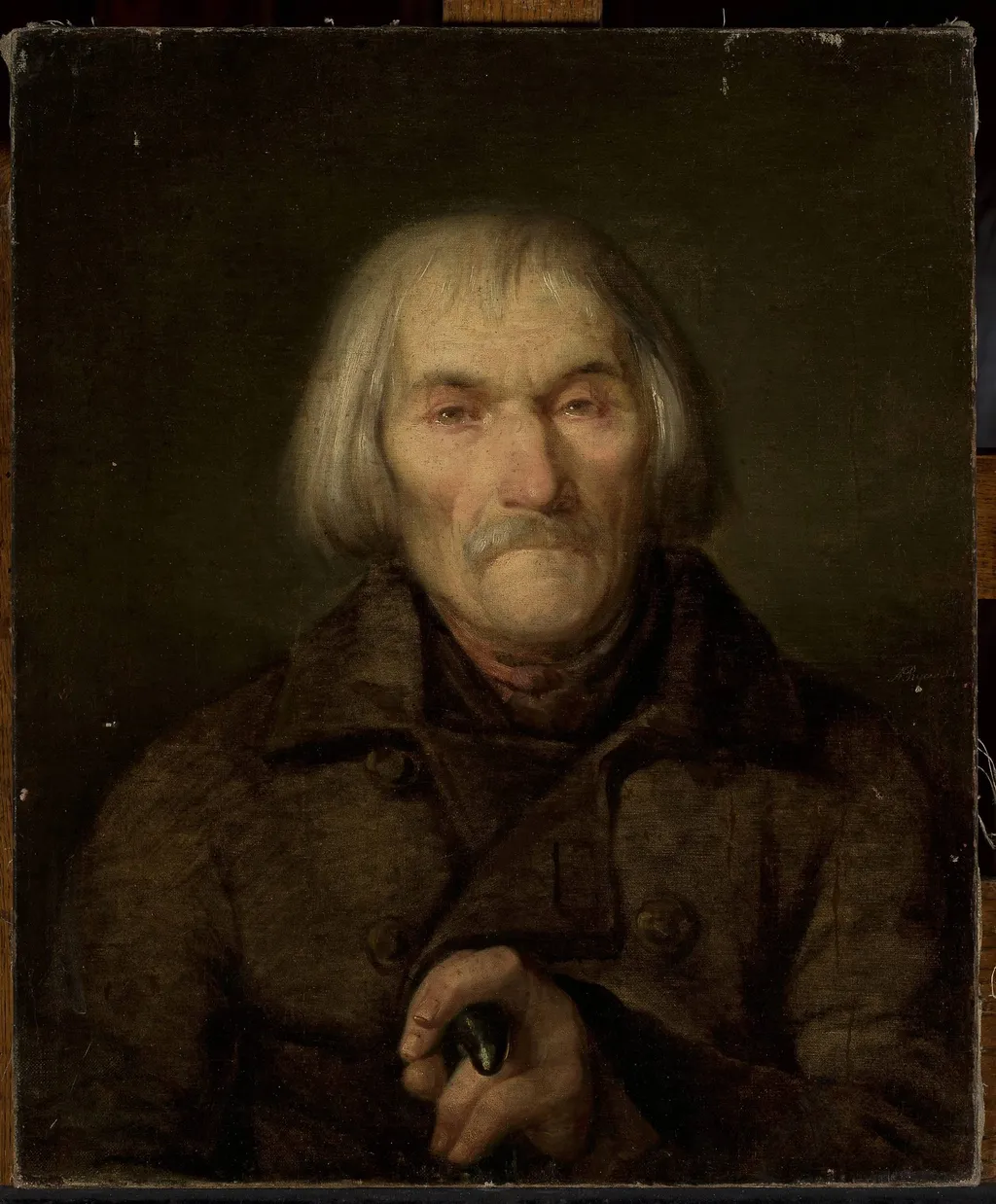
Portrait of an old man is an oil painting by Aleksander Rycerski. It dates from 1855 and is held in the collection of the National Museum in Warsaw.
About this work
Overview
Painted around 1855 by Aleksander Rycerski, this oil portrait depicts an elderly man with quiet dignity. The work is part of the collection at the National Museum in Warsaw. Rendered in muted tones and subdued lighting, the composition focuses intently on the subject’s presence, with minimal environmental detail to emphasize his solitary figure.
Subject & Meaning
The sitter is an older man, his white hair and weathered face suggesting a life of experience. He wears a dark coat and grips a cane in his right hand, signs of age and perhaps physical frailty. His direct gaze and solemn expression convey introspection rather than emotion, inviting contemplation of inner resilience rather than narrative detail.
Technique & Style
Rycerski employs oil paint with restrained brushwork, using chiaroscuro to model the man’s face and hands against a near-black background. Light falls subtly across the forehead, cheek, and cane, defining form without drama. The palette is limited to earth tones and grays, reinforcing the portrait’s somber tone and focus on texture over decoration.
History & Provenance
The painting entered the National Museum in Warsaw’s collection in the 19th century, likely acquired during a period of growing interest in Polish portraiture. Its attribution to Rycerski is based on stylistic comparison with his other known works, though little documentation exists regarding its early ownership or commission.
Context
Created during a time when Polish artists were navigating national identity under foreign partitions, this portrait reflects a quiet realism common in regional studios. Unlike grand historical scenes, it turns inward, valuing individual character over public symbolism — a trend seen in lesser-known but persistent portrait traditions of the era.
Legacy
Rycerski’s portrait remains a modest but enduring example of 19th-century Polish realism. While not widely exhibited, it contributes to understanding the breadth of portraiture beyond elite commissions. Its restrained aesthetic continues to inform studies of how everyday dignity was rendered in a period marked by political upheaval.
Artist & collection
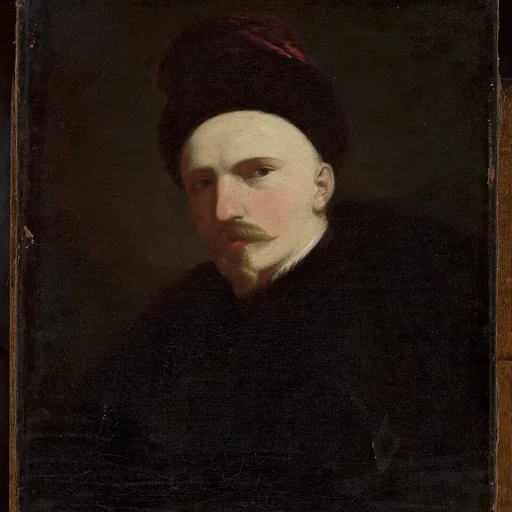
Artist
Aleksander Rycerski (1825–1866) was an artist, born in Ciszyca, Świętokrzyskie Voivodeship.

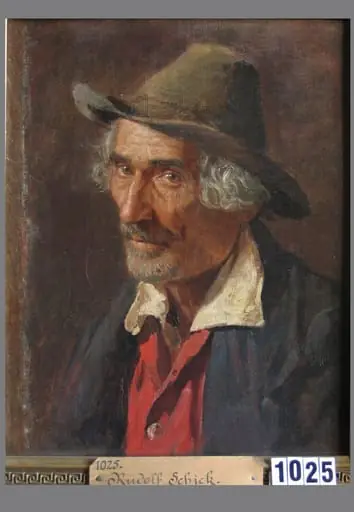 Țăran din Carrara. Pandant: Bătrân din Ciociara (în registrul inventar: Un bătrân)
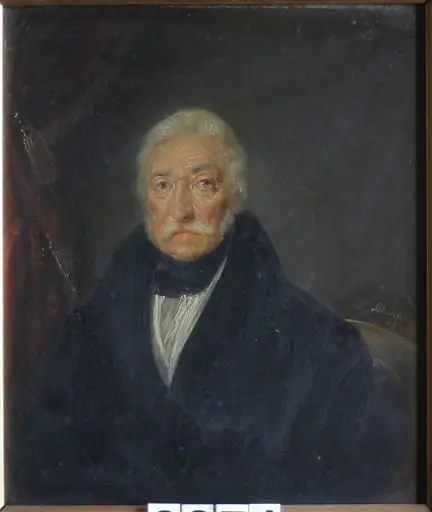 Portret de bărbat
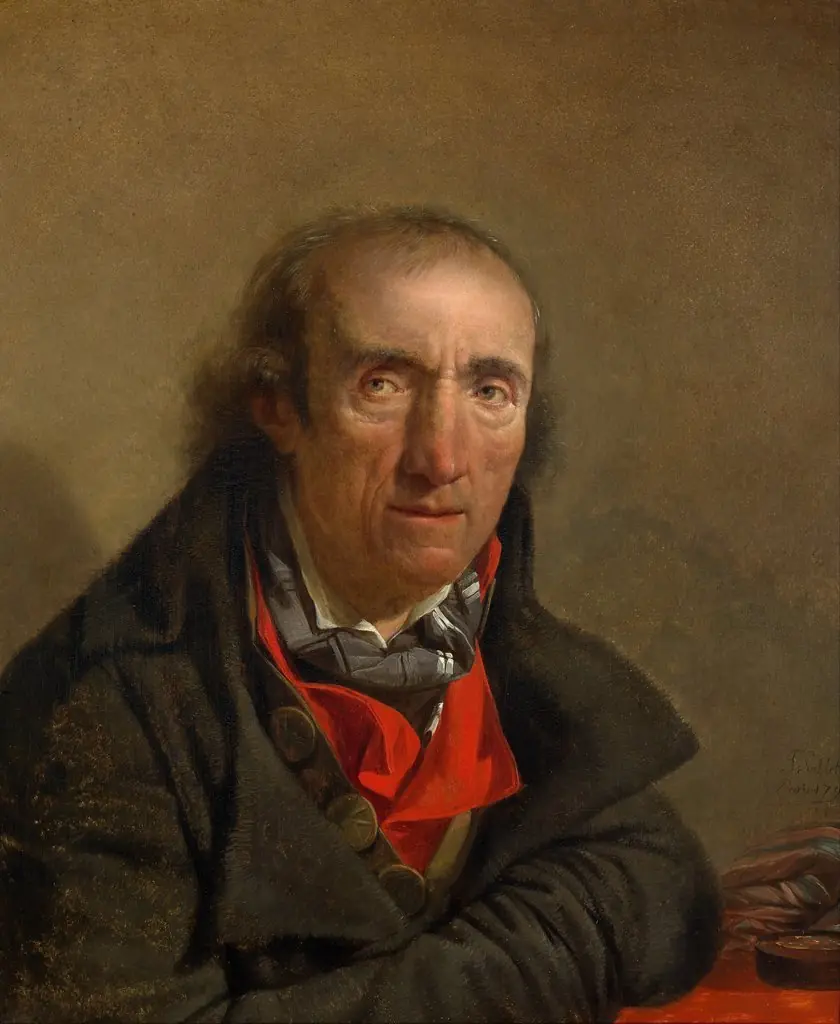 Daniel Kervégan, Mayor of Nantes
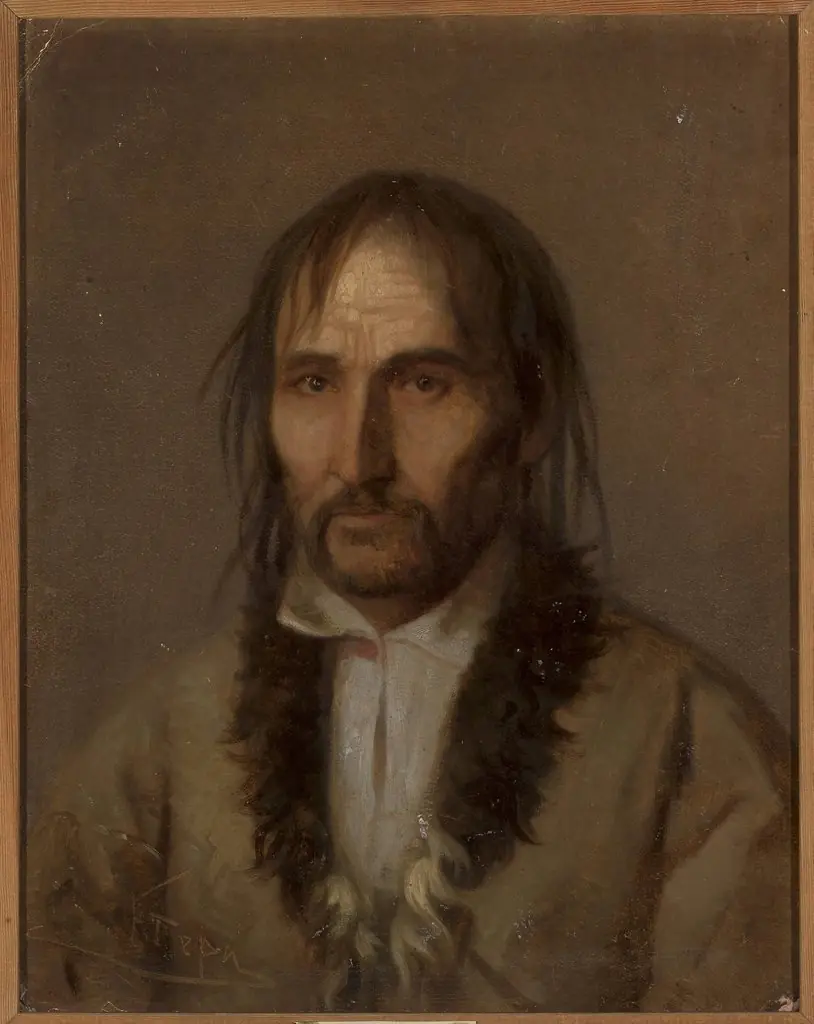 Head of a Highlander
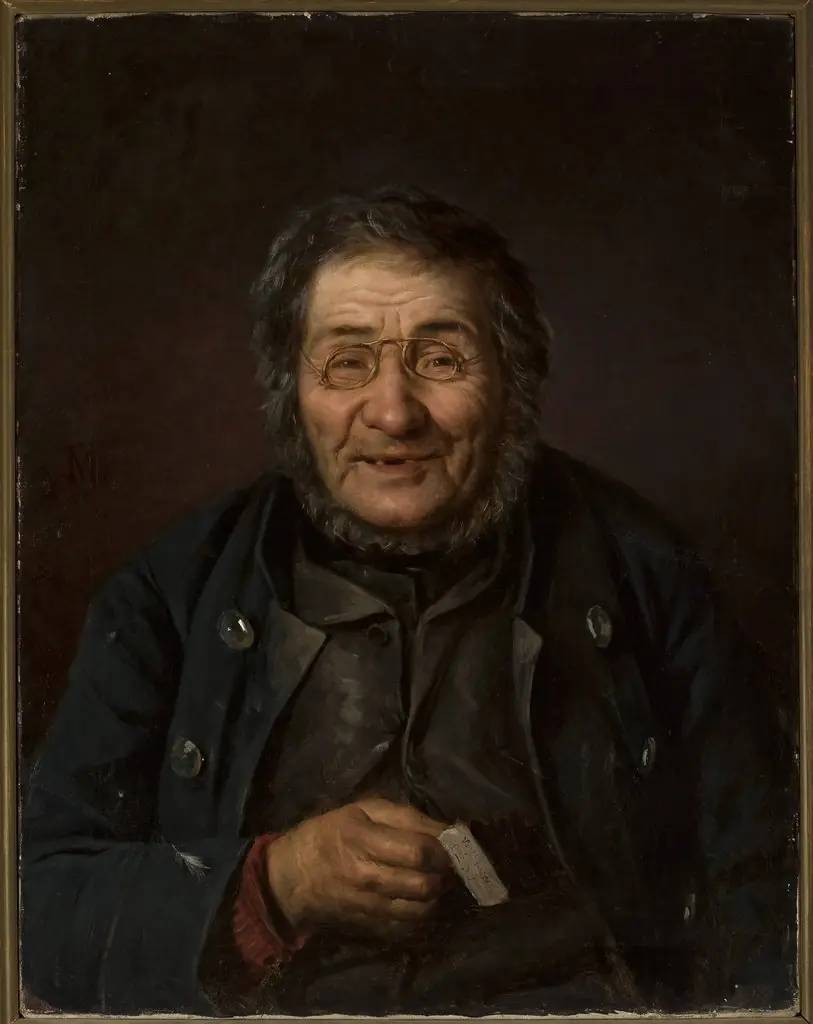 Portrait of Ambroży Mieroszewski
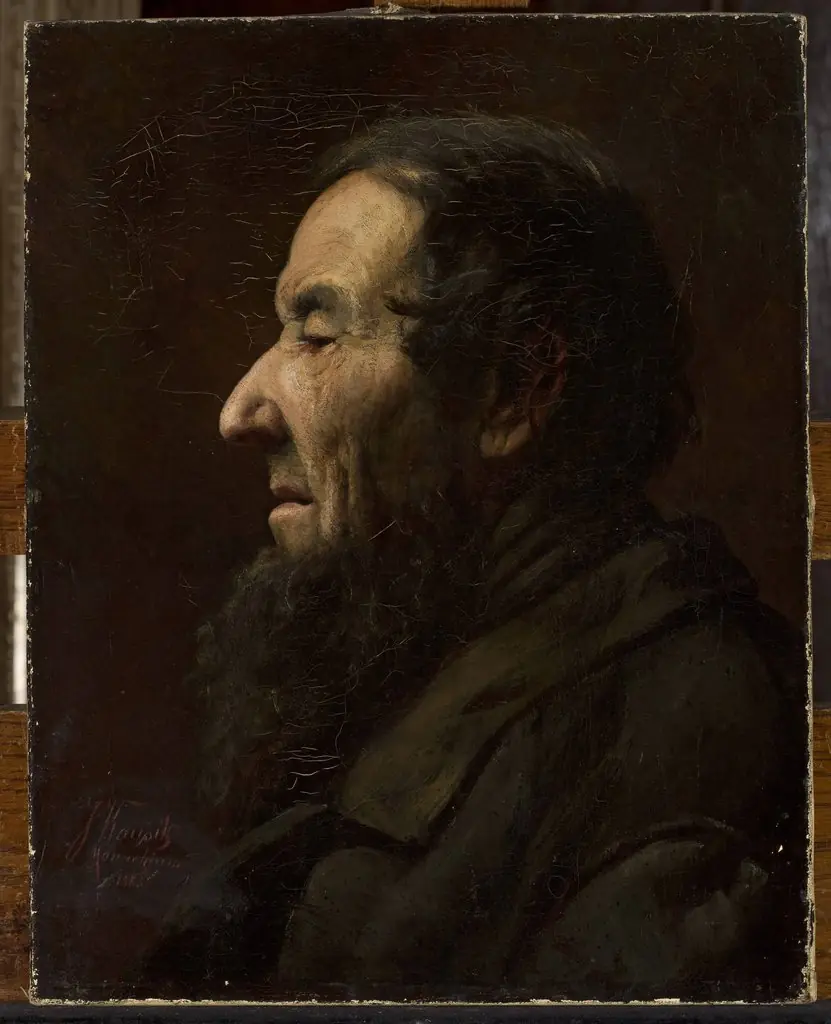 Male portrait in profile, study
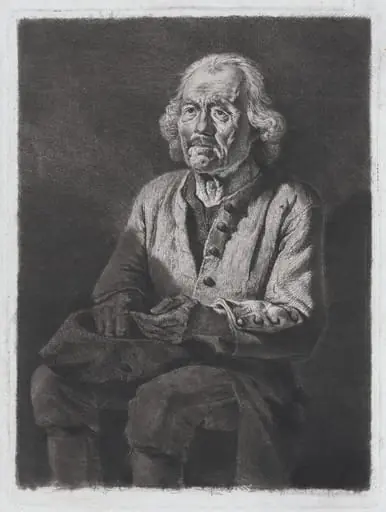 Old Gérard, Peasant from Chasselay
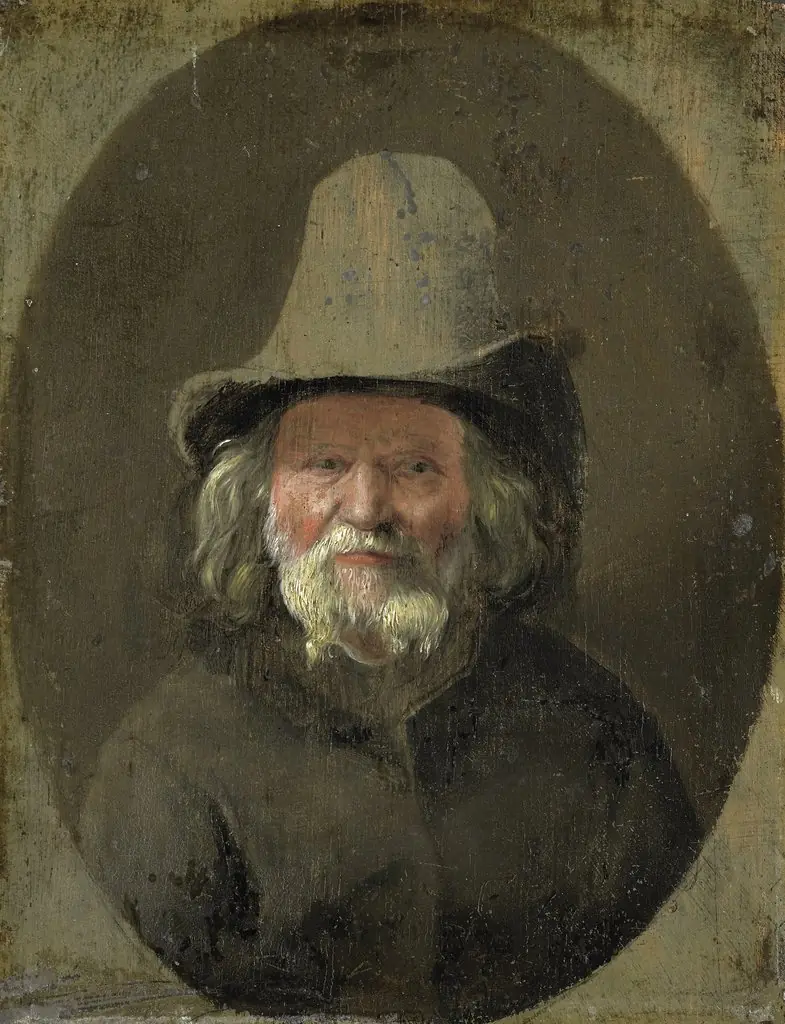 An old man
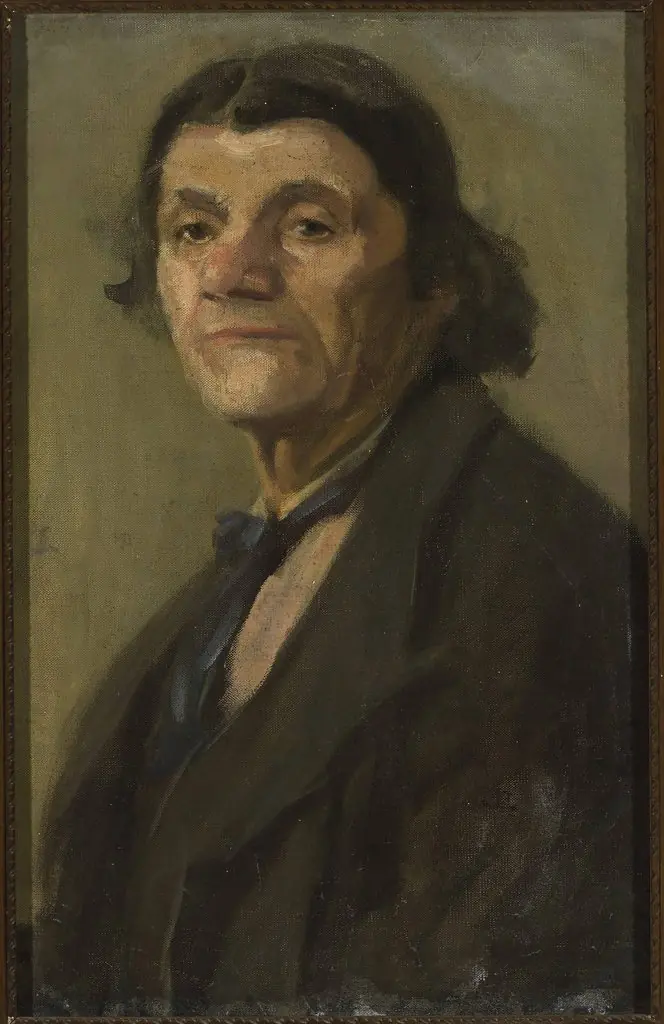 Male portrait
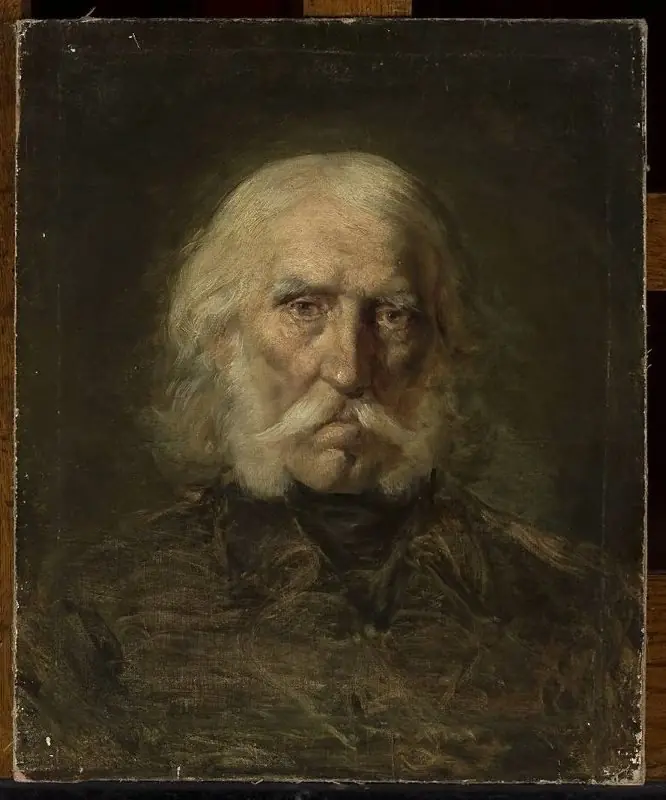 Head of an old man
 Habitant with Blue Tuque and Pipe
 Portrait of an Old Man