Artwork
Thomas Wentworth, Earl of Strafford
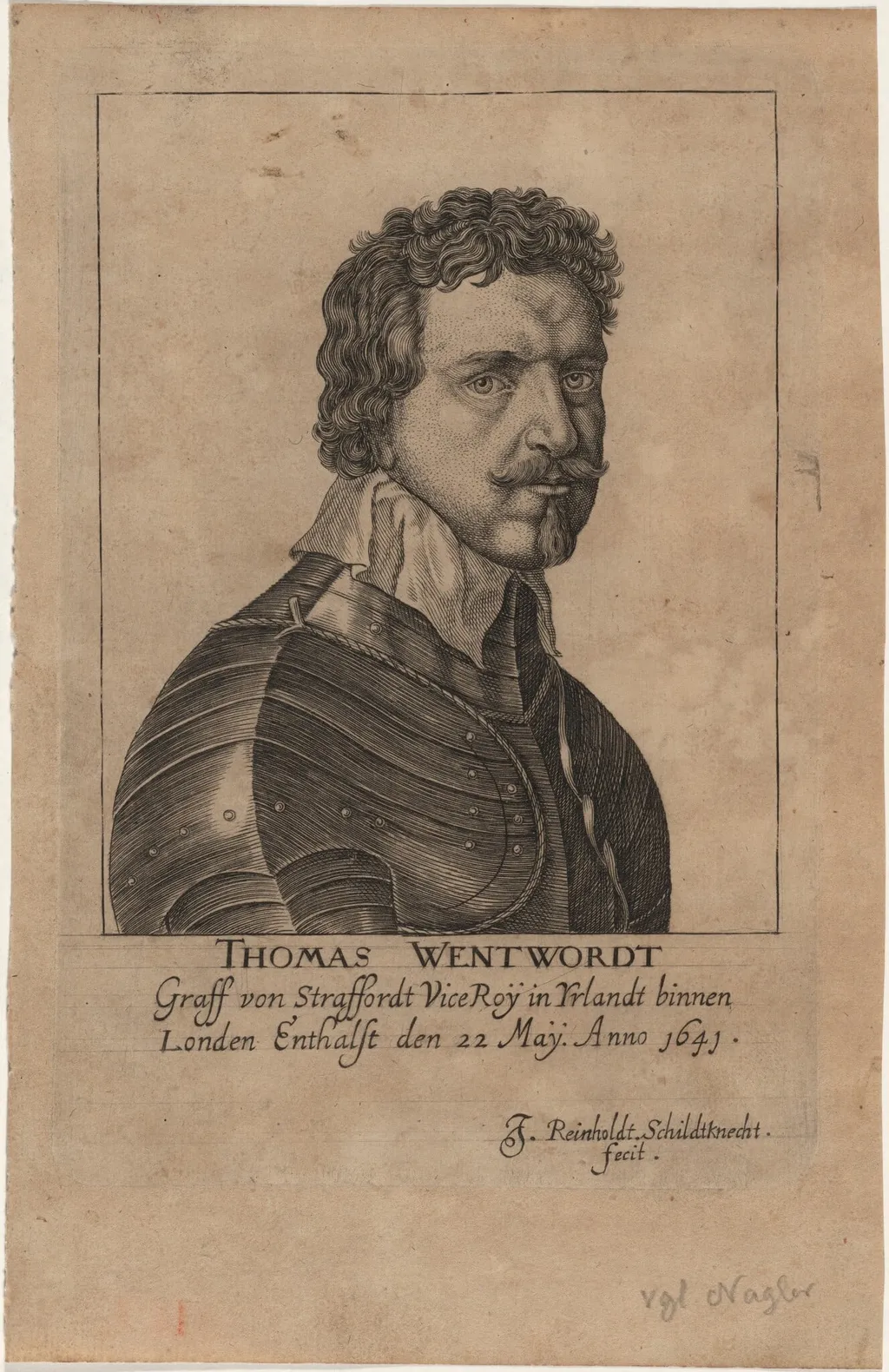
Thomas Wentworth, Earl of Strafford is an ink print by the Renaissance artist Johann Reinhold Schildknecht. It dates from 1651 and is held in the collection of the National Gallery of Art.
About this work
This black-and-white portrait shows a man with curly hair, a mustache, and a serious expression.
This black-and-white portrait shows a man with curly hair, a mustache, and a serious expression. He’s wearing a dark, buttoned jacket with visible stitching. The background is plain, focusing all attention on his face.
The text below names him *Thomas Wentworth* and notes the year 1641, but the real trick is how the artist used tiny lines to build up shadows and depth—this is *cross-hatching*.
Next, look up how *engraving* works to see how artists like this carved images into metal.
Overview
This 1651 copper engraving presents Thomas Wentworth, Earl of Strafford, in a stark monochrome composition. The portrait isolates the sitter against an unadorned backdrop, directing the viewer’s focus to his facial features and attire. The work exemplifies mid‑seventeenth‑century printmaking, offering a clear visual record of the English nobleman’s appearance during a turbulent political era.
Subject & Meaning
Thomas Wentworth, a prominent statesman who held the title Earl of Strafford, is depicted with a solemn demeanor, curly hair, and a neatly trimmed mustache. His dark, buttoned coat and the direct gaze convey authority and gravitas, reflecting his high rank and the serious nature of his public life amid the conflicts of the early 1640s.
Technique & Style
Johann Reinhold Schildknecht employed fine cross‑hatching to render tonal variation, layering intersecting lines to suggest shadow and form. This meticulous approach creates depth in the facial planes and texture in the clothing, while the plain background underscores the precision of the engraving technique typical of German printmakers of the period.
History & Provenance
Created in 1651, the print was produced shortly after Strafford’s execution in 1641, suggesting it may have served as a commemorative image. The engraving bears Schildknecht’s signature, linking it to his workshop in Nuremberg, and it has since circulated among collections of early modern portrait prints, documenting both the subject’s legacy and the artist’s craft.
Artist & collection

 Thomas Wentworth, Earl of Strafford
 Thomas Wentworth, Earl of Strafford
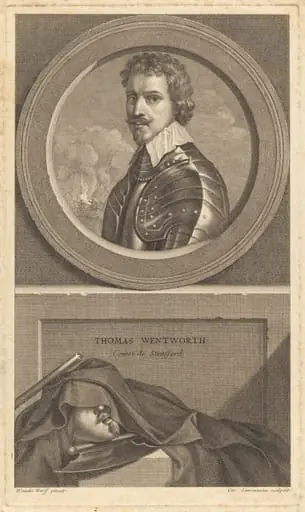 Thomas Wentworth, Comte de Strafford
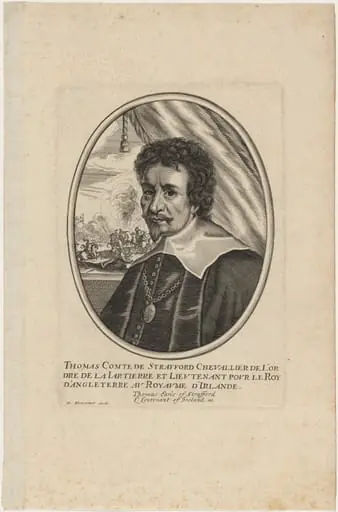 Thomas Wentworth, Earl of Strafford
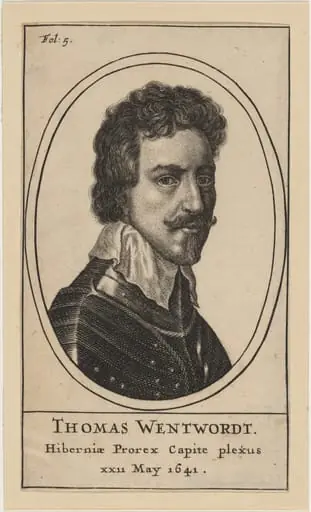 Thomas Wentworth, Earl of Strafford
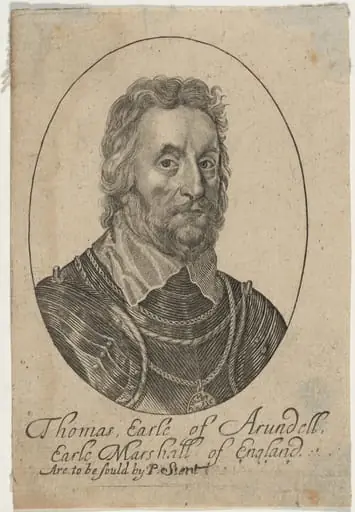 Thomas Howard, Earl of Arundel
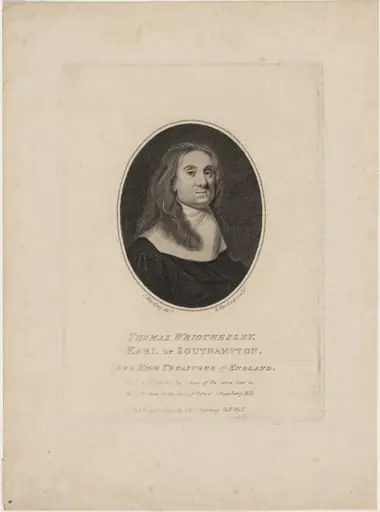 Thomas Wriothesley, Earl of Southampton
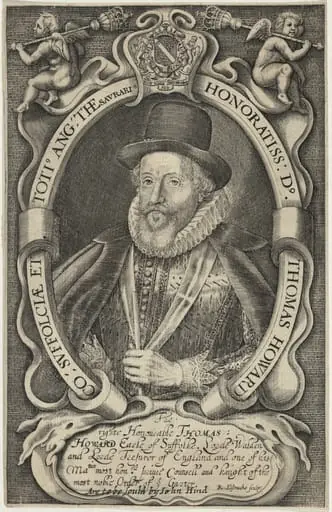 Thomas Howard, First Earl of Suffolk
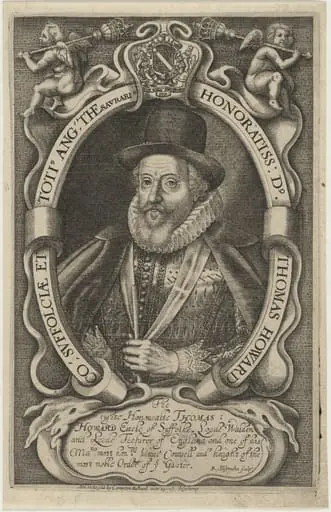 Thomas Howard, First Earl of Suffolk
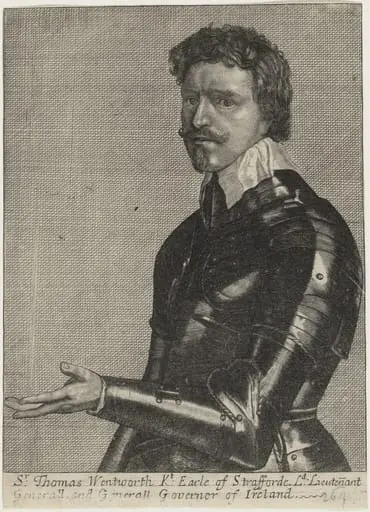 Thomas Wentworth, First Earl of Stafford
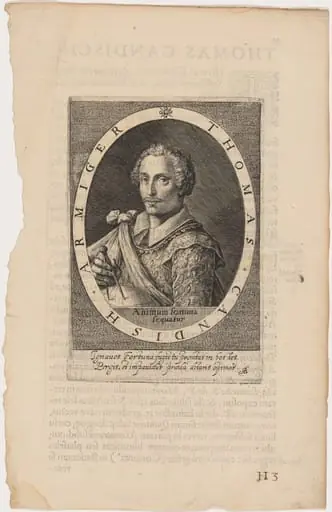 Thomas Cavendish
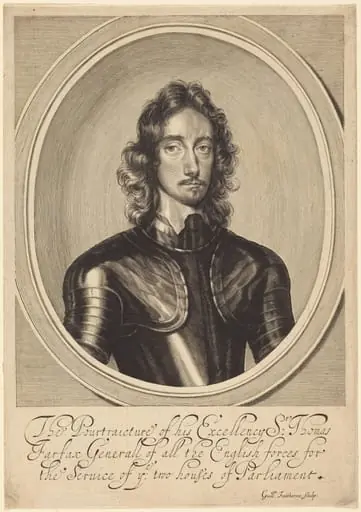 Lord Thomas Fairfax