Artwork
John Bate
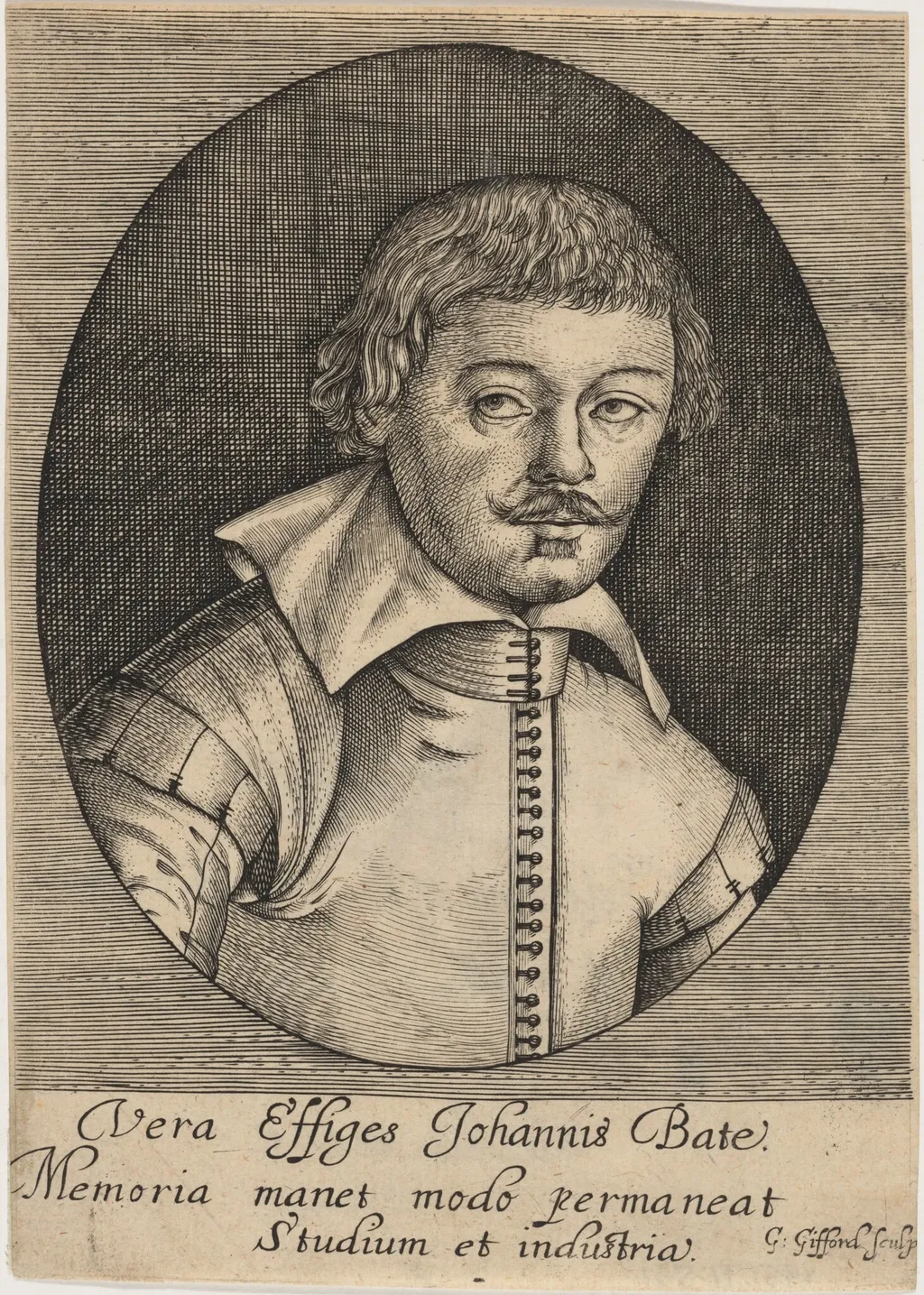
John Bate is an ink print by the Renaissance artist George Gifford. It dates from 1630 and is held in the collection of the National Gallery of Art.
About this work
Overview
George Gifford’s 1630 engraving presents a portrait of a man identified by the inscription *Vera Effiges Johannis Bate*. Rendered in black‑and‑white, the image is confined within a rounded frame and set against an unadorned background, emphasizing the sitter’s features and attire.
Subject & Meaning
The portrait depicts a gentleman with short, curly hair, a neatly trimmed mustache, and a ruffled collar, holding what appears to be a small book or sheet of paper. The inclusion of the text and the book suggests a scholarly or clerical identity, aligning the figure with the intellectual culture of early‑17th‑century England.
Technique & Style
Gifford employs fine line work and cross‑hatching to model the face, creating subtle gradations of tone that convey depth and three‑dimensionality. The disciplined use of line and shading reflects the technical precision typical of English engravers of the period, while the rounded frame adds a compositional balance to the portrait.
History & Provenance
Created in 1630, the print is an example of early modern English portraiture circulated through printmaking. Although specific ownership records are scarce, the work’s survival indicates it was likely part of a private collection or used for commemorative purposes, preserving the likeness of John Bate for posterity.
Artist & collection

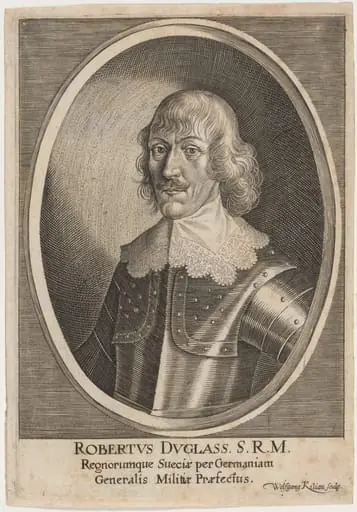 Robert Duglass, Swedish General
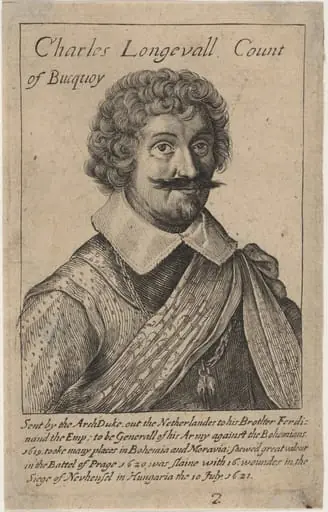 Charles, Count of Bucquoy
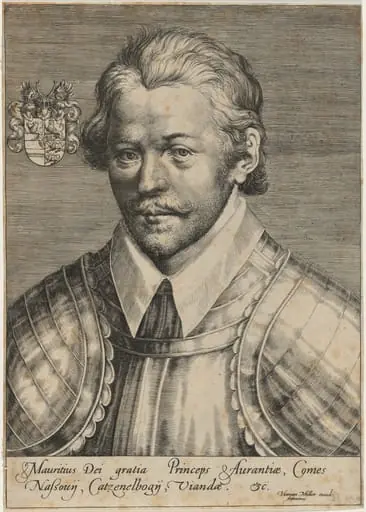 Maurice, Prince of Orange
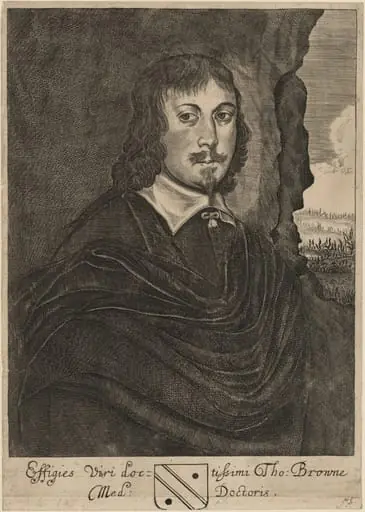 Tho. Browne, Med. Doctoris (Sir Thomas Browne, M.D.)
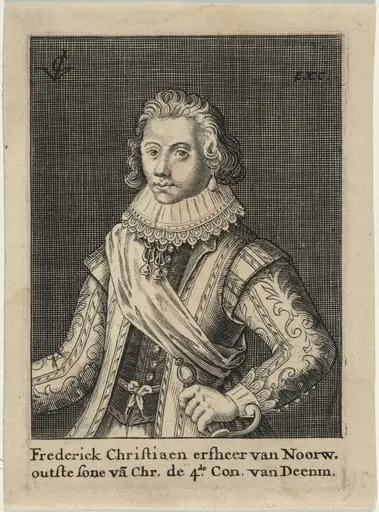 Frederick Christian III, King of Denmark and Norway
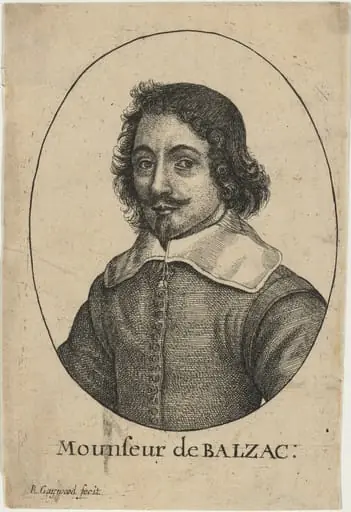 Jean Louis Guez, Sieur de Balzac
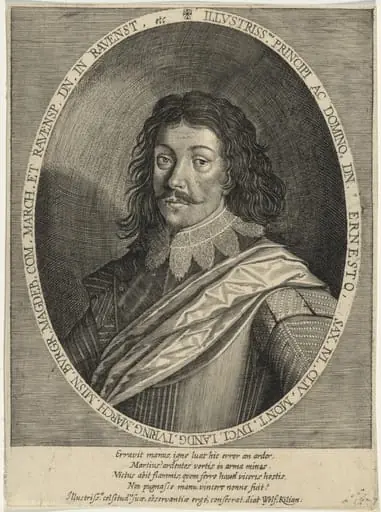 Prince Ernest, Duke of Saxony and Cleves
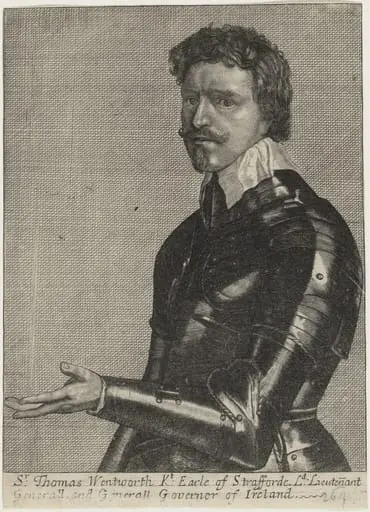 Thomas Wentworth, First Earl of Stafford
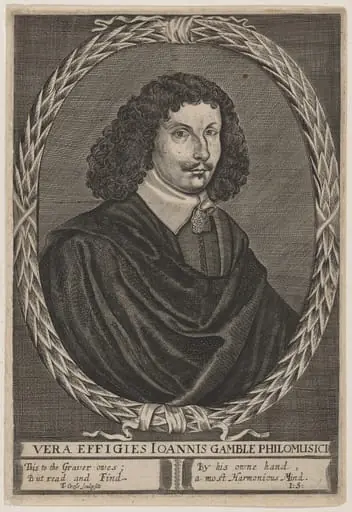 Johanis Gamble (John Gamble)