Artwork
Gustaf Borgström
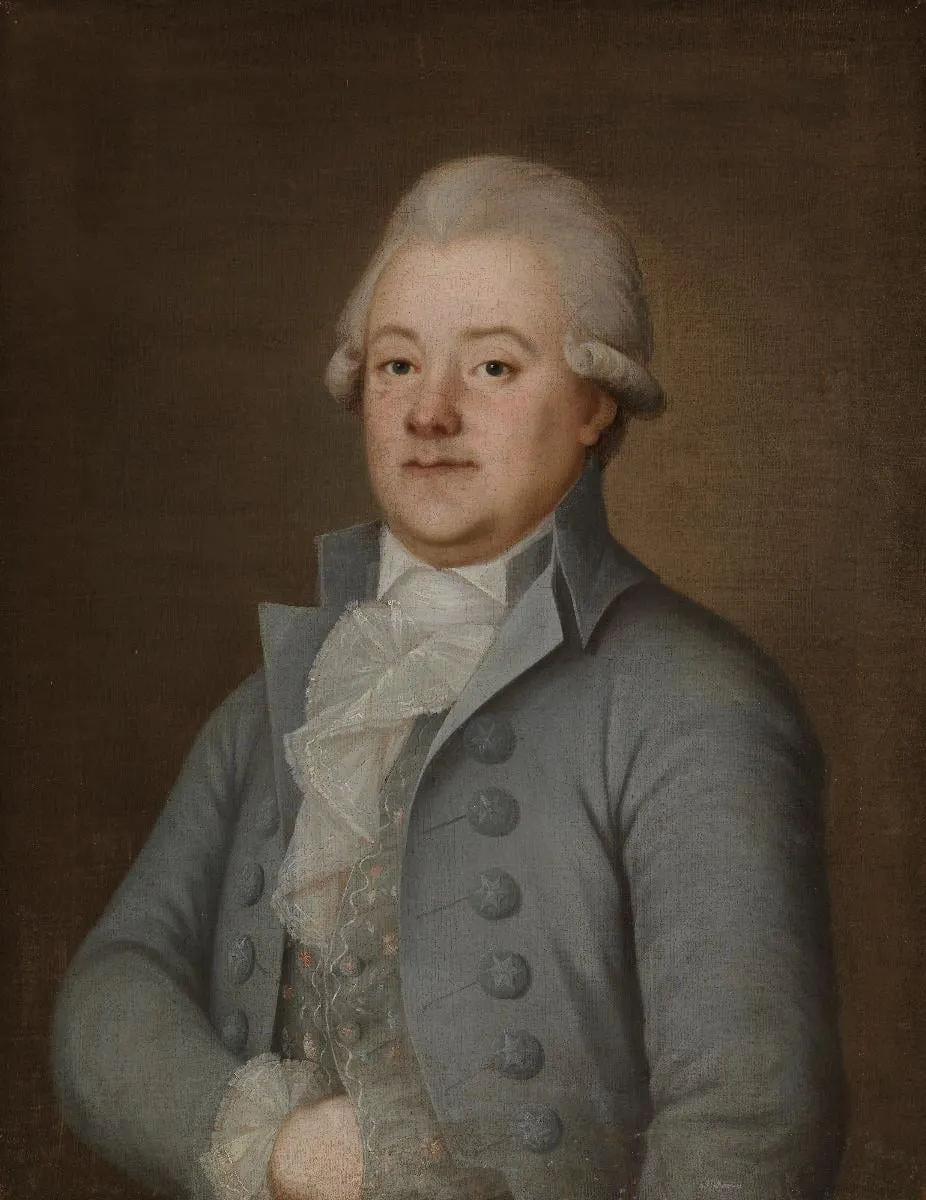
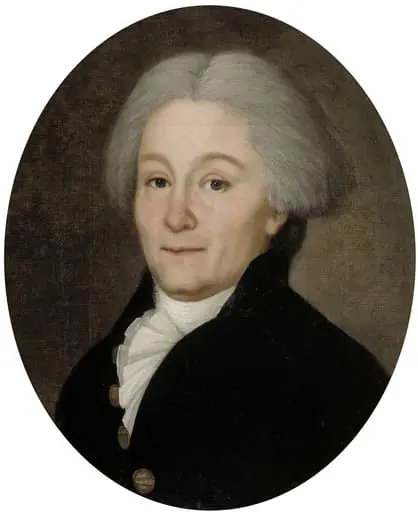
Gustaf Borgström is an unspecified painting by Nils Schillmark. It is held in the collection of the Finnish National Gallery. This portrait depicts a man in formal 18th-century attire, rendered with quiet precision against a uniform dark background.
About this work
Overview
This portrait depicts a man in formal 18th-century attire, rendered with quiet precision against a uniform dark background. The composition isolates the figure, emphasizing his poised demeanor and refined clothing. The artist employs controlled lighting to define the contours of the face and garments, drawing attention to the texture of fabric and the stillness of the subject's gaze.
Subject & Meaning
The subject is dressed in the attire of a well-to-do gentleman of the late 1700s, with a powdered wig, white cravat, and leather glove suggesting social status and composure. His direct gaze and restrained posture convey dignity and self-possession, typical of portraiture meant to project personal authority rather than emotional expression.
Technique & Style
The artist uses smooth, even brushwork to model the skin and fabric, creating a sense of solidity without visible texture. A subtle chiaroscuro effect enhances the three-dimensionality of the face and coat, with light falling gently from one side to define the jawline and collar. The dark background eliminates distraction, focusing attention entirely on the figure.
History & Provenance
The portrait is attributed to Gustaf Borgström, a Swedish artist active in the late 18th century. While little is documented about the sitter, the style aligns with bourgeois portraiture of the period in Sweden, where such images served to affirm social identity. The work likely originated in a private collection before entering institutional care.
Context
In late 18th-century Sweden, portraiture for the middle and upper classes emphasized restraint and elegance, reflecting Enlightenment ideals of rationality and decorum. Powdered wigs and formal cravats were markers of respectability, and artists like Borgström catered to patrons seeking to document their standing through sober, well-lit likenesses.
Legacy
Borgström’s portrait exemplifies a quiet tradition of Swedish civic portraiture, distinct from the grandeur of royal or aristocratic commissions. Its simplicity and attention to light reflect a broader Northern European tendency toward understated realism, influencing later generations who valued psychological presence over ornamental display.
Artist & collection
Artist
Nils Schillmark (26 September 1745 – 28 January 1804) was a Swedish painter who lived and worked in the part of Sweden that later would be Finland.

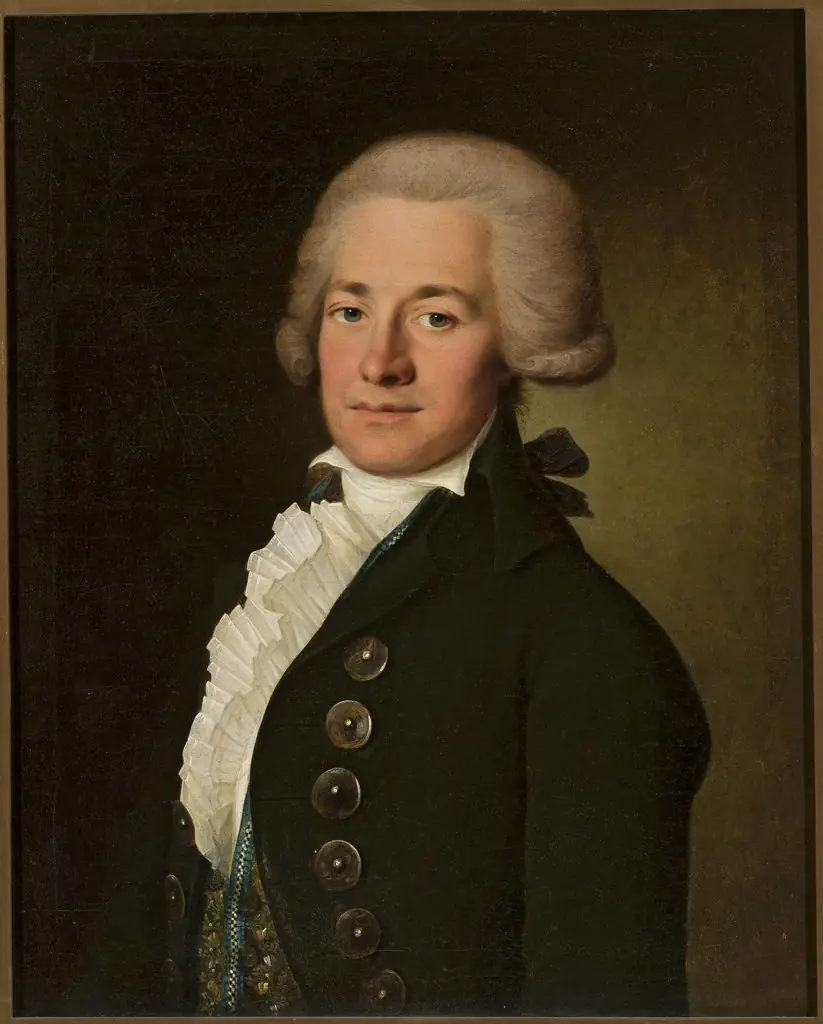 Portrait of a young man in a wig en catogan
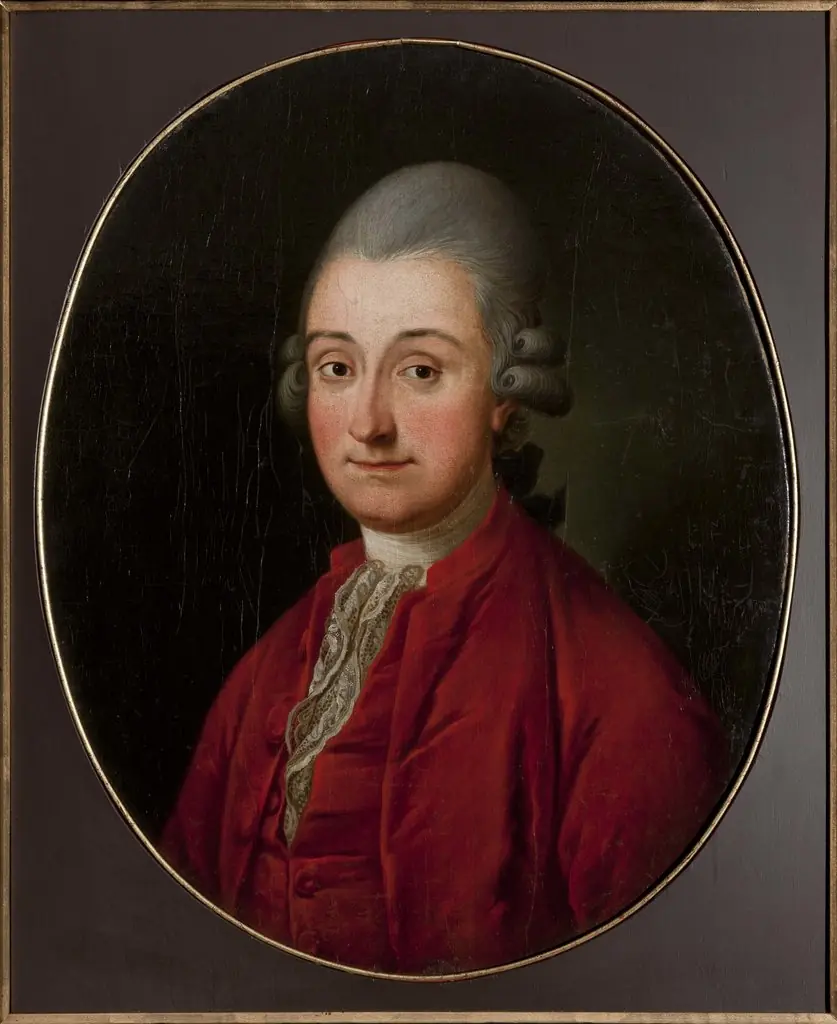 Portrait of Franciszek Dembiński (?–1776), the last starost of Wolbrom
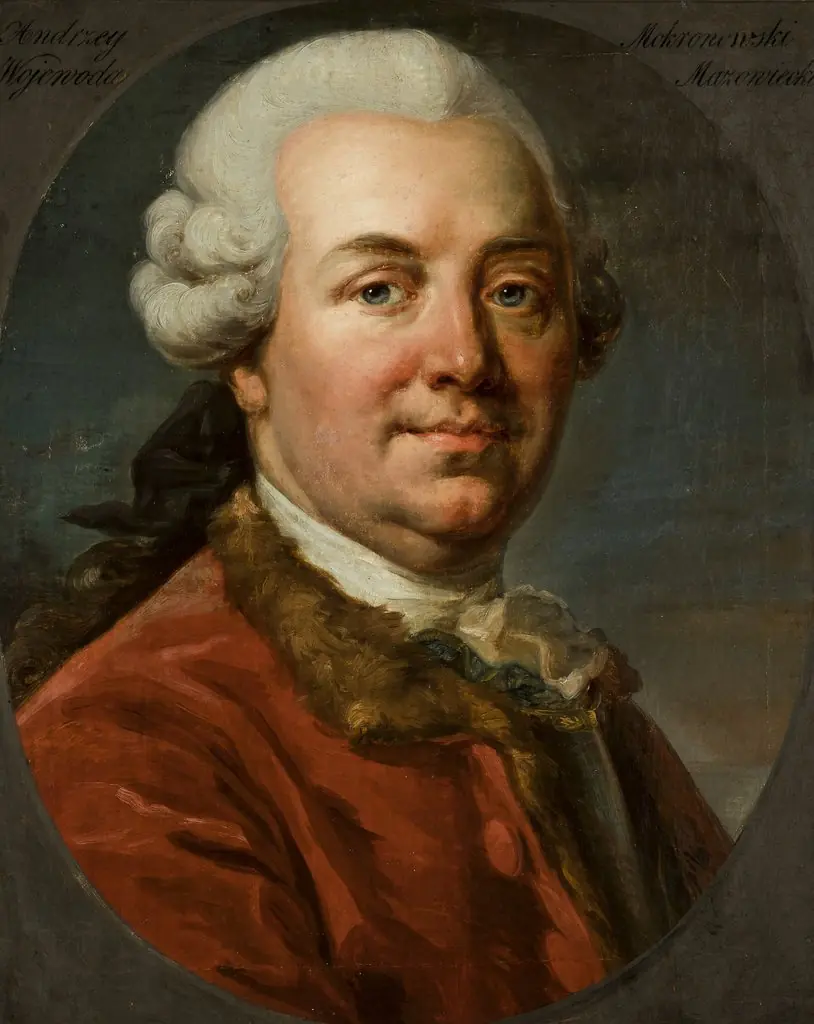 Portrait of Andrzej Mokronowski
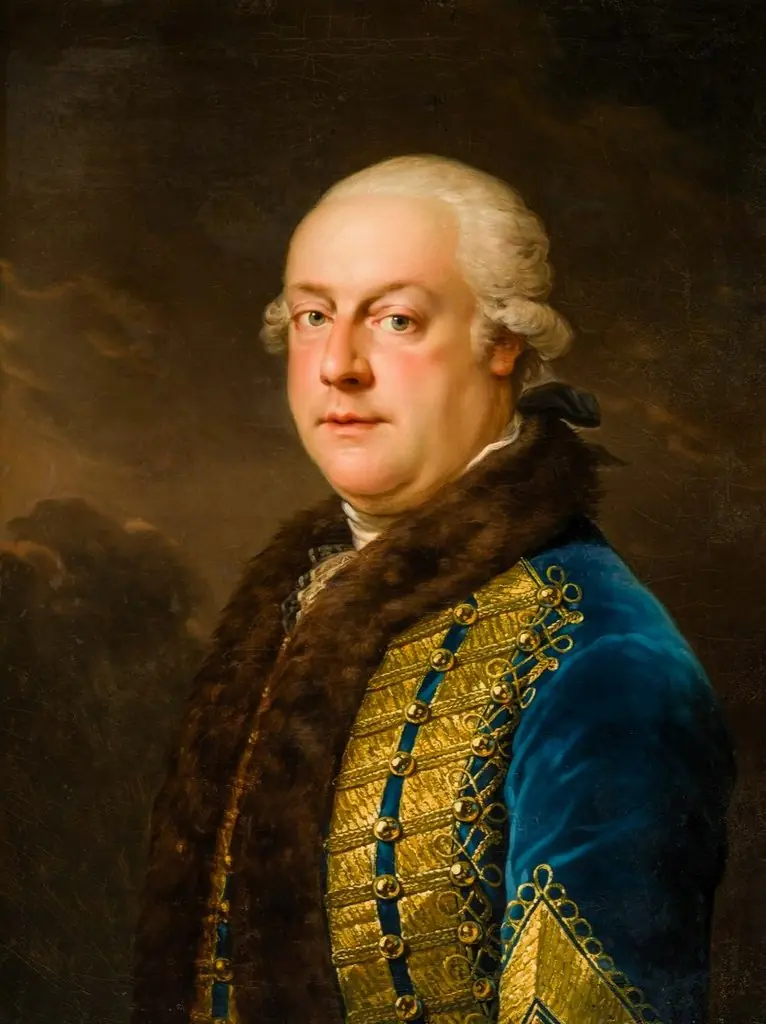 Portrait of Count Miklós Esterházy
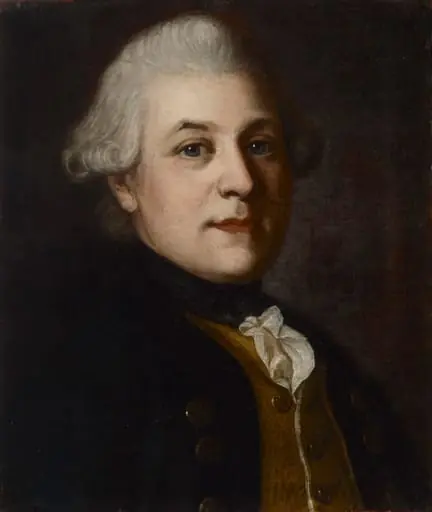 Herr Dristel
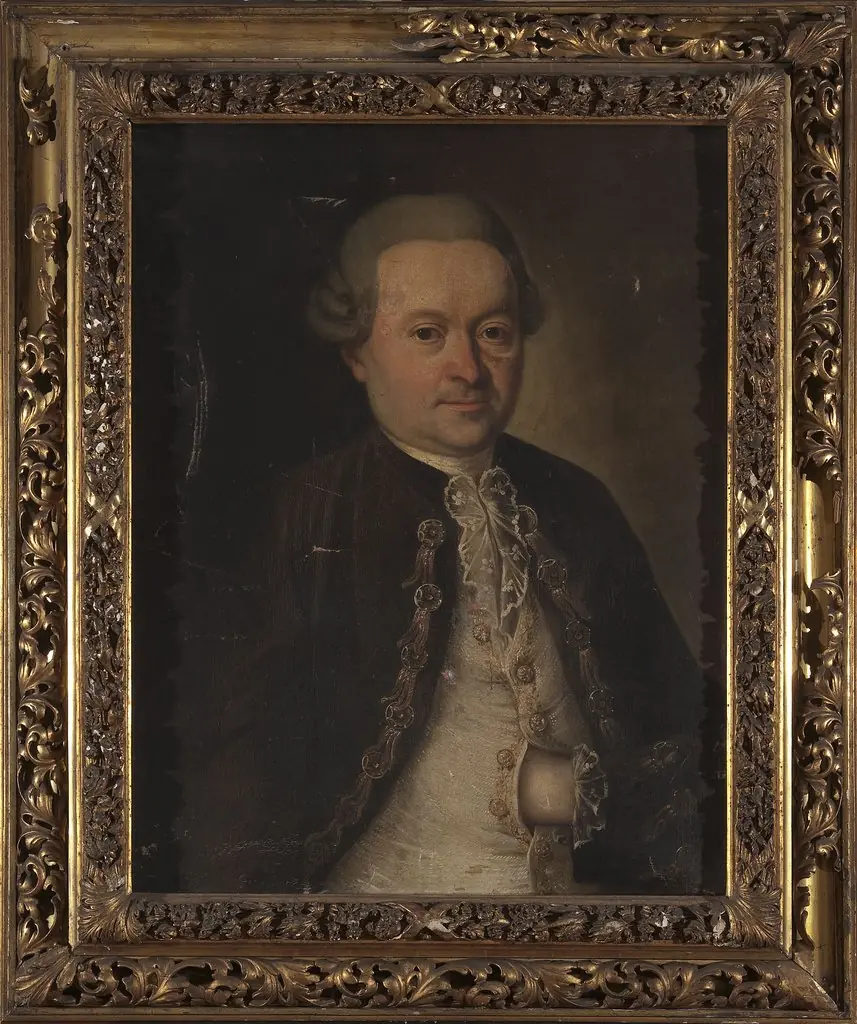 Portrait of Franciszek Halka-Ledóchowski
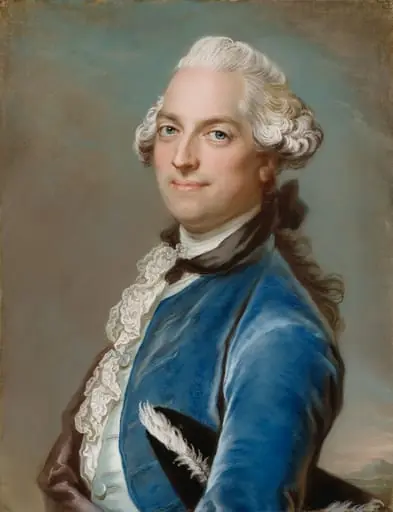 Runoilija Gustaf Fredrik Gyllenborg
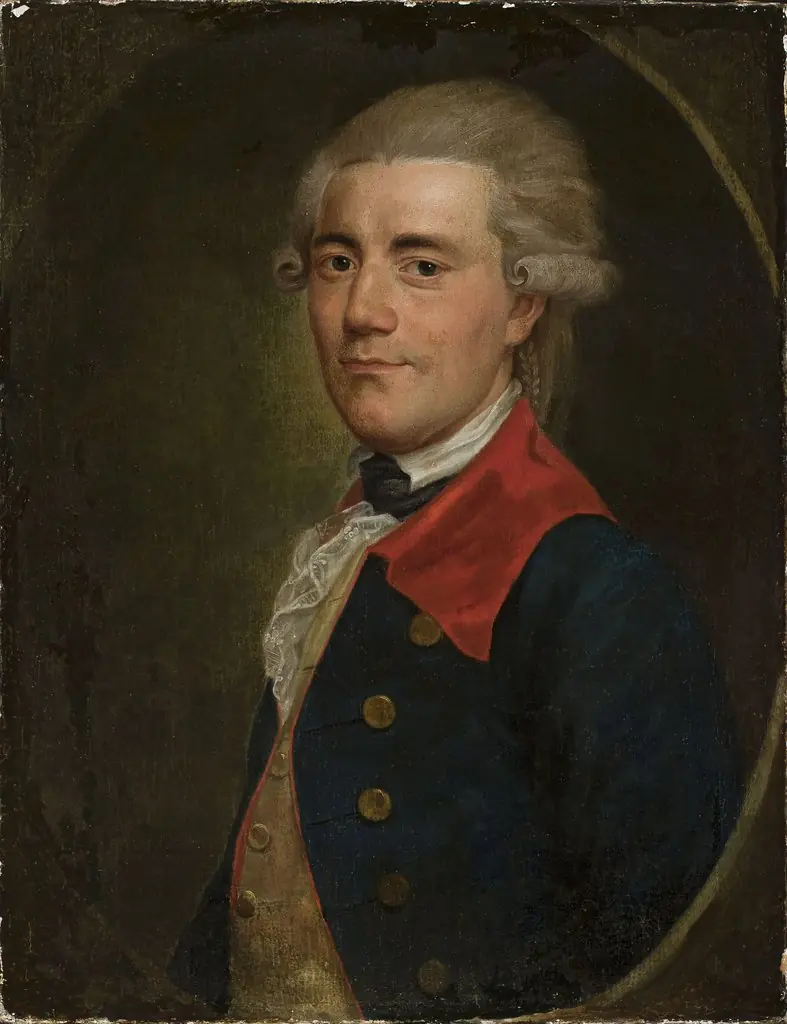 Portrait of Johann Heinrich Muyschel (1755–1825)
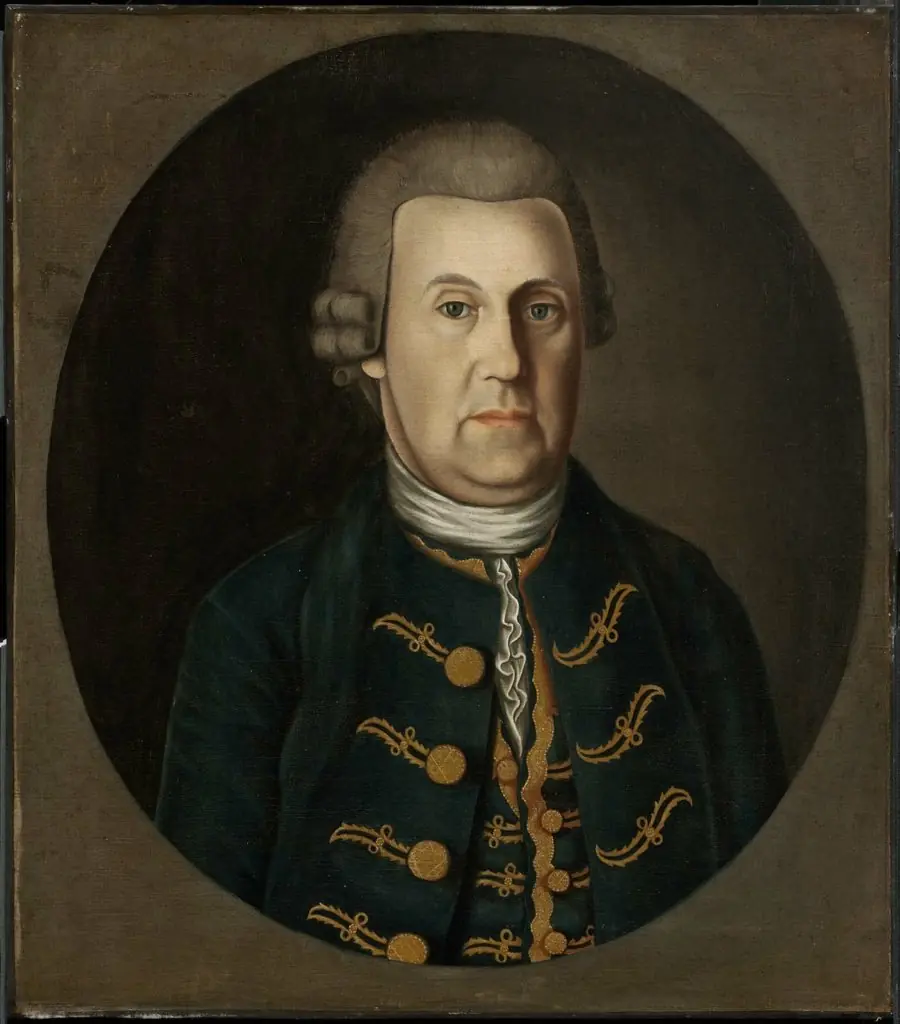 Levi Willard
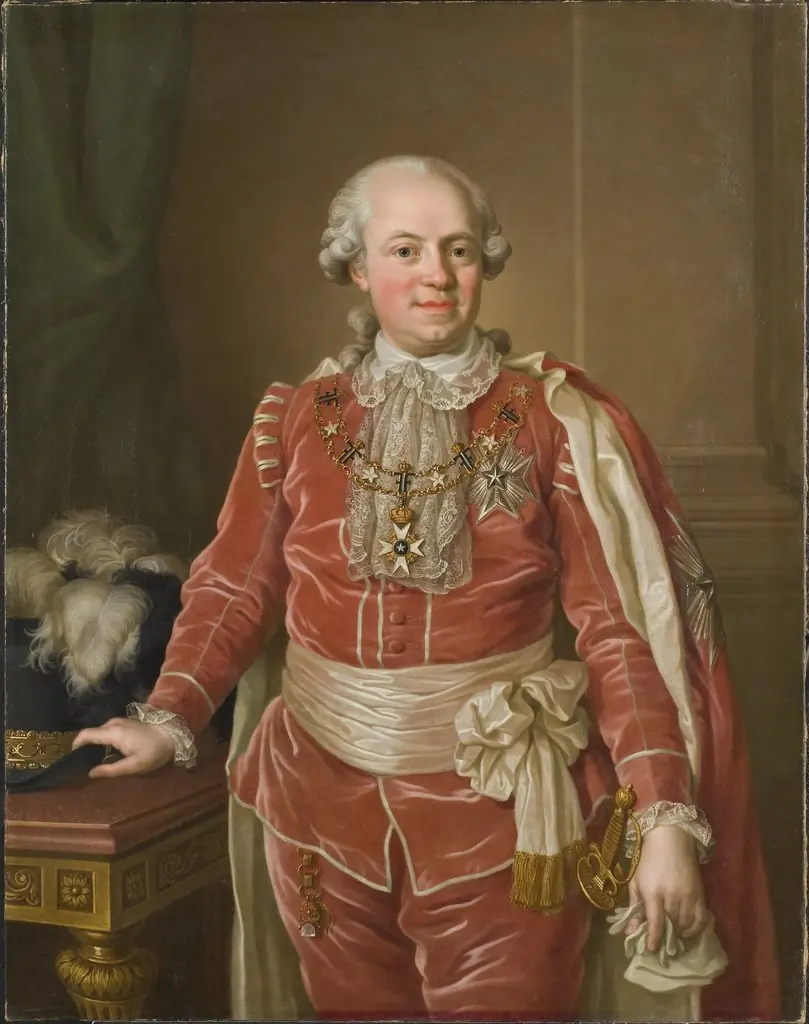 Samuel af Ugglas (1750-1812), greve, landshövding, överståthållare, kammarkollegiepresident, en av rikets herrar
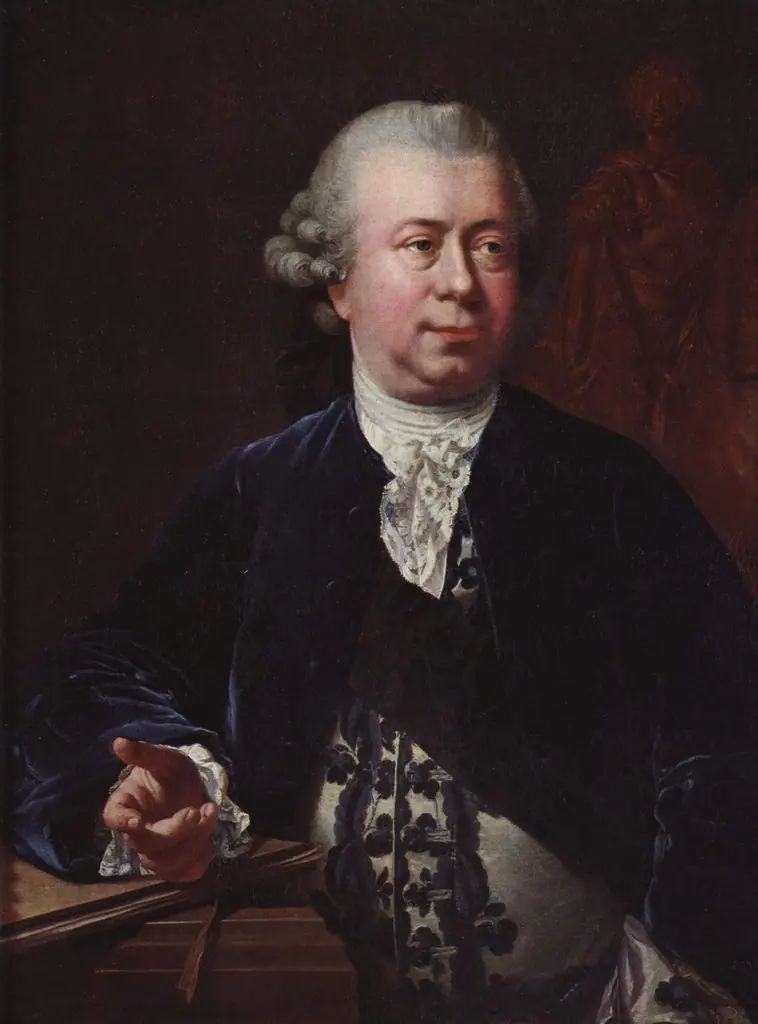 The Sculptor Jacques-François-Joseph Saly
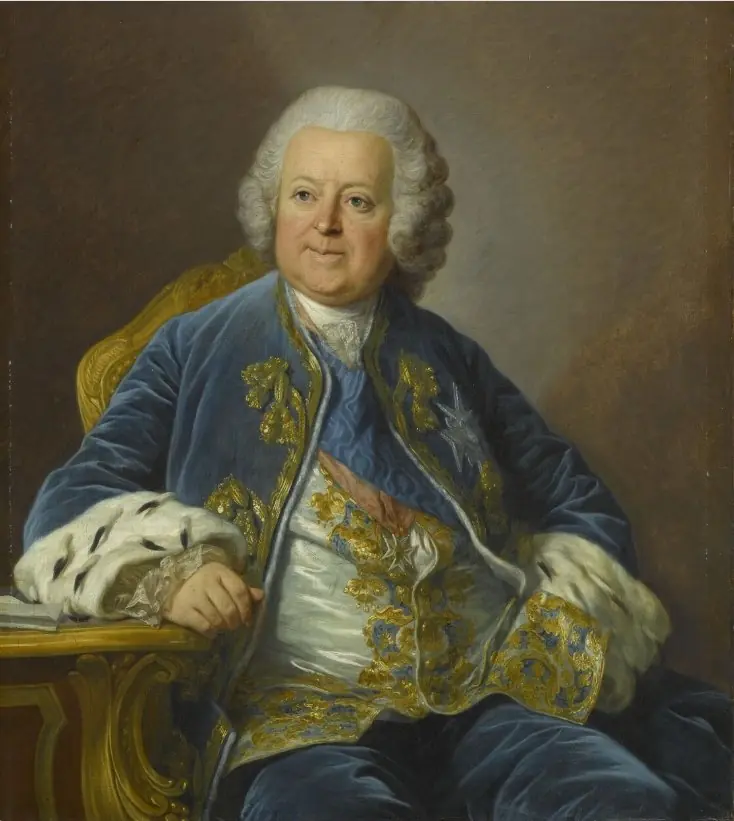 Portrait de Louis Phélypeaux de Saint-Florentin (1705-1777), comte de Saint Florentin, Duc de La Vrillière, ministre et secrétaire d'Etat