Artwork
Laulajatar, musta
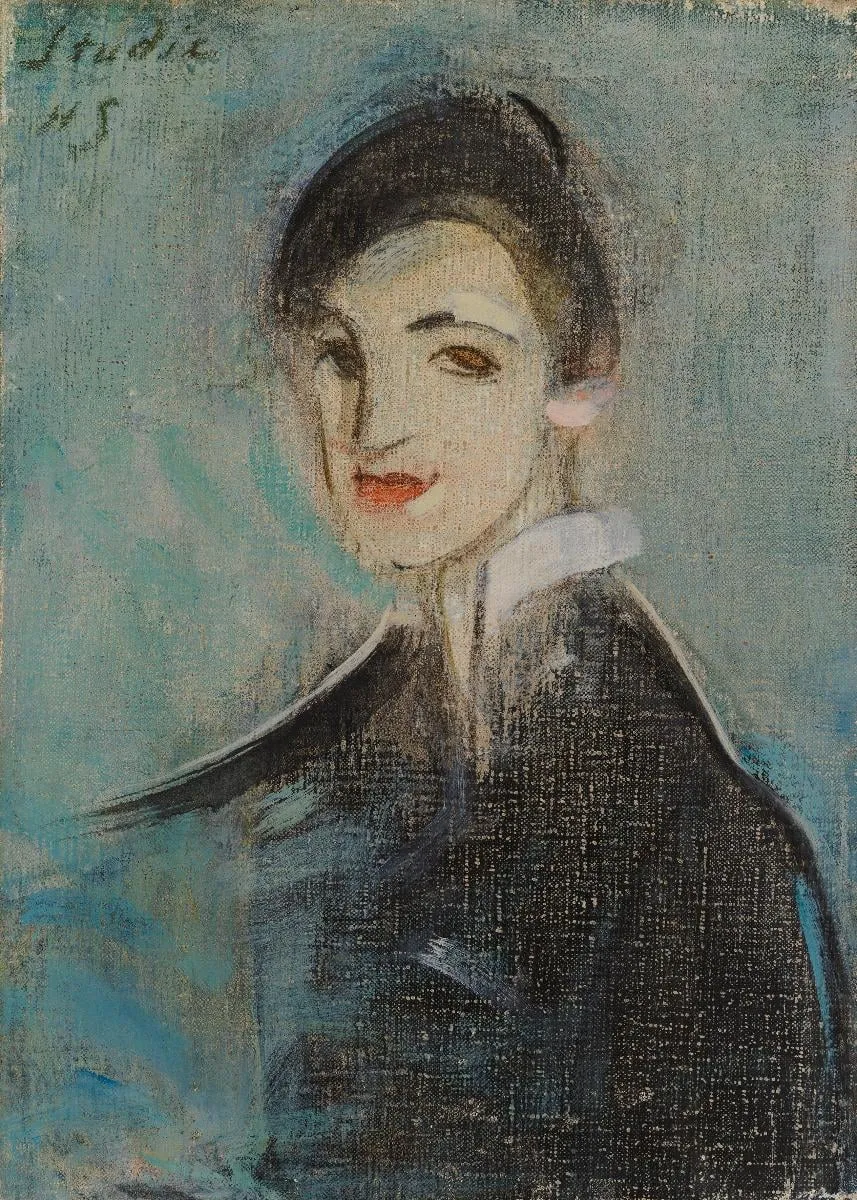
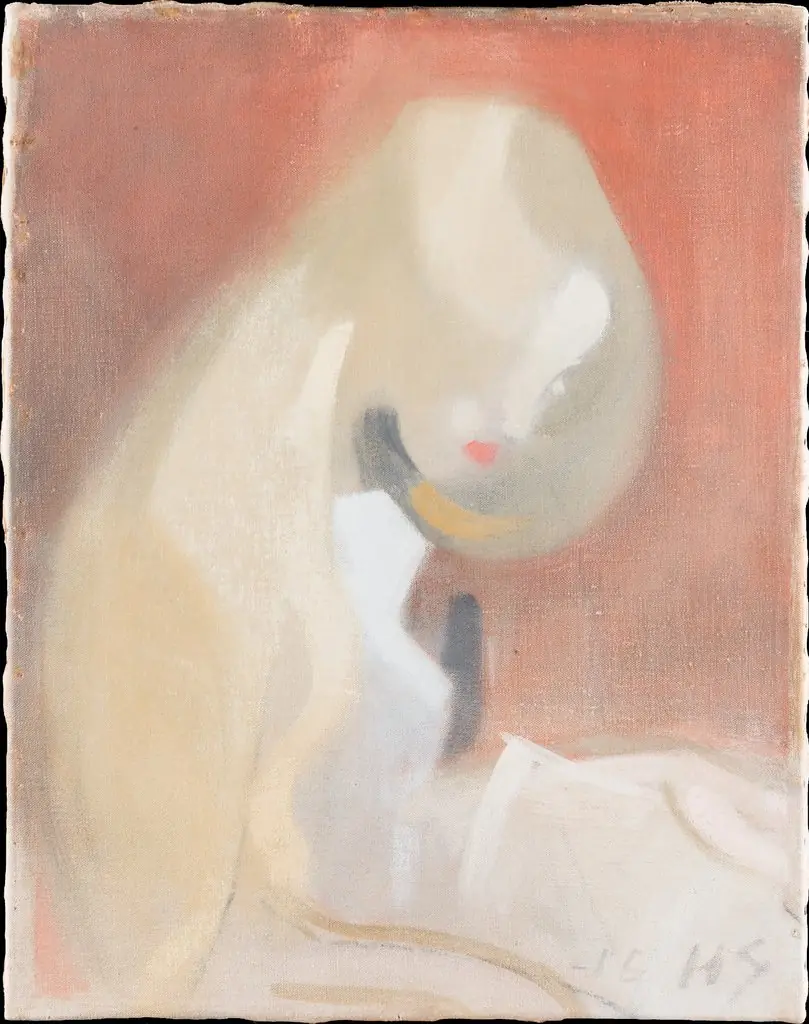
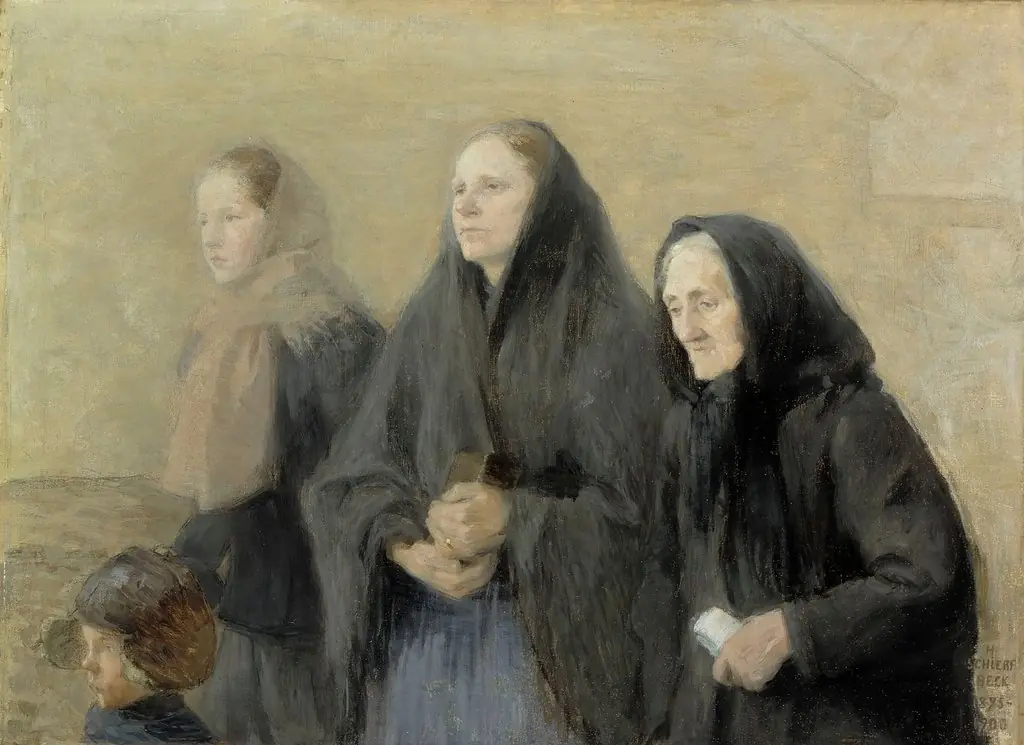
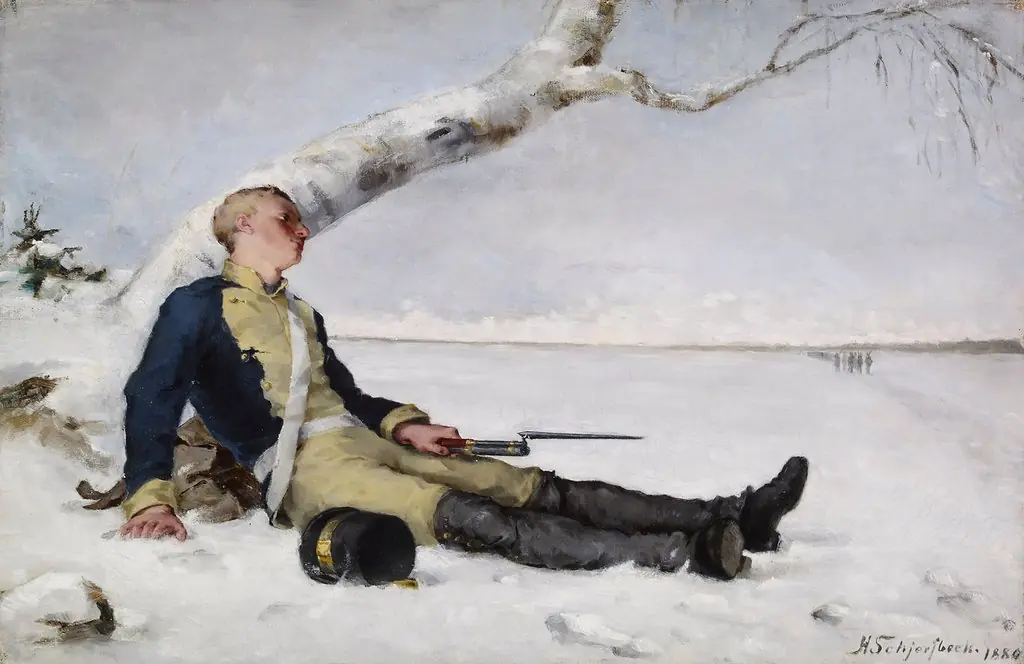
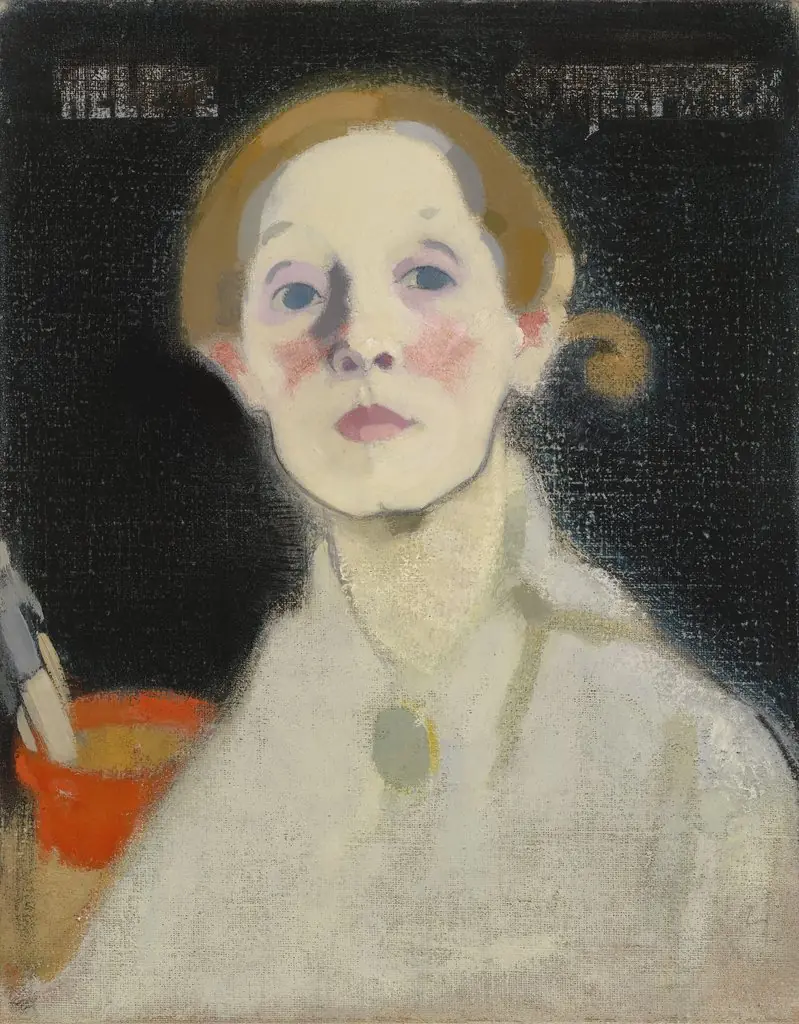
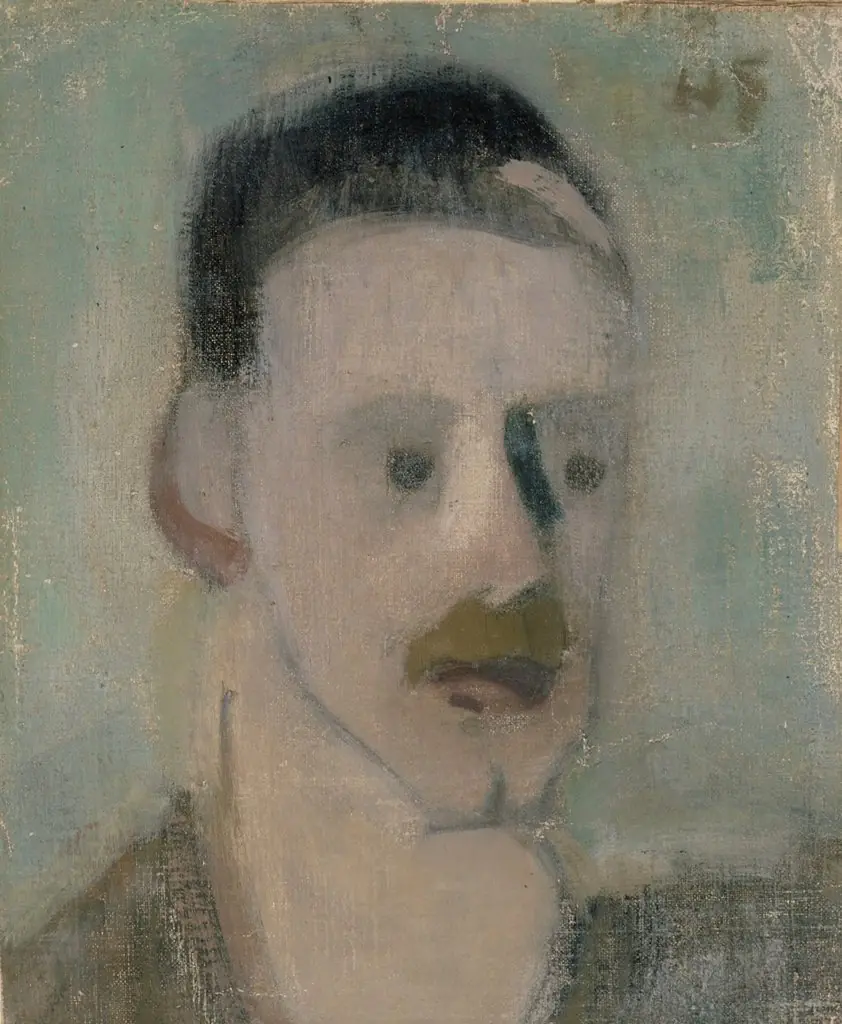
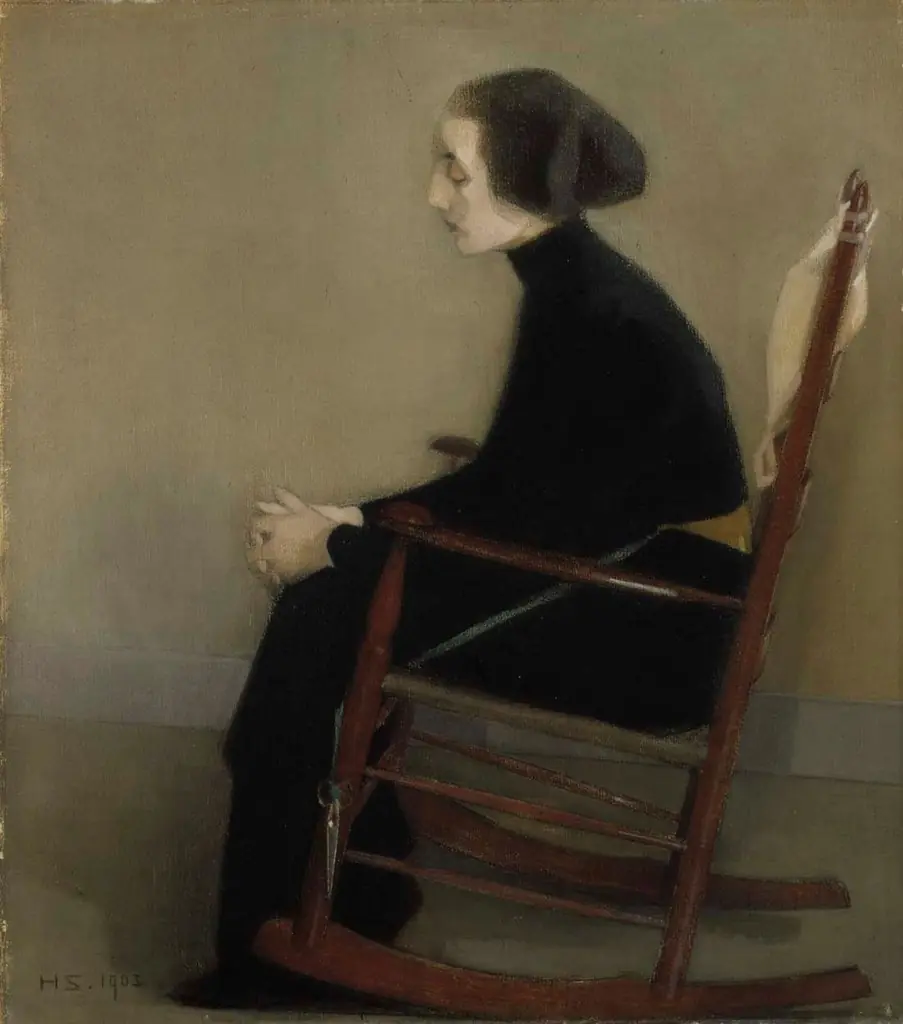
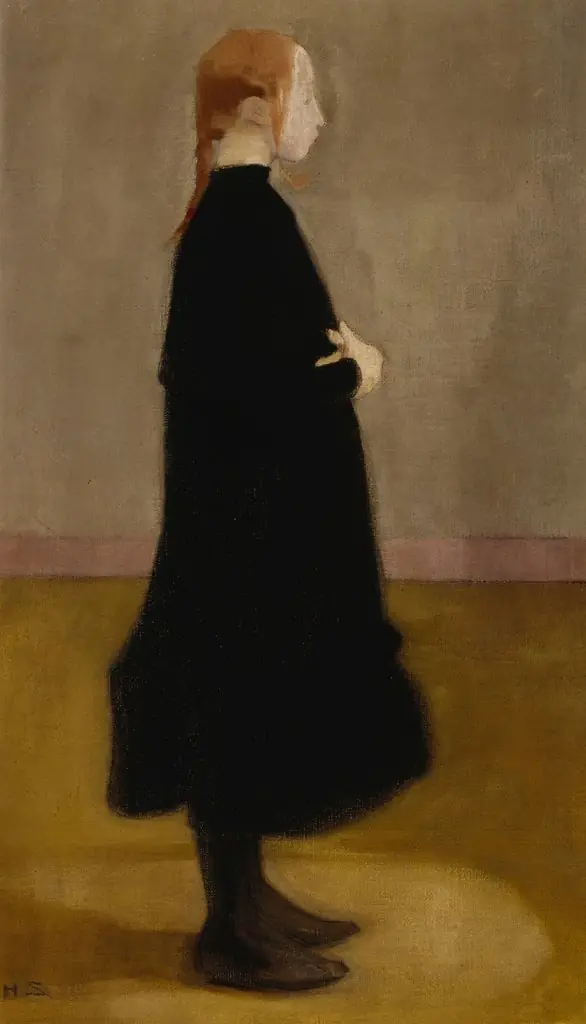
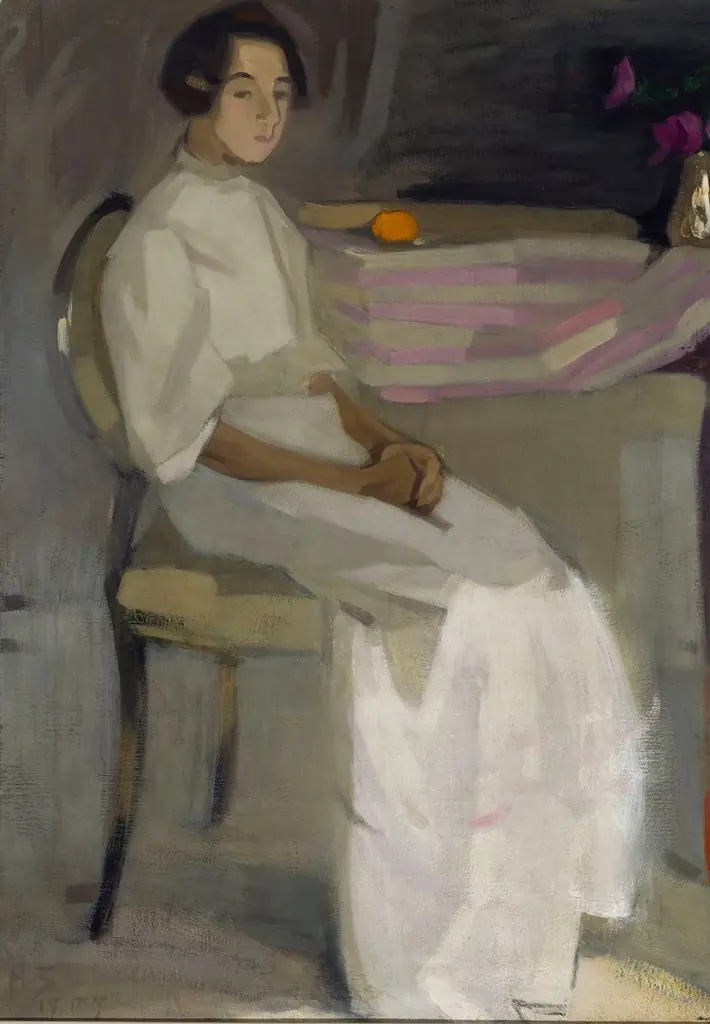
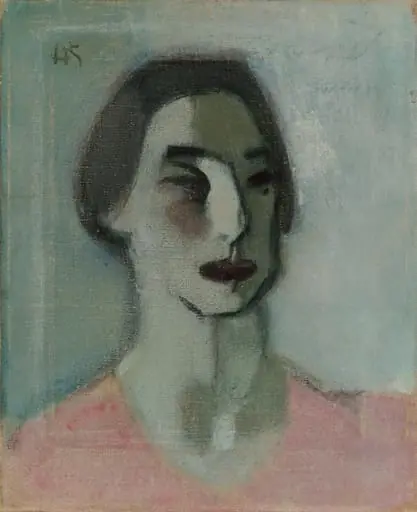
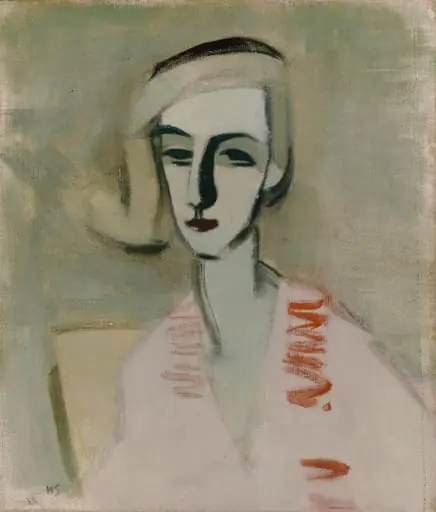
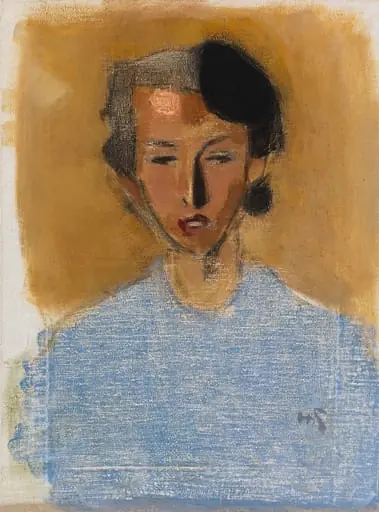
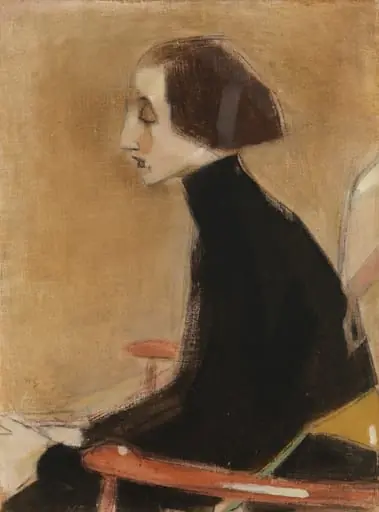
Laulajatar, musta is an unspecified painting by Helene Schjerfbeck. It is held in the collection of the Finnish National Gallery.
About this work
Overview
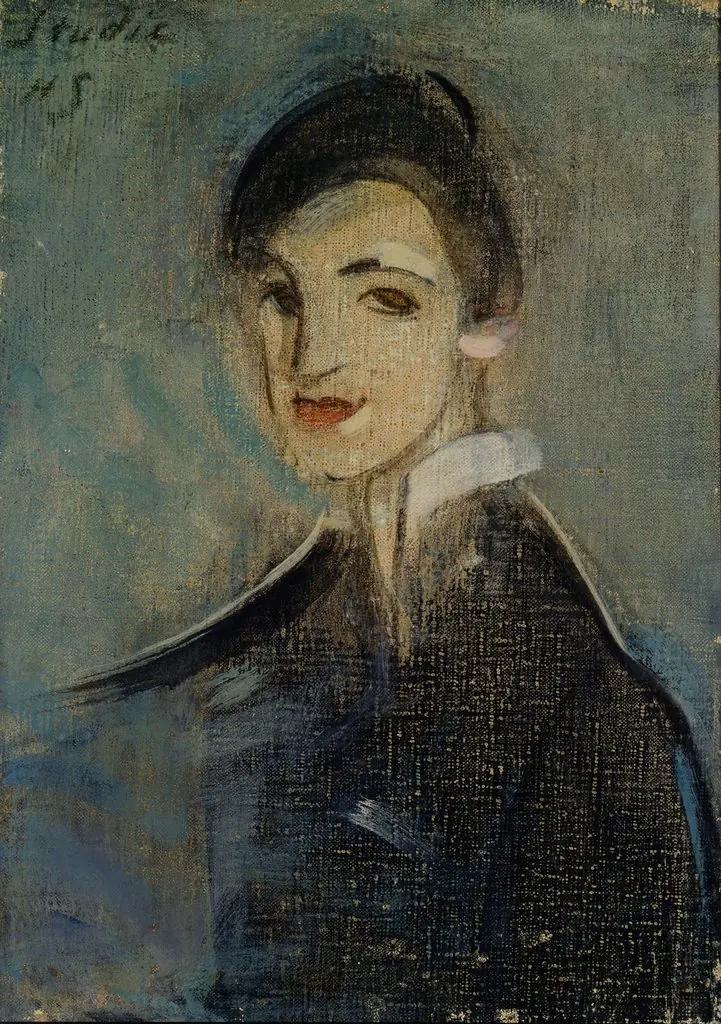
Dressed in a high-collared black gown and with hair secured in a low bun, she occupies a space defined by a soft, gray-blue background.
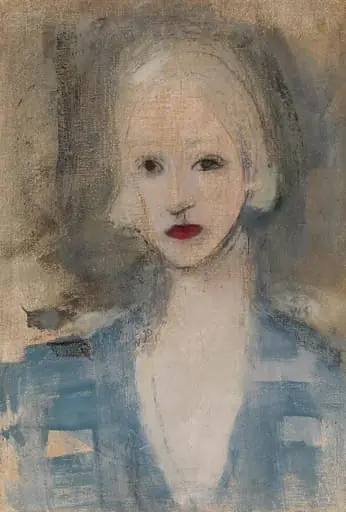
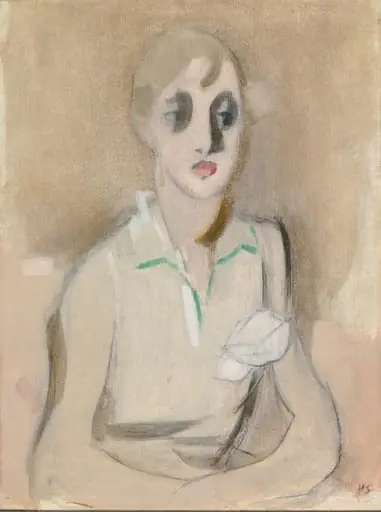
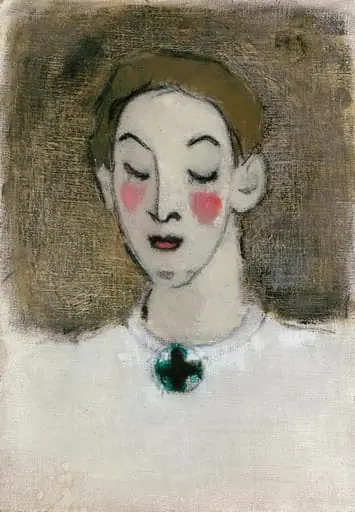
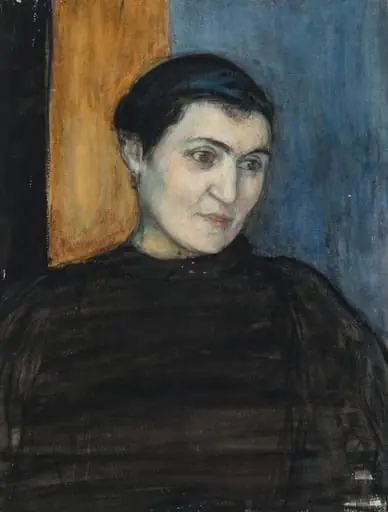
This portrait, titled Laulajatar, musta, presents a woman in quiet stillness, rendered with restrained elegance. The subject faces the viewer directly, her expression calm and unguarded. Dressed in a high-collared black gown and with hair secured in a low bun, she occupies a space defined by a soft, gray-blue background. The composition emphasizes stillness and introspection, drawing attention to the subtlety of her presence rather than external detail.
Subject & Meaning
The woman’s direct gaze and composed demeanor suggest an inner quietude, possibly reflecting a contemplative or introspective state. Her attire, simple and somber, implies modesty or mourning, though no specific identity is recorded. The title, meaning 'Singer, black,' hints at a possible connection to music or performance, yet the image conveys silence rather than sound, inviting interpretation beyond literal narrative.
Technique & Style
The artist employs chiaroscuro with delicate precision, using gradations of light to model the face and fabric without harsh contrasts. The black dress absorbs ambient tone, while subtle highlights trace the curve of the cheek and collarbone. Brushwork is restrained, favoring smooth transitions over texture, reinforcing the portrait’s emotional stillness. The muted background isolates the figure, enhancing focus on her expression and form.
History & Provenance
The painting is attributed to Helene Schjerfbeck, a Finnish artist known for her psychologically nuanced portraits. Created during her mature period, it aligns with her late 19th- to early 20th-century works that often depicted solitary women with minimal context. Its provenance traces to Finnish collections, though specific ownership history remains undocumented in public records.
Context
This work emerged during a time when Nordic artists increasingly turned inward, favoring psychological depth over narrative spectacle. Schjerfbeck’s focus on quiet, unidealized female subjects reflected broader cultural shifts toward introspection and individuality. Her approach diverged from academic traditions, embracing simplicity and emotional resonance over ornamental detail.
Legacy
Laulajatar, musta exemplifies Schjerfbeck’s enduring contribution to modern portraiture: a quiet, unadorned realism that privileges inner life over external grandeur. Her influence is evident in later Scandinavian artists who pursued psychological authenticity. The painting remains a quiet reference point in discussions of gender, perception, and the expressive potential of restraint in visual art.
Artist & collection
Artist
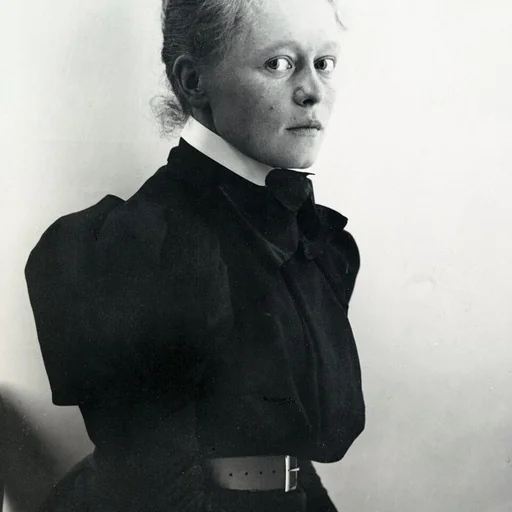
Helena Sofia (Helene) Schjerfbeck (pronounced ; July 10, 1862 – January 23, 1946) was a Finnish modernist painter known for her realist works and self-portraits, and also for her landscapes and still lifes.