Artwork
Adoration of the Shepherds
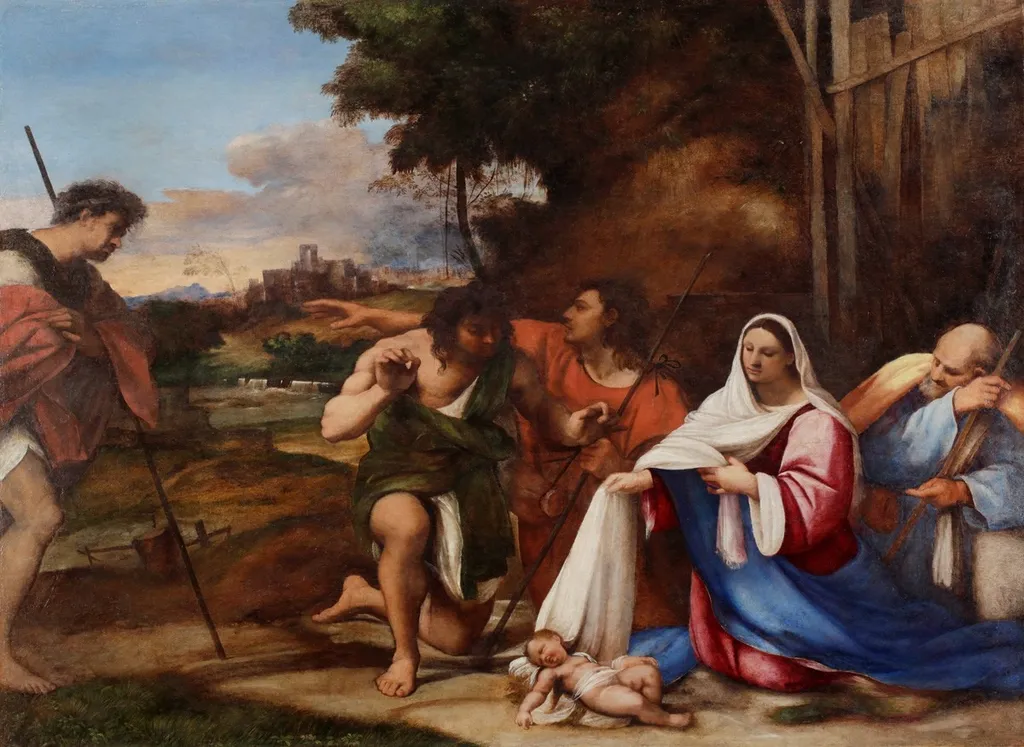
Adoration of the Shepherds is an oil painting by Sebastiano del Piombo. It dates from 1511 and is held in the collection of the Fitzwilliam Museum.
About this work
Overview
It reflects his transition between two artistic traditions: the rich colorism of Venetian painting and the sculptural gravity of Roman High Renaissance style.
Sebastiano del Piombo completed this oil-on-panel painting in 1511, shortly after moving from Venice to Rome. It reflects his transition between two artistic traditions: the rich colorism of Venetian painting and the sculptural gravity of Roman High Renaissance style. The work belongs to his early Roman period, when he was adapting to new aesthetic demands while retaining his northern influences. It remains in the Fitzwilliam Museum’s collection today.
Subject & Meaning
The scene portrays the moment shepherds arrive to honor the newborn Christ, as described in the Gospel of Luke. The infant lies on the ground, surrounded by figures in quiet reverence. The kneeling woman, likely the Virgin Mary, holds a cloth over him; the man beside her, possibly Joseph, grips a staff. Two standing shepherds observe from a distance, their postures suggesting awe rather than celebration. The composition emphasizes humility and sacred stillness.
Technique & Style
Sebastiano employed oil paint to achieve subtle gradations of light and deep, saturated hues, particularly in the reds and blues of the figures’ garments. The forms are rendered with solidity, echoing the influence of Roman sculptural ideals. Background elements like the distant city and trees are softly modeled, enhancing spatial depth without distracting from the central group. The lighting is even, avoiding dramatic contrasts but still conveying a sense of inner luminosity.
History & Provenance
Painted in Rome in 1511, the work was likely commissioned for private devotion during Sebastiano’s formative years in the city. It remained in Italian collections until the 19th century, when it entered the Fitzwilliam Museum through a private donation. Its attribution has been consistently accepted by scholars, and its condition remains stable, with no major restorations altering its original surface.
Context
In early 16th-century Rome, artists were increasingly influenced by Michelangelo’s monumental figures and Raphael’s harmonious compositions. Sebastiano, though Venetian by training, responded to this environment by blending coloristic richness with structural clarity. This painting exemplifies the cross-pollination between northern and central Italian traditions during a period of artistic consolidation in the papal city.
Legacy
Though not among Sebastiano’s most widely known works, this painting illustrates his role in bridging Venetian and Roman styles during the High Renaissance. It reveals how artists adapted regional techniques to meet the spiritual and aesthetic expectations of Rome’s elite patrons. The work continues to serve as a reference for studying the transmission of stylistic ideas across Italy in the early 1500s.
Artist & collection
Artist
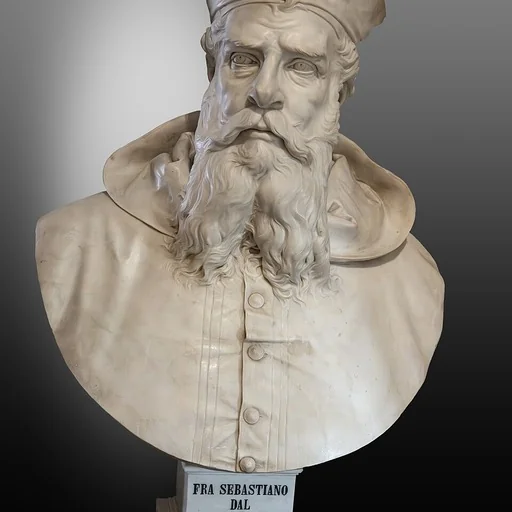
Sebastiano del Piombo (Italian: ; c. 1485 – 21 June 1547) was an Italian painter of the High Renaissance and early Mannerist periods, famous as the only major artist of the period to combine the colouring of the…

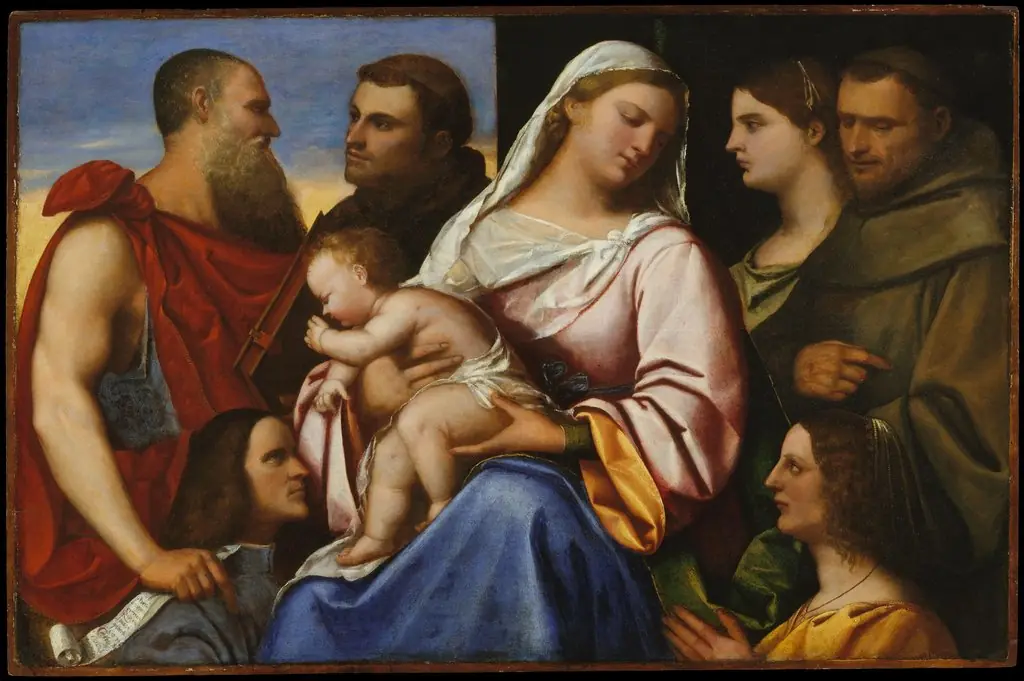 Madonna and Child with Saints and Donors
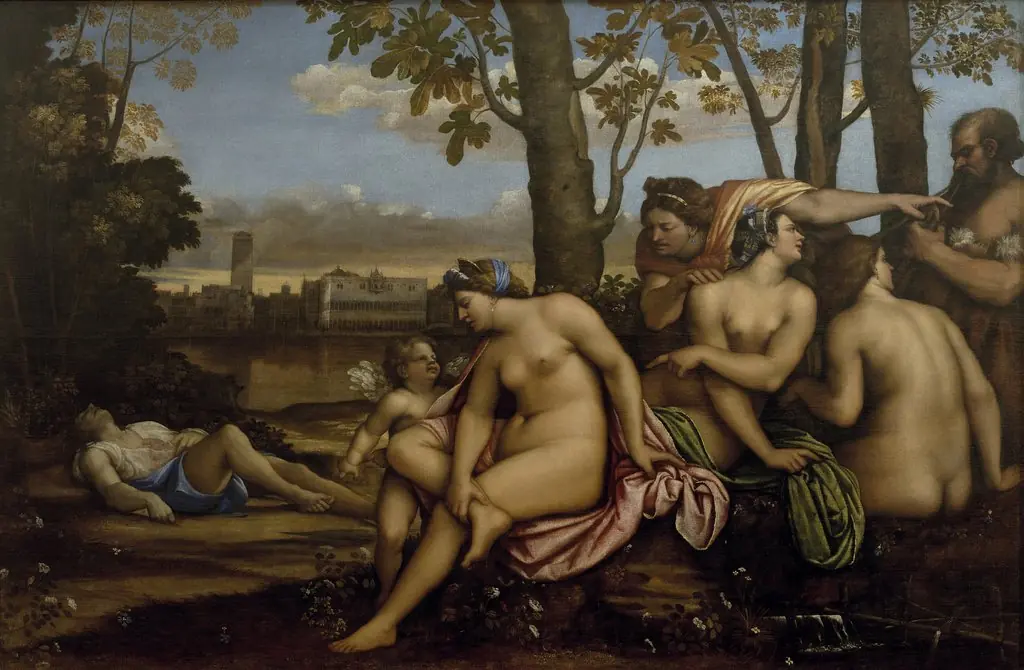 Death of Adonis
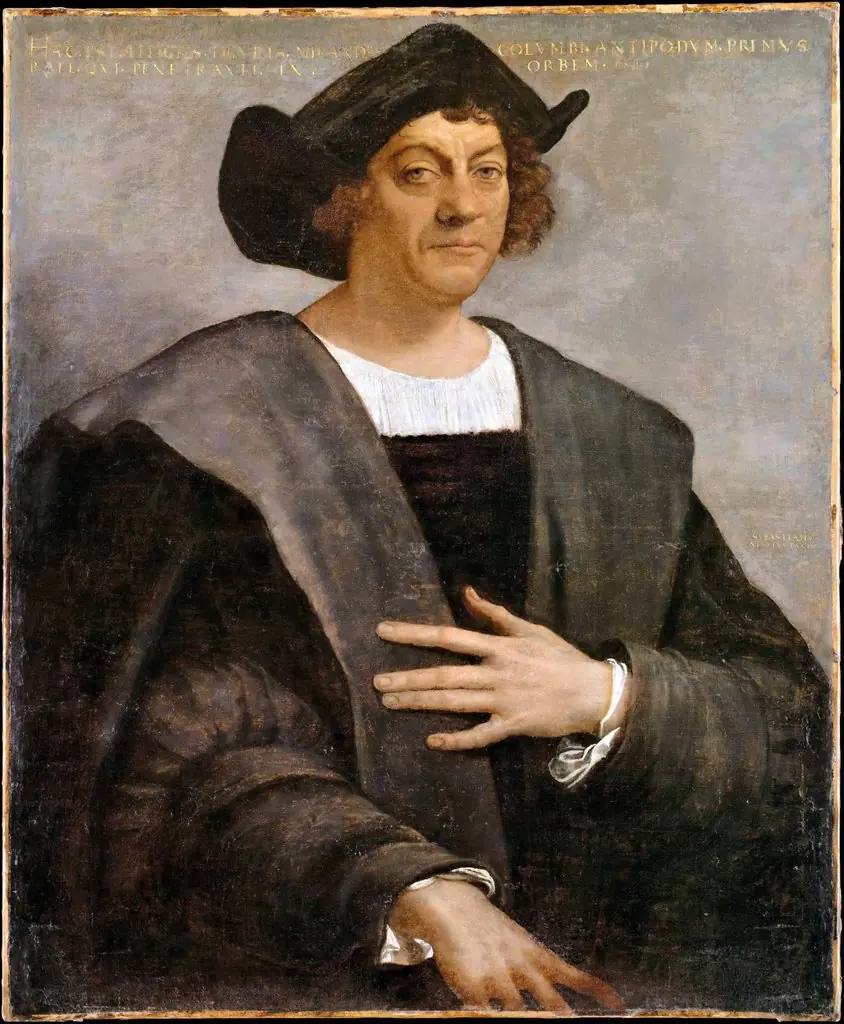 Portrait of a Man, Said to be Christopher Columbus (born about 1446, died 1506)
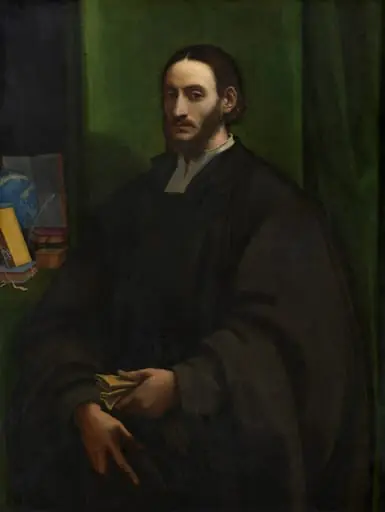 Portrait of a Humanist
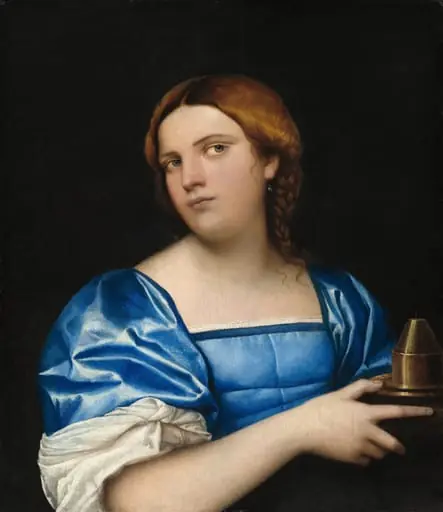 Portrait of a Young Woman as a Wise Virgin
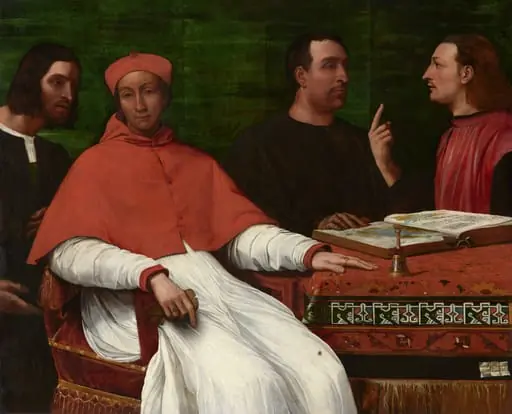 Cardinal Bandinello Sauli, His Secretary, and Two Geographers
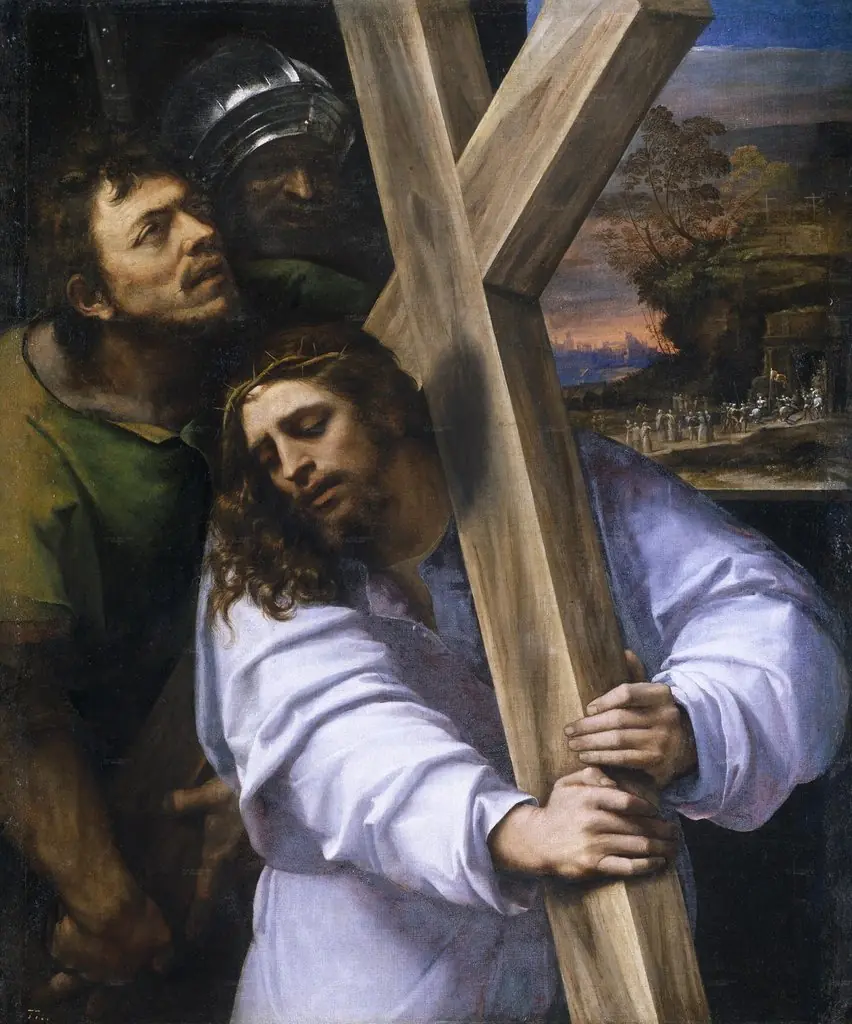 Jesus carrying the Cross
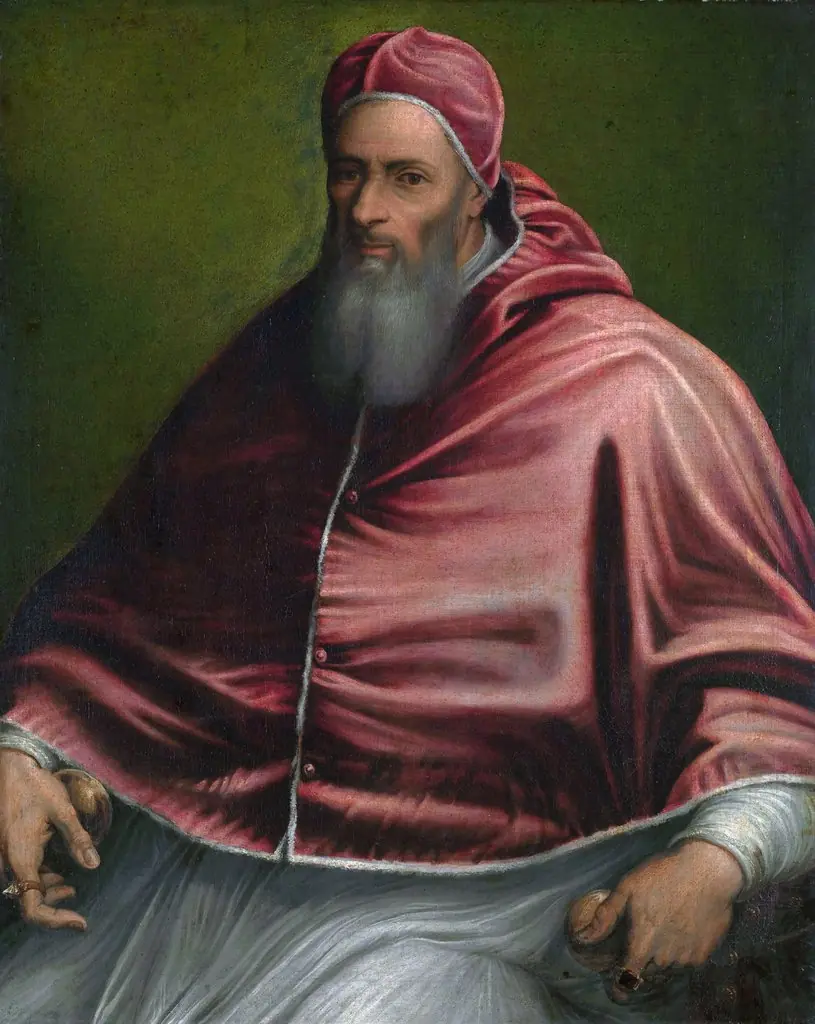 Pope Julius III (1478-1555)
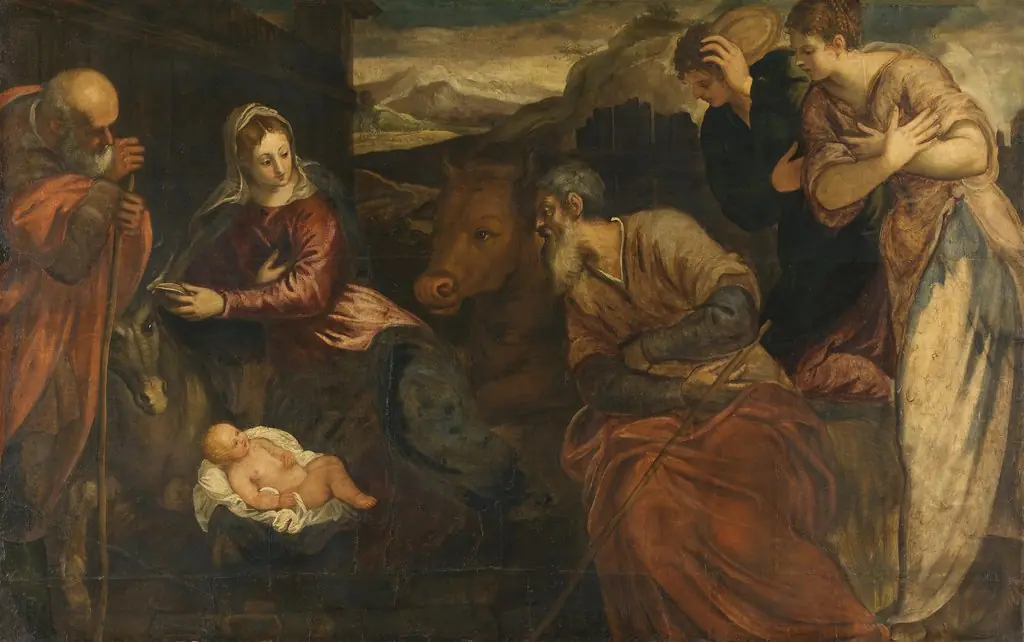 Adoration of the Shepherds
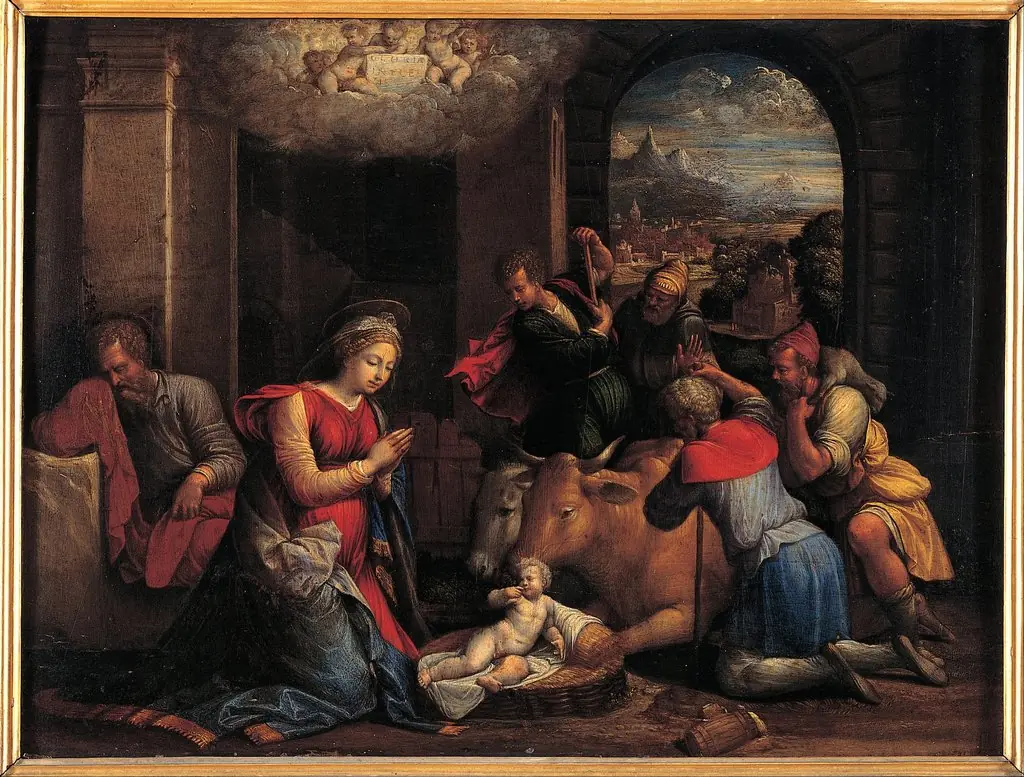 Adoration of the Shepherds
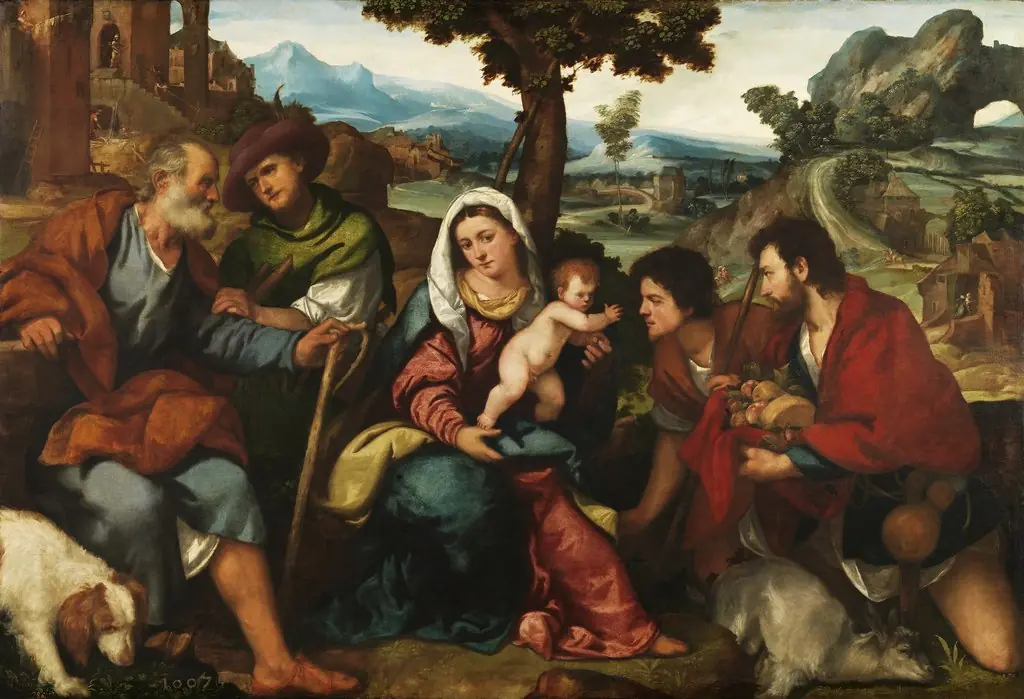 The Adoration of the Shepherds
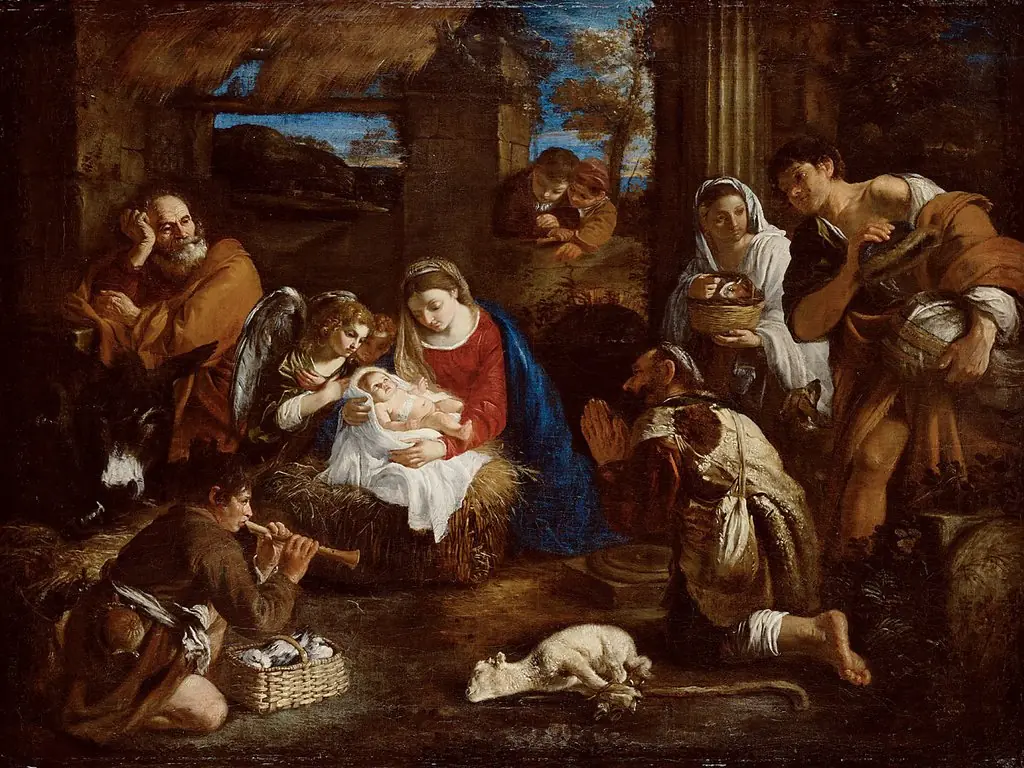 Adoration of the Shepherds
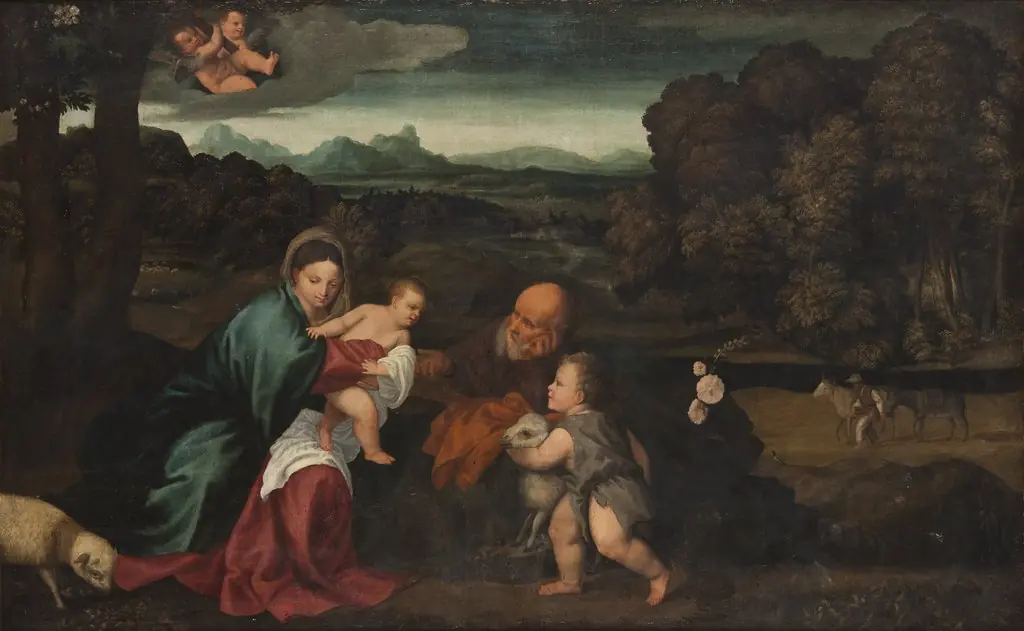 The Holy Family with the Infant St John
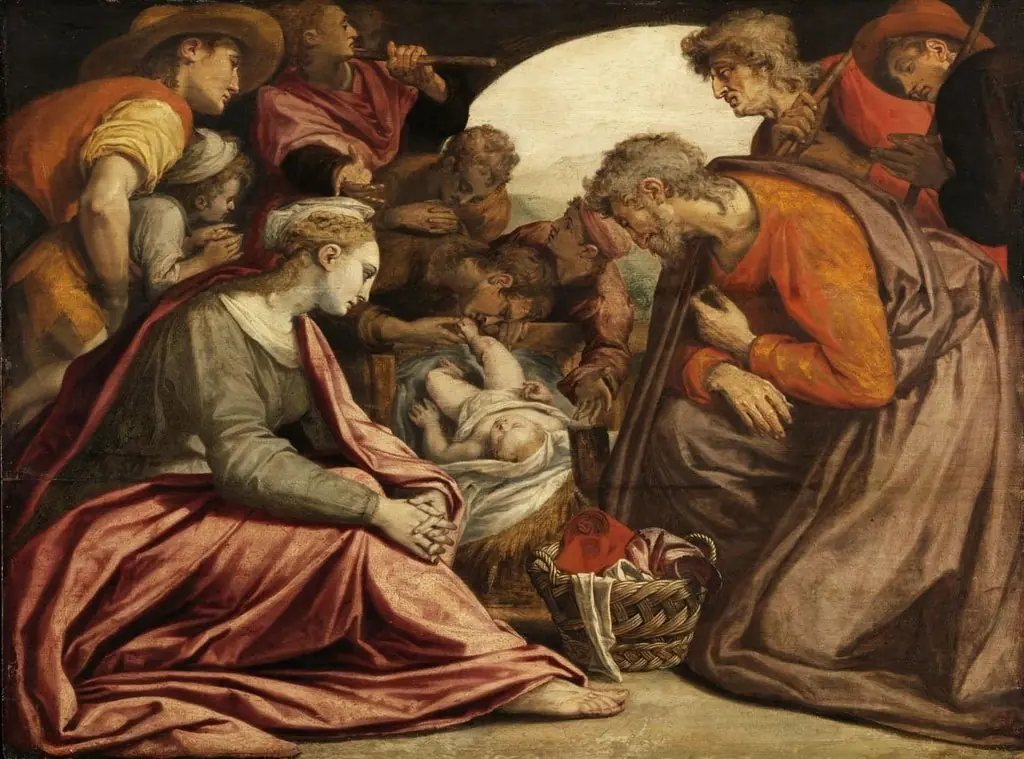 Adoration of the Shepherds
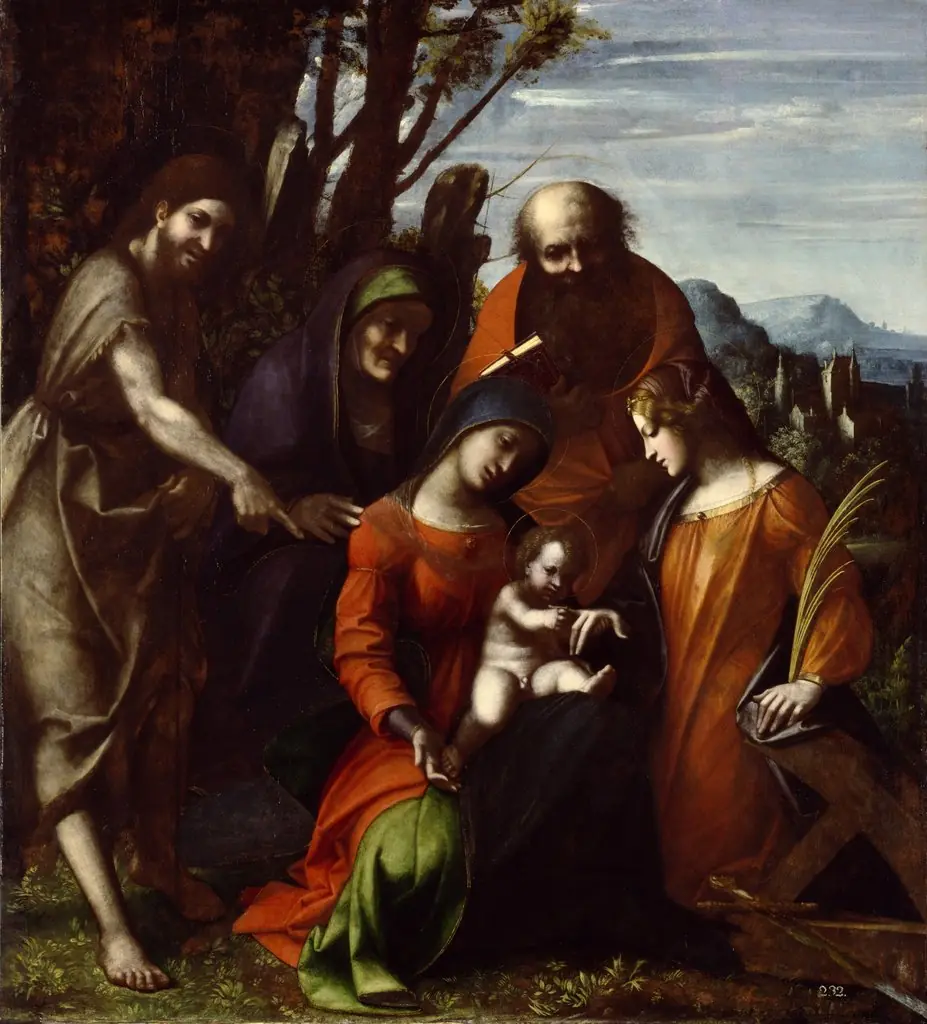 The Mystic Marriage of Saint Catherine
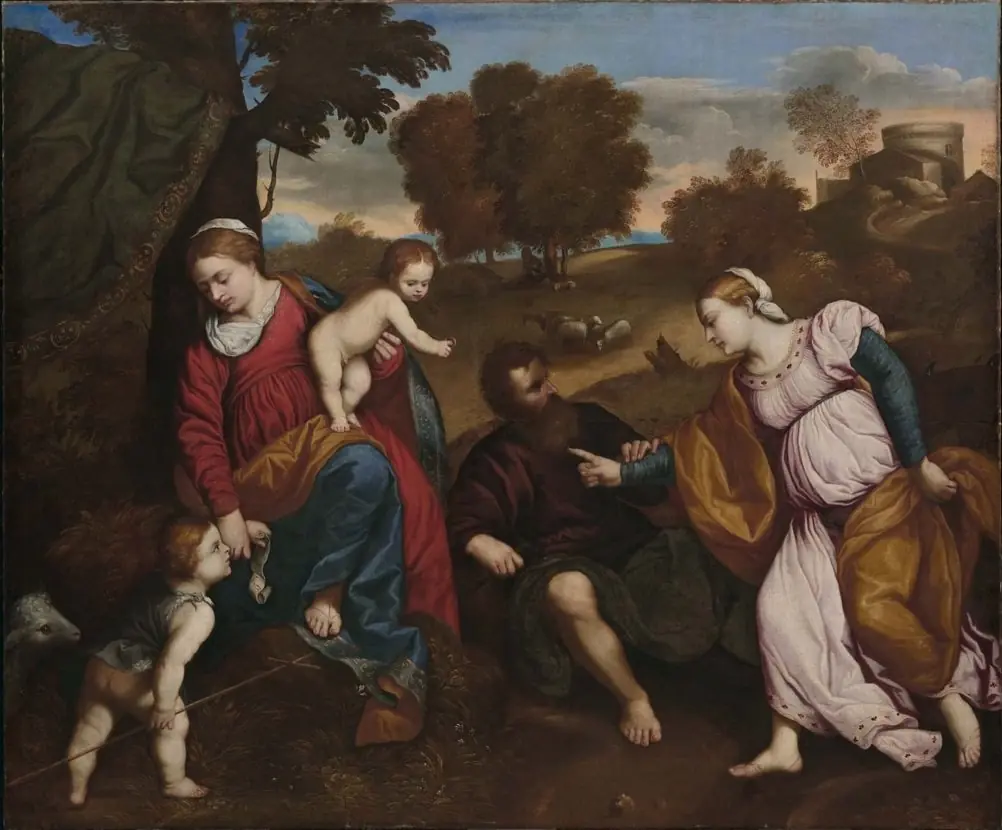 The Mystic Marriage of Saint Catherine
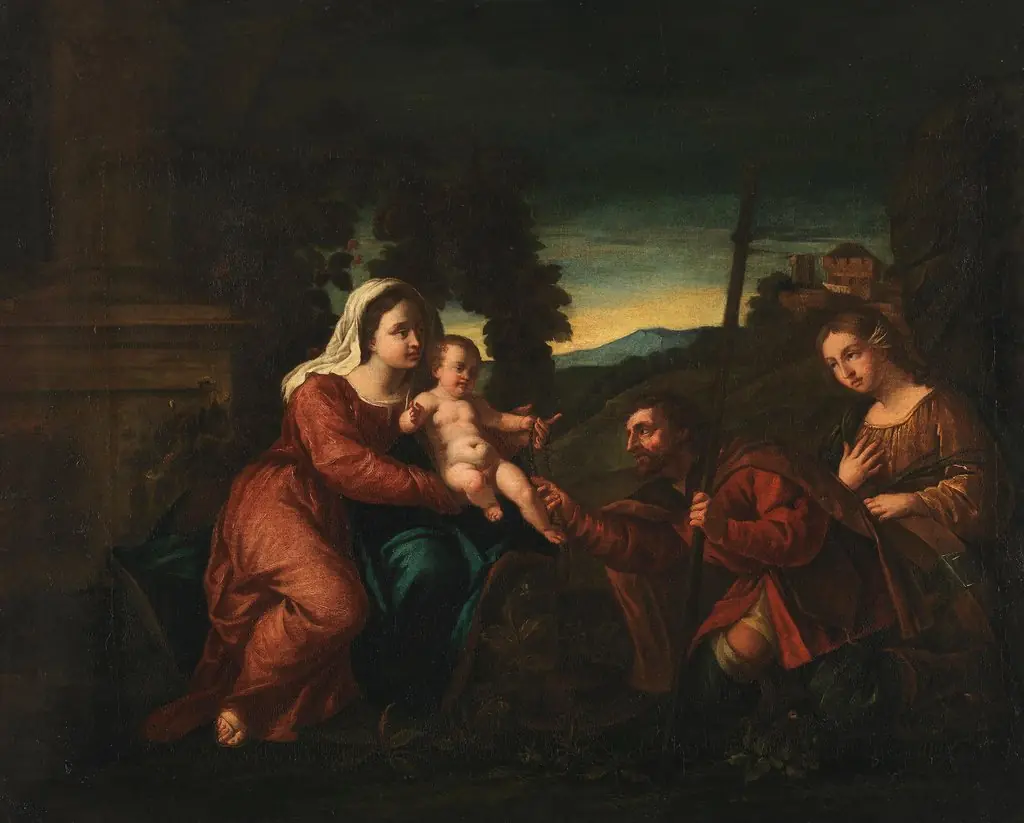 Madonna and Child with Saints Roche and Mary Magdalene
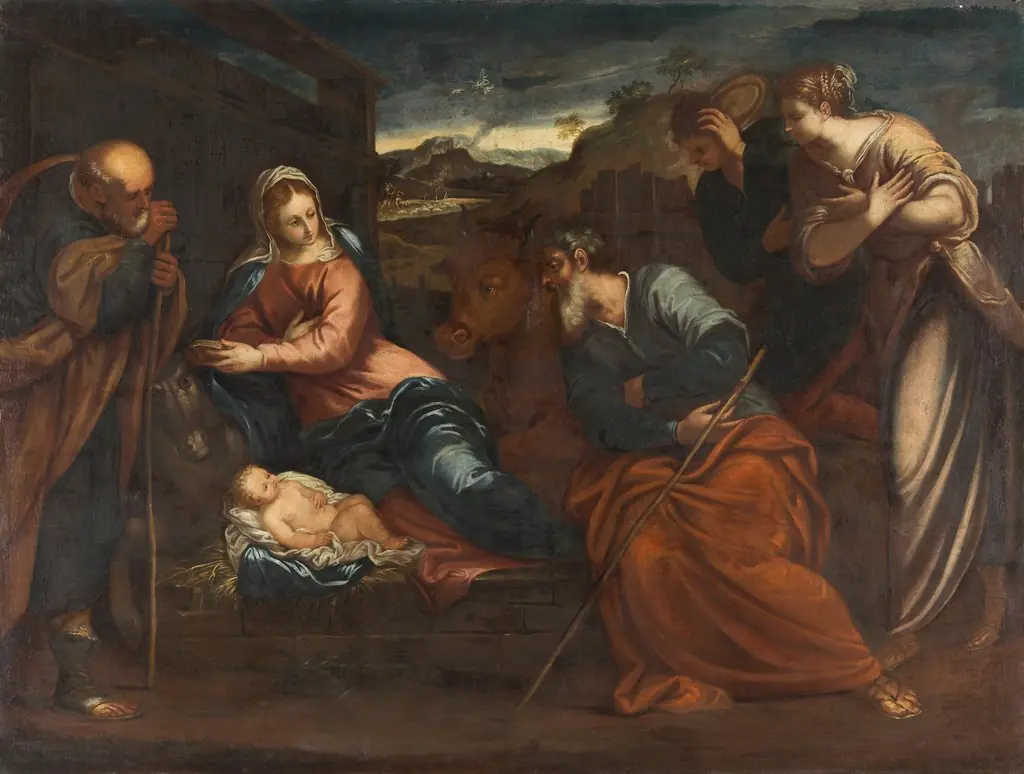 Anbetung durch die Hirten (Kopie nach)
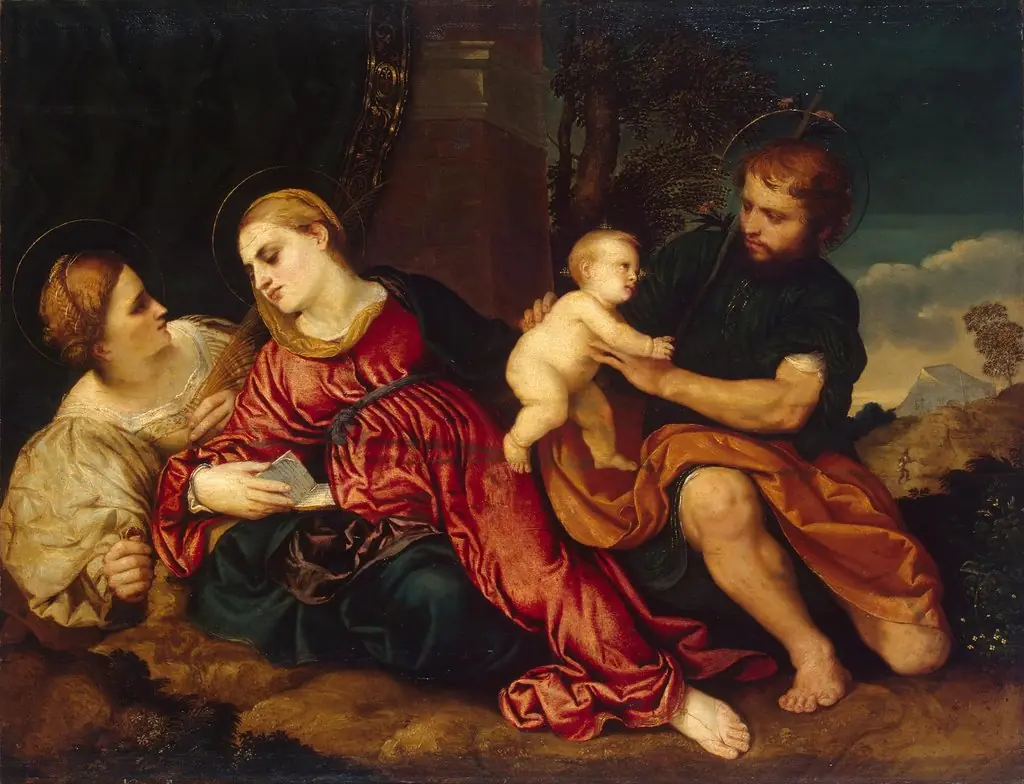 Holy Family with St Catherine
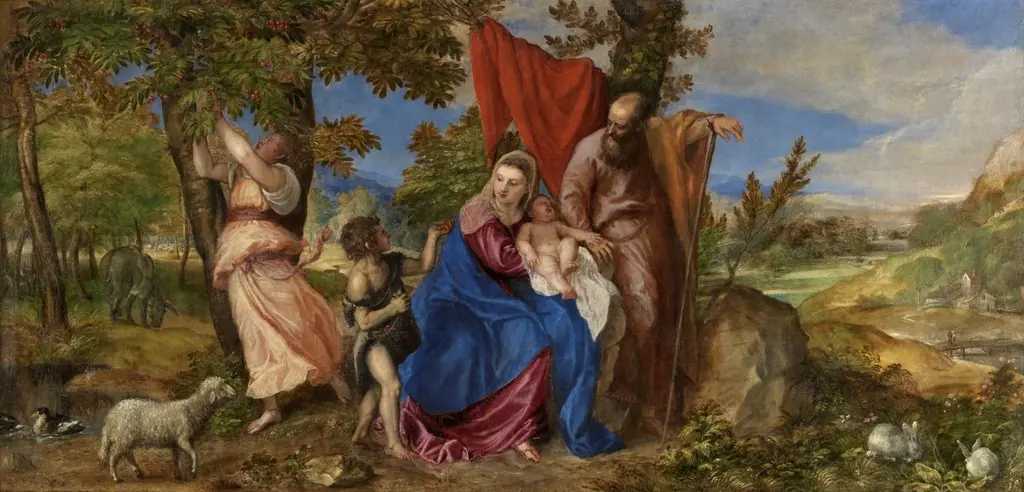 Rest on the Flight into Egypt