Artwork
Christ Carrying the Cross
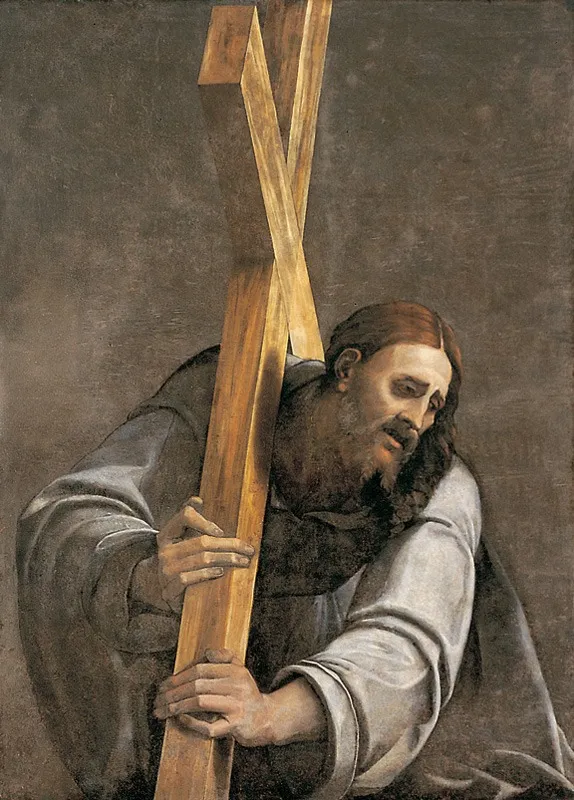
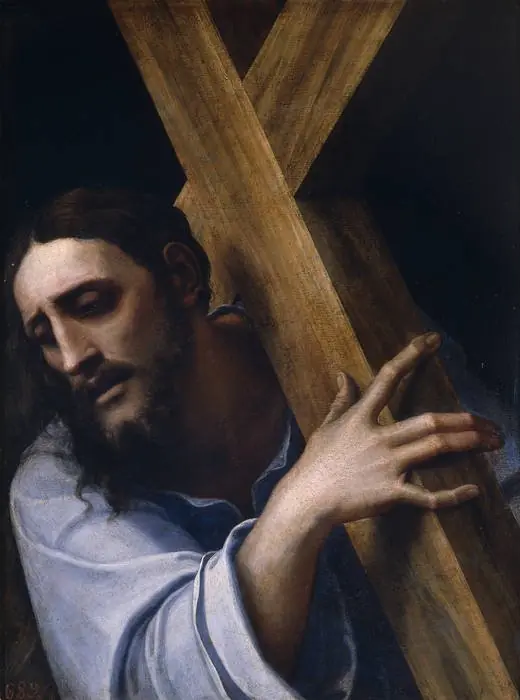
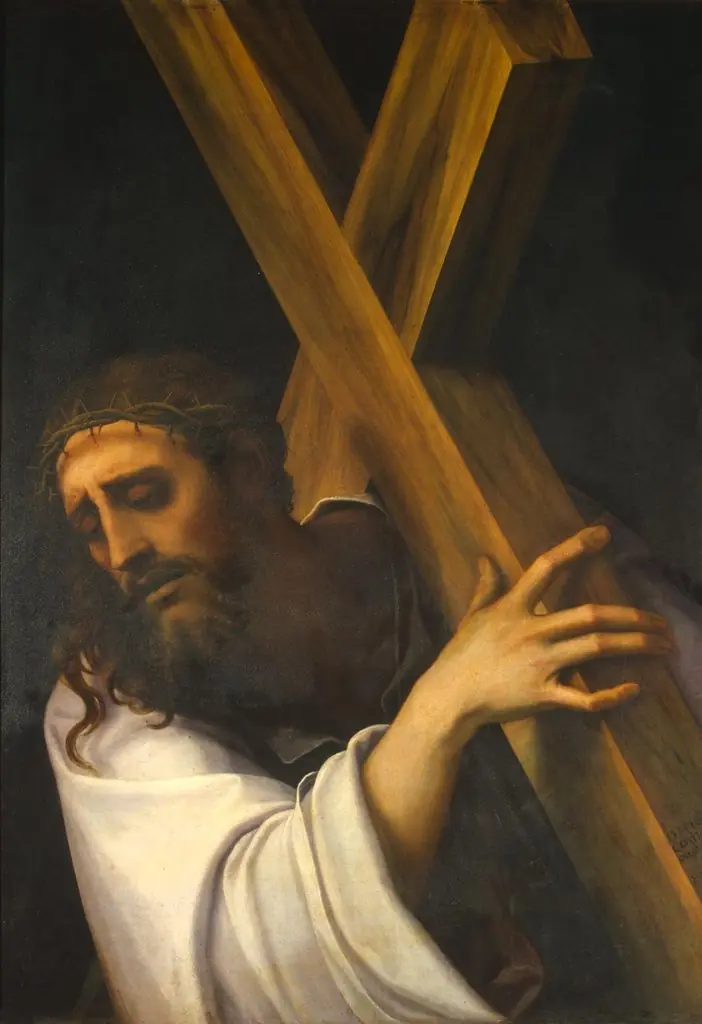
Christ Carrying the Cross is an oil painting by the High Renaissance artist Sebastiano del Piombo. It dates from 1526 and is held in the collection of the Museum of Fine Arts, Budapest.
About this work
Overview
Unlike traditional panel or canvas works, the use of slate lends a cool, dense texture that enhances the gravity of the subject.
Painted around 1526, Christ Carrying the Cross is a devotional image executed on slate by Sebastiano del Piombo. Unlike traditional panel or canvas works, the use of slate lends a cool, dense texture that enhances the gravity of the subject. The painting reflects Sebastiano’s synthesis of Venetian chromatic sensitivity and the sculptural weight characteristic of Roman High Renaissance art, following his move to Rome in 1511.
Subject & Meaning
The scene portrays Christ at the moment of bearing the cross toward Calvary, a pivotal episode in the Passion narrative. His posture conveys endurance rather than agony; the downward gaze and furrowed brow suggest inward resolve. The absence of bystanders or dramatic elements focuses attention on Christ’s solitary burden, emphasizing spiritual stoicism over theatrical suffering, aligning with contemplative devotional practices of the era.
Technique & Style
Sebastiano employed slate as a support, a rare choice that demanded precise handling due to its hardness and non-porous surface. He applied pigments with a restrained palette—white robes against dark grey tones—to heighten the figure’s presence. The modeling of form is sculptural, with subtle gradations of light and shadow, reflecting his training under Titian and his engagement with Michelangelo’s anatomical precision.
History & Provenance
The painting entered the collection of the Museum of Fine Arts in Budapest in the 19th century, though its earlier ownership remains undocumented. Its survival in relatively intact condition is notable given the fragility of slate as a medium. No contemporary records confirm its original commission, but its intimate scale suggests private devotion rather than public altarpiece use.
Context
Created during the height of the High Renaissance, the work emerged amid intense religious reform and artistic competition in Rome. Sebastiano, though Venetian by training, aligned himself with Roman intellectual circles, including Michelangelo. This painting reflects a quiet, humanized piety that contrasts with the grandeur of contemporaneous altarpieces, offering a more personal meditation on Christ’s suffering.
Legacy
Christ Carrying the Cross stands as a rare example of slate painting from the period, illustrating Sebastiano’s experimental approach to materials. While not widely reproduced, it influenced later devotional imagery through its restrained emotional tone and emphasis on physical presence over narrative spectacle. Its survival offers insight into the diversity of Renaissance artistic practice beyond mainstream media.
Artist & collection
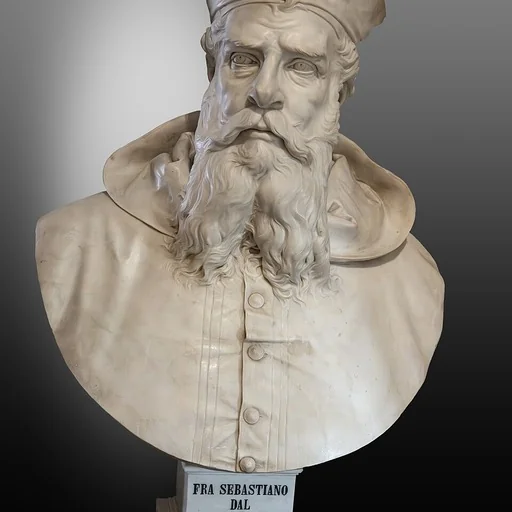
Artist
Sebastiano del Piombo (Italian: ; c. 1485 – 21 June 1547) was an Italian painter of the High Renaissance and early Mannerist periods, famous as the only major artist of the period to combine the colouring of the…

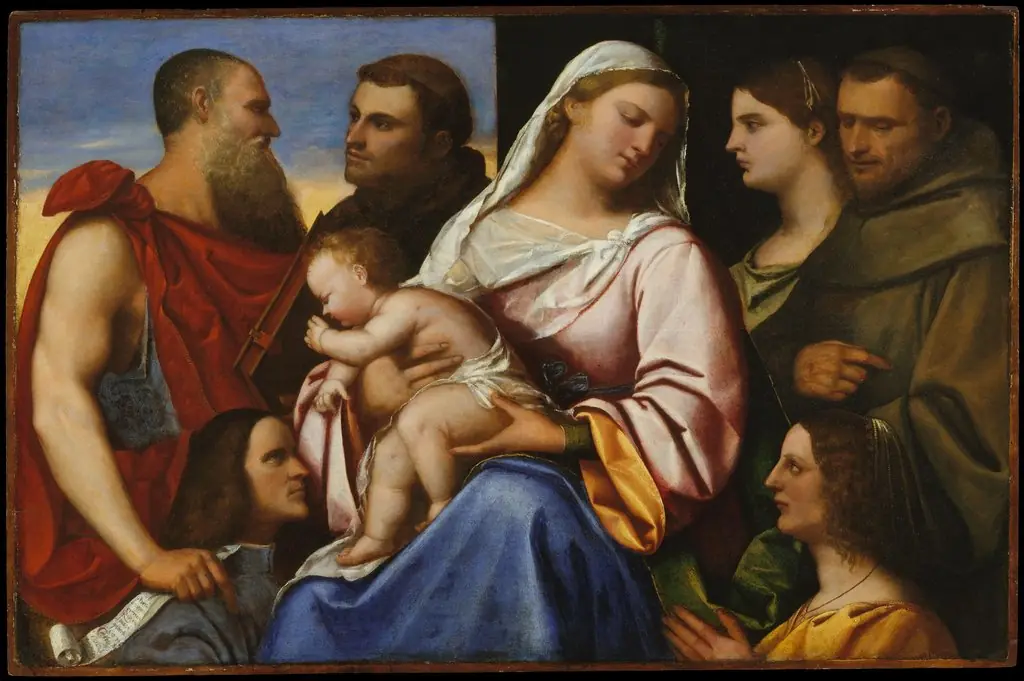 Madonna and Child with Saints and Donors
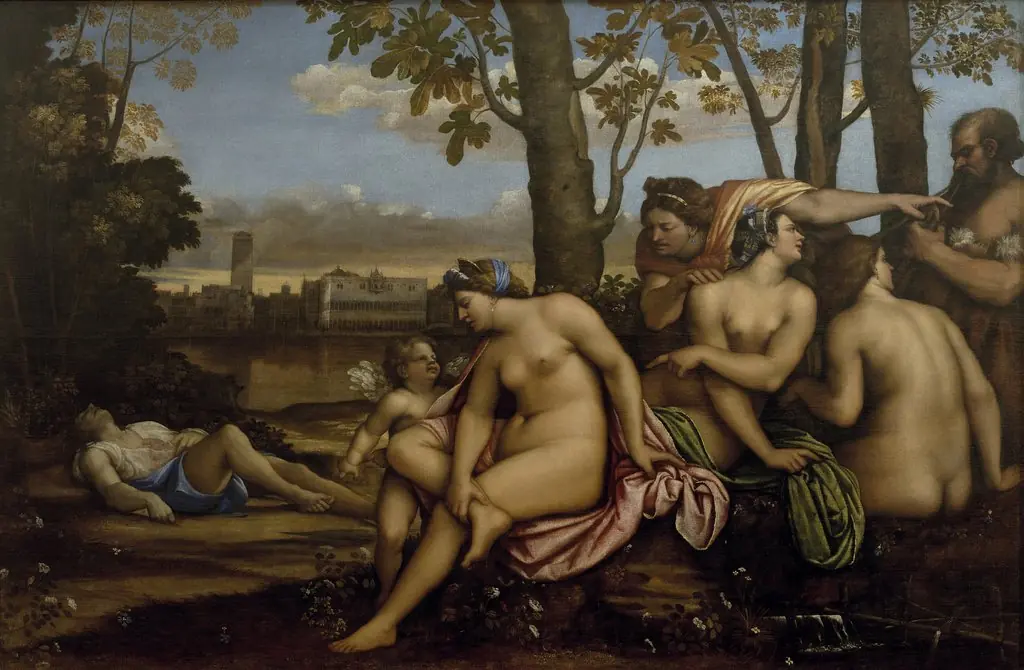 Death of Adonis
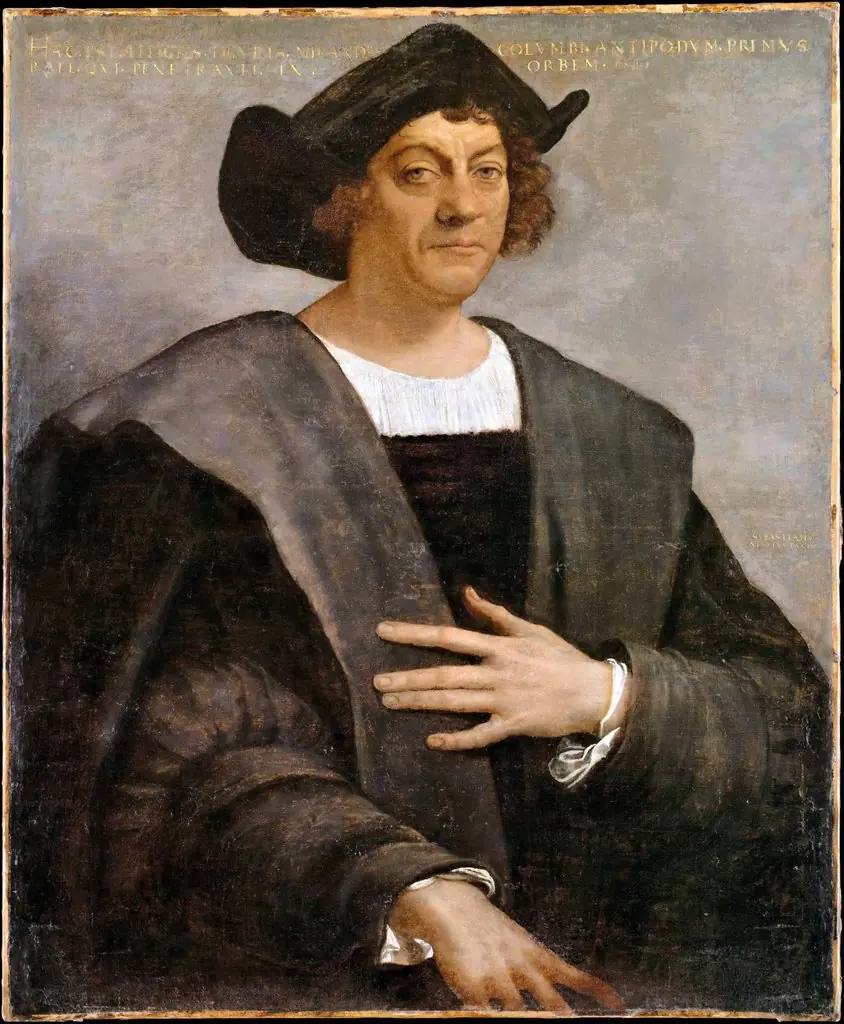 Portrait of a Man, Said to be Christopher Columbus (born about 1446, died 1506)
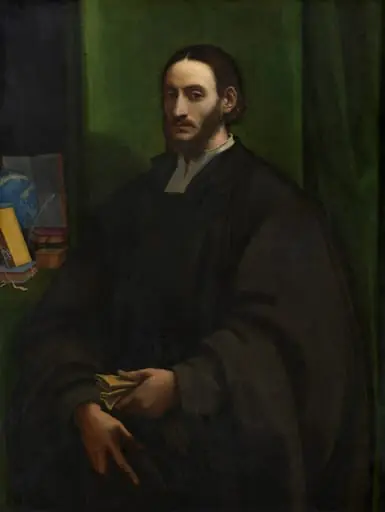 Portrait of a Humanist
 Portrait of a Young Woman as a Wise Virgin
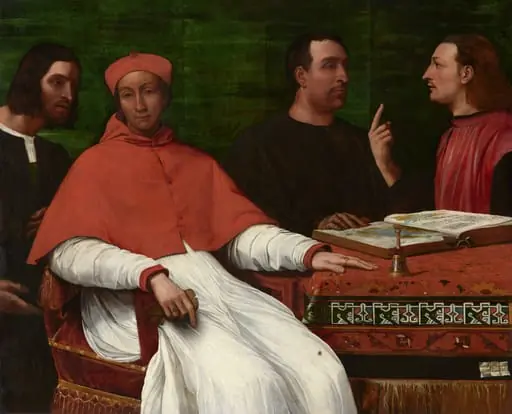 Cardinal Bandinello Sauli, His Secretary, and Two Geographers
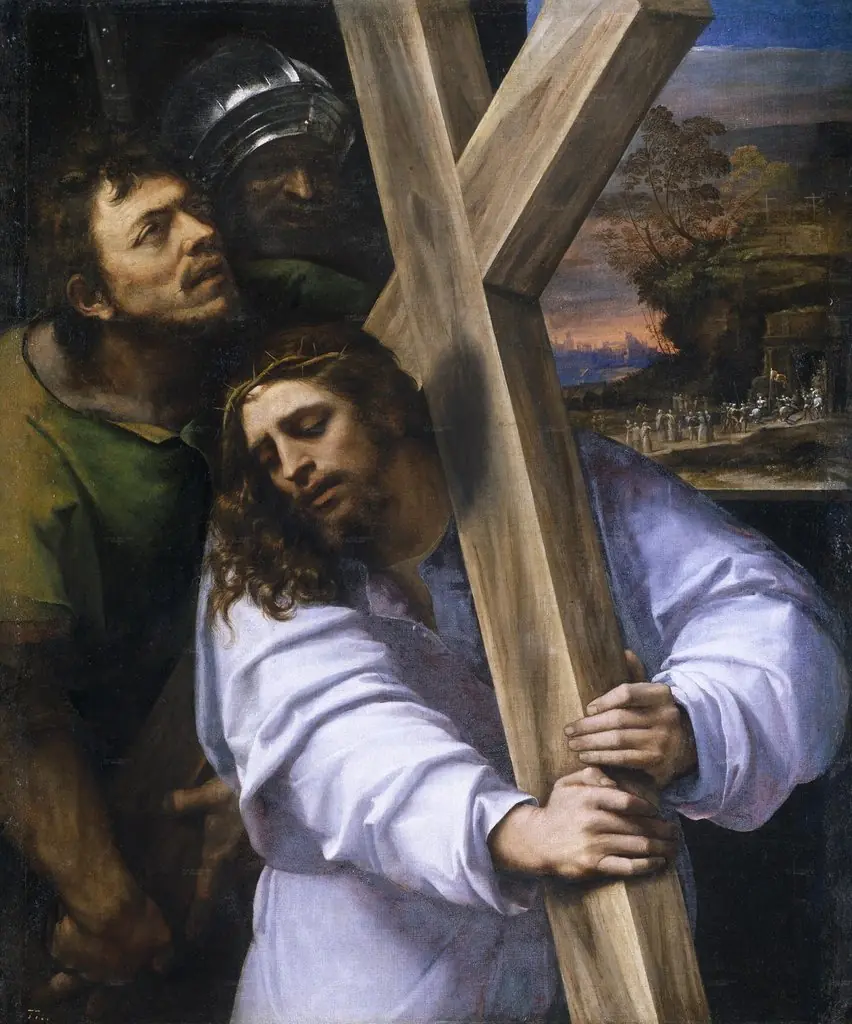 Jesus carrying the Cross
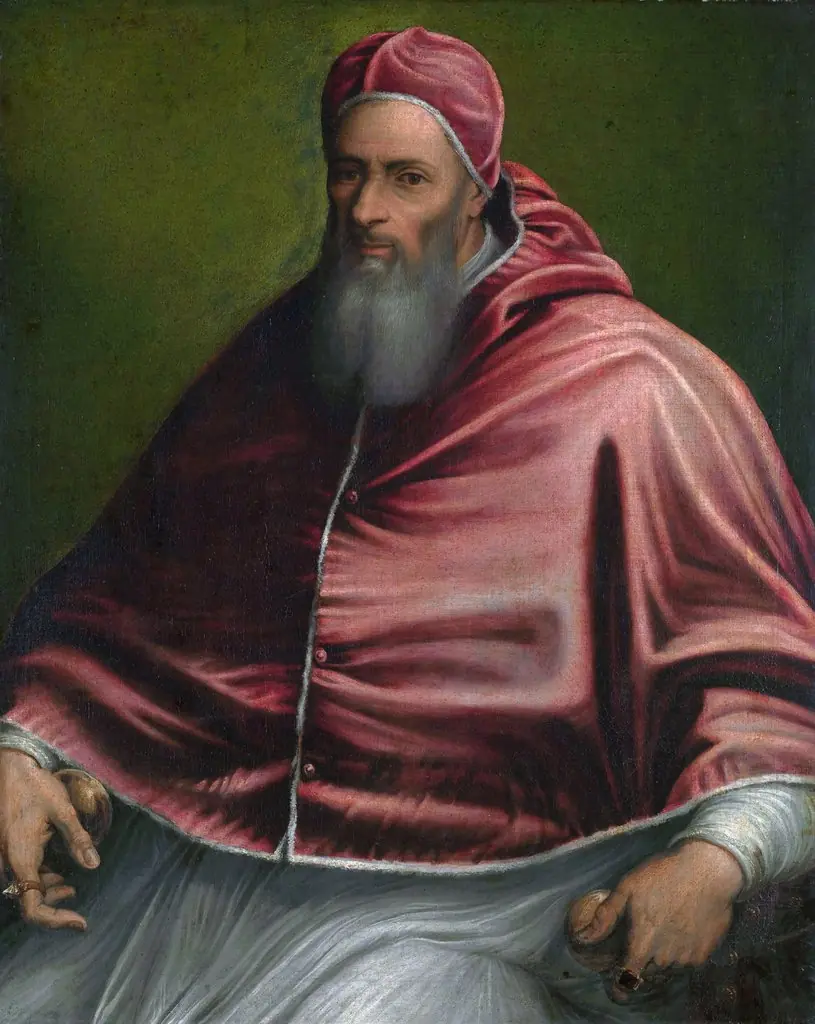 Pope Julius III (1478-1555)