Artwork
Prelate with an Hourglass
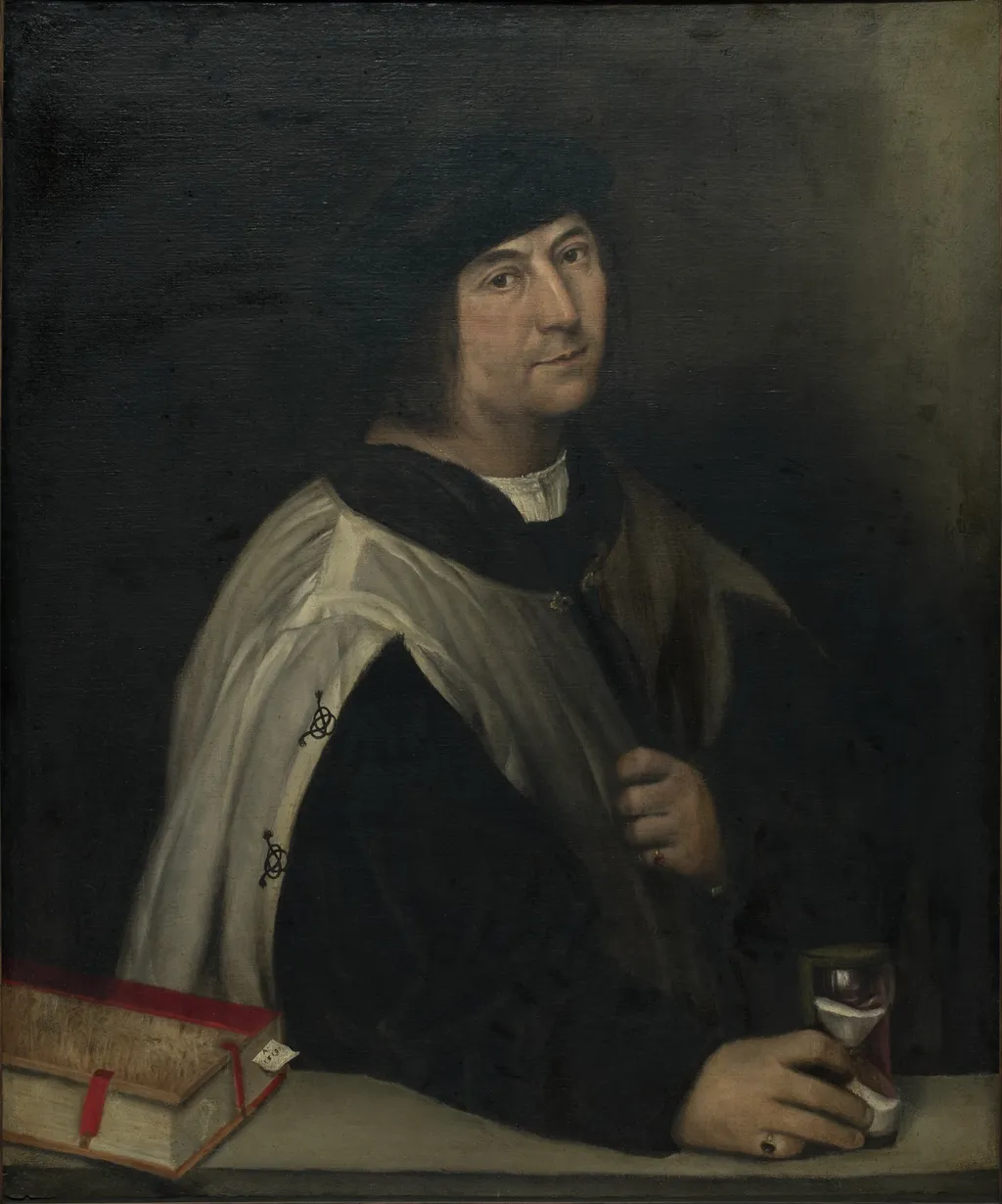
Prelate with an Hourglass is an oil painting by the High Renaissance artist Sebastiano del Piombo. It dates from 1519 and is held in the collection of the Detroit Institute of Arts.
About this work
Overview
Prelate with an Hourglass is a 1519 oil painting by Sebastiano del Piombo, characteristic of the High Renaissance. The work portrays a solemn cleric accompanied by symbolic objects, now housed at the Detroit Institute of Arts.
Subject & Meaning
The painting depicts a serious-faced cleric with indicators of his status: a white collar, a ring, and nearby books with red ribbons. The prominently placed hourglass on the table in front of him serves as a reminder of the transience of time.
Technique & Style
Del Piombo combines Venetian color sensibilities with Roman compositional grandeur, reflecting his artistic journey from Venice to Rome. The painting showcases strong chiaroscuro, with deep shadows and highlighted areas, particularly around the subject’s face, creating a sharp contrast against the dark background.
History & Provenance
Created in 1519, after del Piombo’s 1511 move to Rome, the painting exemplifies his adaptive style. It is currently part of the collection at the Detroit Institute of Arts.
Context
Prelate with an Hourglass reflects the artistic fusion of Venetian and Roman styles during the High Renaissance, a period of significant artistic innovation and cross-influence among Italian cities.
Legacy
While specific lasting impacts of *Prelate with an Hourglass* on subsequent art movements are not widely highlighted, it remains a notable example of del Piombo’s contribution to the High Renaissance, illustrating his mastery of light and symbolic composition.
Own this work as a print
Artist & collection
Artist
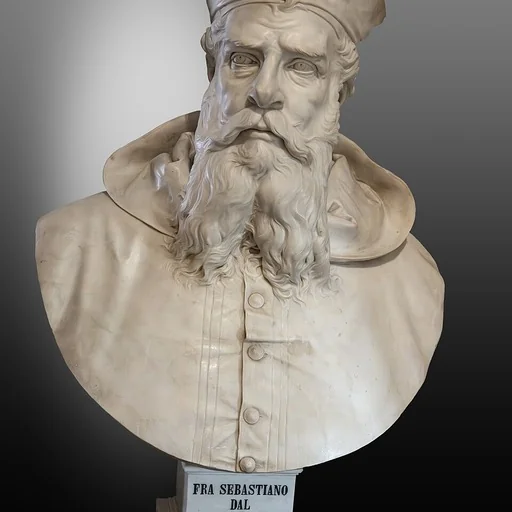
Sebastiano del Piombo (Italian: ; c. 1485 – 21 June 1547) was an Italian painter of the High Renaissance and early Mannerist periods, famous as the only major artist of the period to combine the colouring of the…

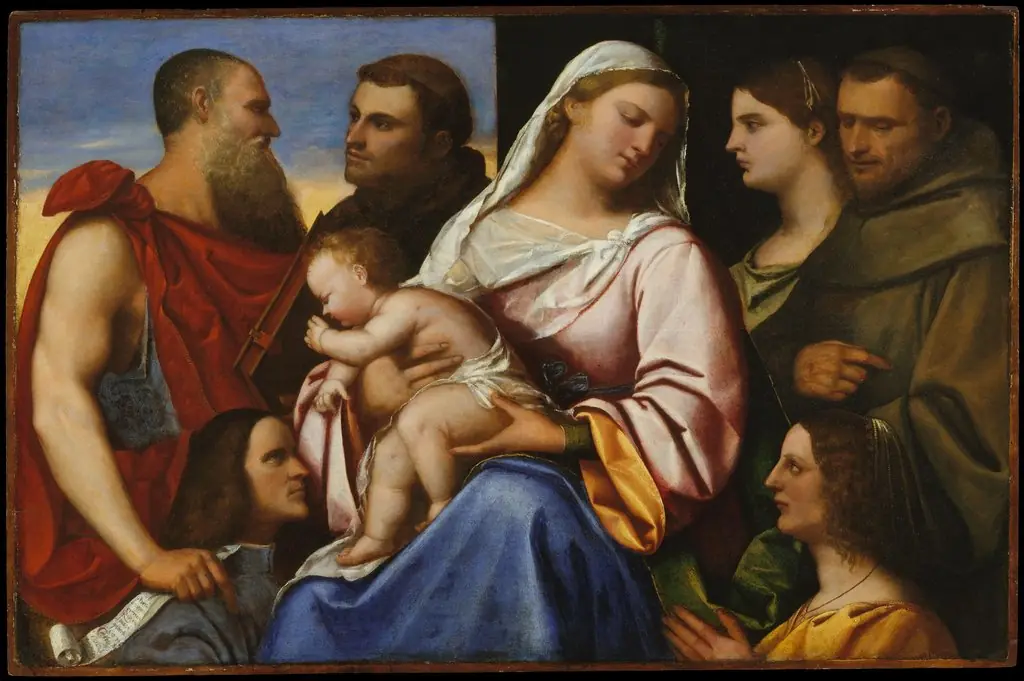 Madonna and Child with Saints and Donors
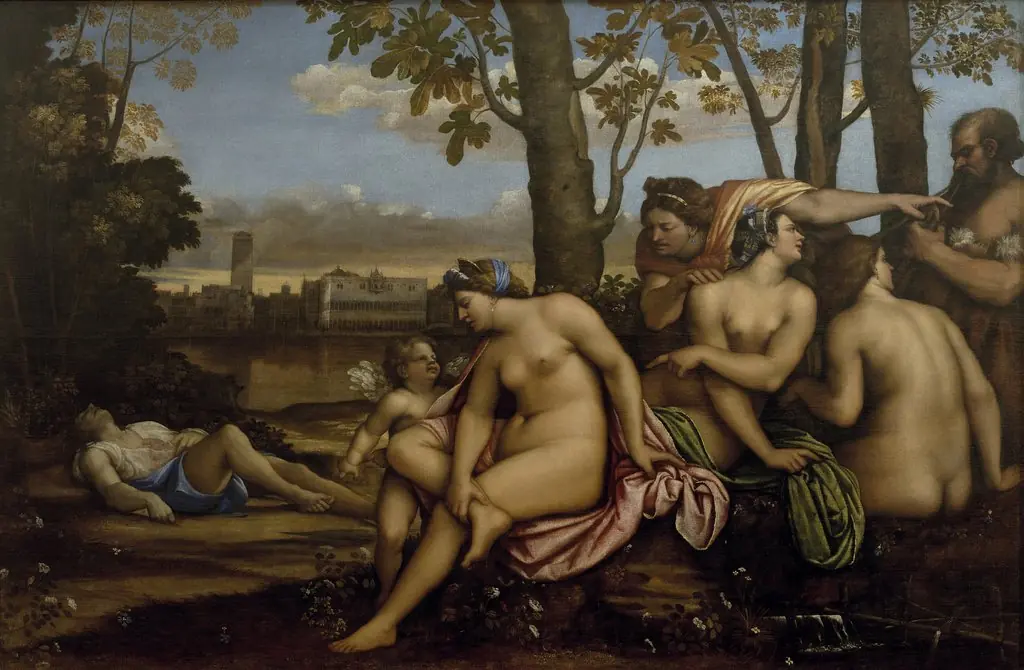 Death of Adonis
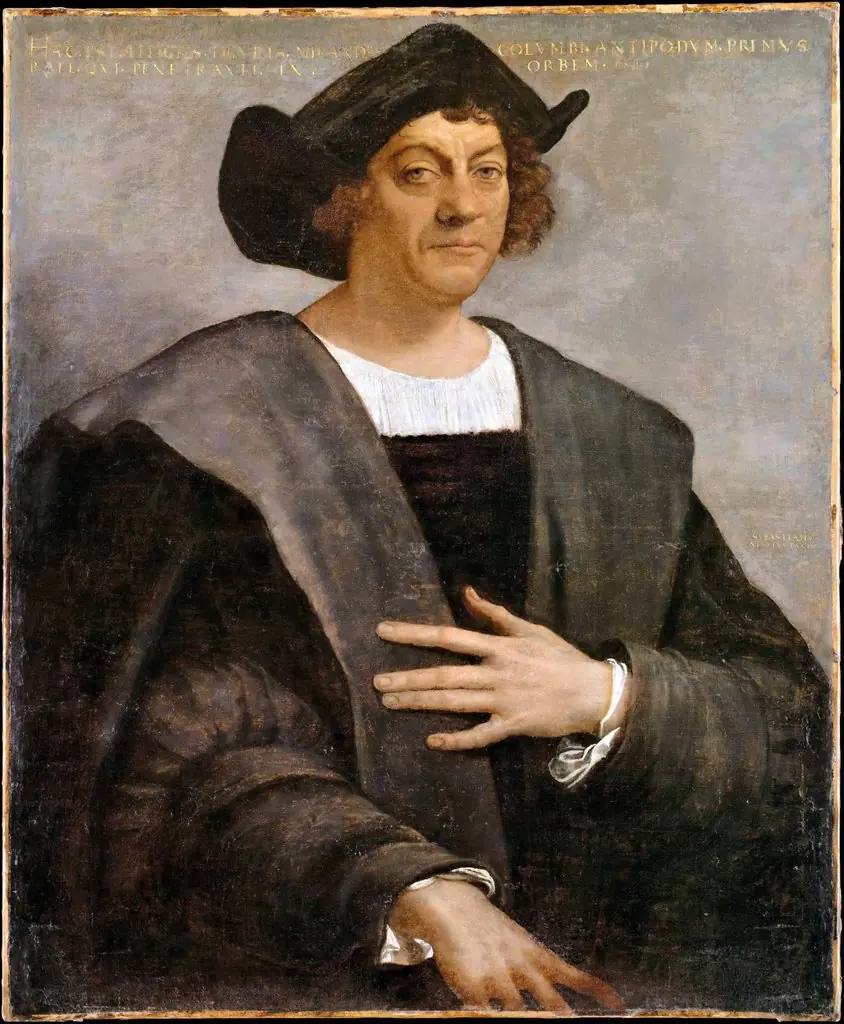 Portrait of a Man, Said to be Christopher Columbus (born about 1446, died 1506)
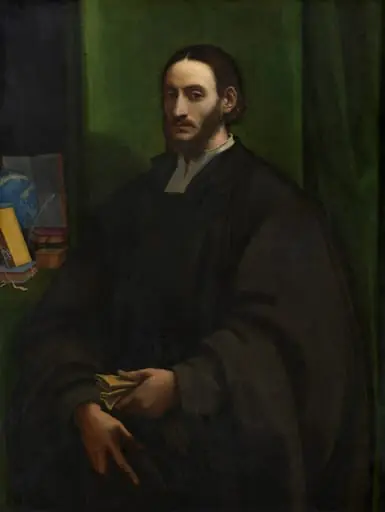 Portrait of a Humanist
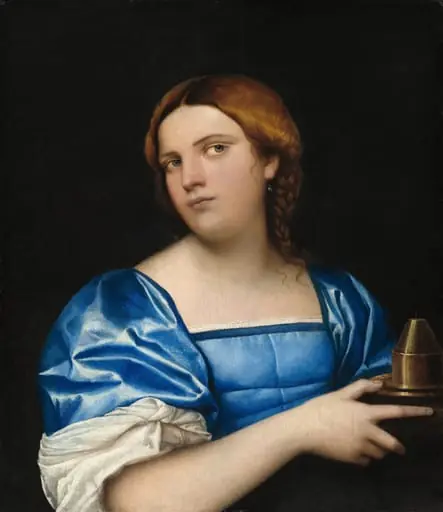 Portrait of a Young Woman as a Wise Virgin
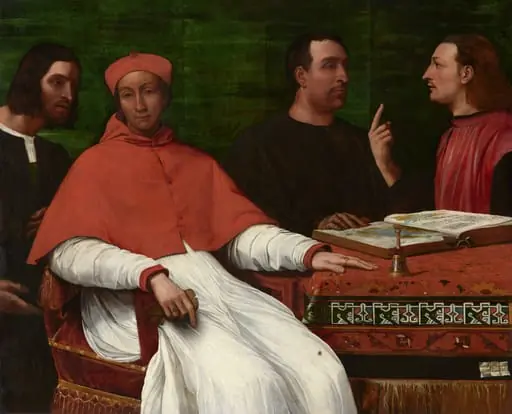 Cardinal Bandinello Sauli, His Secretary, and Two Geographers
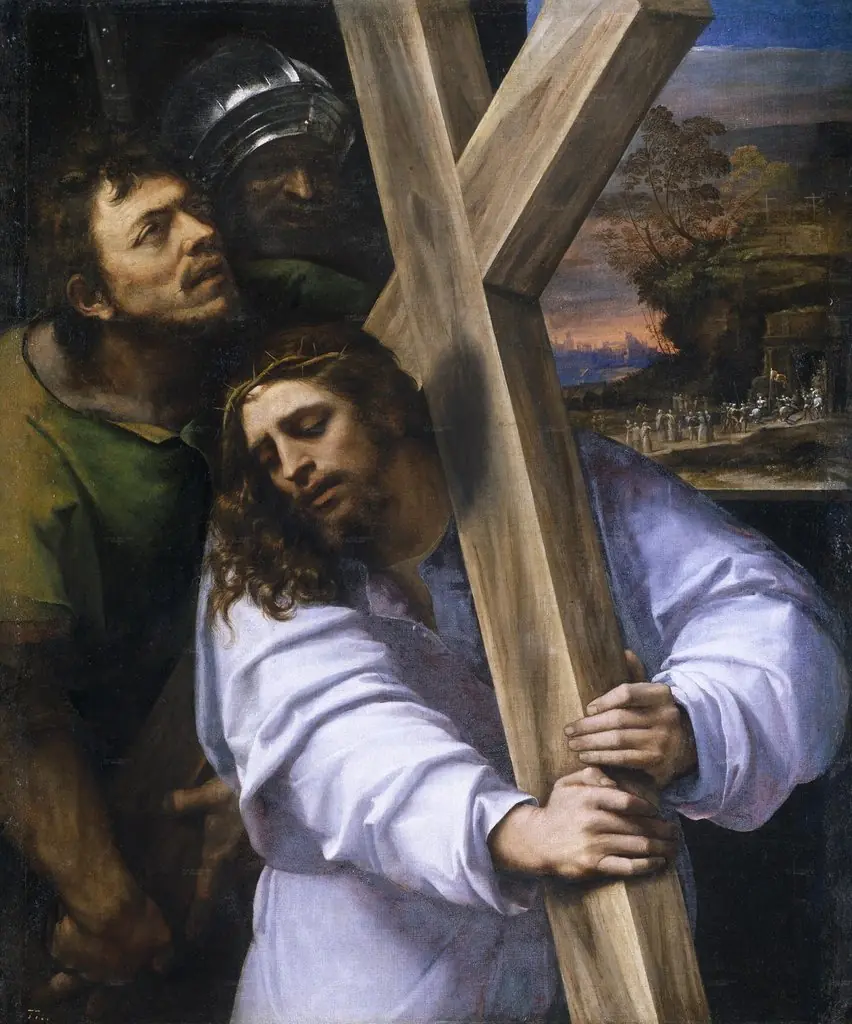 Jesus carrying the Cross
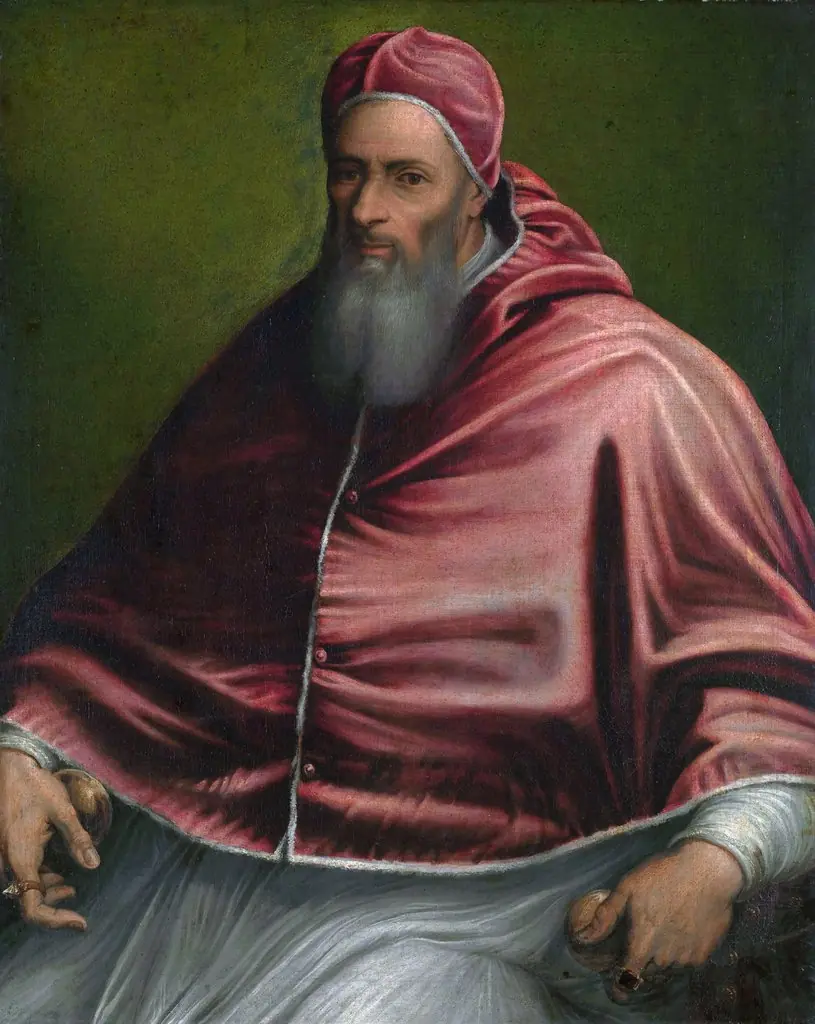 Pope Julius III (1478-1555)
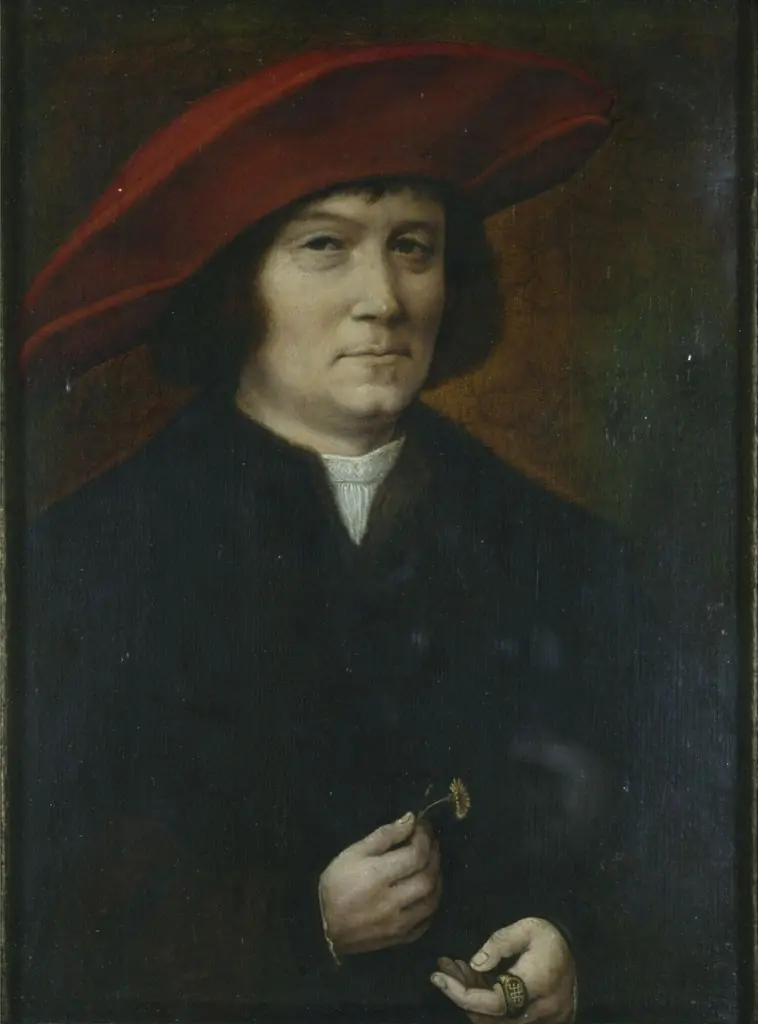 A man in a red hat
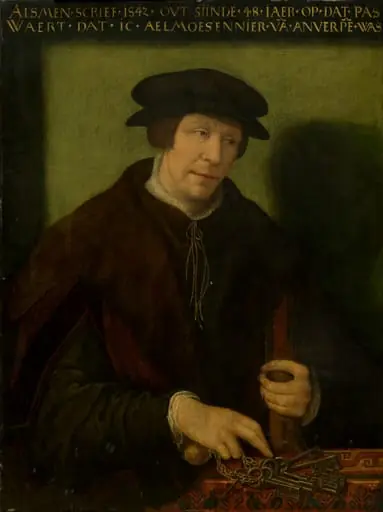 Portrait of an Almoner of Antwerp
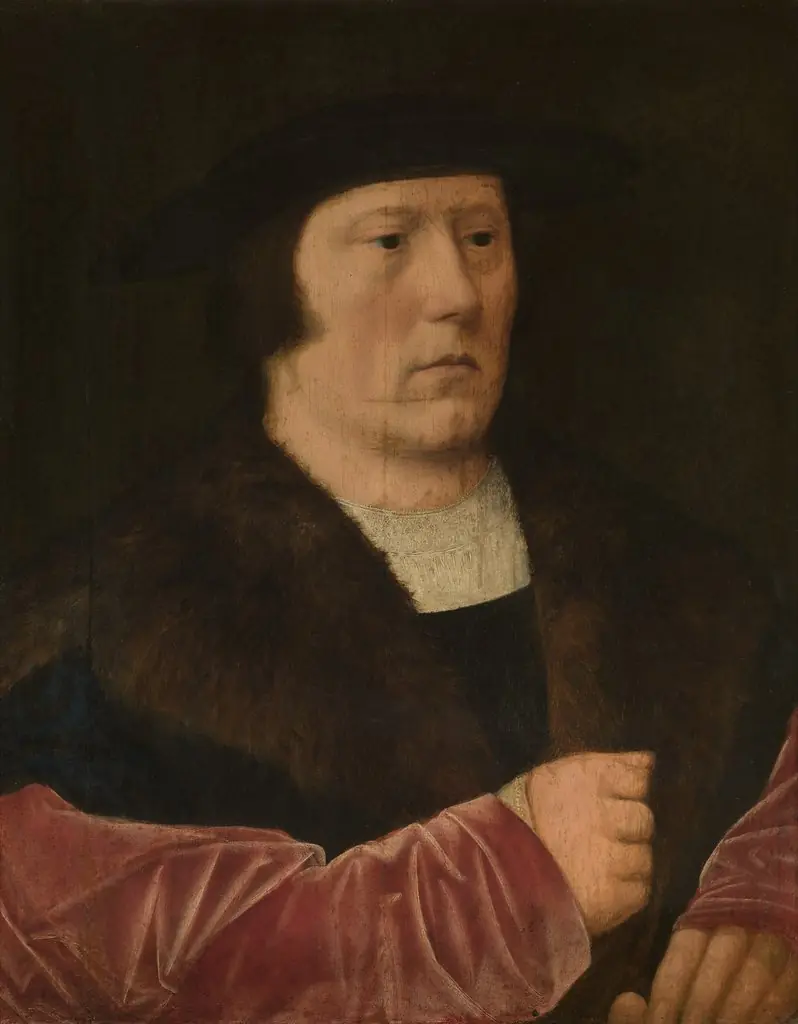 Portrait of a Man
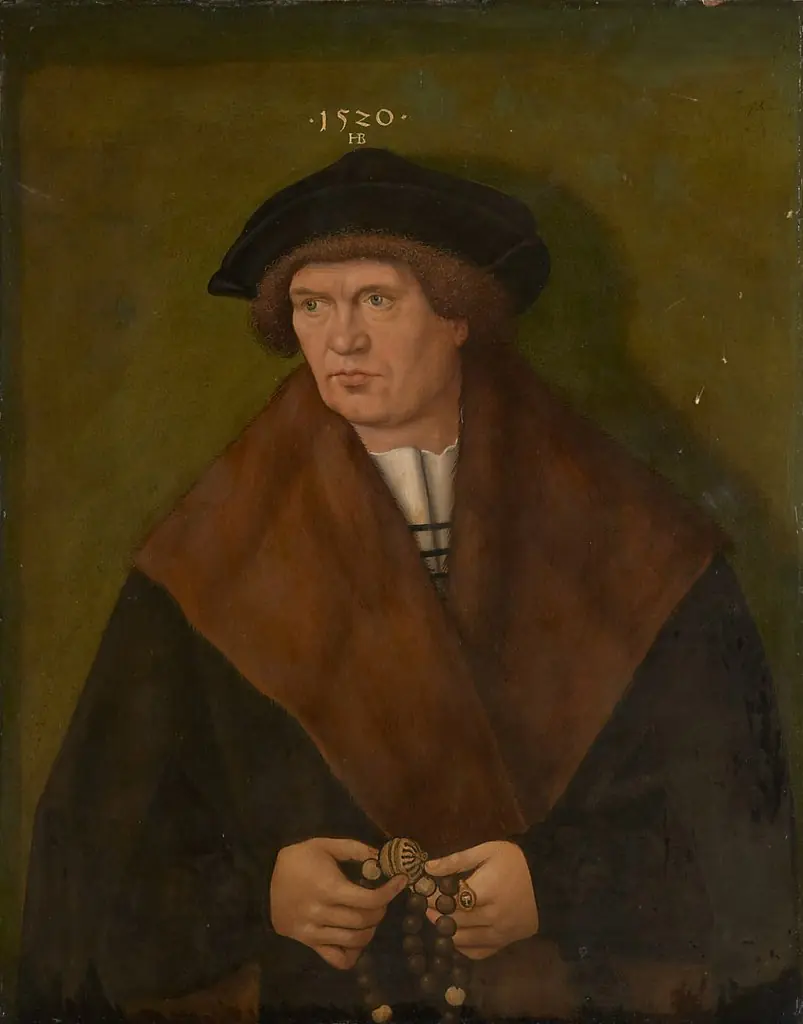 The Nuremberg dressmaker Hans Pirkel the Younger
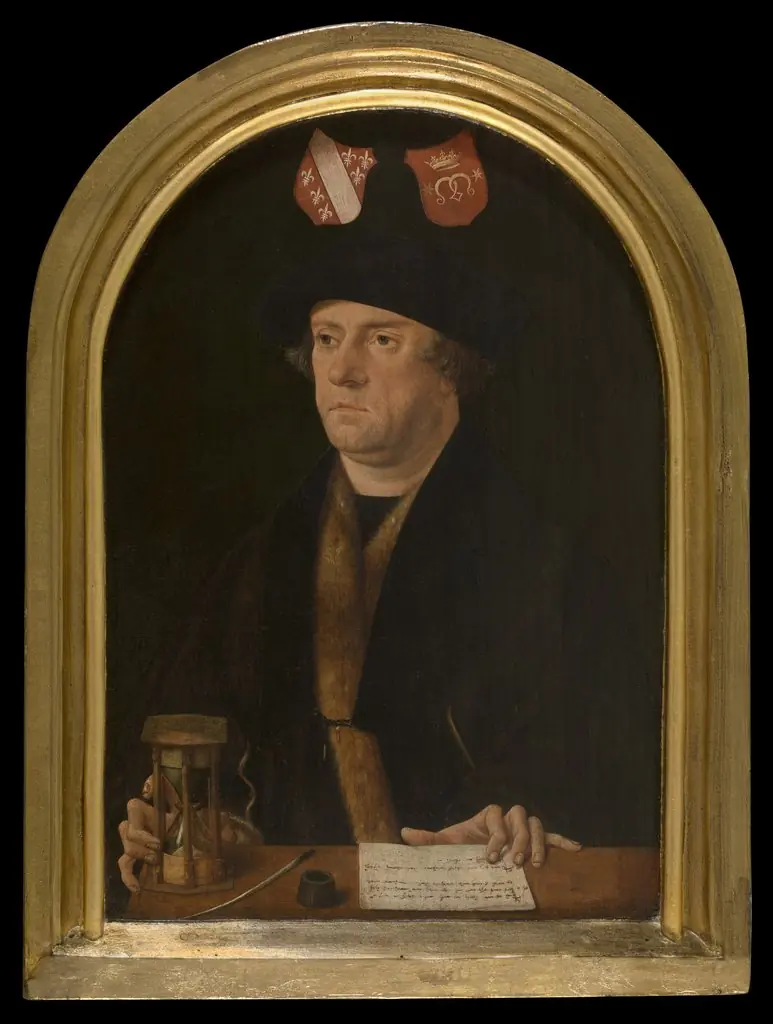 Portrait of a Man
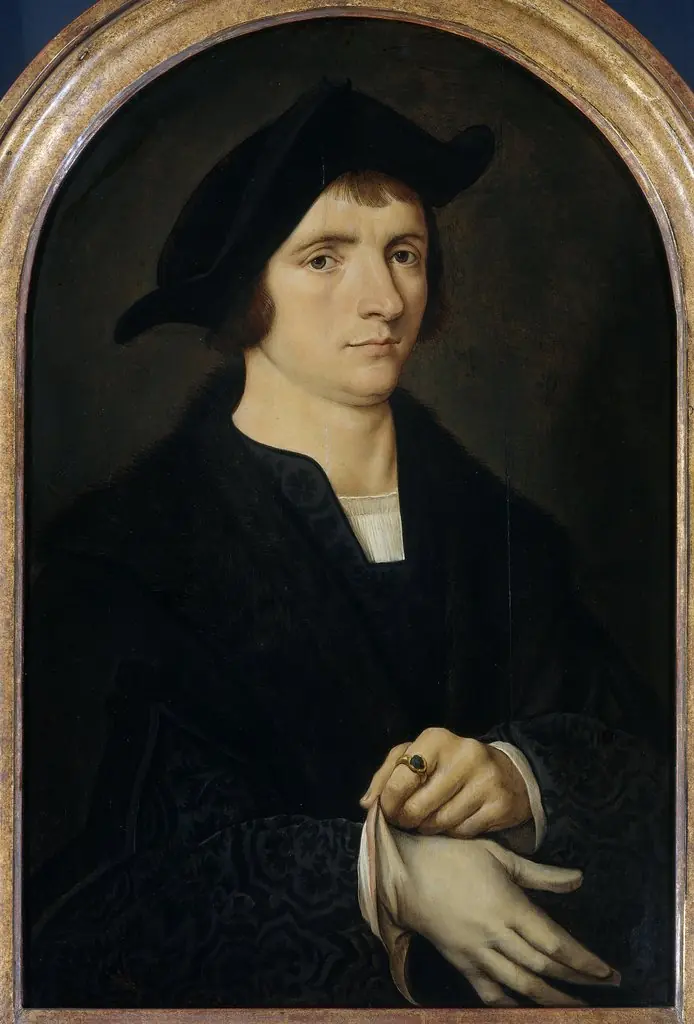 Portrait of Joris Vezeleer
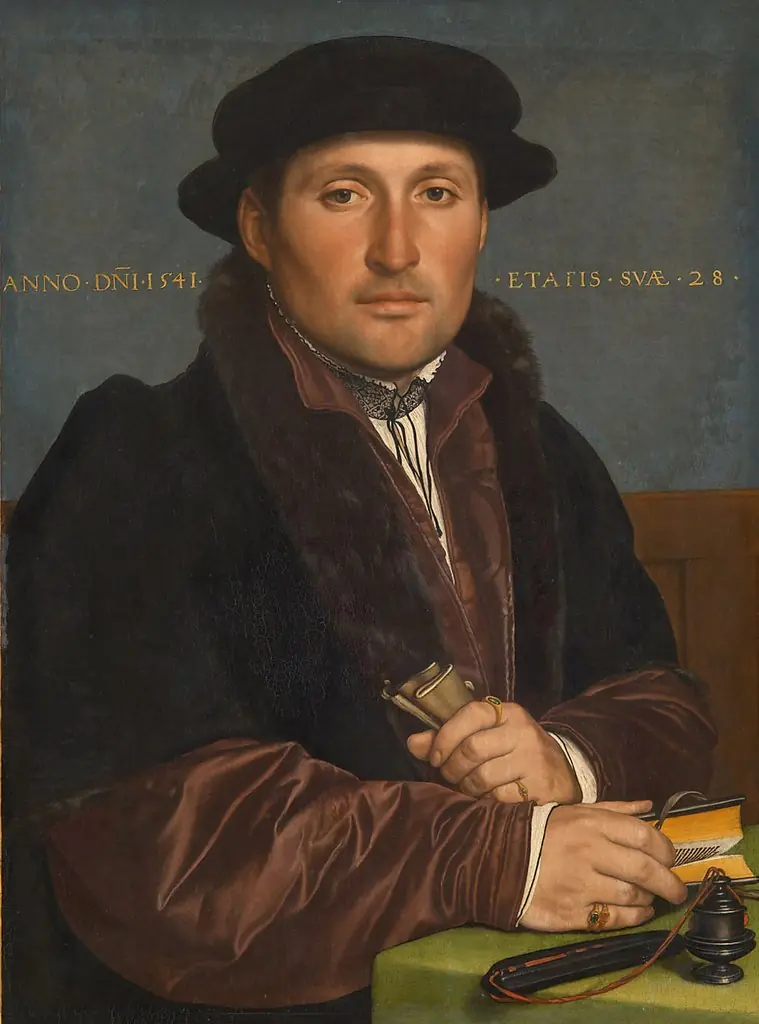 Portrait of a Young Merchant
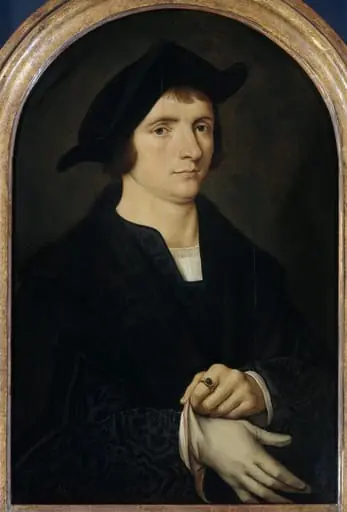 Portrait of Joris Vezeleer
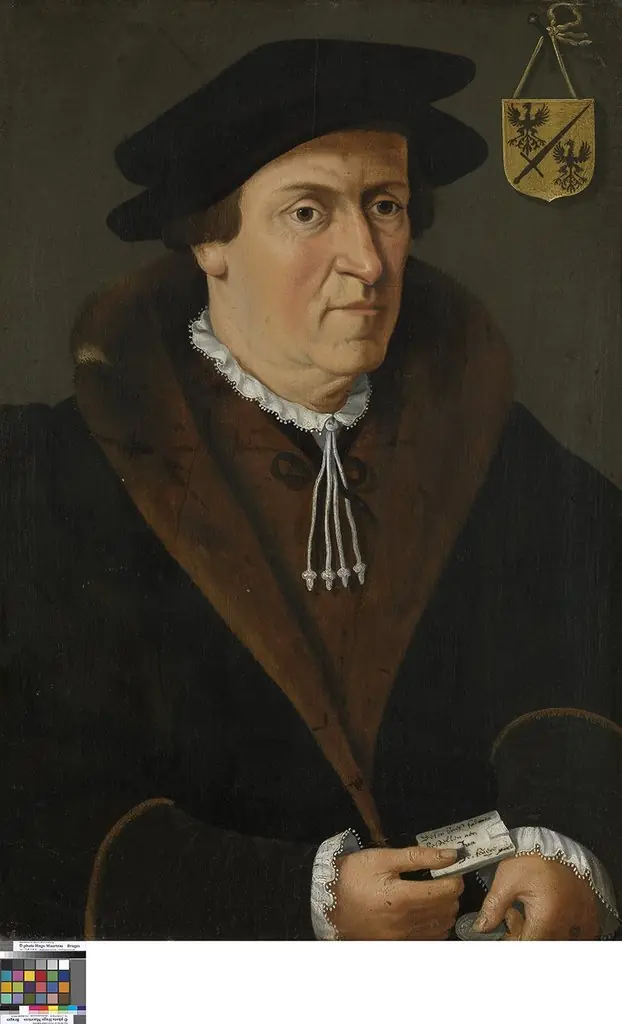 Portrait of Jan de Fevere
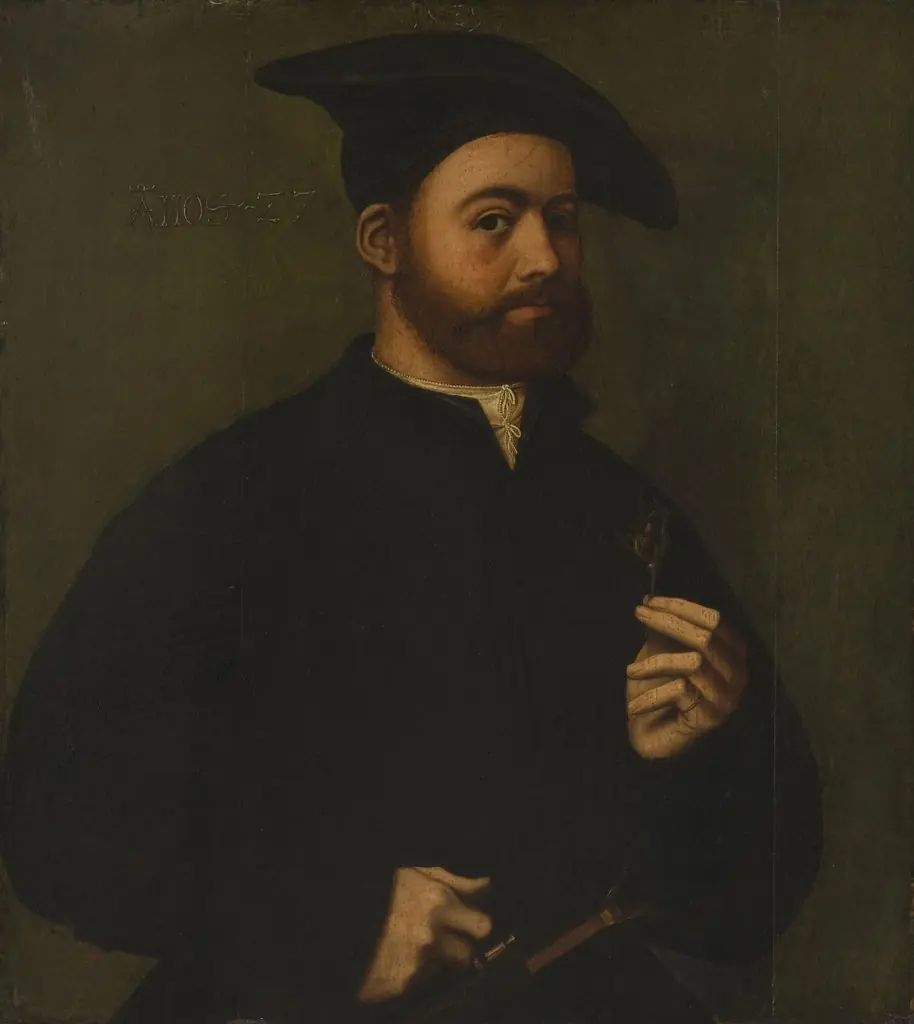 Portrait of a Man Holding a Rose
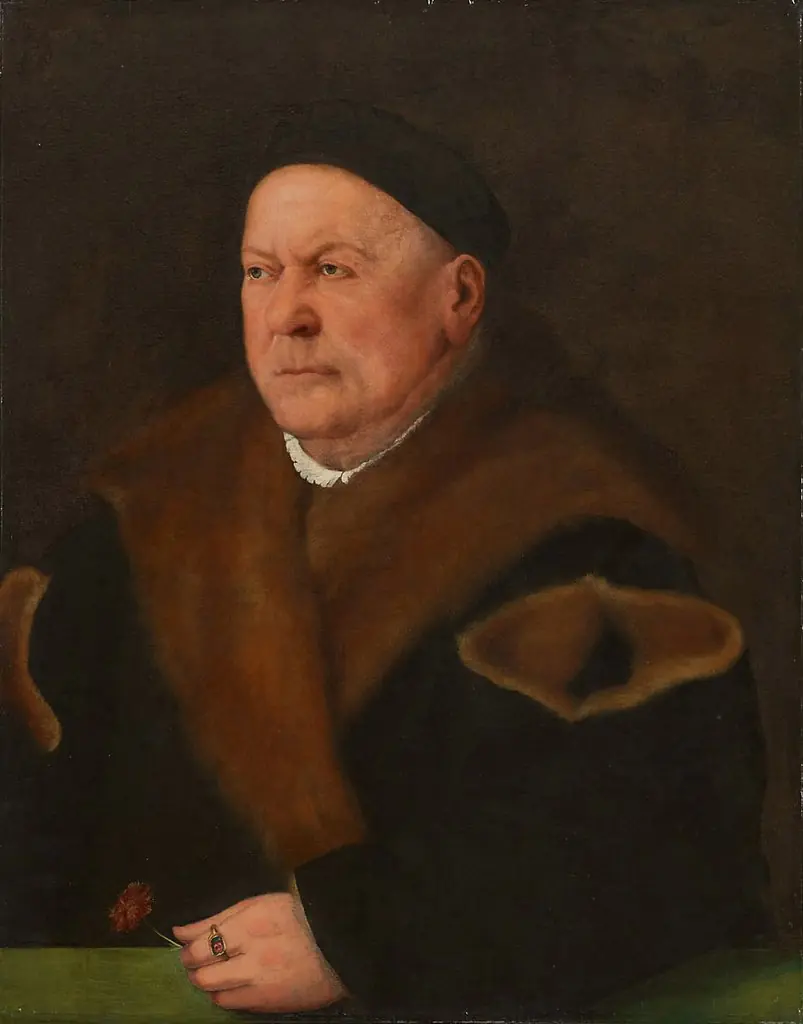 Der Augsburger Patrizier Ulrich Sulzer (1463-1545)
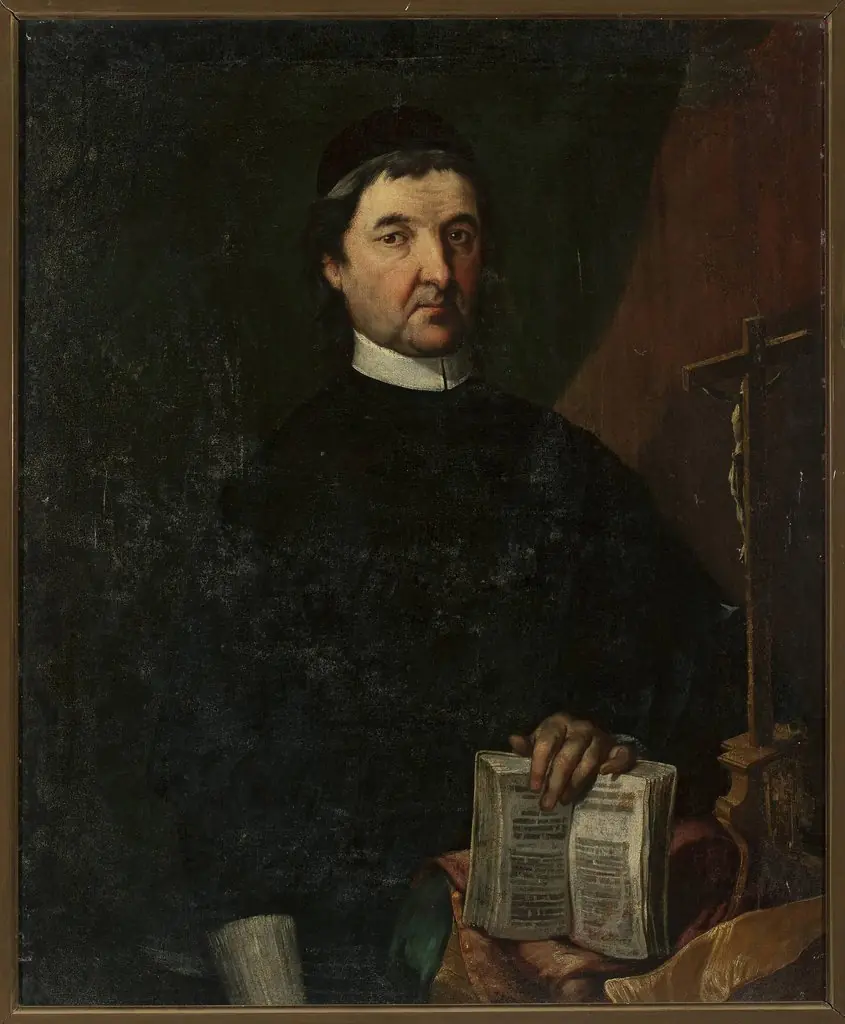 Portrait of a priest (Piarist?)