Artwork
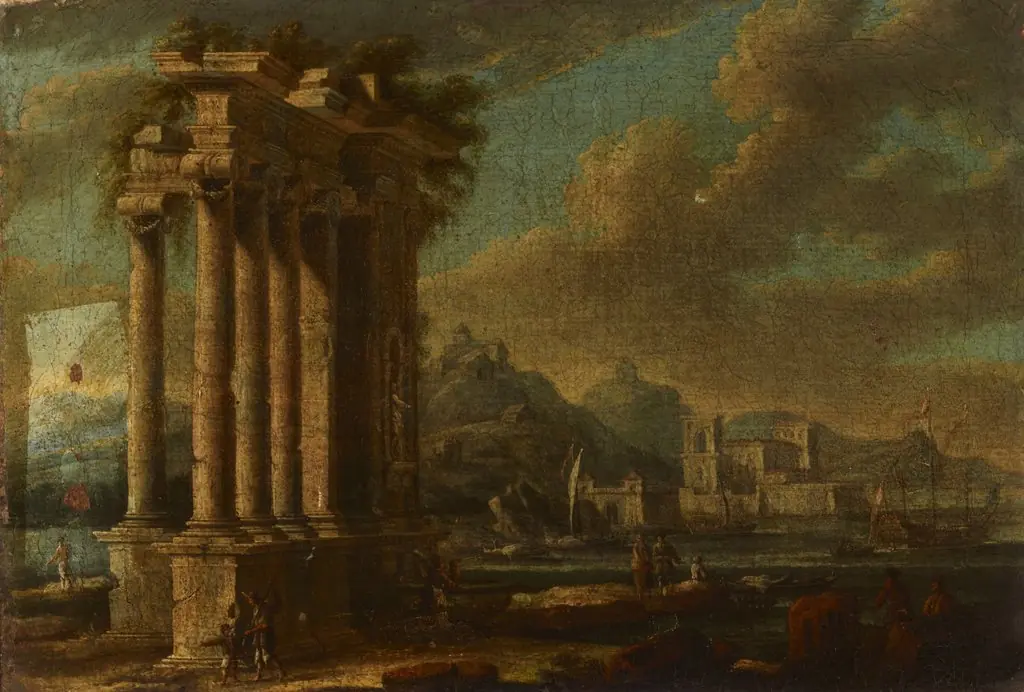
Landscape with Classical Ruins and Figures
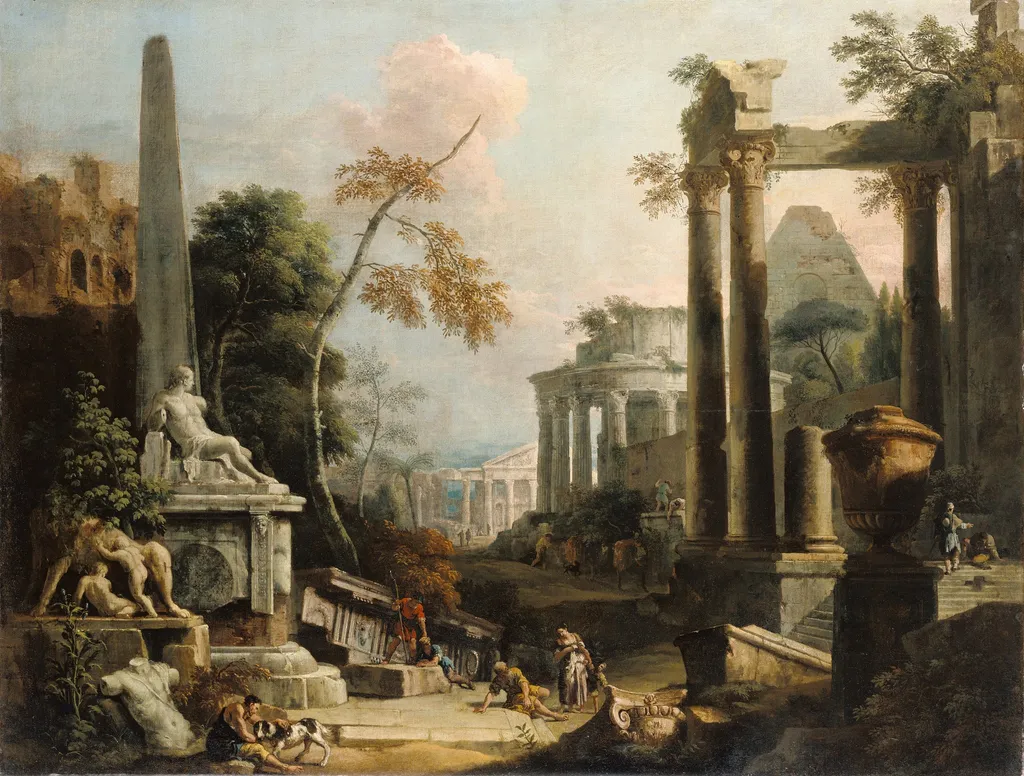
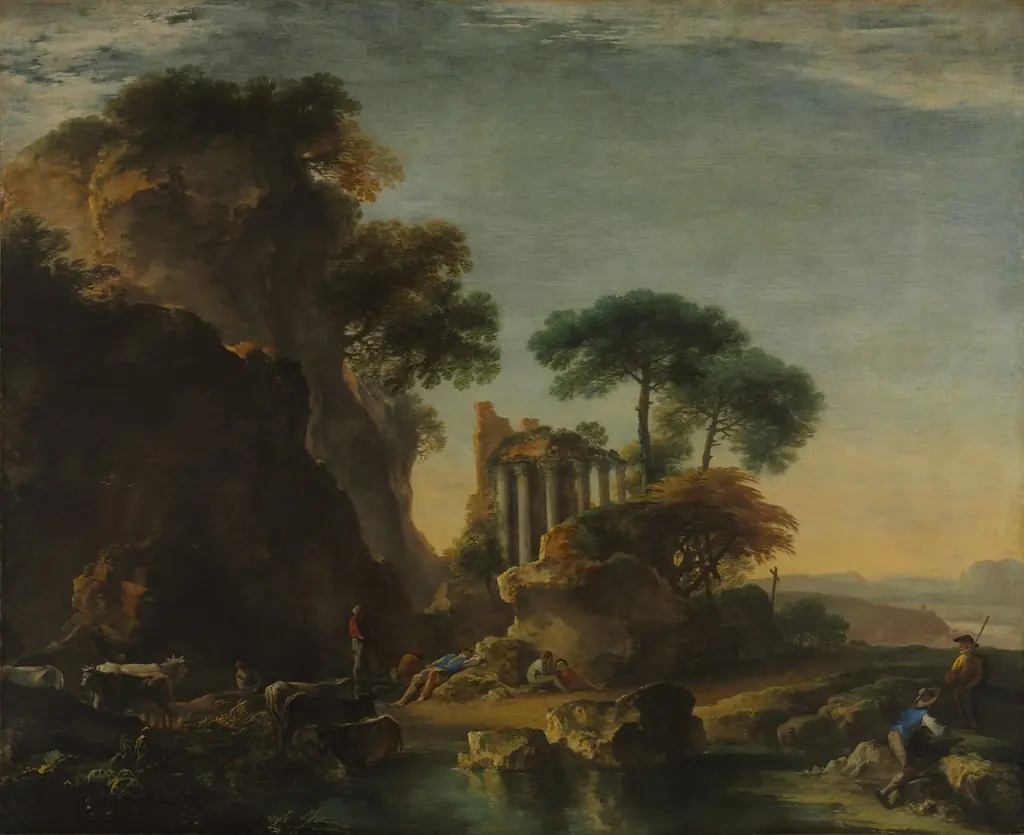
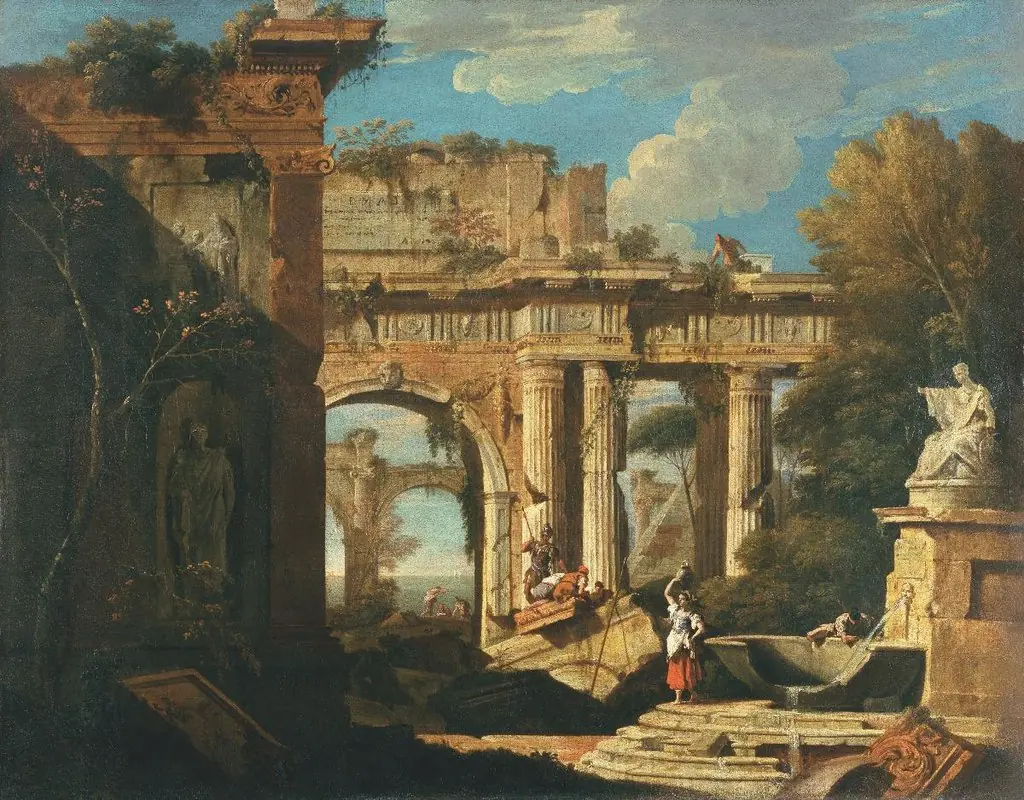
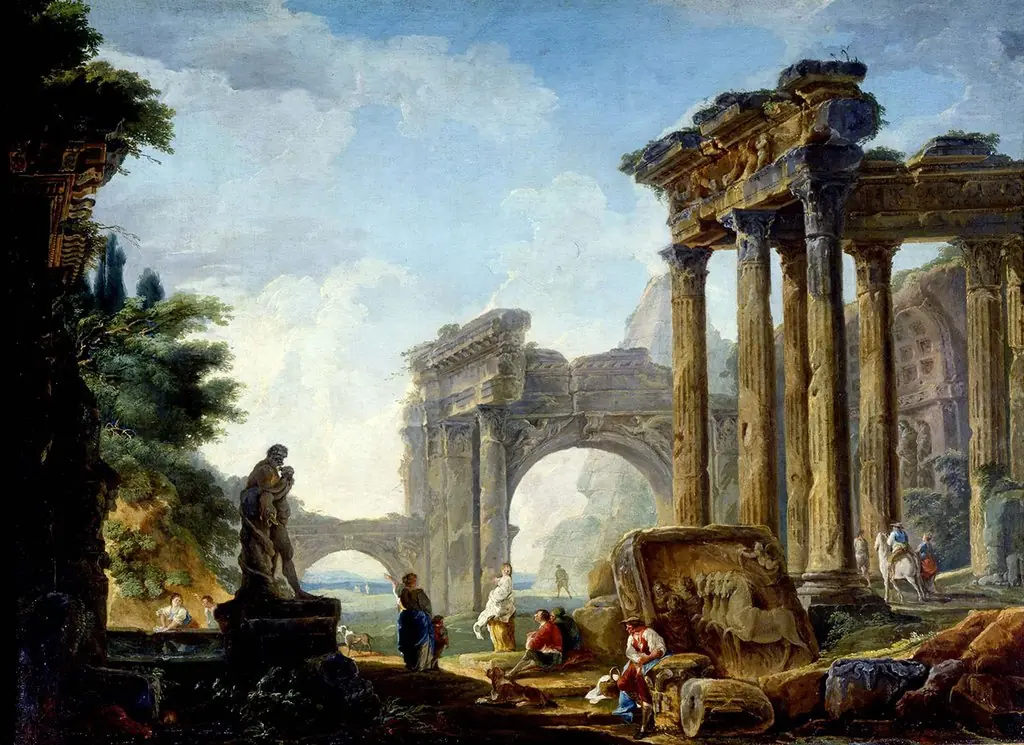
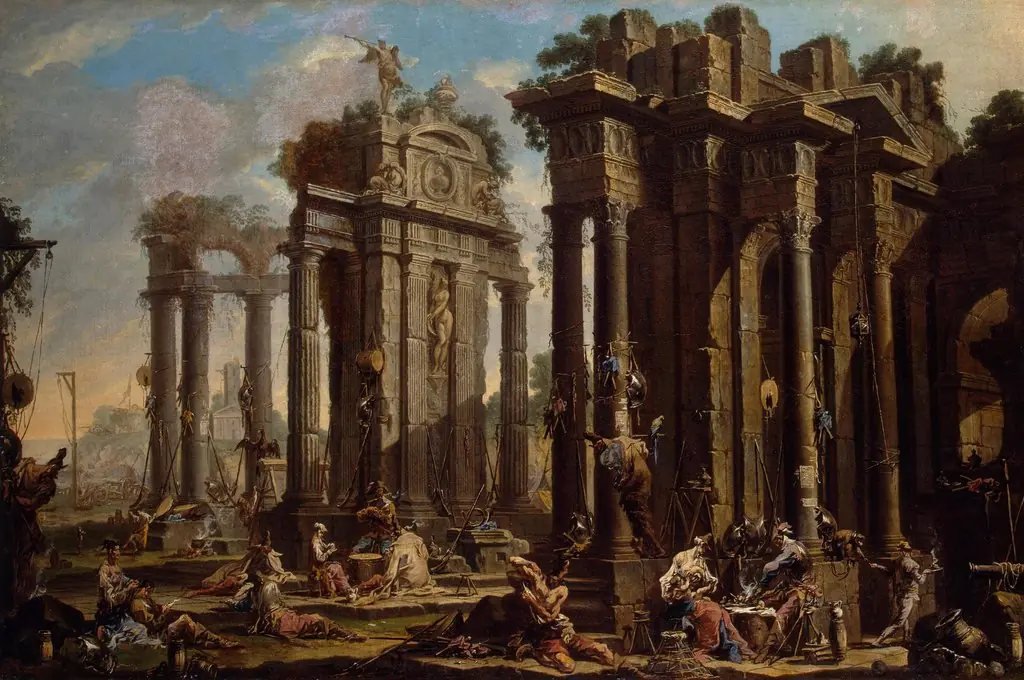
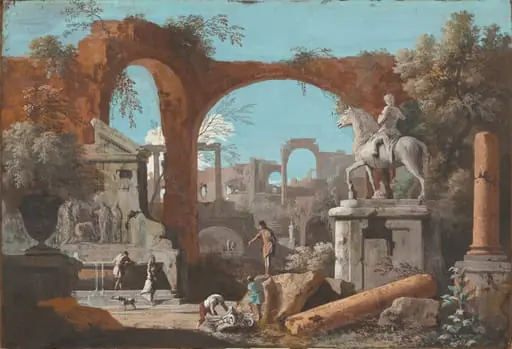
Landscape with Classical Ruins and Figures is an oil painting by the Rococo painting artist Sebastiano Ricci. It dates from 1727 and is held in the collection of the J. Paul Getty Museum.
About this work
Overview
Painted in 1727, this oil-on-canvas work by Sebastiano Ricci presents a pastoral scene framed by the remnants of classical antiquity.
Painted in 1727, this oil-on-canvas work by Sebastiano Ricci presents a pastoral scene framed by the remnants of classical antiquity. Though rooted in the late Baroque tradition, its lightness and atmospheric detail align with early Rococo sensibilities. The composition balances natural elements with architectural decay, creating a contemplative mood. It is currently held in the collection of the J. Paul Getty Museum.
Subject & Meaning
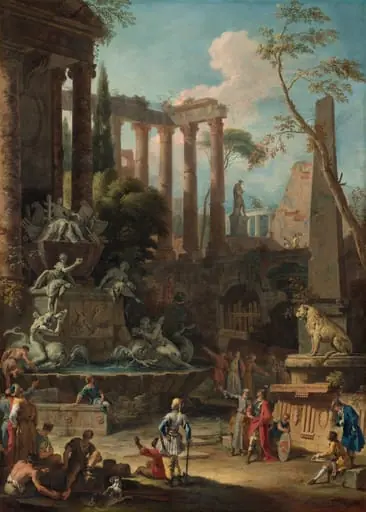
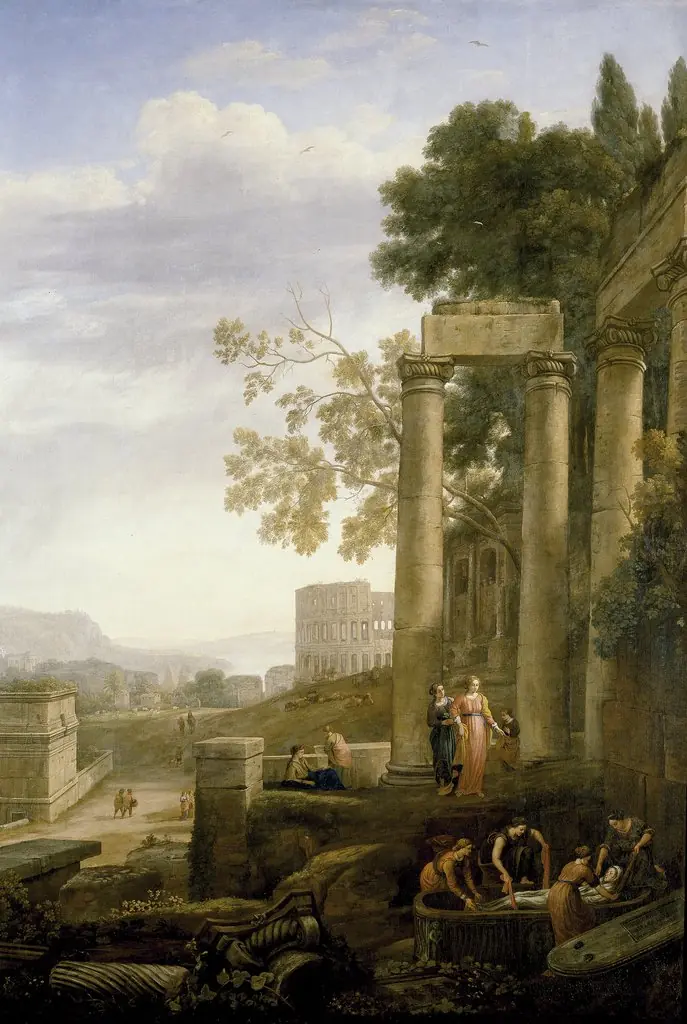
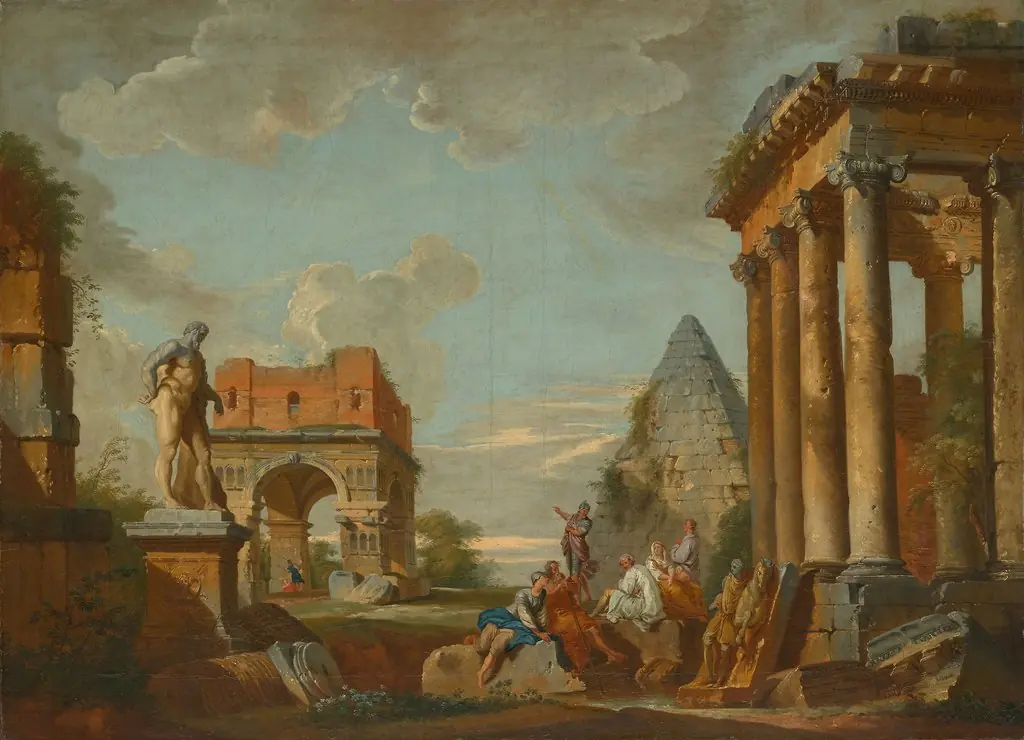
The scene depicts scattered classical ruins—columns, arches, and fragmented walls—overgrown by vegetation and inhabited by small groups of figures engaged in quiet, everyday activities. Dogs rest nearby, while individuals pause to converse or observe. The ruins suggest the passage of time and the fading of grandeur, evoking a reflective tone common in 18th-century landscape painting without overt moralizing.
Technique & Style
Ricci employed a luminous palette and loose brushwork to render texture and depth, emphasizing atmospheric perspective. The ruins are rendered with careful detail, contrasting with the softer, more fluid treatment of foliage and sky. Light filters gently through the trees, unifying the composition and enhancing the sense of spatial recession, a hallmark of his Cortonesque influence.
History & Provenance
Created during Ricci’s mature period, the painting reflects his travels and study of Roman antiquities. It entered the J. Paul Getty Museum’s collection in the late 20th century, having passed through private European holdings. While its early ownership is not fully documented, its style and date align with Ricci’s known output from the 1720s, a time when he frequently painted idealized landscapes for aristocratic patrons.
Context
In early 18th-century Venice, landscape painting gained renewed interest as collectors sought scenes blending nature with classical allusion. Ricci’s work responded to this trend, drawing from Roman ruins he encountered during his time in Rome. His approach influenced his nephew Marco Ricci, who further developed the genre with more dynamic compositions and expressive skies.
Legacy
Sebastiano Ricci’s treatment of ruins as poetic rather than archaeological elements helped shape the evolution of the ideal landscape in Europe. His synthesis of Baroque energy and Rococo delicacy provided a model for later painters, particularly in England and France, where the picturesque and the classical continued to inform landscape traditions throughout the 18th century.
Own this work as a print
Artist & collection
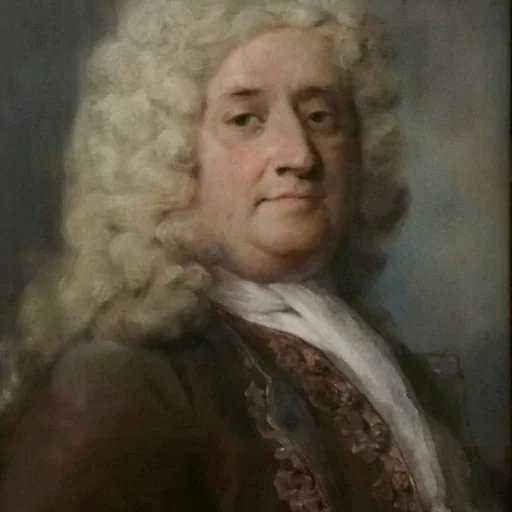
Artist
Sebastiano Ricci (1 August 1659 – 15 May 1734) was an Italian Baroque painter of the late Baroque period in Venetian painting.