Artwork
Minerva
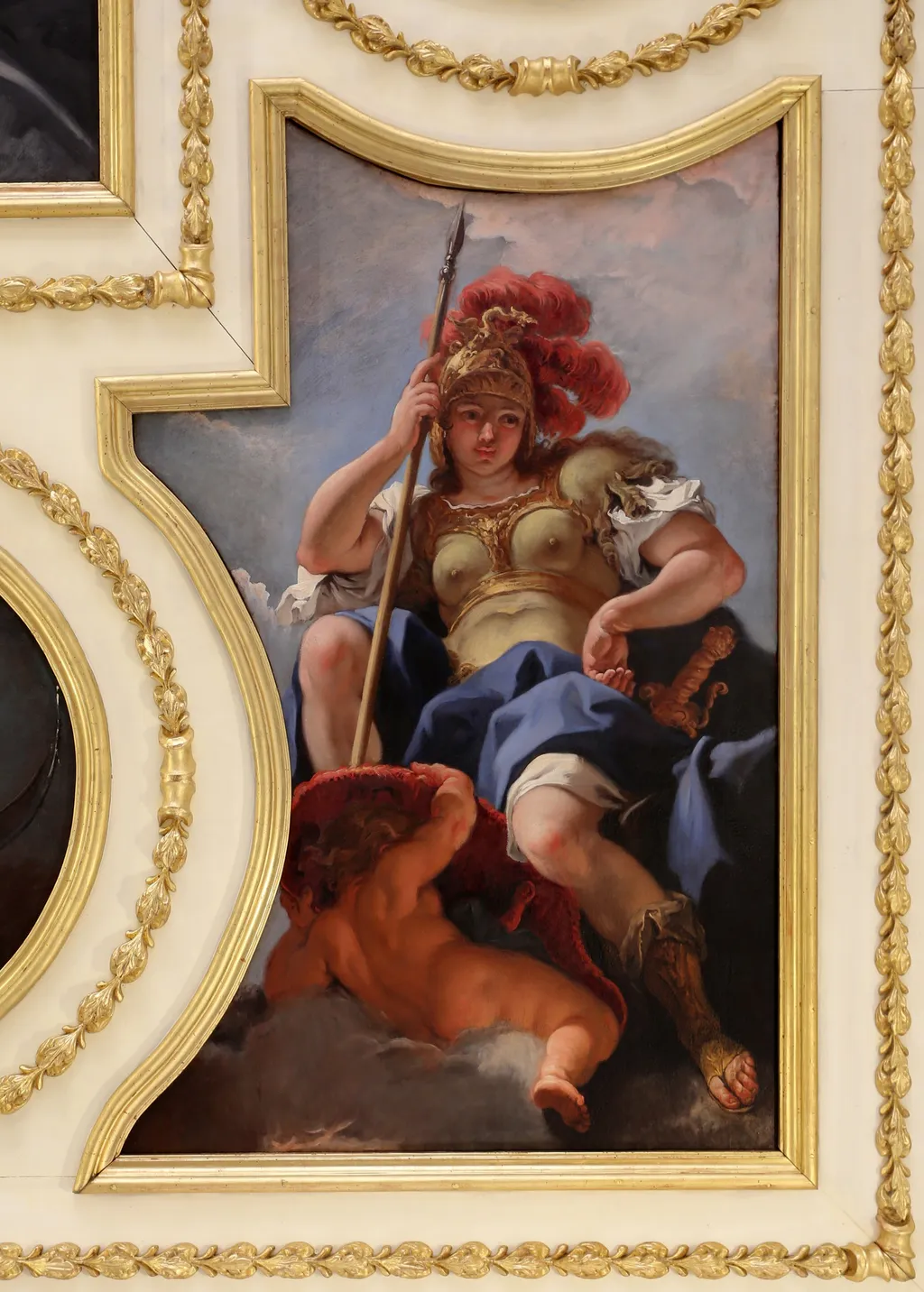
Minerva is a paint painting by the High Baroque Italian artist Sebastiano Ricci. It dates from 1700 and is held in the collection of the Gemäldegalerie Berlin.
About this work
Overview
It is now part of the Gemäldegalerie Berlin’s collection, where it stands as a representative example of early 18th-century Italian mythological painting.
Sebastiano Ricci painted *Minerva* circa 1700 in oil on canvas, aligning with the Venetian branch of the High Baroque style. The work reflects the era’s emphasis on theatricality and luminous color, drawing from the legacy of fresco painters like Pietro da Cortona. It is now part of the Gemäldegalerie Berlin’s collection, where it stands as a representative example of early 18th-century Italian mythological painting.
Subject & Meaning
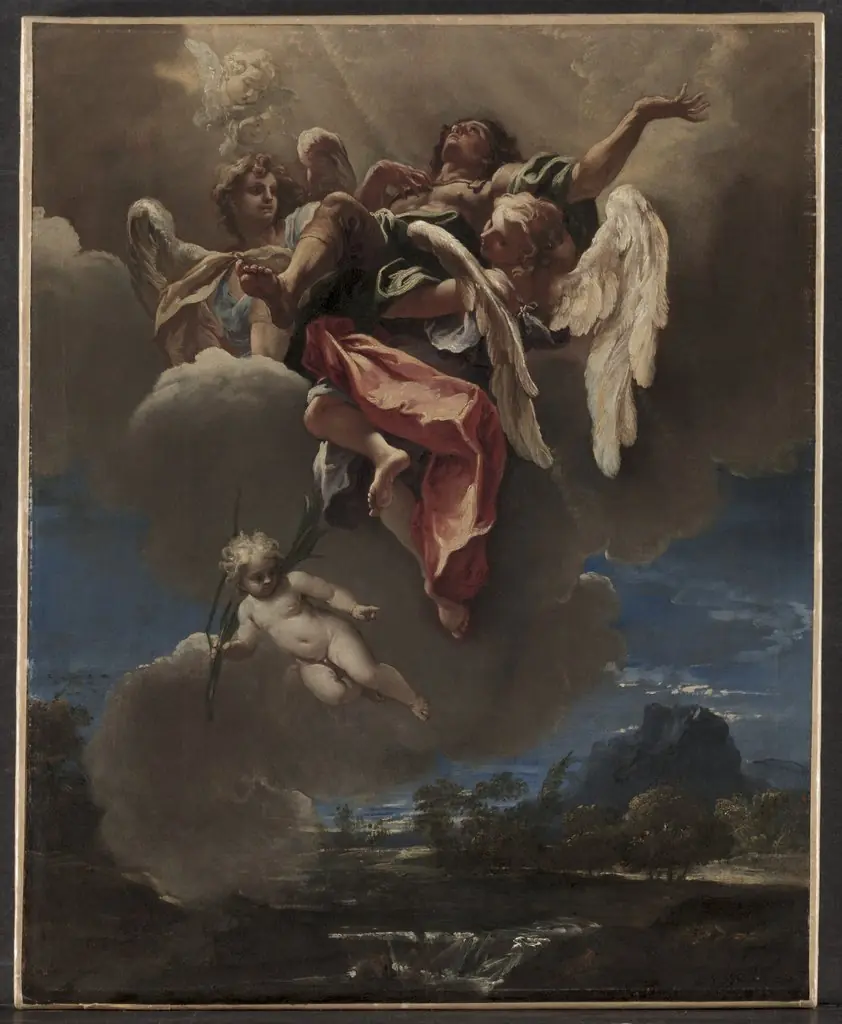
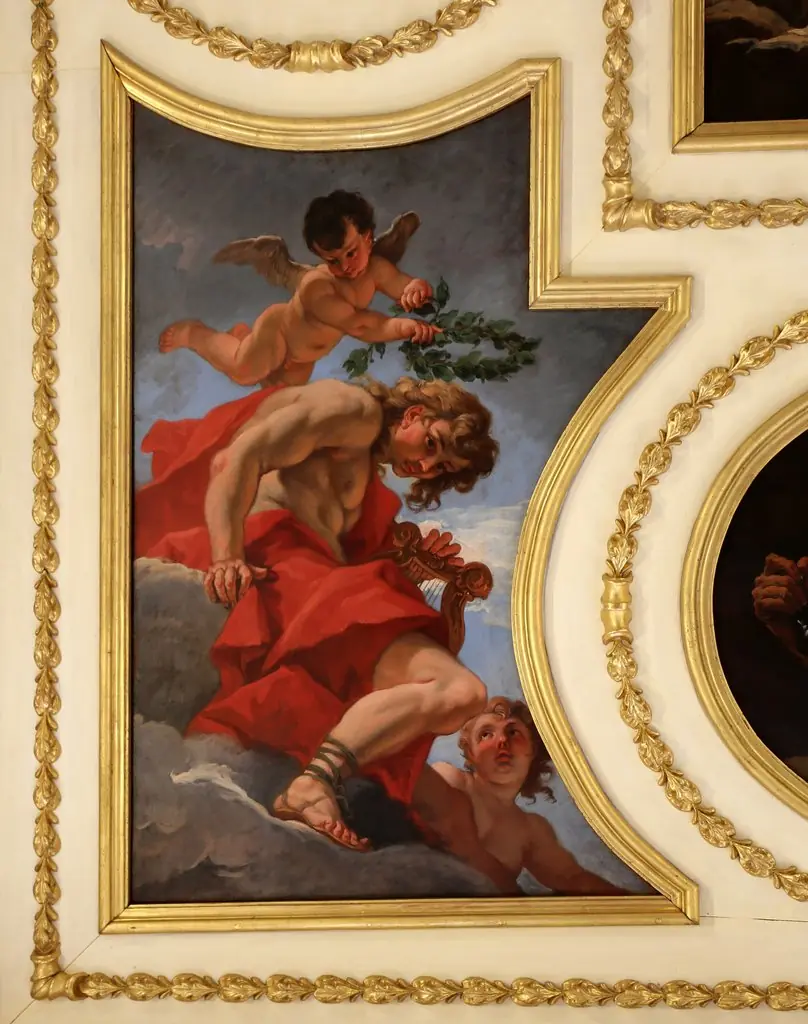
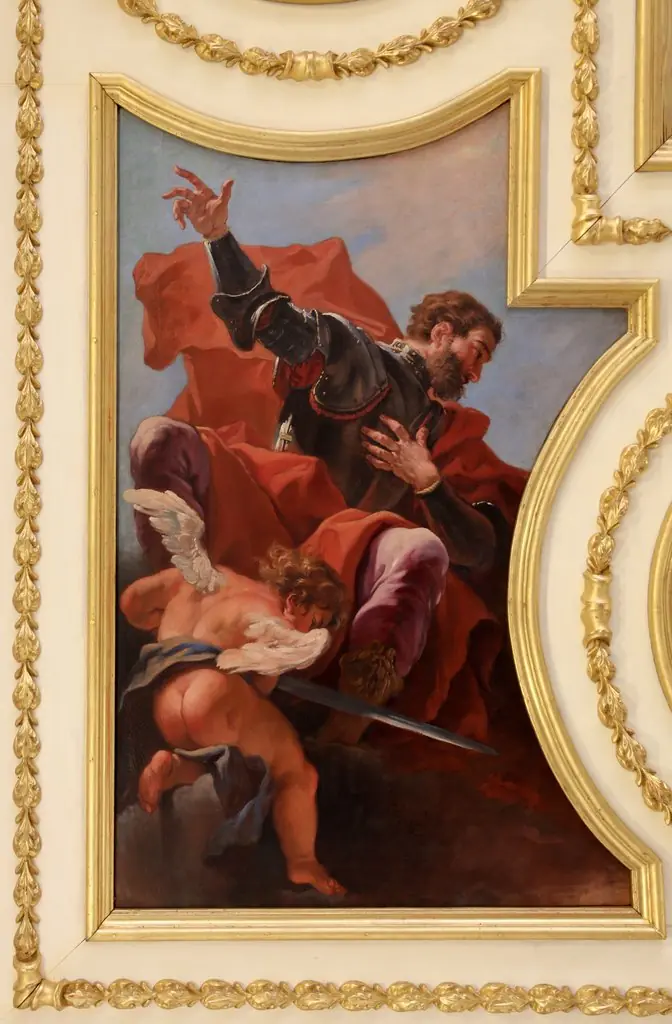
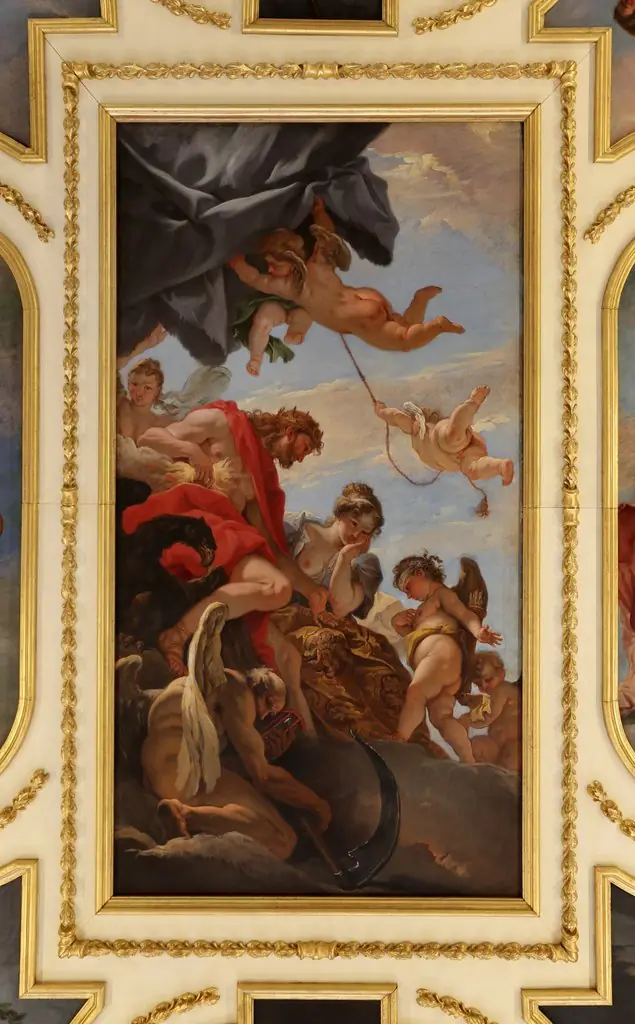
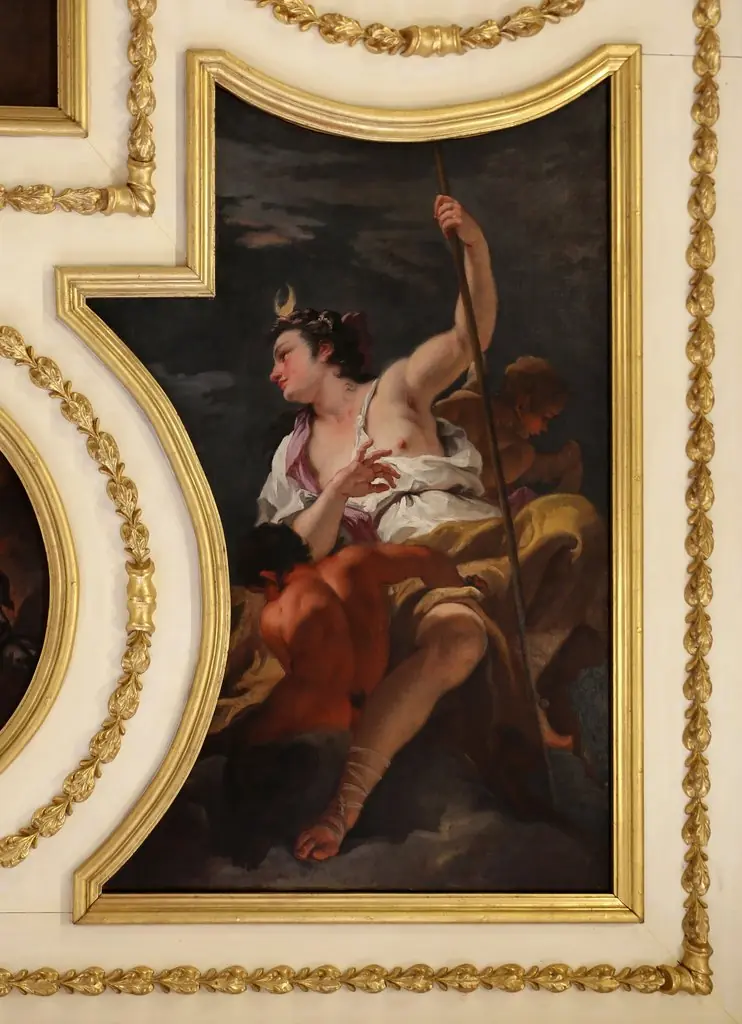
The figure of Minerva, Roman goddess of wisdom and warfare, is depicted seated on clouds, clad in armor and holding a spear. At her feet lies a child wrapped in a red cloth, likely representing the infant Mars or a symbolic figure of war’s subjugation. The composition suggests the triumph of intellect over brute force, a common allegory in Baroque iconography that elevates Minerva as a guardian of reason and civilization.
Technique & Style
Ricci employs chiaroscuro to model the figures with strong contrasts of light and shadow, enhancing their three-dimensionality. The palette—gold, deep blue, white, and crimson—creates visual harmony while drawing attention to the central figures. Brushwork is fluid and expressive, characteristic of Venetian painting, with delicate rendering of fabric and skin that conveys both texture and movement against the ethereal sky.
History & Provenance
The painting was likely commissioned during Ricci’s active years in Venice and northern Italy, before his later travels to England and France. It entered the Gemäldegalerie Berlin’s collection in the 19th century, possibly through acquisitions from German noble collections. Its documented presence in Berlin since the 1800s confirms its stable provenance and scholarly recognition within European art institutions.
Context
In early 18th-century Italy, mythological subjects remained popular among patrons seeking to display cultural refinement. Ricci’s work bridges the grandeur of Roman Baroque with the coloristic traditions of Venice. *Minerva* reflects a broader trend of reviving classical allegory to convey moral and intellectual ideals, even as newer Rococo sensibilities began to emerge in other regions.
Legacy
Though not among Ricci’s most widely reproduced works, *Minerva* exemplifies his skill in synthesizing dramatic composition with rich color. It contributes to the understanding of how Venetian painters adapted broader Baroque ideals into more intimate, luminous canvases. The painting remains a reference point for studies of mythological representation in early 18th-century Italian art.
Artist & collection

Artist
Sebastiano Ricci (1 August 1659 – 15 May 1734) was an Italian Baroque painter of the late Baroque period in Venetian painting.