Artwork
Merkur
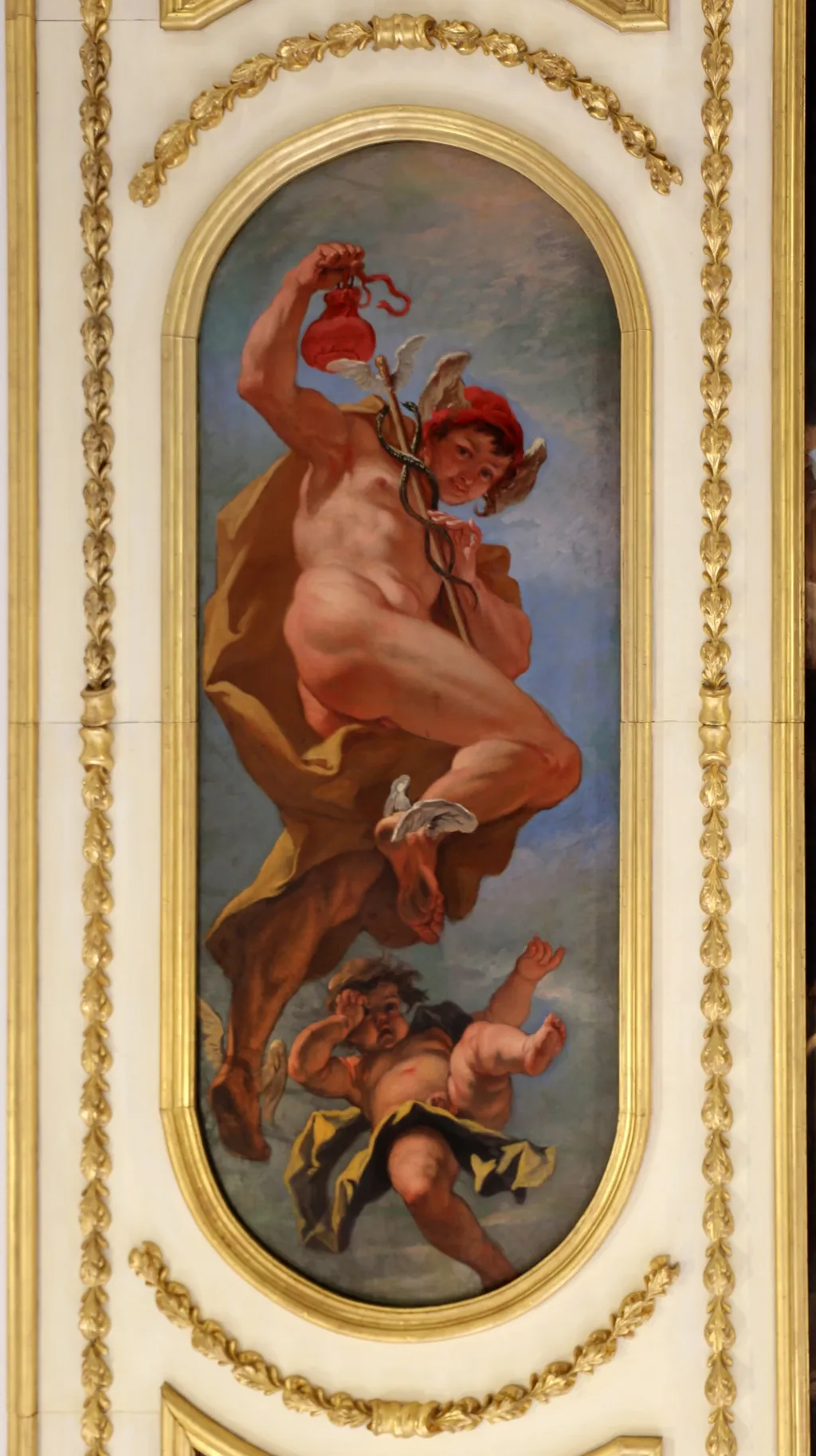
Merkur is a paint painting by the High Baroque Italian artist Sebastiano Ricci. It dates from 1700 and is held in the collection of the Gemäldegalerie Berlin.
About this work
Overview
Merkur is a painting created by Sebastiano Ricci, a Venetian artist associated with the late Baroque period, in 1700. Characterized by its dynamic composition and vivid color palette, the work exemplifies the transitional phase of Venetian painting during that era.
Subject & Meaning
The painting centers on a nude, possibly divine or mythological figure (often interpreted as Merkur, or Mercury), clad in a red cloak and hat, grasping a red object and a black rope/snake. A second, similarly posed figure below adds to the dynamic, symbolic scene, though specific allegorical details are not explicitly defined in available sources.
Technique & Style
Ricci employs a Cortonesque style, marked by luminous hues and vigorous brushwork, within the broader framework of high Baroque Italian painting. Dramatic lighting and intense emotional expression are key elements, generating a sense of energy that directs the viewer’s gaze to the central figure.
History & Provenance
Completed in 1700, Merkur is part of the collection at the Gemäldegalerie Berlin. Sebastiano Ricci’s artistic influence extended to his nephew, Marco Ricci, who later made contributions to the development of landscape painting.
Context
Merkur was created during a pivotal moment in Venetian art, with Ricci working alongside notable contemporaries such as Giovanni Battista Tiepolo, reflecting the period’s artistic evolution.
Artist & collection
Artist
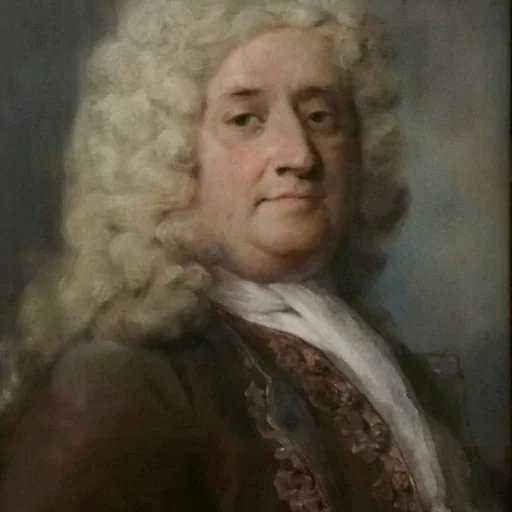
Sebastiano Ricci (1 August 1659 – 15 May 1734) was an Italian Baroque painter of the late Baroque period in Venetian painting.

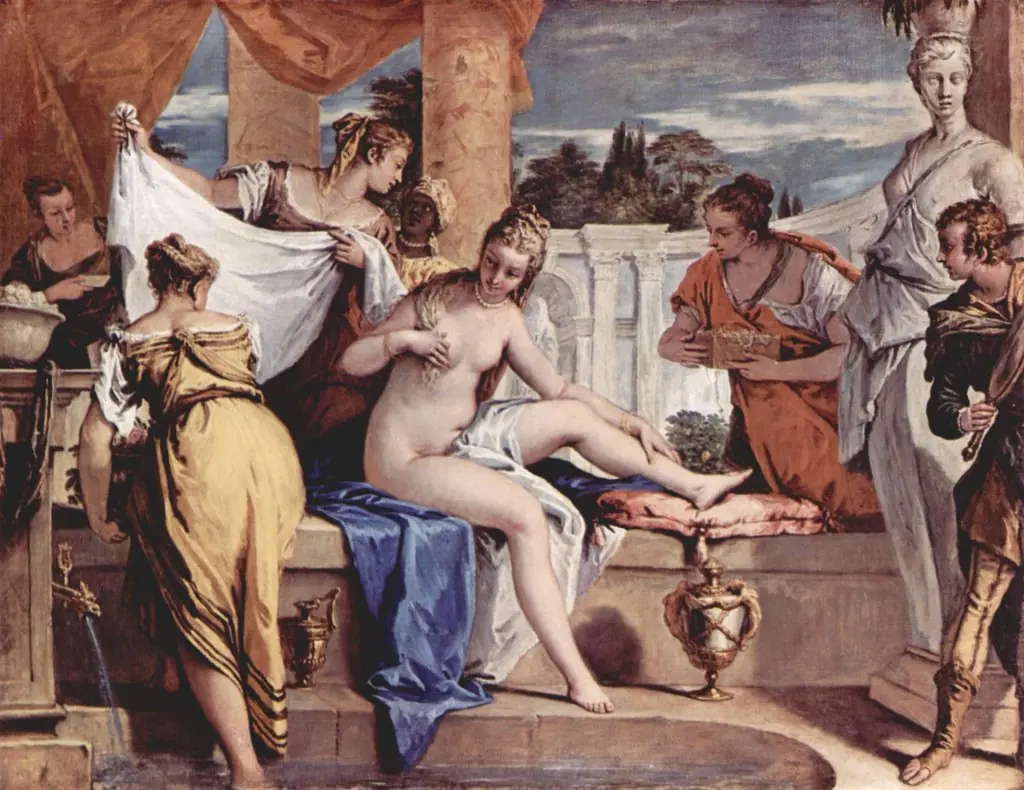
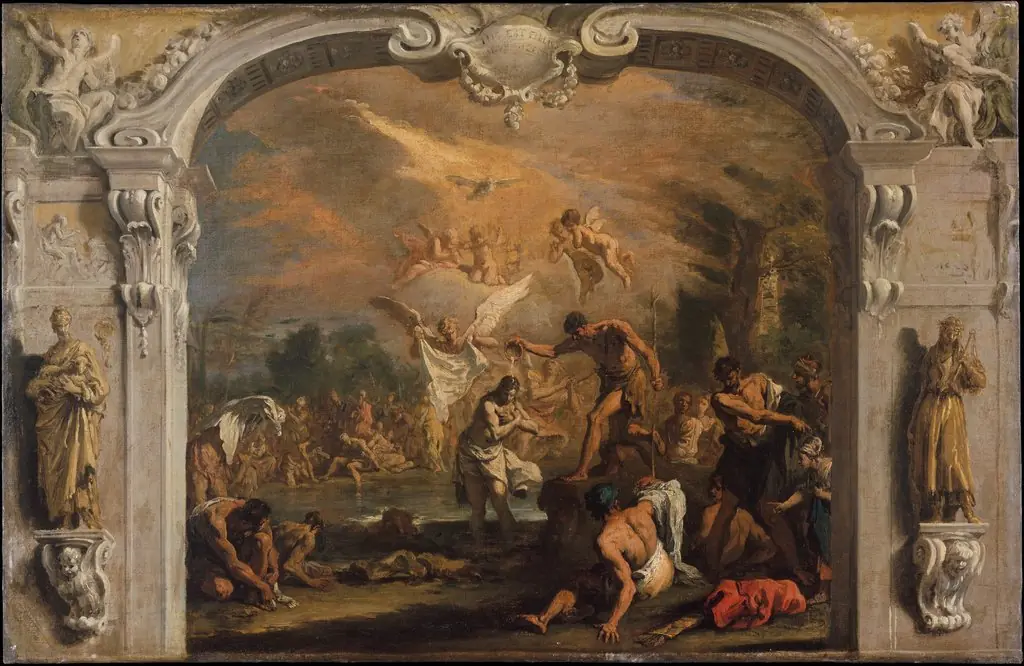

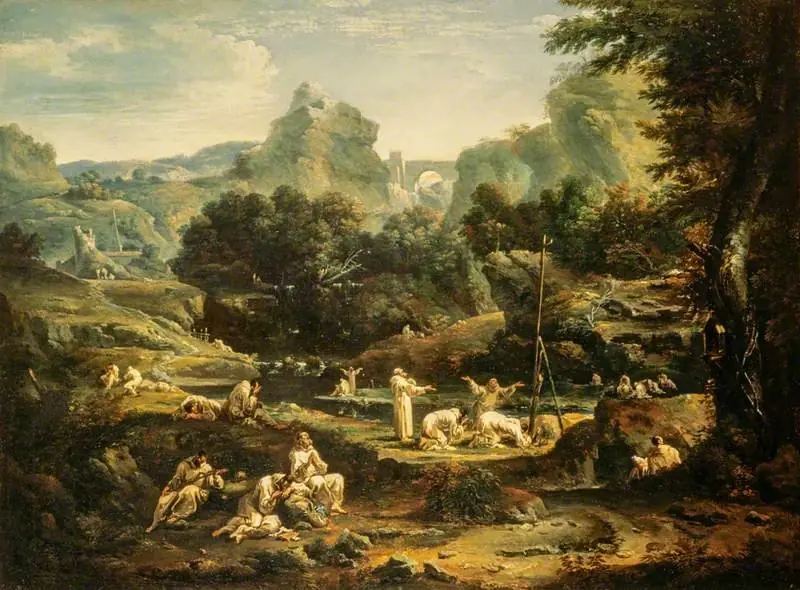
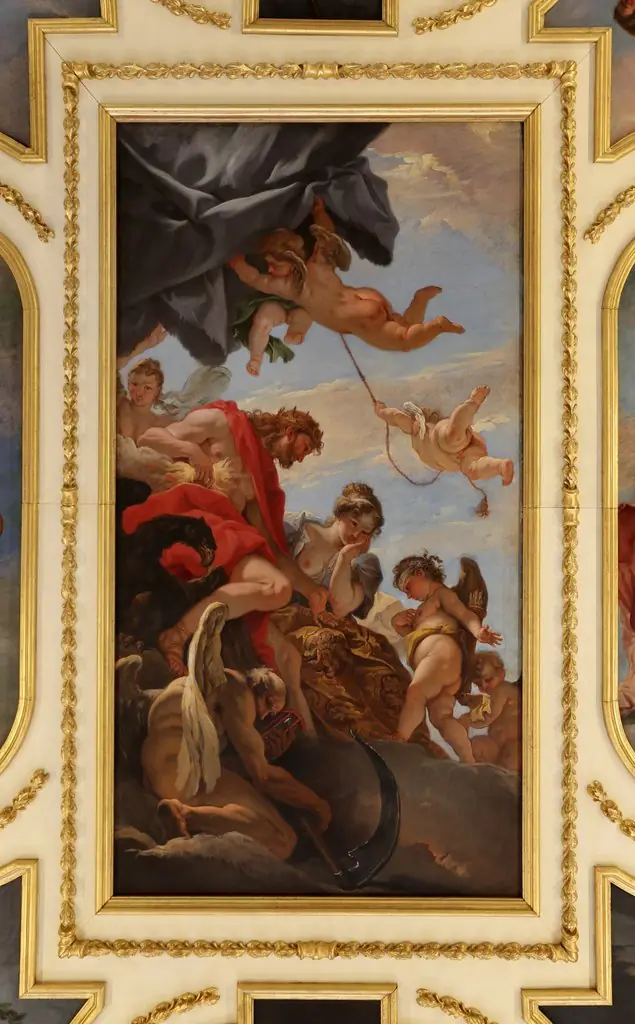 Amor vor Jupiter und Juno
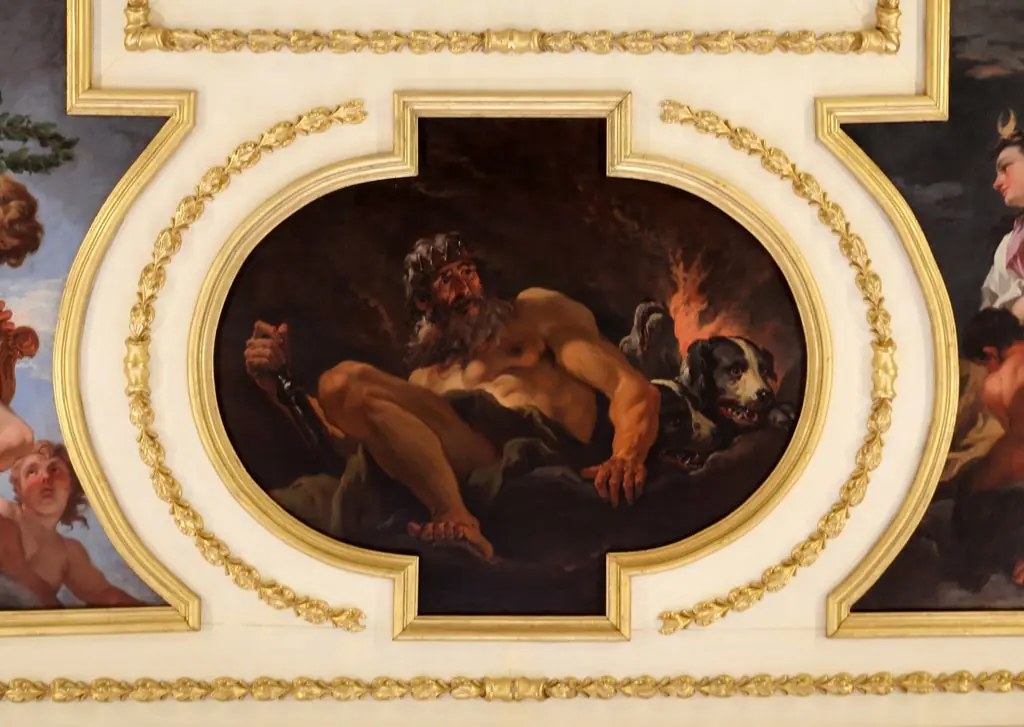 Pluto
Pluto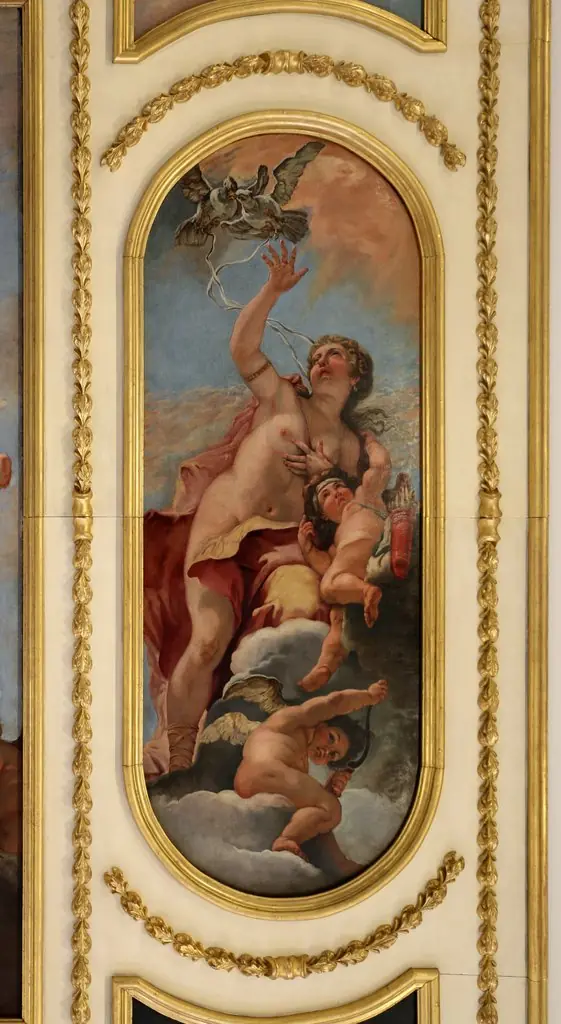 Venus und Cupido
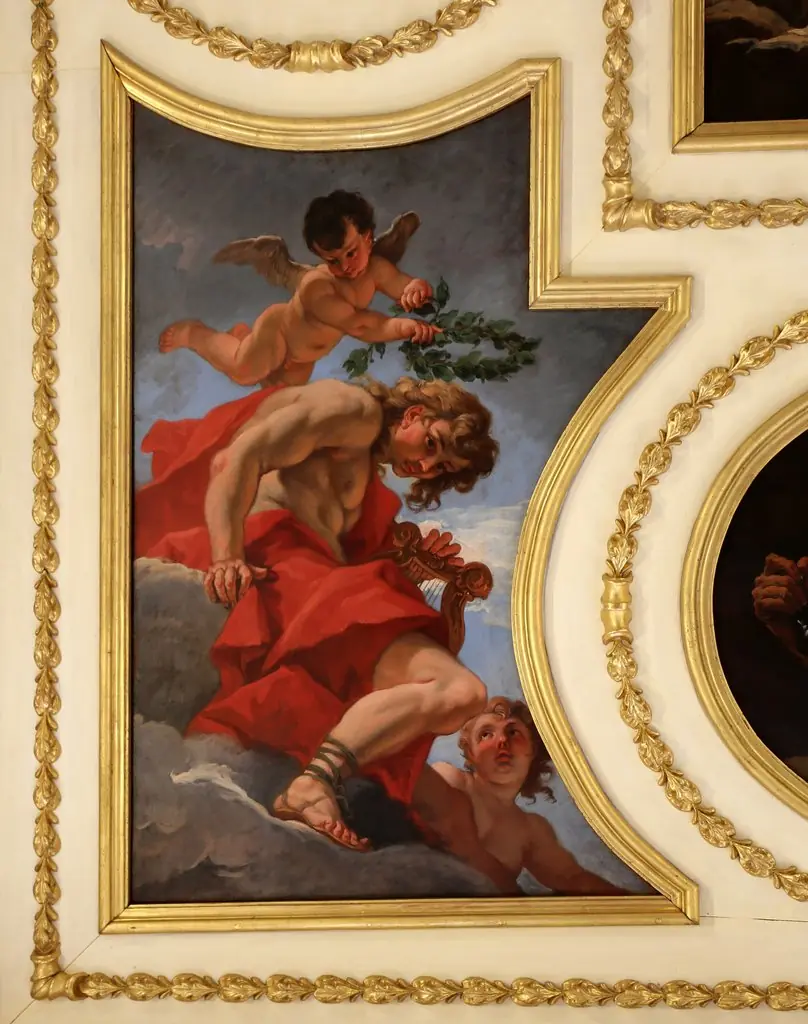 Apollo
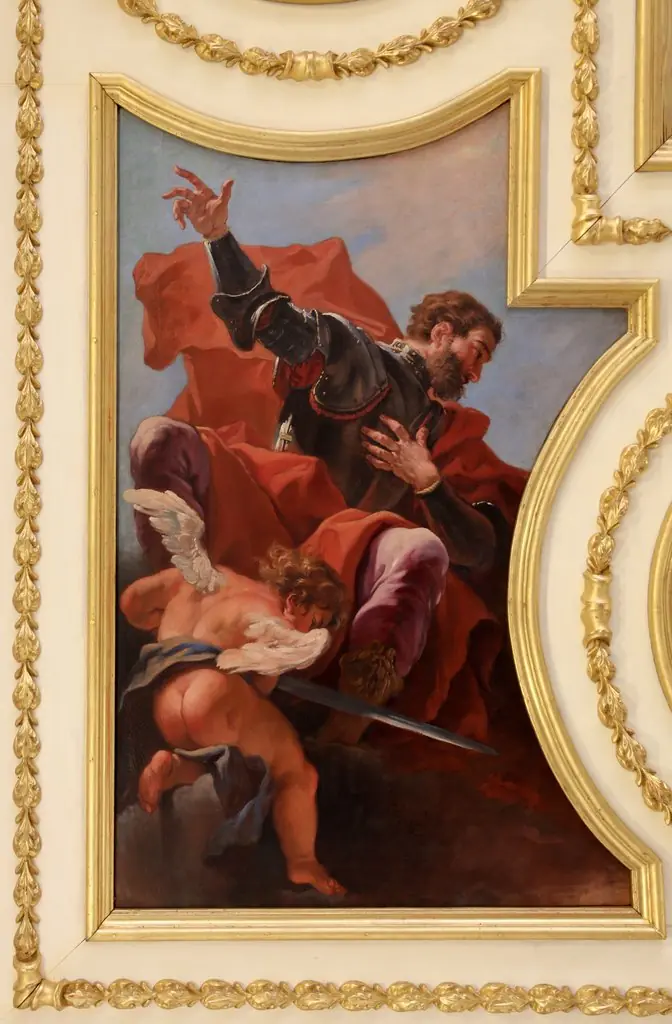 Mars
Mars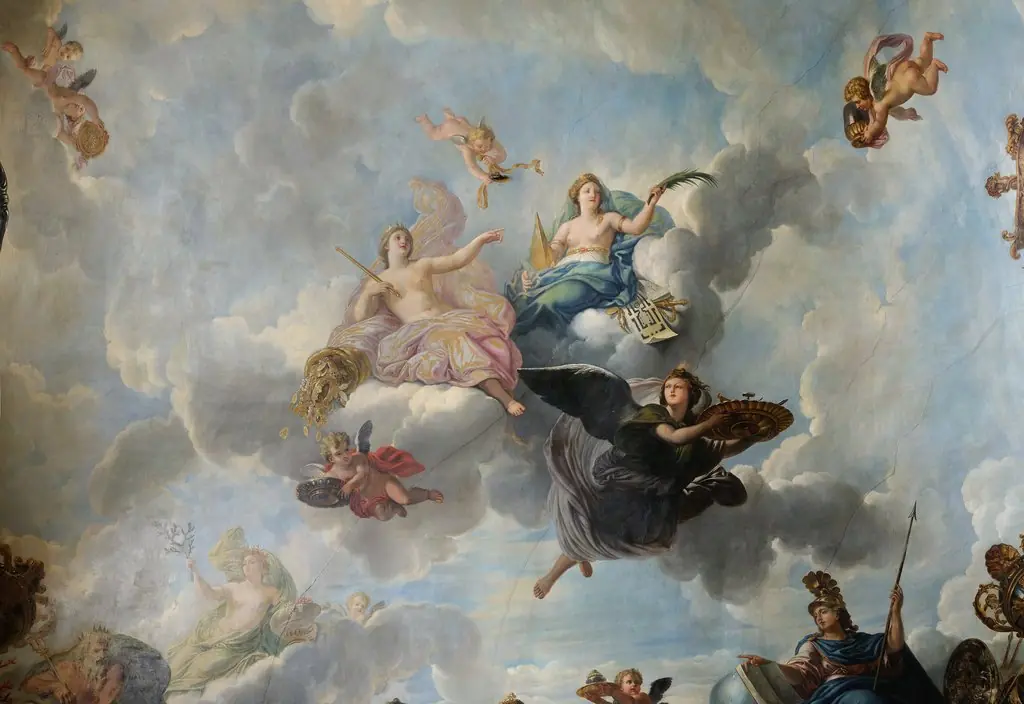 Figure of the Royal Magnificence, Immortality and Progress in the Fine Arts
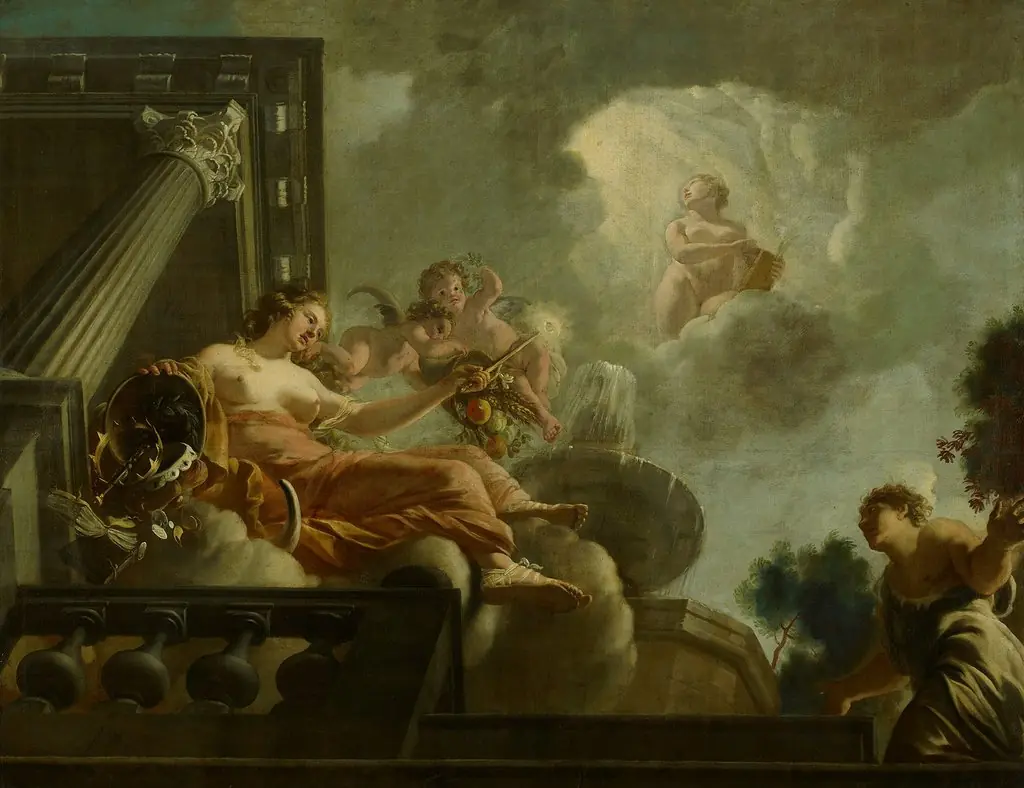 Religio begunstigt Abondantia : Allegorische voorstelling van de verzorging van leprozen en onnozelen
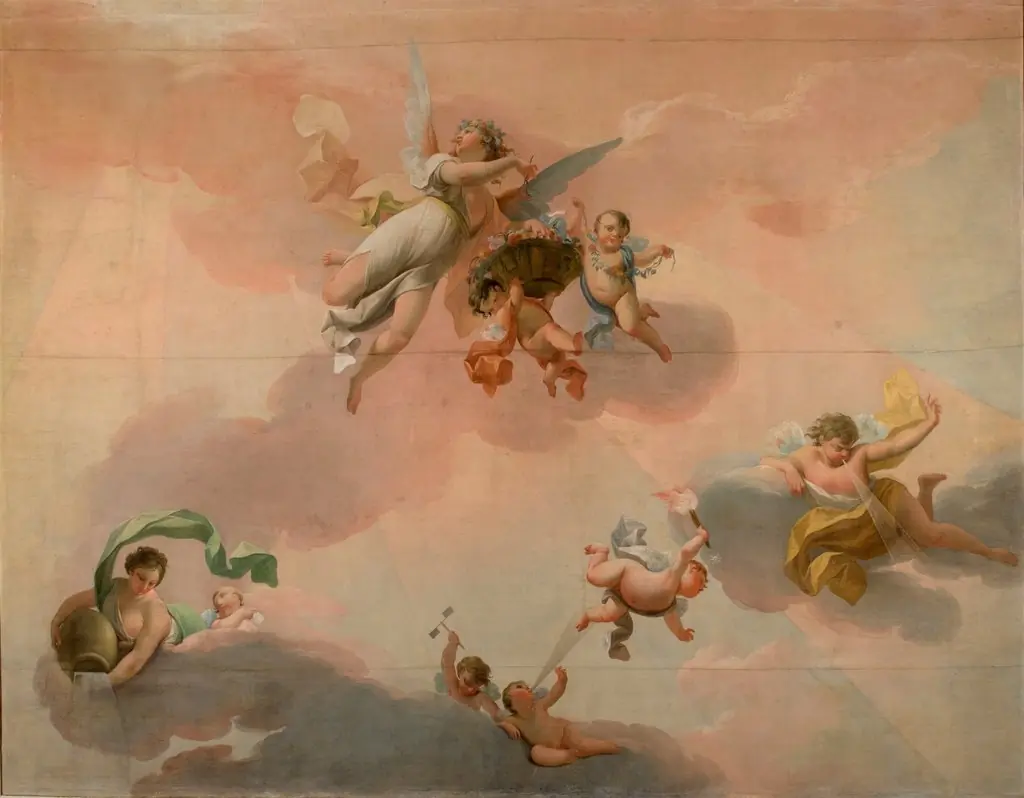 Alegoría de la Aurora
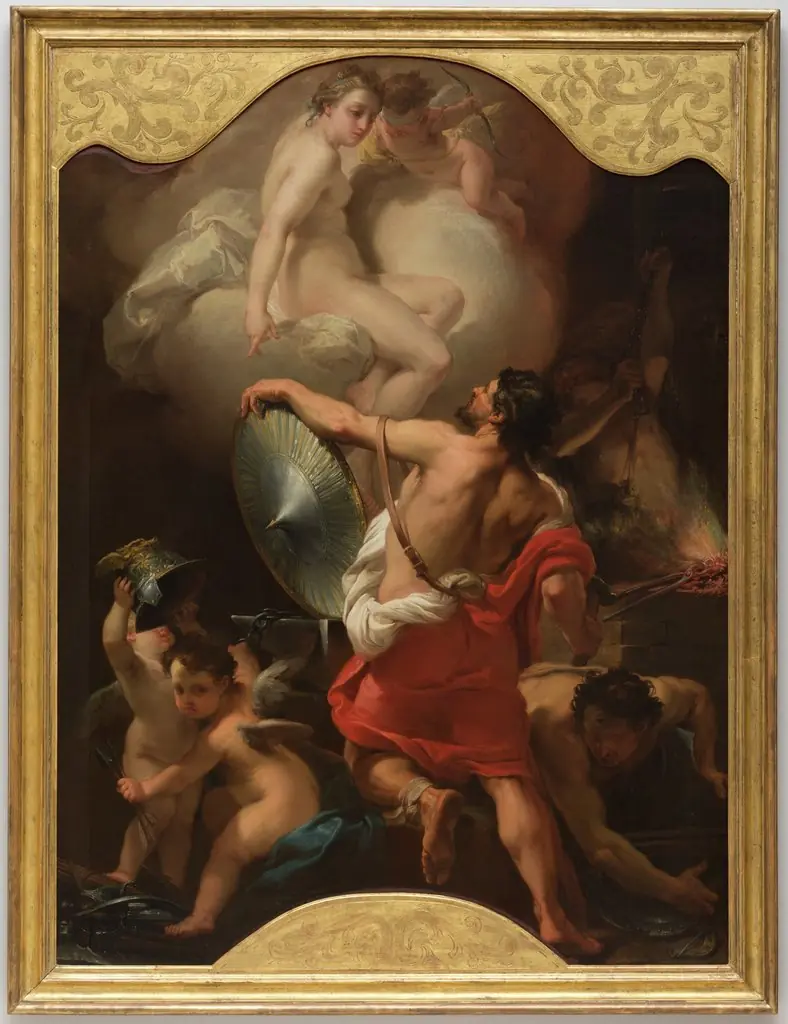 Venus Ordering Armor for Aeneas at Vulcan's Forge