Artwork
Monsieur Frère du Roi (The King's Brother)
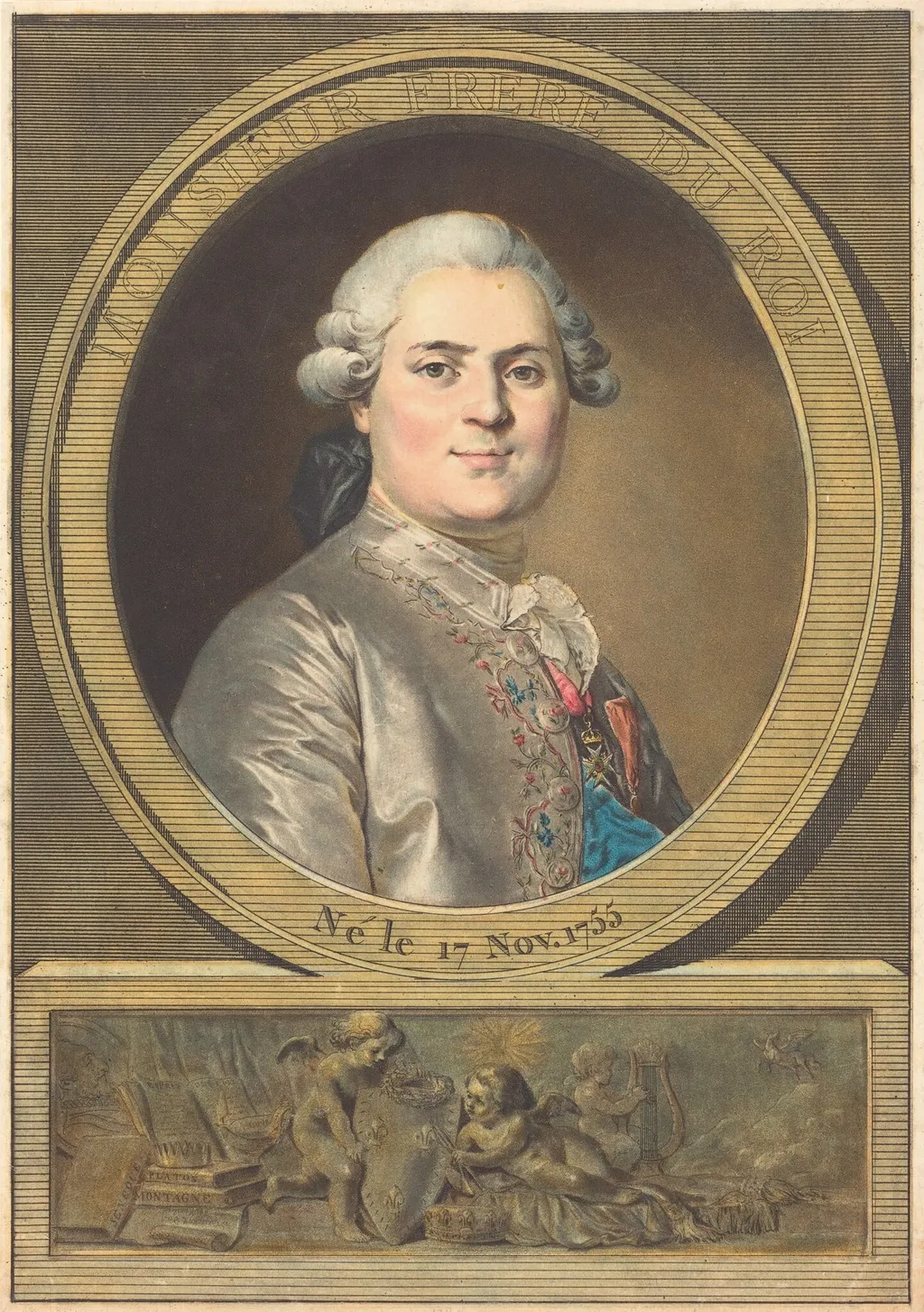
Monsieur Frère du Roi (The King's Brother) is an ink print by the Romanticist artist Antoine-François Sergent. It dates from 1789 and is held in the collection of the National Gallery of Art.
About this work
The background is plain, but the frame has a woven texture and a small scene at the bottom showing people and animals in a landscape.
This is a printed portrait of a man in a fancy wig and powdered hair. He wears a gray coat with embroidered red and blue flowers on the chest, and a white cravat. The background is plain, but the frame has a woven texture and a small scene at the bottom showing people and animals in a landscape.
The date "1789" is written in the frame, and the title says *Monsieur Frère du Roi*—meaning "The King’s Brother." The colors pop thanks to the printing technique, which mixes inks like blue, red, and green.
Next, check out cross-hatching to see how artists build up detail with lines.
Overview
This 1789 print by Antoine-François Sergent depicts a male figure identified as the brother of the French king. Executed in a multi-color wash manner, the work combines blue, red, carmine, yellow, orange, green, and black inks to achieve a vibrant yet controlled tonal range. The composition centers on the sitter, whose attire and posture reflect the aristocratic conventions of late 18th-century France.
Subject & Meaning
The portrait represents a member of the royal family, specifically Louis Stanislas Xavier, Comte de Provence, who later became Louis XVIII. The inscription *Monsieur Frère du Roi* directly names his relationship to the monarch. The plain background focuses attention on the subject, while the decorative floral embroidery on his coat underscores his elevated status within the court hierarchy.
Technique & Style
Sergent employed a wash manner technique, layering multiple colored inks to create depth and texture. Cross-hatching and fine linear detailing build volume in the figure’s garments and facial features. The ornamental frame includes a subtle woven texture, and a small pastoral scene at the base introduces a secondary narrative element, contrasting with the formal portrait above.
History & Provenance
Produced in 1789, the print coincides with the onset of the French Revolution, a period of intense political upheaval. As a depiction of royalty, its creation occurred during a moment of shifting power dynamics. The work’s survival suggests it was collected or preserved despite the turbulent events that followed, though specific early ownership remains unrecorded.
Context
The portrait reflects the rigid social structures of pre-revolutionary France, where royal imagery served both personal and political purposes. The Comte de Provence, as the king’s brother, occupied a prominent position in the monarchy’s public representation. The pastoral vignette in the frame may allude to the idealized rural life often contrasted with courtly excess during this era.
Legacy
The print exemplifies the technical possibilities of multi-color printing in the late 18th century, a period of experimentation in reproductive graphics. While not among the most widely reproduced images of the era, it contributes to the visual record of royal portraiture and the broader cultural shifts occurring at the time. Its preservation allows for study of both artistic methods and historical symbolism.
Artist & collection


 Louis XV, King of France
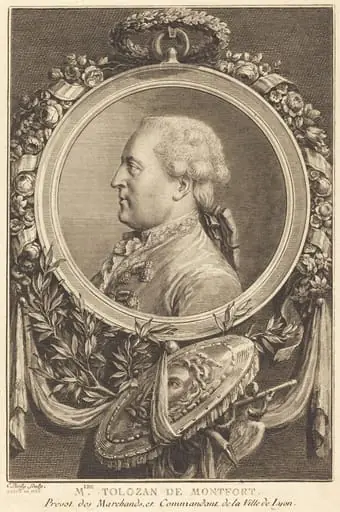 Tolozan de Montfort
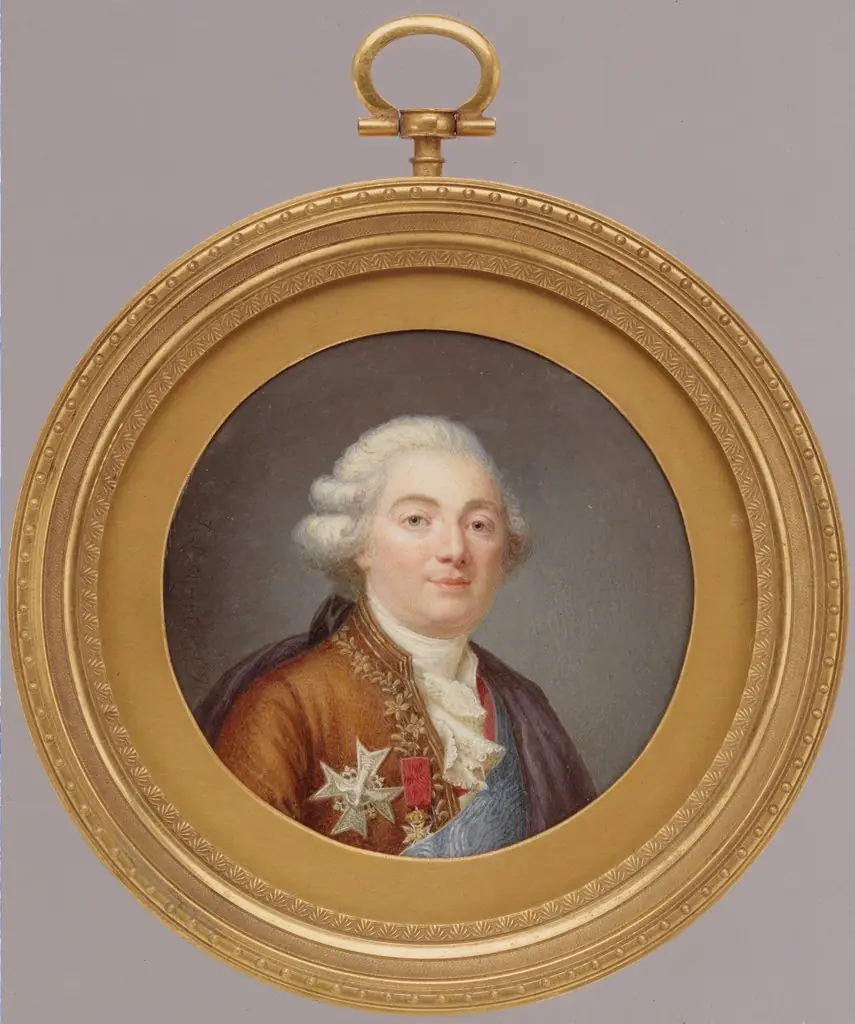 Louis XVI (1754–1793), King of France
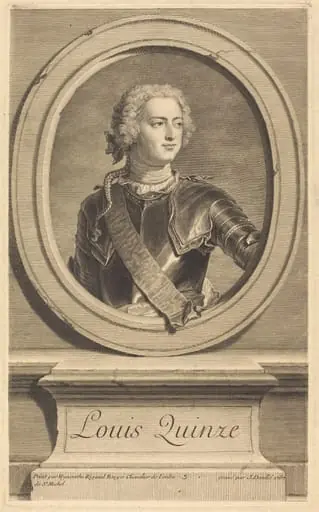 Louis XV
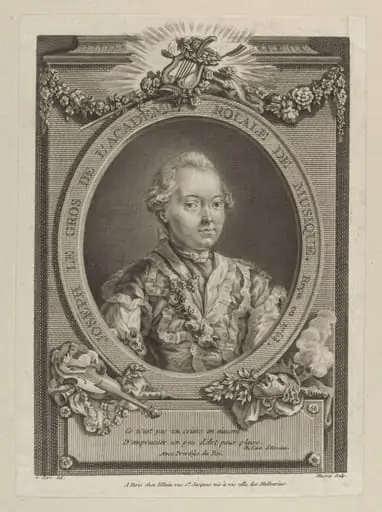 H Beard Print Collection
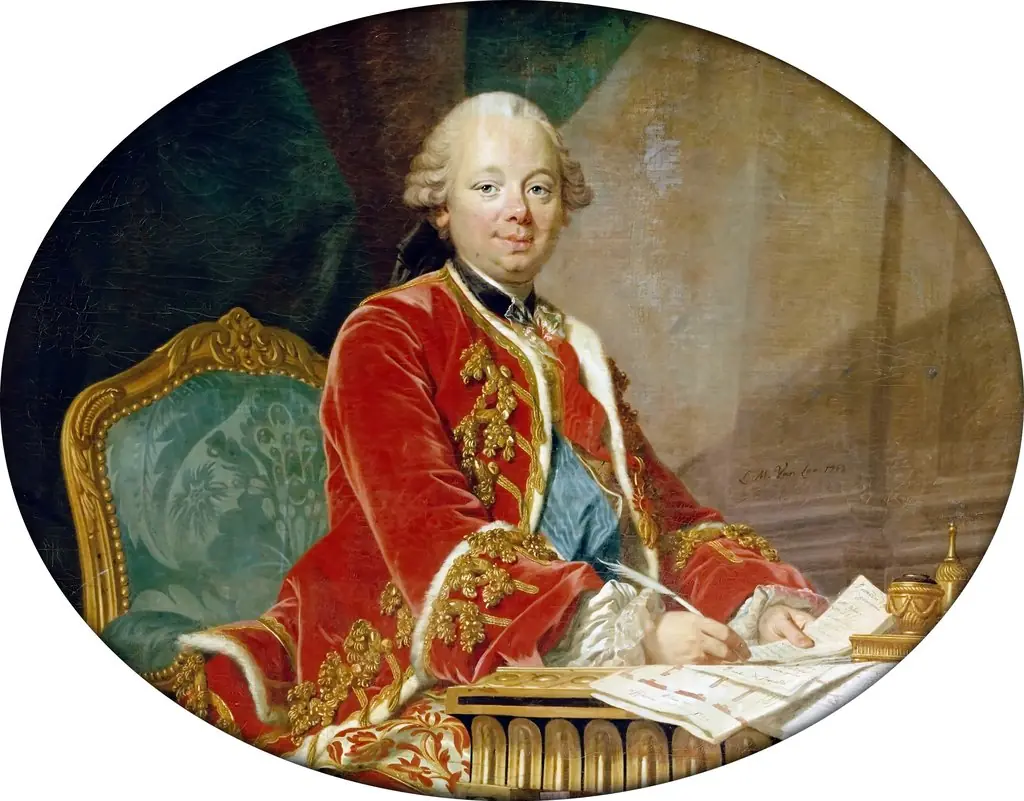 Étienne-François, Duke of Choiseul-Stainville (1719-1785)
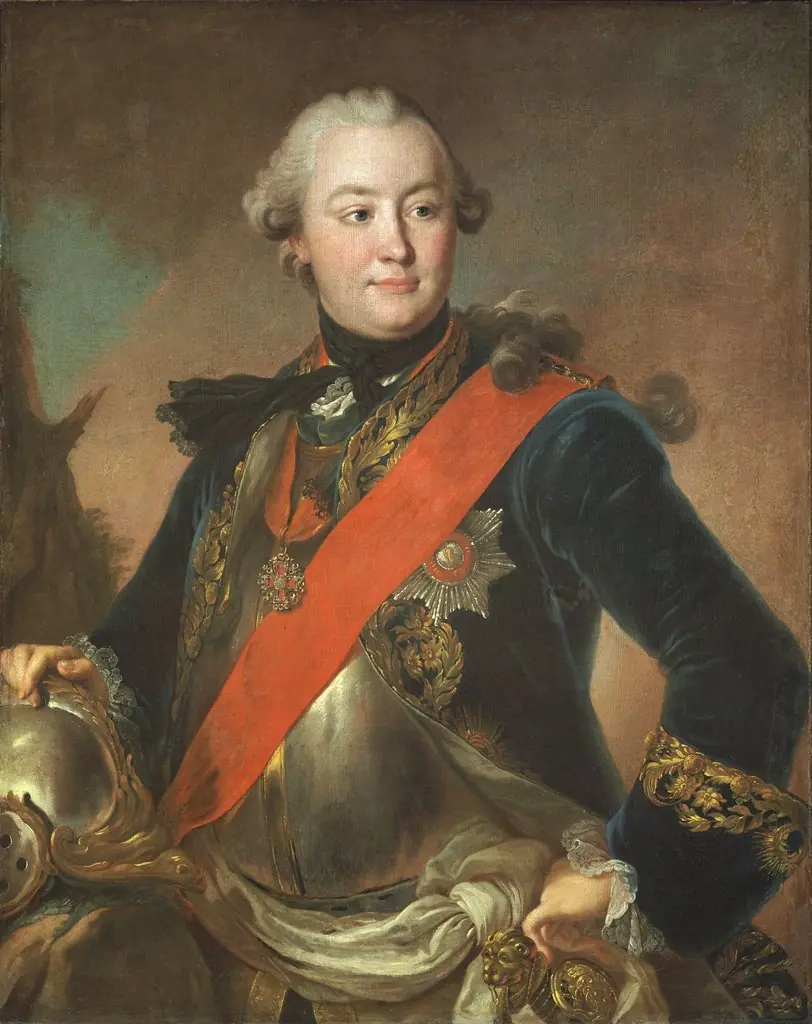 Porträt des Grigory Orlov (1734-1783)
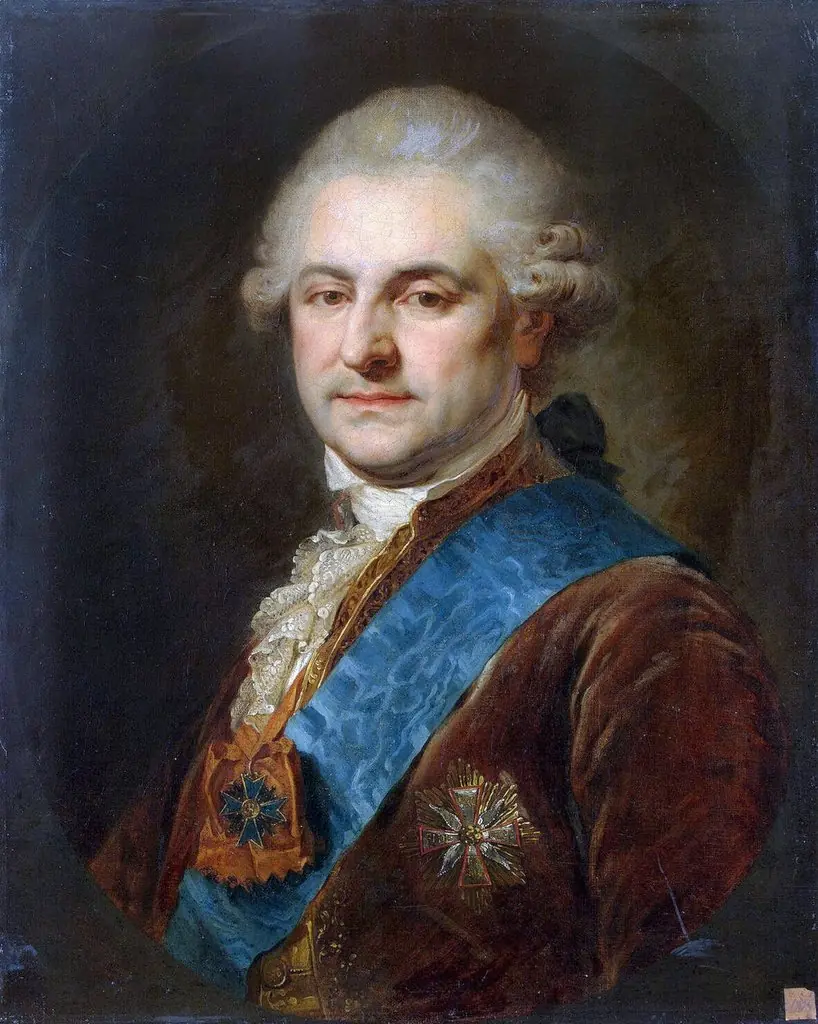 Portrait of Stanislas-Auguste Poniatowski
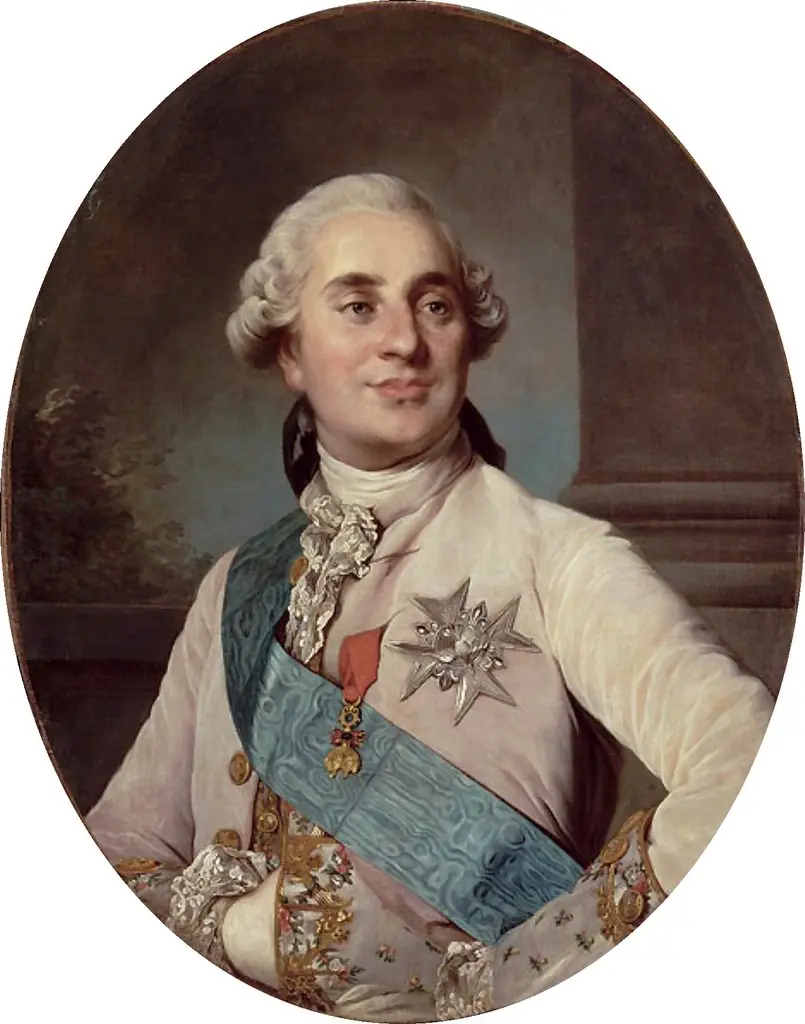 Portrait of Louis XVI, King of France and Navarre (1754-1793)
 Portrait of a Man
 Portrait of Count Yuly Litta
 Louis XVI, Roi de France