Artwork
柳鷺図 (Ryūro zu)|Heron and Willow
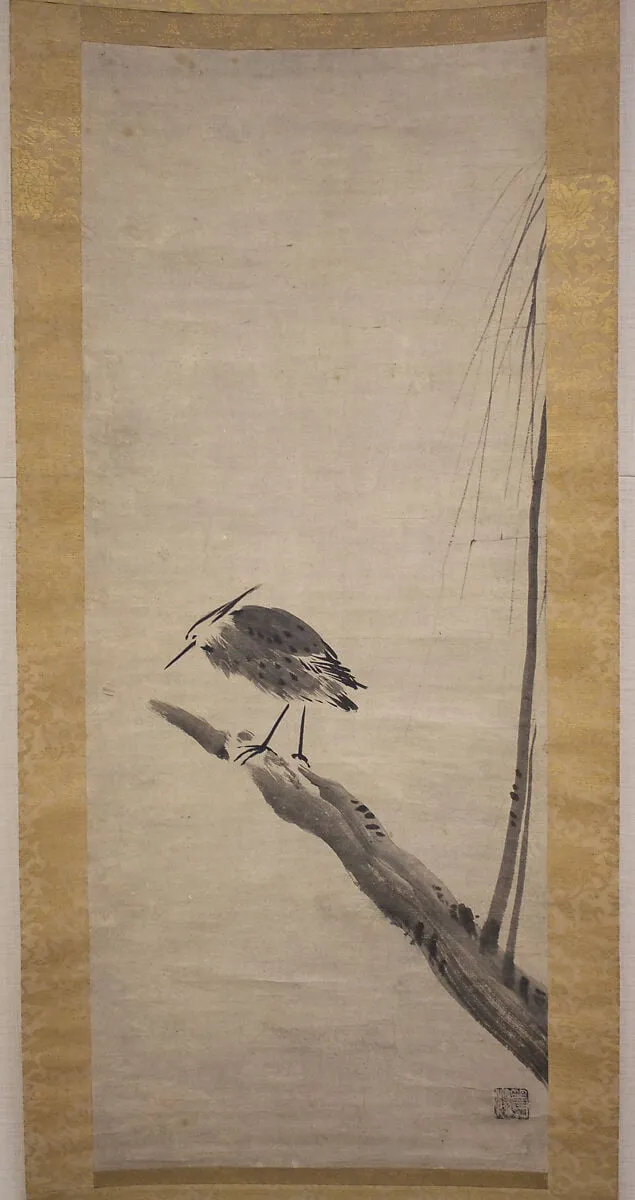
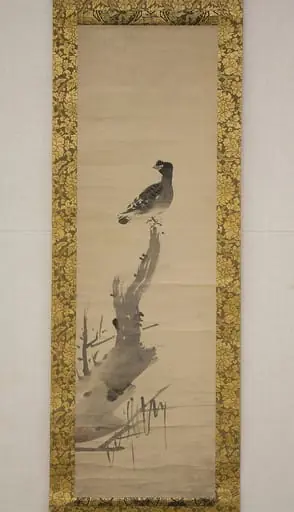
柳鷺図 (Ryūro zu)|Heron and Willow is an ink painting by the Baroque artist Sesshū Tōyō 雪舟等楊. It dates from 1453 and is held in the collection of the Metropolitan Museum of Art. Heron and Willow is a hanging scroll executed in ink on paper, attributed to the Japanese painter Sesshū Tōyō and dated to 1453.
About this work
Overview
The work exemplifies the minimalist aesthetic of the Muromachi period, where simplicity and suggestion dominate the visual narrative.
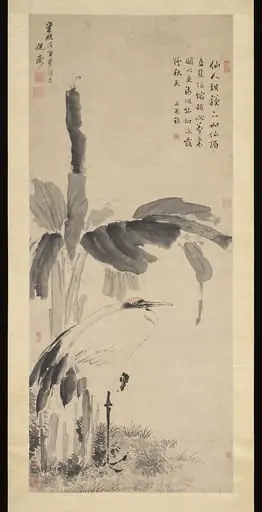
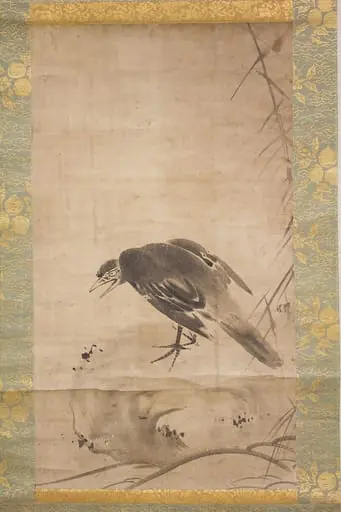
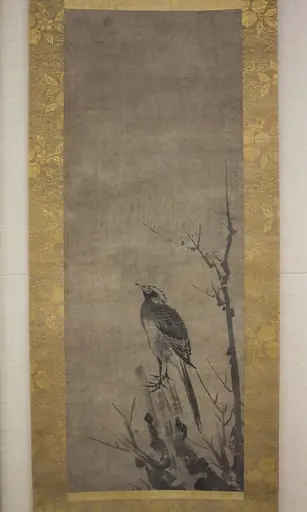
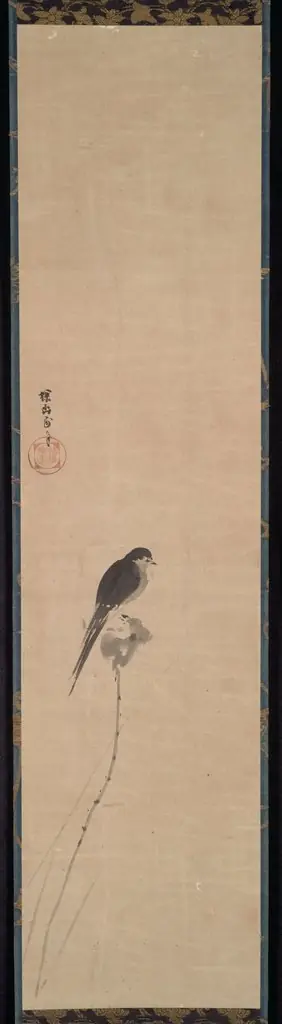
Heron and Willow is a hanging scroll executed in ink on paper, attributed to the Japanese painter Sesshū Tōyō and dated to 1453. The composition presents a solitary heron poised on one leg beneath a slender willow, rendered with restrained brushwork that allows the paper’s surface to remain largely visible. The work exemplifies the minimalist aesthetic of the Muromachi period, where simplicity and suggestion dominate the visual narrative.
Subject & Meaning
The central figure—a heron—stands calmly, its single eye reduced to a minute dot, conveying a sense of quiet vigilance. The willow’s gently curving branches frame the bird, suggesting a harmonious relationship between fauna and flora. This pairing evokes themes of solitude and contemplation, inviting viewers to reflect on the balance between movement and stillness in nature.
Technique & Style
Sesshū’s approach relies on delicate, almost translucent ink strokes that let the paper’s whiteness emerge, creating a sense of atmospheric space. The brushwork varies from fine, hair‑like lines for the willow’s foliage to broader, fluid sweeps that define the heron’s form. Such economy of line and the strategic use of negative space are hallmarks of the artist’s ink landscape tradition.
History & Provenance
Although the original was painted by Sesshū in the mid‑15th century, the extant scroll is a later replica produced with meticulous adherence to the master’s technique. The copy has been preserved within a private collection before entering a museum setting, where it is displayed as a representative example of Sesshū’s influence on subsequent generations of ink painters.
Context
Created during the Muromachi era, a time when Zen Buddhism shaped artistic sensibilities, the scroll reflects the period’s emphasis on simplicity, meditation, and the inner life of the viewer. Ink painting, or suiboku-ga, was prized for its ability to capture the spirit of a subject with minimal means, a principle embodied in this work’s understated yet evocative composition.
Artist & collection

Artist
Japanese ink painter Sesshū Tōyō worked in the Muromachi period, turning ink and paper into landscapes and wildlife.