Artwork
Untitled
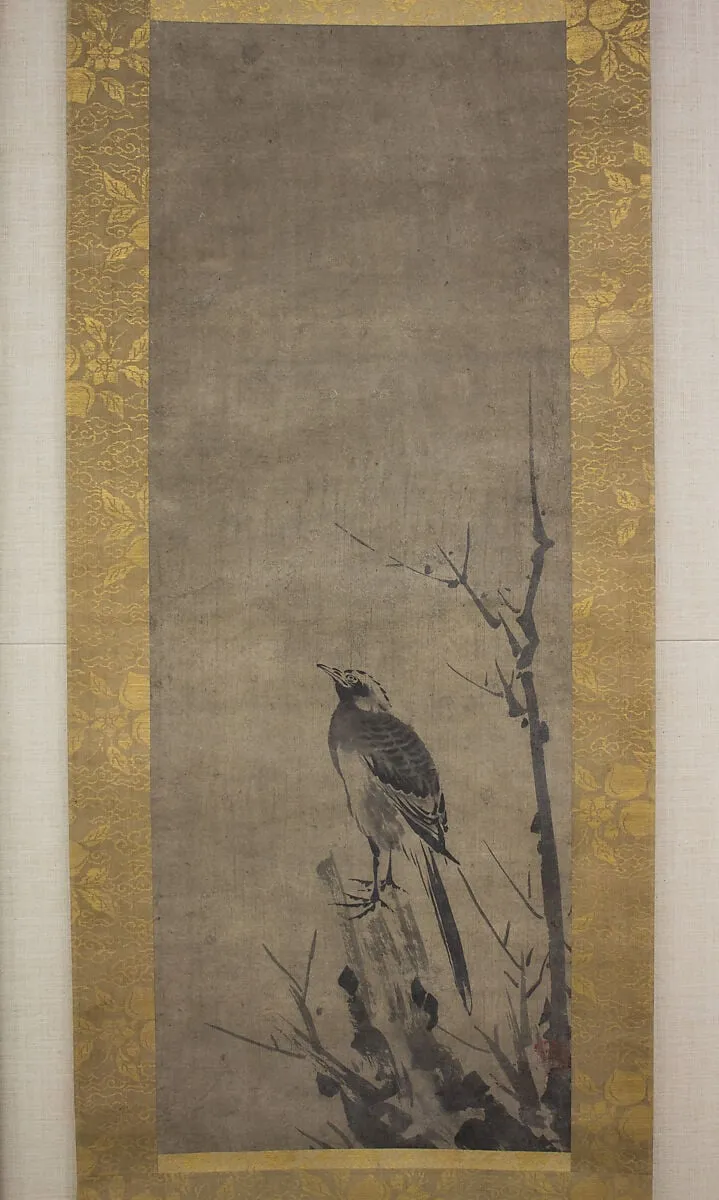
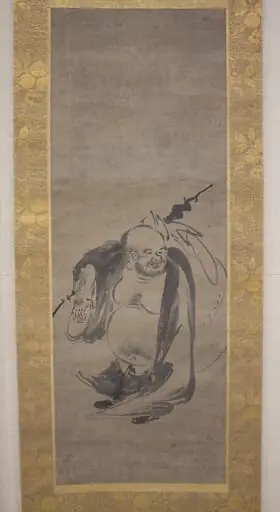
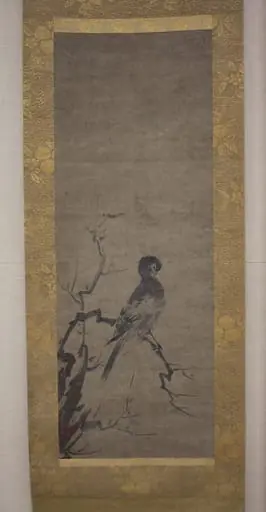
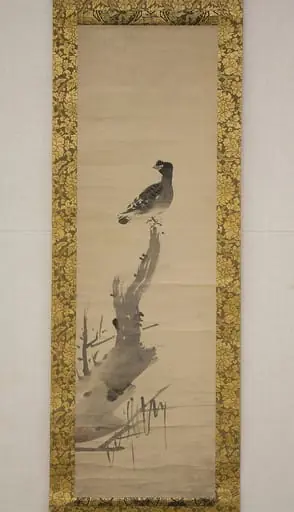
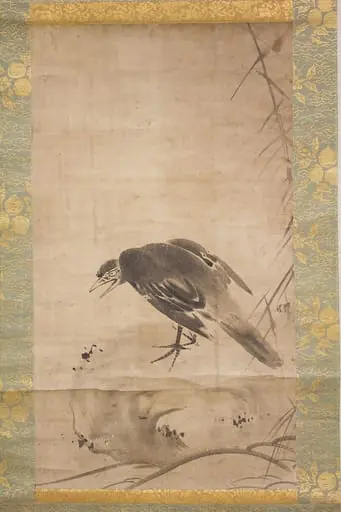
Untitled is a paint painting by the Nihonga artist Kenkō Shōkei. It dates from 1500 and is held in the collection of the Metropolitan Museum of Art.
About this work
Overview
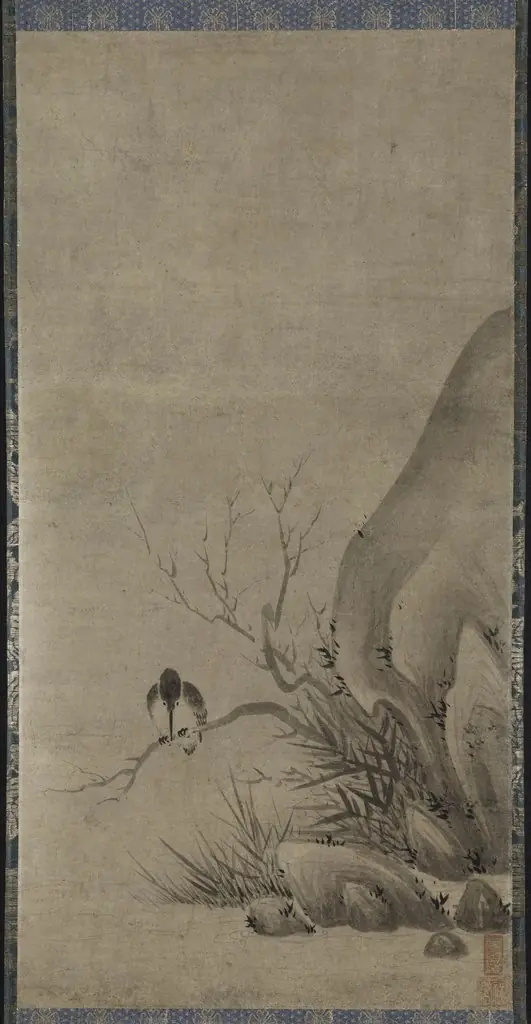
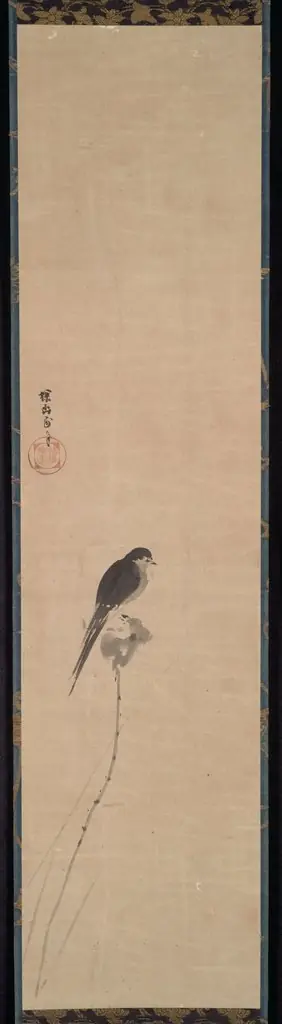
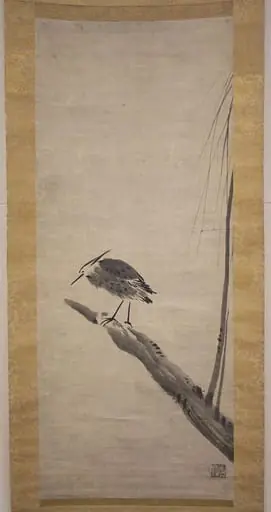
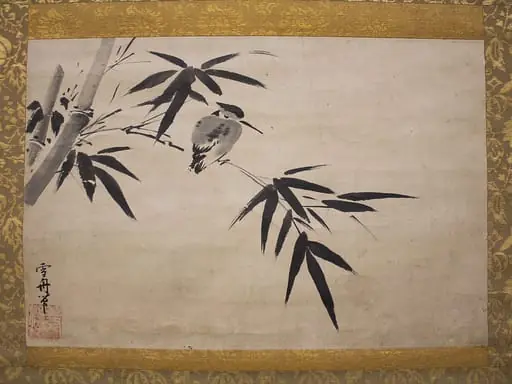
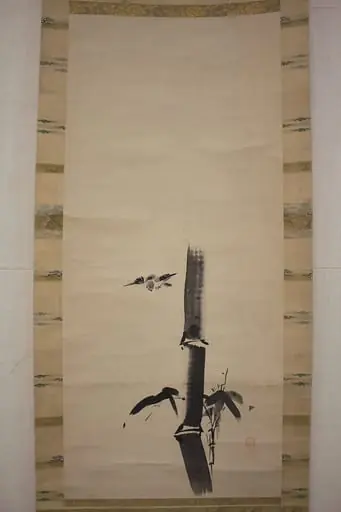
Created around the turn of the 16th century, this untitled work is executed in paint on paper. The composition is minimal, presenting a solitary crane balanced on one leg against an empty expanse. The bird’s form is rendered with swift ink strokes, and its eye is reduced to a single point, emphasizing the spare aesthetic of the piece.
Subject & Meaning
The lone crane, a traditional symbol of longevity and grace, is portrayed in a moment of quiet stillness. By isolating the bird within a barren landscape, the image invites contemplation of solitude and the natural world’s understated elegance, themes resonant with Zen contemplative practice.
Technique & Style
The artist employs a single‑brush approach characteristic of Zen monk painters, using fluid ink lines that suggest the bird’s plumage. Subtle bleeding of the ink indicates the paper was moist during application, a deliberate effect that adds softness to the otherwise crisp strokes.
History & Provenance
Attributed to Kenkō Shōkei, a monk active in the 1400s, the work reflects the period’s monastic emphasis on simplicity and directness in visual art. Its provenance traces back to private collections of Japanese Zen temples before entering the museum’s holdings in the early 20th century.
Context
During the late medieval period in Japan, Zen practitioners often turned to nature as a vehicle for meditation, favoring minimal compositions that capture fleeting moments. The crane, frequently depicted by contemporary artists, serves here as a vehicle for exploring the balance between presence and emptiness.
Artist & collection