Artwork
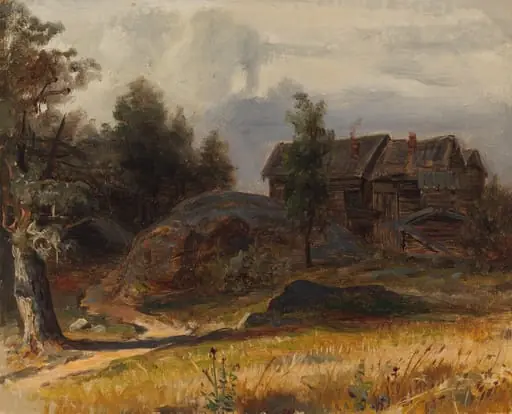
Landscape with a Wayside Shrine
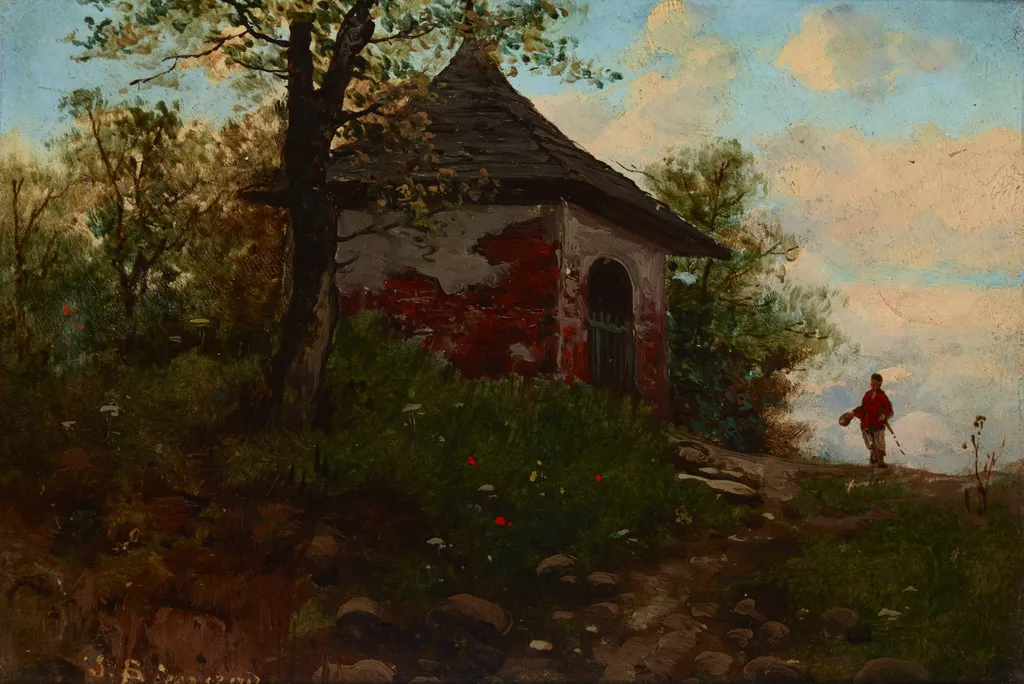
Landscape with a Wayside Shrine is an unspecified painting by Seweryn Bieszczad. It dates from 1897 and is held in the collection of the National Museum in Kraków.
About this work
Overview
A trained artist educated in Kraków, Munich, and Dresden, he specialized in naturalistic landscapes executed with careful attention to atmosphere and detail.
Seweryn Bieszczad painted *Landscape with a Wayside Shrine* circa 1897, capturing a quiet rural scene in Poland. A trained artist educated in Kraków, Munich, and Dresden, he specialized in naturalistic landscapes executed with careful attention to atmosphere and detail. The work is part of the National Museum in Kraków’s collection, reflecting his commitment to depicting the Polish countryside with quiet dignity and observational precision.
Subject & Meaning
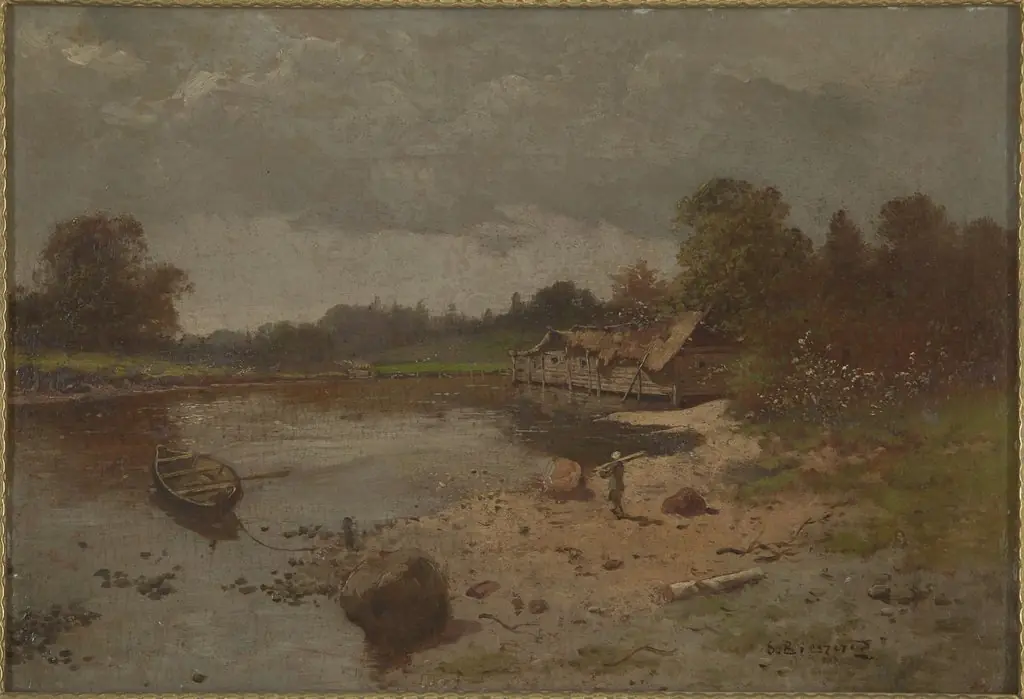
The painting centers on a modest cottage surrounded by dense foliage, suggesting a place of rest or devotion. A narrow path leads to the structure, where a solitary figure in red approaches, carrying a basket. The inclusion of a shrine, though subtly rendered, implies spiritual or communal significance. The scene conveys stillness and routine, evoking the rhythm of rural life without overt narrative or drama.
Technique & Style
Bieszczad employed a restrained palette of earth tones and soft greens to unify the landscape, with the figure’s red garment serving as a deliberate accent. Brushwork is controlled yet expressive, capturing the texture of leaves and the weight of shadows. Composition guides the eye along the winding path toward the cottage, balancing naturalism with a deliberate sense of order and calm.
History & Provenance
Created during Bieszczad’s mature period, the painting emerged from his sustained engagement with Polish rural life after formal training abroad. It entered the National Museum in Kraków’s holdings in the early 20th century, likely through acquisition or donation. Its preservation reflects institutional recognition of his contribution to Polish landscape painting beyond the dominant historical and academic styles of his time.
Context
In late 19th-century Poland, landscape painting gained prominence as a means of expressing national identity amid foreign partitions. Bieszczad’s focus on unidealized rural scenes aligned with broader cultural movements valuing authenticity over romanticism. His work stood apart from grand historical themes, offering instead intimate glimpses of everyday environments rooted in local tradition and observation.
Legacy
Bieszczad’s *Landscape with a Wayside Shrine* exemplifies a quiet, enduring strain of Polish realism that prioritized atmosphere over spectacle. Though less widely known than contemporaries like Matejko, his dedication to capturing the subtleties of the natural world influenced later generations of regional painters. The painting remains a testament to the value of understated observation in art.
Own this work as a print
Artist & collection
Artist
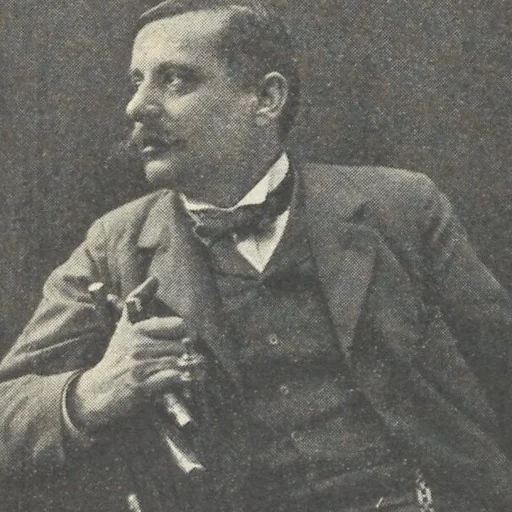
Seweryn Bieszczad (18 November 1852 – 17 June 1923) was a Polish painter. He was noted for his sense of realism and use of watercolor in painting primarily landscapes. He was born in Jasło on 18 November 1852 into a…

 Landscape
 Farm in the Open Fields
 Pomi lângă râu
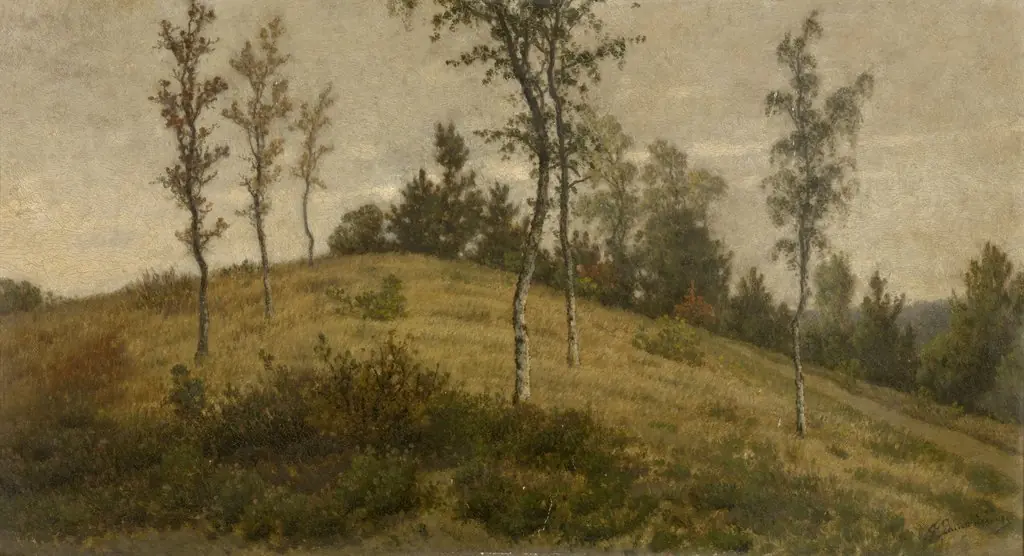 A View of Putte
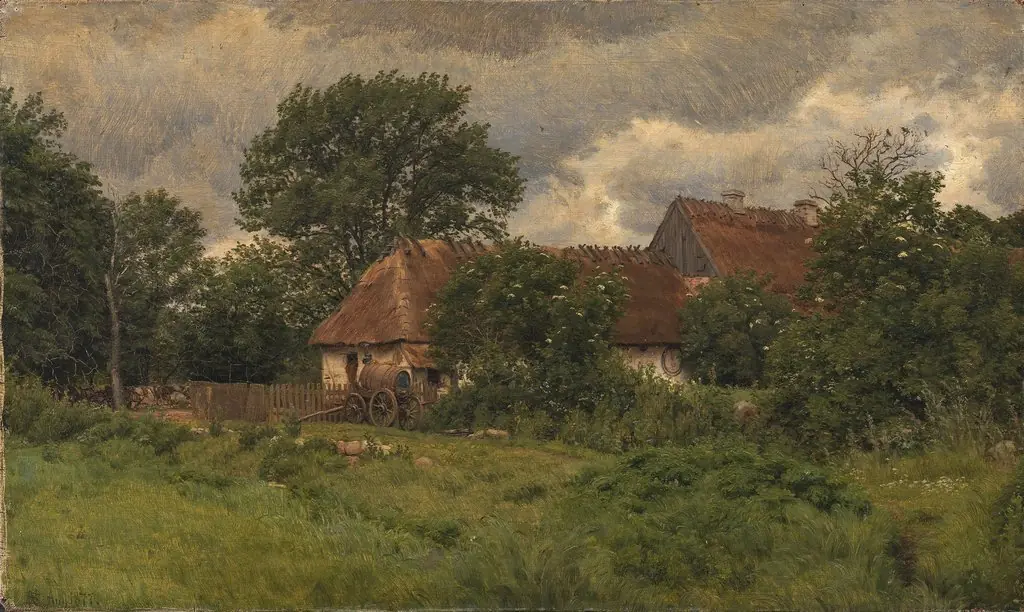 Gamle udbygninger ved en herregård
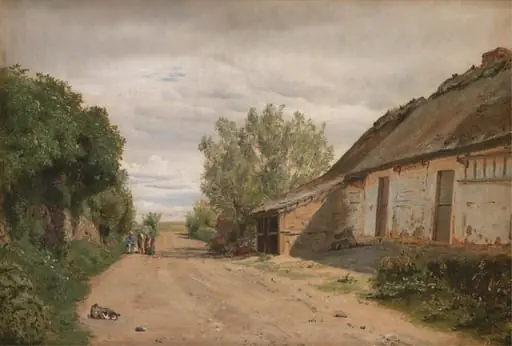 The Outskirts of the Village of Vejby. By the Roadside the Painter J.Th. Lundbye Sketching
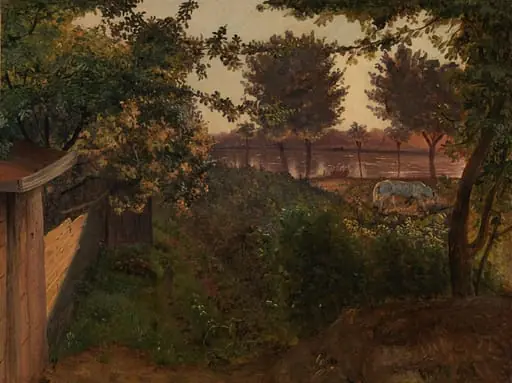 Bag kunstnerens have på Farimagsvej ved St. Jørgens Sø
 The Garden Steps Leading to the Painter Christen Købke's Studio at Blegdammen, Copenhagen
 Landscape with a Cemetary
 Apple-tree over stream.
 Landscape with a church hidden behind the trees
 Harmaa hirsirakennus maisemassa