Artwork
Wedding at Salwator
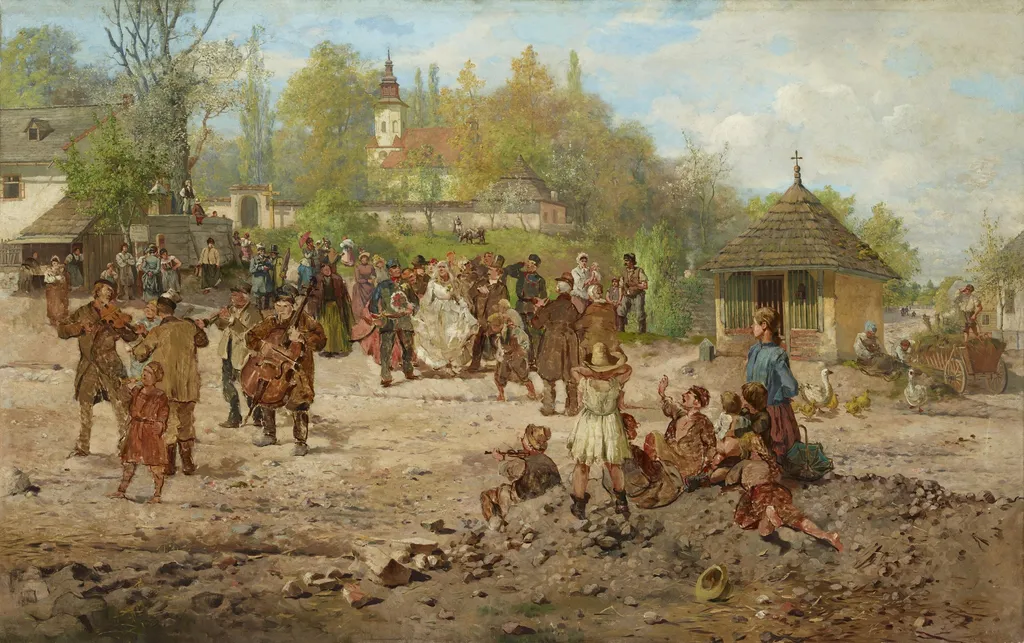
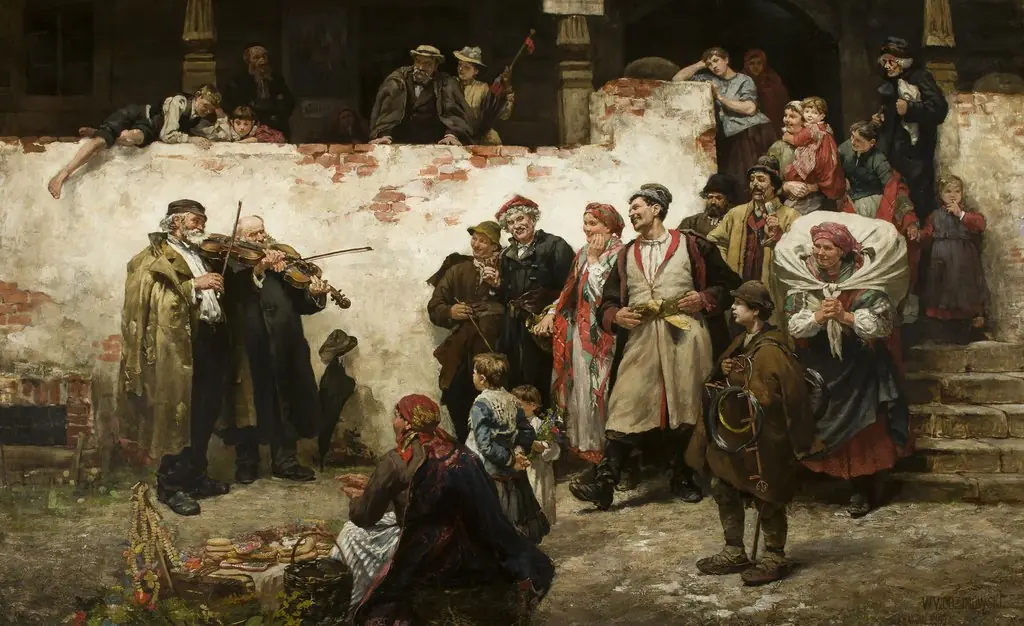
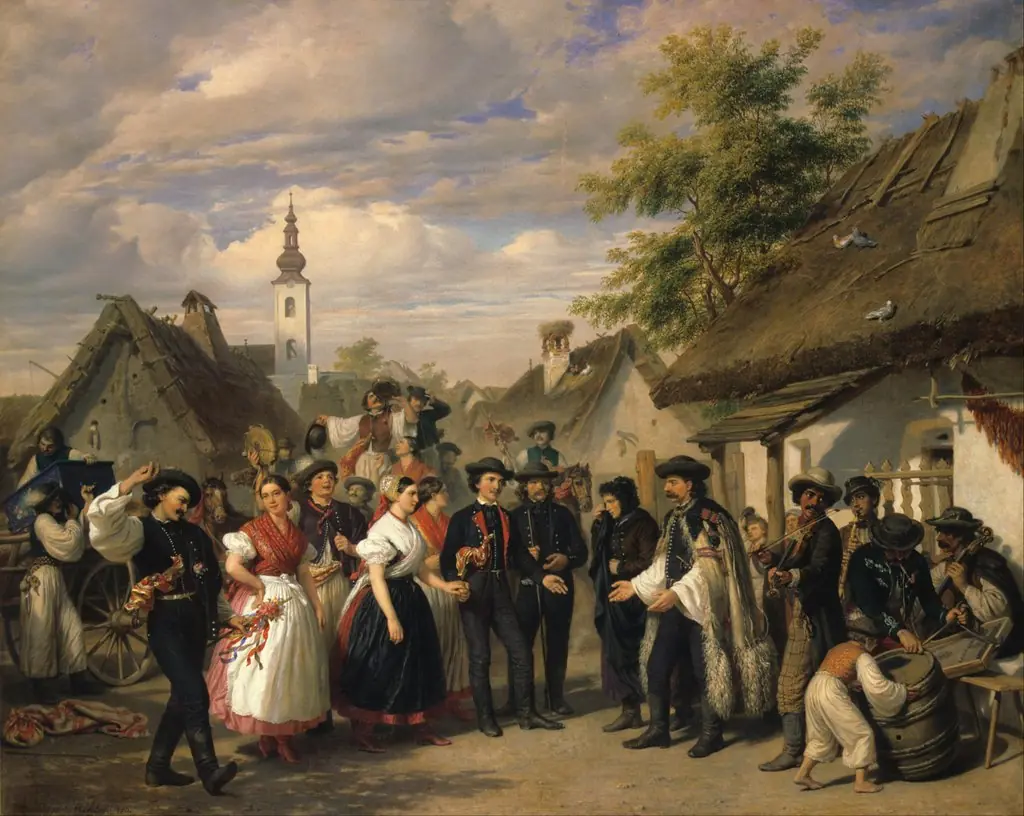
Wedding at Salwator is an oil painting by Seweryn Bieszczad. It dates from 1897 and is held in the collection of the National Museum in Kraków.
About this work
Overview
Seweryn Bieszczad’s *Wedding at Salwator* is an oil painting dated to the late 1890s, presently conserved by the National Museum in Kraków.
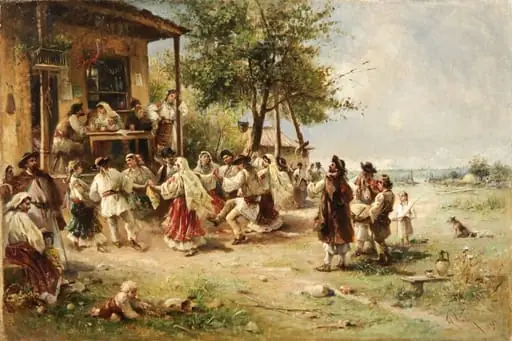
Seweryn Bieszczad’s *Wedding at Salwator* is an oil painting dated to the late 1890s, presently conserved by the National Museum in Kraków. The work captures a communal celebration in the Salwator district, portraying villagers gathered along a street for a wedding ceremony. The composition is populated with figures in traditional attire, set against a backdrop of trees, modest buildings and a church steeple.
Subject & Meaning
The scene presents a rural wedding, emphasizing the collective joy of the community. Men in suits and hats stand alongside women in long dresses and headscarves, suggesting a blend of folk customs and emerging modern dress. The arrangement of participants across the street conveys a sense of movement and shared participation, reflecting the social importance of marriage rituals in late‑19th‑century Polish village life.
Technique & Style
Executed in oil, the painting employs a vivid palette to convey warmth and festivity. Bieszczad balances detailed rendering of clothing and facial expressions with broader, looser brushwork in the surrounding landscape, a practice reminiscent of his watercolor background. The use of color contrasts—bright garments against earth‑toned architecture—enhances the celebratory atmosphere without resorting to overt dramatization.
History & Provenance
Born in 1852, Bieszczad trained at Kraków’s School of Fine Arts under Łuszczkiewicz and Matejko before continuing studies in Munich and Dresden. *Wedding at Salwator* was likely completed around 1897, during a period when the artist focused on realistic depictions of Polish life. The painting entered the National Museum’s collection in Kraków, where it remains on display as part of the institution’s representation of regional genre scenes.
Context
The work reflects a broader trend in Polish art of the fin de siècle, where genre paintings documented everyday customs amid rapid social change. Salwator, then a peripheral village later absorbed into Kraków’s urban fabric, provides a snapshot of a community on the cusp of modernization, preserving a moment of traditional celebration within an evolving cultural landscape.
Own this work as a print
Artist & collection
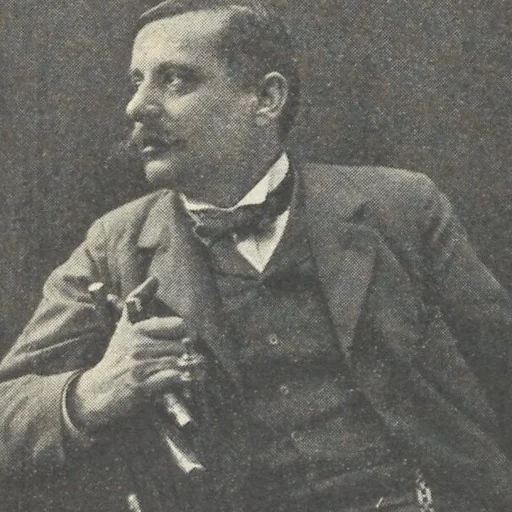
Artist
Seweryn Bieszczad (18 November 1852 – 17 June 1923) was a Polish painter. He was noted for his sense of realism and use of watercolor in painting primarily landscapes. He was born in Jasło on 18 November 1852 into a…