Artwork
Portrait of Mr. William W. Welch
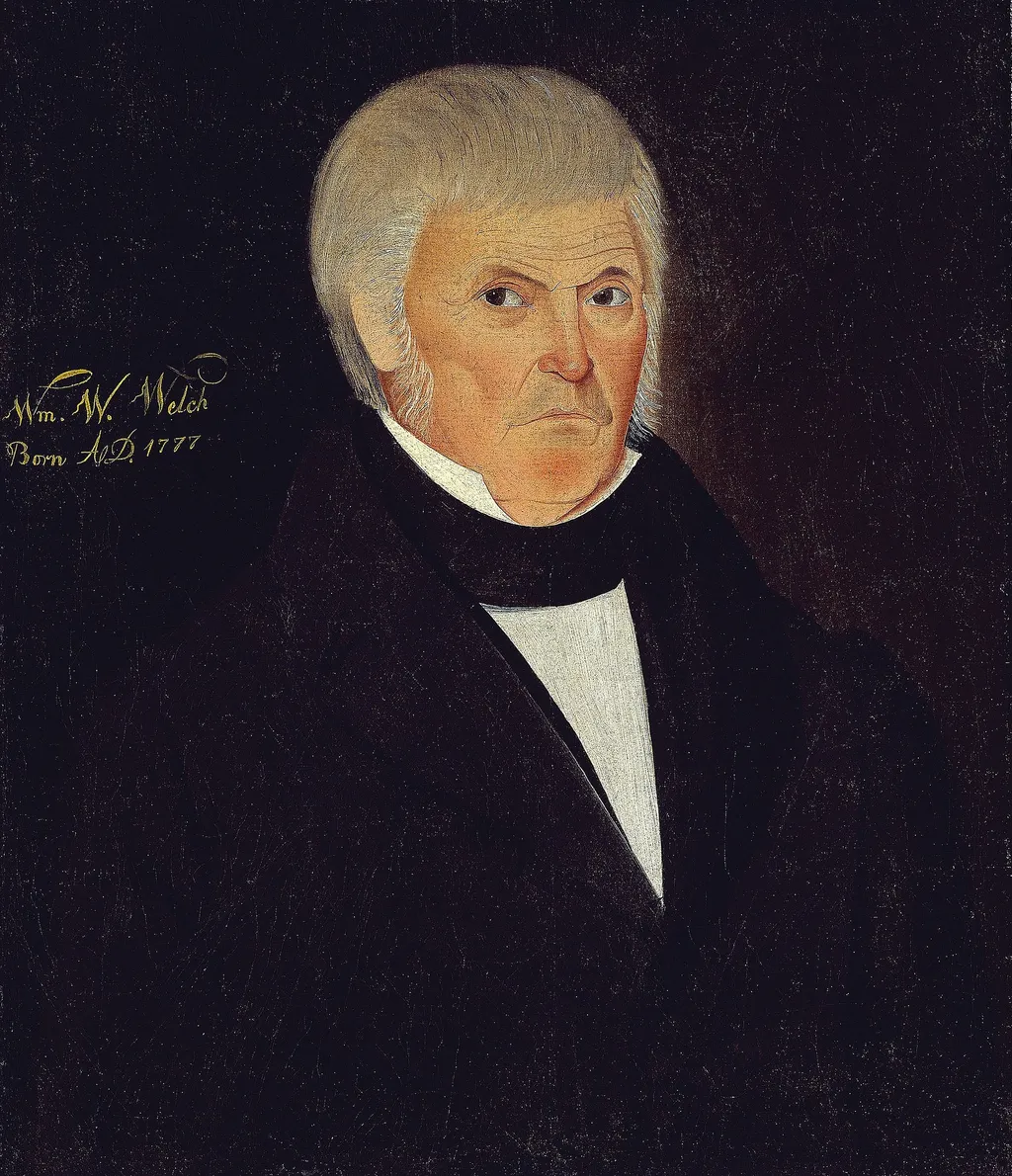
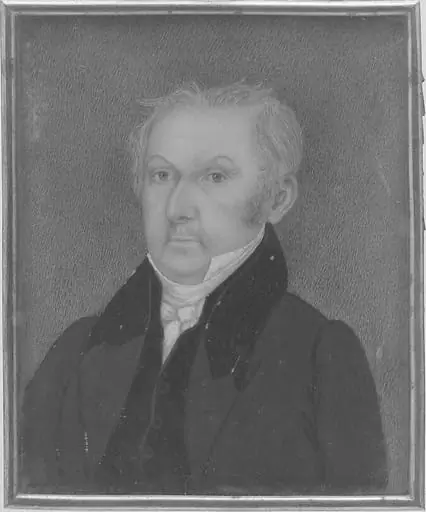
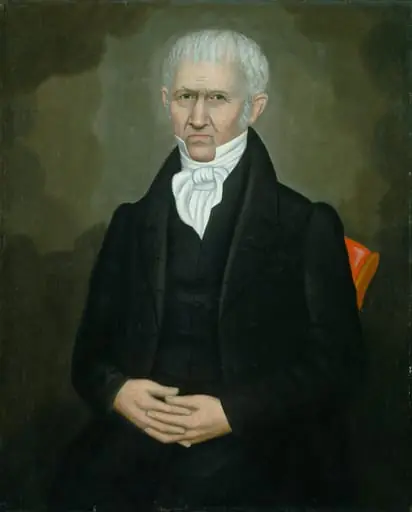
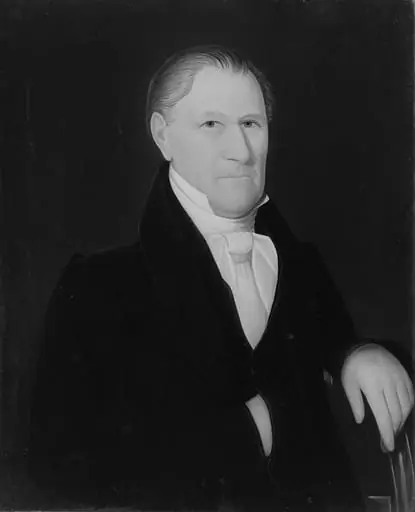
Portrait of Mr. William W. Welch is an oil painting by the American Folk Art artist Sheldon Peck. It dates from 1837 and is held in the collection of the Art Institute of Chicago.
About this work
Welch" is written in the corner, along with the year 1777, though it’s unclear if that’s his birth year or just a note.
This painting shows an older man with pale skin and light hair, dressed in a black coat with a white cravat. His face is serious, with deep lines around his eyes and mouth. The background is completely dark, making his face stand out.
The name "Wm. W. Welch" is written in the corner, along with the year 1777, though it’s unclear if that’s his birth year or just a note. The painting uses simple colors—black, white, and soft skin tones—with no bright details.
Next, look up Sheldon Peck, the artist who painted this portrait.
Overview
Sheldon Peck painted this portrait in 1837, capturing William W. Welch as a seated figure against a dark, unadorned background. The work reflects Peck’s approach to folk portraiture, prioritizing clear representation over decorative flourish. Painted in oil, it emphasizes the sitter’s presence through restrained tones and direct composition. The painting is part of the Art Institute of Chicago’s collection, where it stands as an example of early American vernacular art.
Subject & Meaning
The subject, William W. Welch, appears as a solemn, middle-aged man with weathered features and light hair, dressed in a dark coat and white cravat. His expression is introspective, suggesting dignity and quiet resolve. The inclusion of his name and the date 1777—possibly his birth year—anchors the portrait in personal identity rather than social status. Peck’s focus on the individual, without symbols of wealth or profession, aligns with his broader egalitarian values.
Technique & Style
Peck employed a simplified, unembellished technique typical of American folk art: flat planes of color, minimal modeling, and sharp outlines define the figure. The palette is subdued—black, white, and muted flesh tones—enhancing the sitter’s facial details without distraction. The dark background isolates Welch, drawing attention to his gaze and expression. Brushwork is deliberate but unrefined, reflecting the artist’s commitment to clarity over academic polish.
History & Provenance
The painting was completed in 1837 and remained in private hands until entering the Art Institute of Chicago’s collection. Its survival reflects its modest but enduring cultural value. While little is documented about Welch’s life, Peck’s reputation as a social reformer suggests the portrait may have been commissioned by someone aligned with his abolitionist circle. The work’s preservation underscores the growing interest in non-elite American portraiture during the 20th century.
Context
In the 1830s, American folk portraiture flourished outside urban academies, often created by itinerant artists serving rural and middle-class patrons. Peck, based in Illinois, was part of this decentralized tradition, blending local aesthetics with moral convictions. His portraits avoided aristocratic conventions, instead honoring ordinary individuals. This work fits within a broader movement that valued authenticity over idealization, particularly in regions distant from established cultural centers.
Legacy
Sheldon Peck’s portraits, including this one, are now recognized for their quiet humanity and historical significance. They offer insight into the lives of non-elite Americans during a period of social change. While not widely known in his time, Peck’s work has gained scholarly attention for its role in documenting democratic ideals through visual form. The portrait of Welch remains a testament to the dignity of the individual, rendered without pretense.
Own this work as a print
Artist & collection
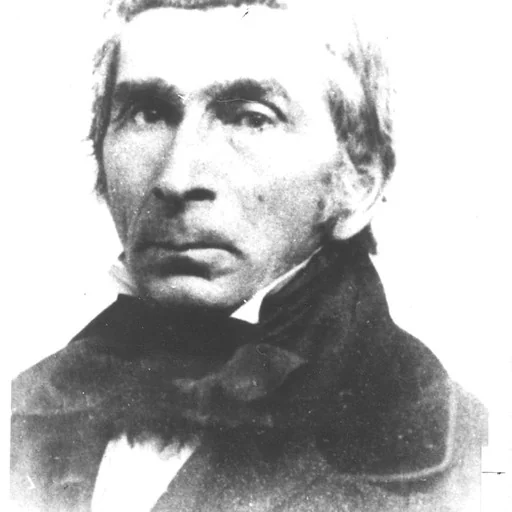
Artist
Sheldon Peck (August 26, 1797 – March 19, 1868) was an American folk artist, conductor on the Underground Railroad, and social activist.