Artwork
Tiger-Flight Spring at the Back Gate, from Twelve Views of Tiger Hill, Suzhou
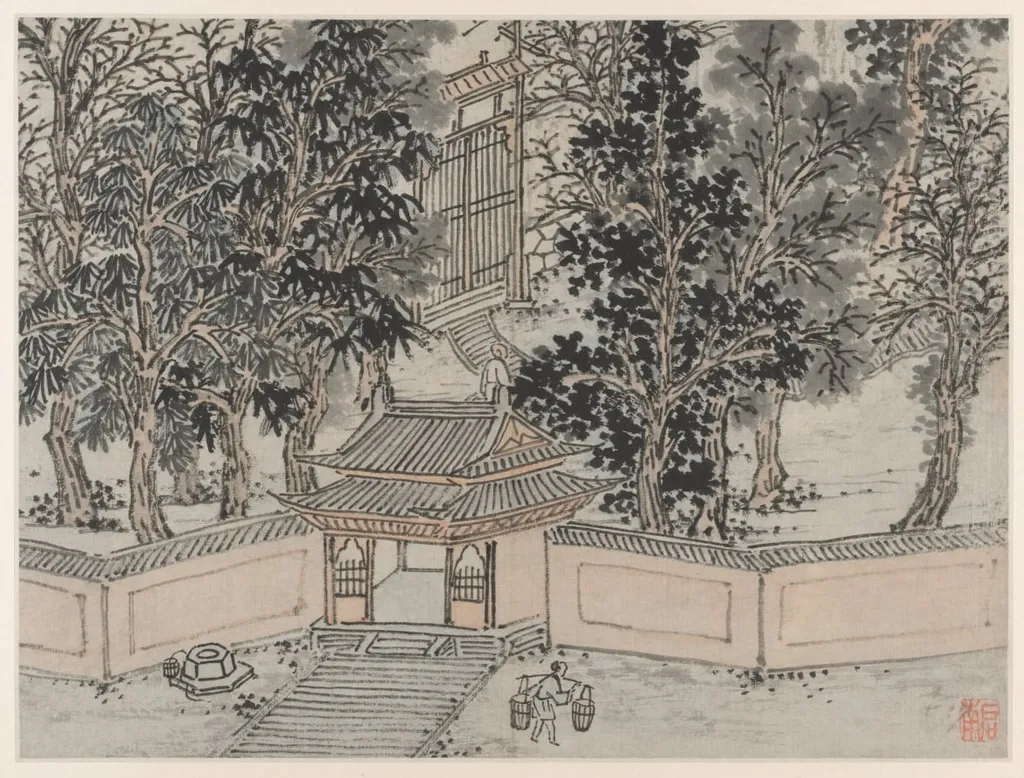
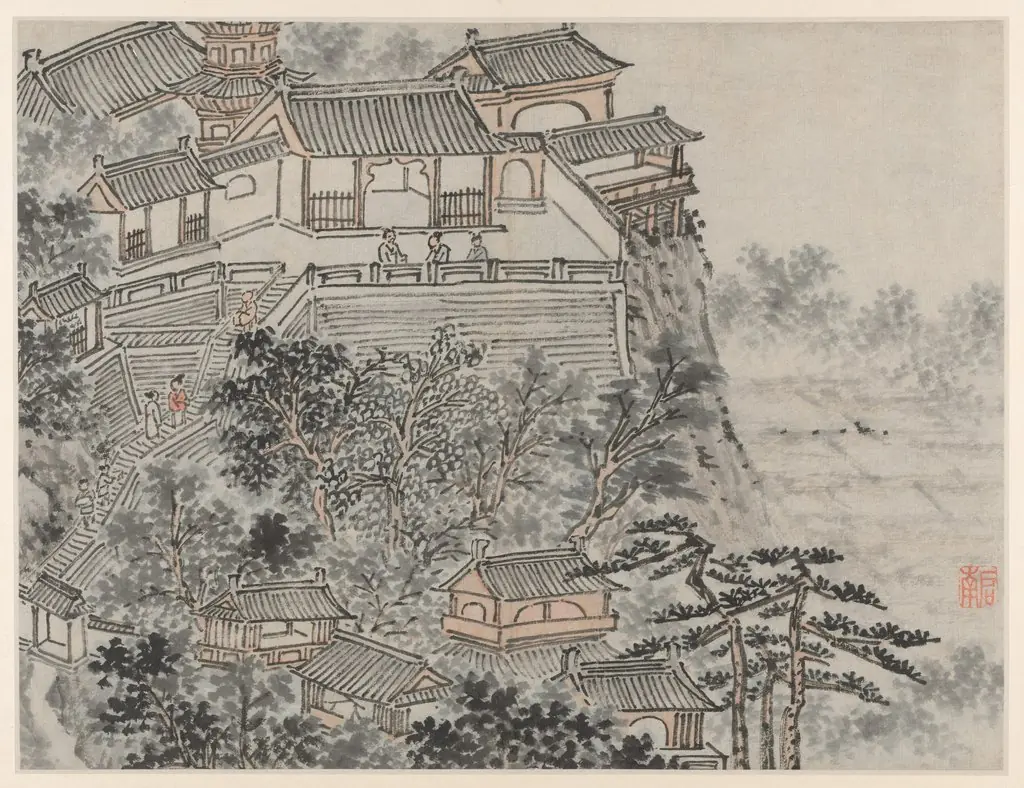
Tiger-Flight Spring at the Back Gate, from Twelve Views of Tiger Hill, Suzhou is an unspecified painting by the Ming dynasty painting artist Shen Zhou. It dates from 1490 and is held in the collection of the Cleveland Museum of Art.
About this work
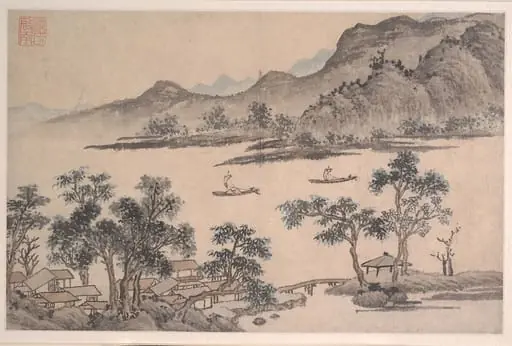
This painting shows a serene mountain landscape with trees and a gate.
It's a subtle scene with muted colors. The artist used simple lines to draw the trees and hills.
The painting is part of a series that takes you on a journey through a historic site.
You can learn more about this style by looking at the work of artist: Shen Zhou (Chinese, 1427–1509)
Overview
Tiger‑Flight Spring at the Back Gate is one panel from Shen Zhou’s twelve‑painting series that records a pilgrimage up Tiger Hill, a celebrated scenic spot just northwest of Suzhou. The work portrays a tranquil mountain setting, a modest gate, and a scattering of trees, inviting the viewer to imagine the gradual ascent from the riverbank to the summit’s monastery.
Subject & Meaning
The composition captures a moment of quiet transition, the back gate marking the threshold between the cultivated lowlands and the more remote, mist‑shrouded heights. By focusing on a single, unadorned vista, Shen Zhou emphasizes the contemplative experience of travel and the subtle shift from the ordinary to the sacred that the hill historically represented.
Technique & Style
Executed in a restrained palette of muted tones, the painting relies on delicate brushwork and minimal ink washes to suggest form. Simple, flowing lines define trees and hills, while the use of negative space creates a sense of atmospheric depth. This approach reflects Shen Zhou’s mature style, which blended monochrome sensibility with occasional soft colour accents.
History & Provenance
Created in the late 15th century, the piece belongs to Shen Zhou’s personal project undertaken after he retired from official ambitions. Supported by family wealth, he devoted his middle years to painting, and this series was likely kept within his scholarly circle before entering museum collections in the modern era.
Context
Shen Zhou (1427–1509) is credited with founding the Wu School of painting, a movement centered in Suzhou that prized literati ideals and personal expression over courtly grandeur. The Tiger Hill series exemplifies the school’s emphasis on intimate, poetic landscapes that serve both as visual records and meditative exercises.
Artist & collection
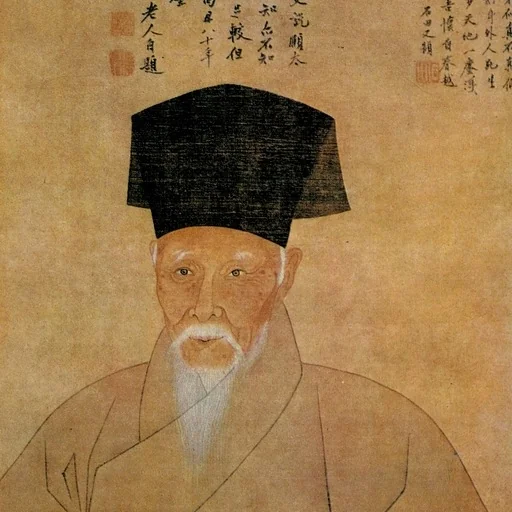
Artist
Shen Zhou spent his life in the Suzhou region of China, where his family’s money and connections mattered more than art—until it did.

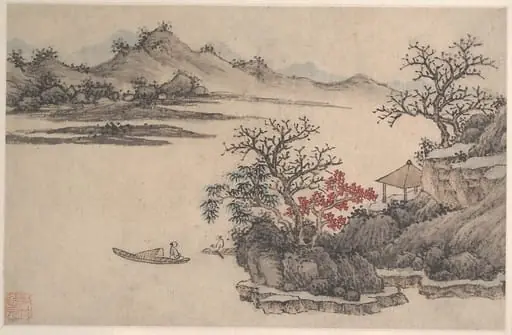 Untitled
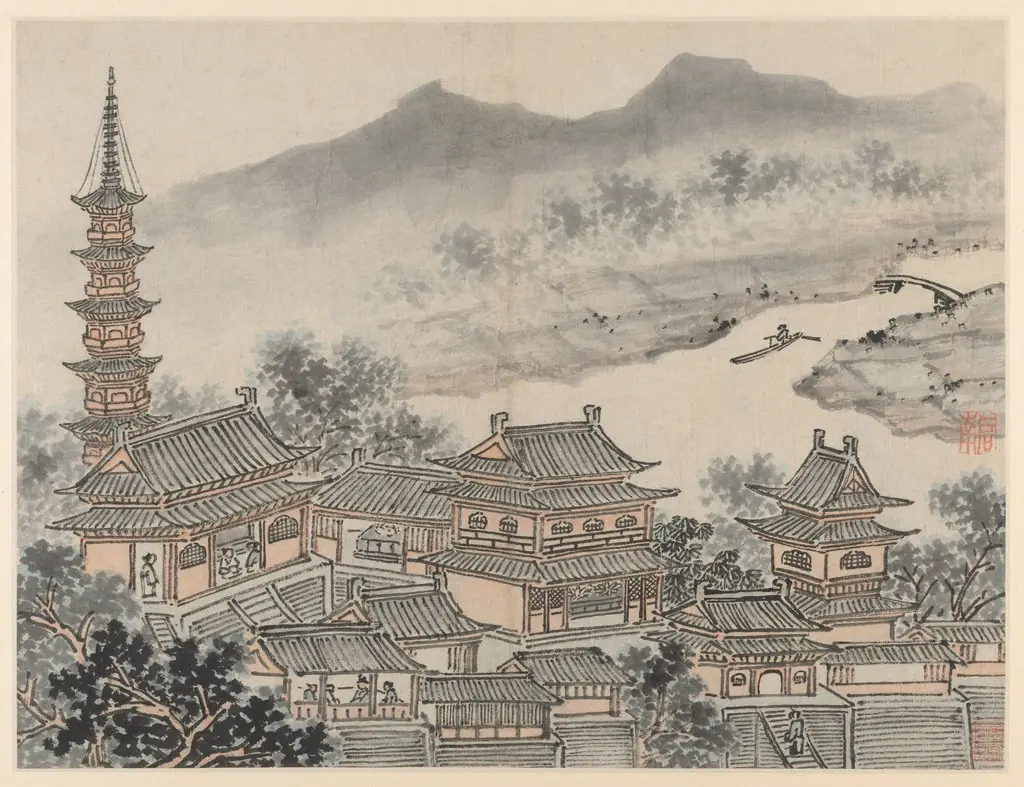 The Thousand Buddha Hall and the Pagoda of the "Cloudy Cliff" Monastery, from Twelve Views of Tiger Hill, Suzhou
 Untitled
 Untitled
 明 沈周 溪山秋色圖 卷|明 沈周 溪山秋色圖 卷明 楷書溪山秋色圖 引首|Autumn Colors among Streams and Mountains
 明 (倣)沈周 怡松圖 卷|Enjoying the Pines
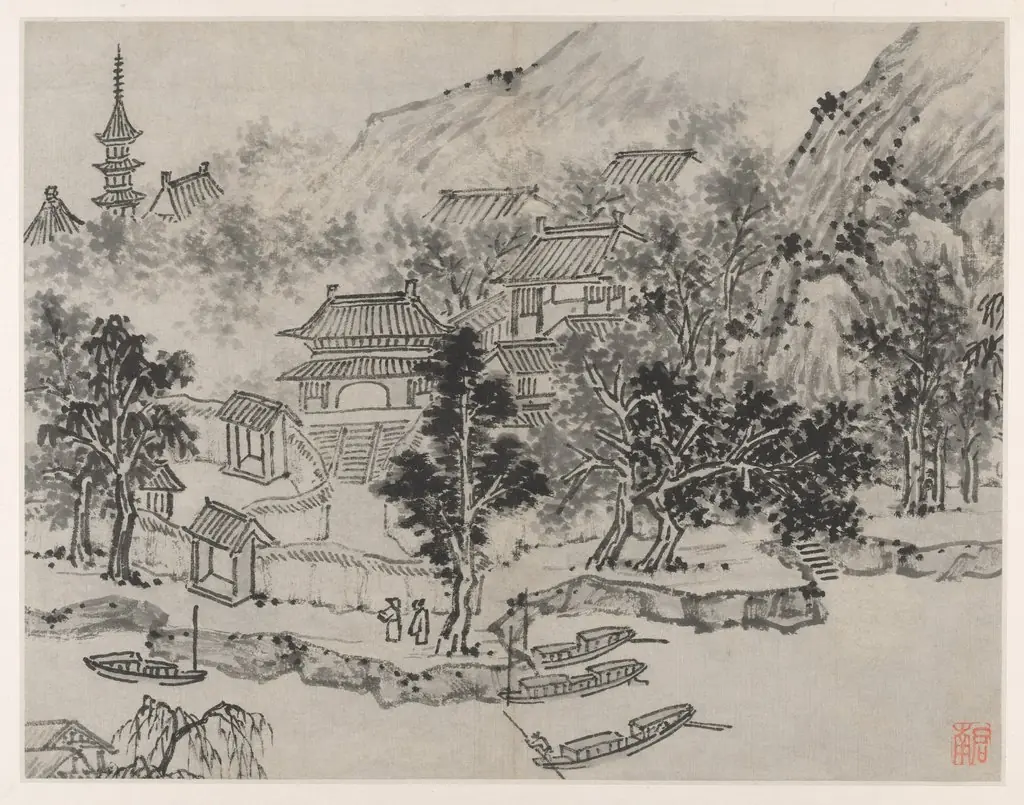 Distant View of Tiger Hill from the Canal Mooring, from Twelve Views of Tiger Hill, Suzhou
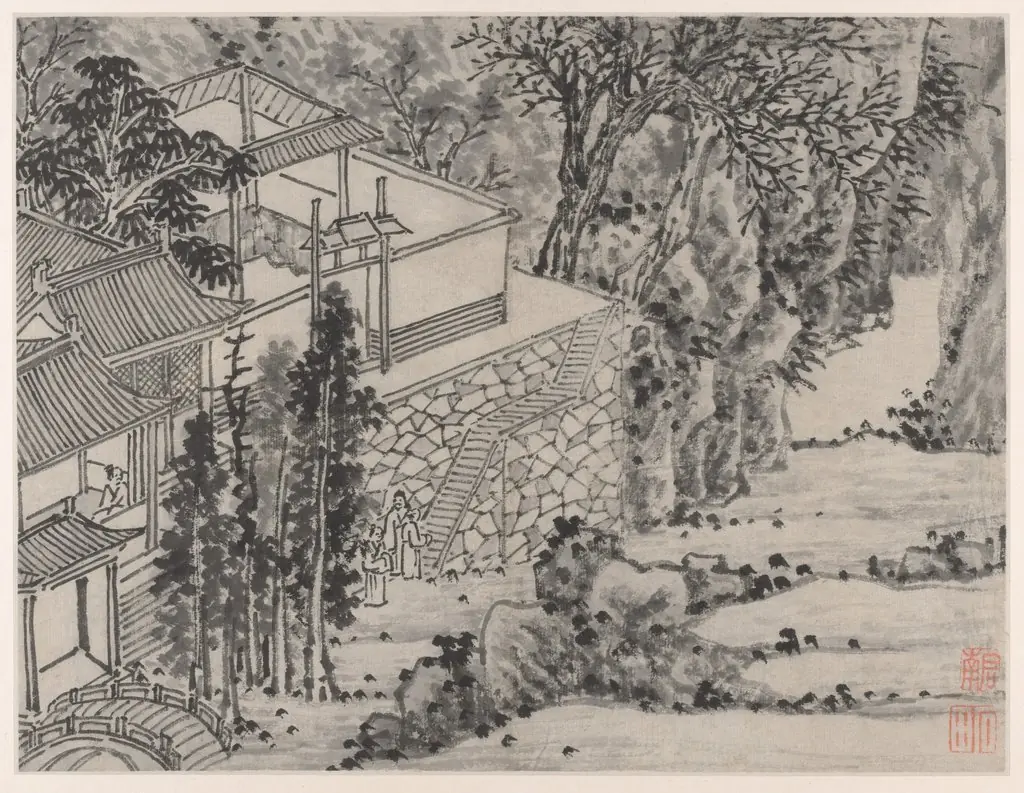 The Enlightened Stone Retreat, from Twelve Views of Tiger Hill, Suzhou
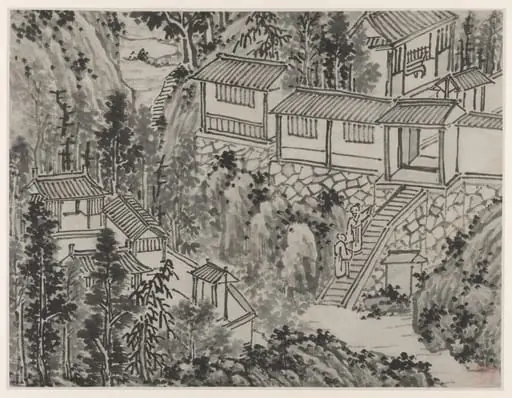 The Pine Retreat, from Twelve Views of Tiger Hill, Suzhou
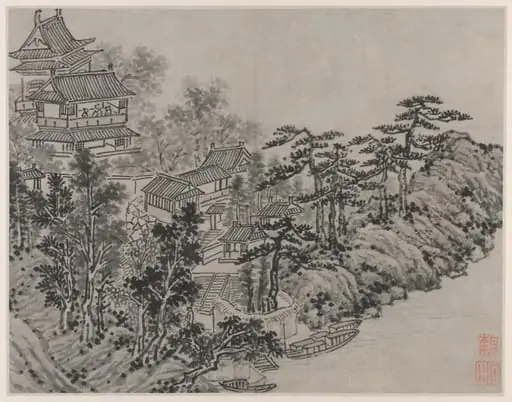 Cloud-Climbing Pavilion, from Twelve Views of Tiger Hill, Suzhou
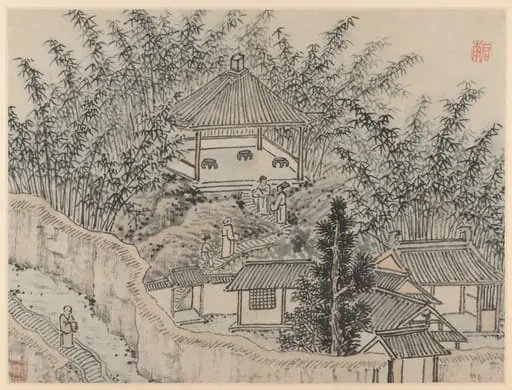 Bamboo Pavilion, Tiger Hill, from Twelve Views of Tiger Hill, Suzhou
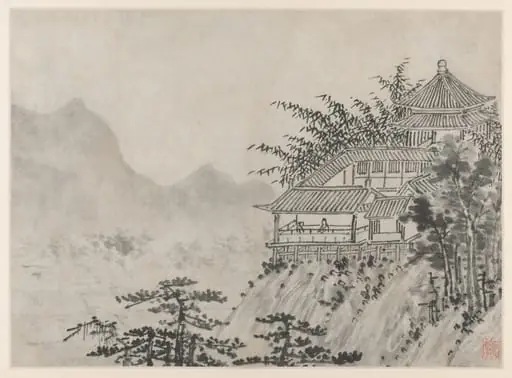 The Thousand Acres of Clouds, from Twelve Views of Tiger Hill, Suzhou
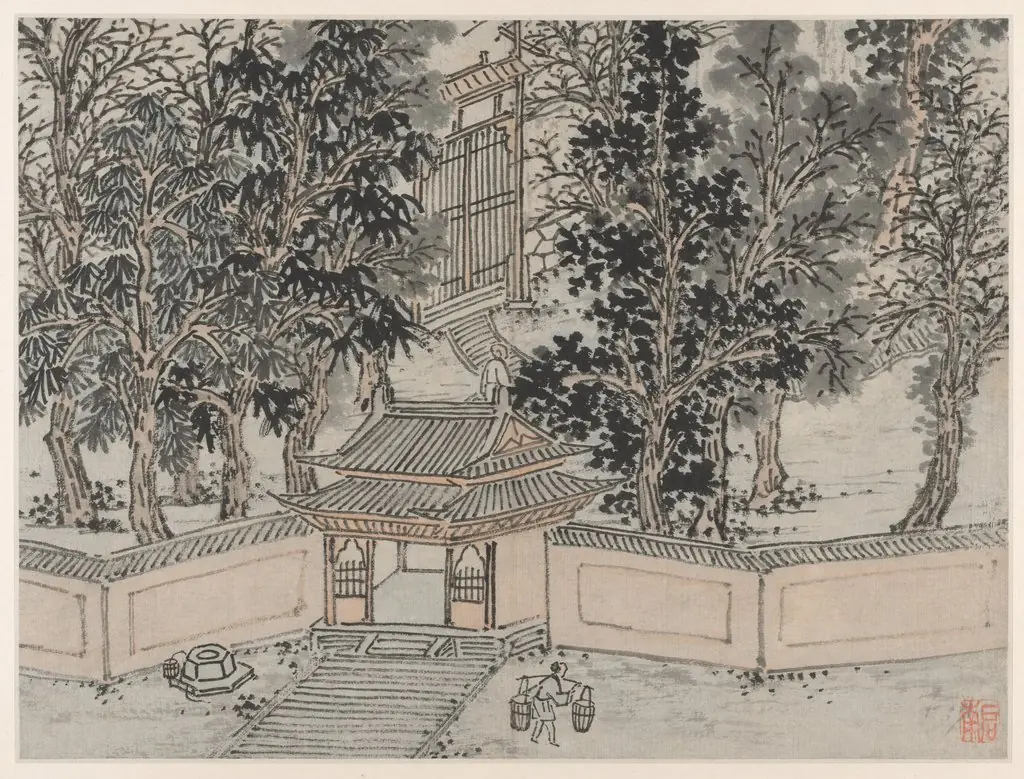 Tiger-Flight Spring at the Back Gate, from Twelve Views of Tiger Hill, Suzhou
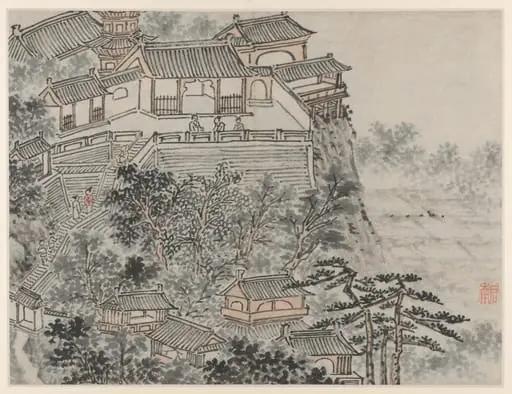 The Five Sages Terrace, from Twelve Views of Tiger Hill, Suzhou
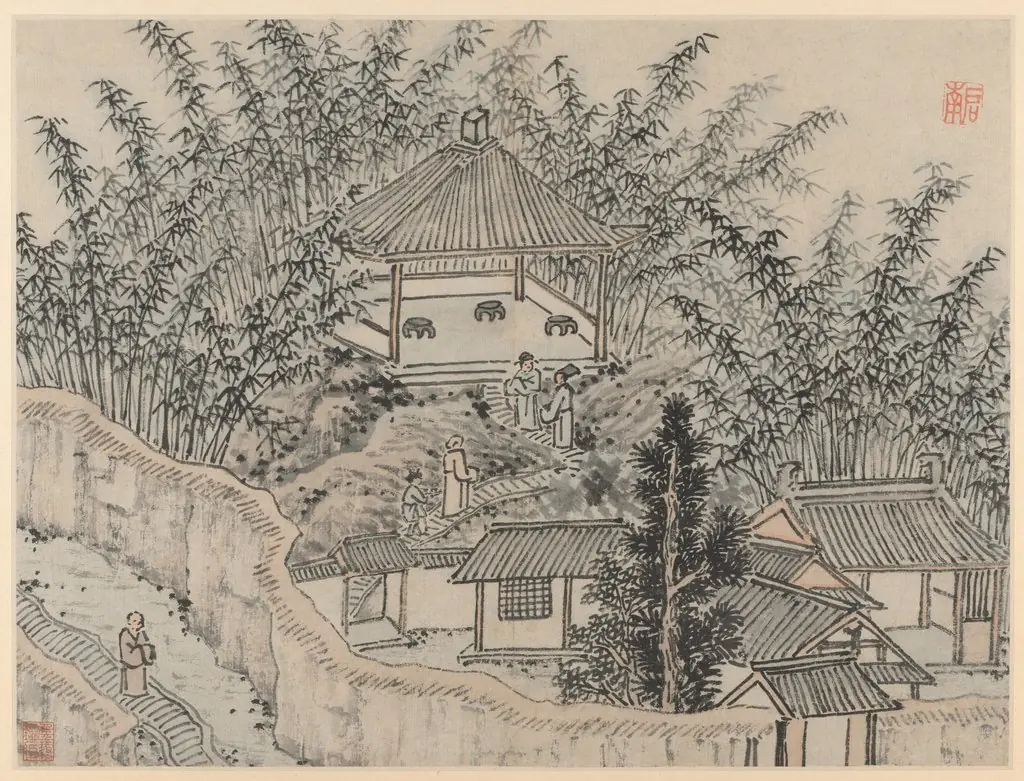 Bamboo Pavilion, Tiger Hill, from Twelve Views of Tiger Hill, Suzhou
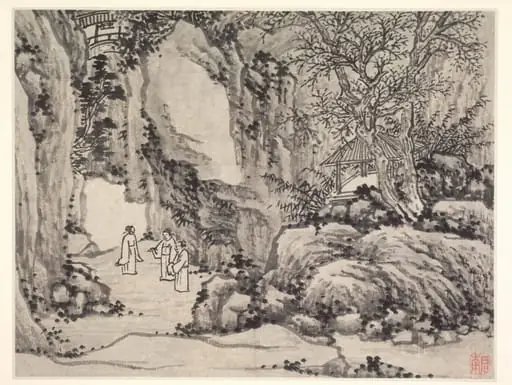 The Sword Spring, Tiger Hill, from Twelve Views of Tiger Hill, Suzhou
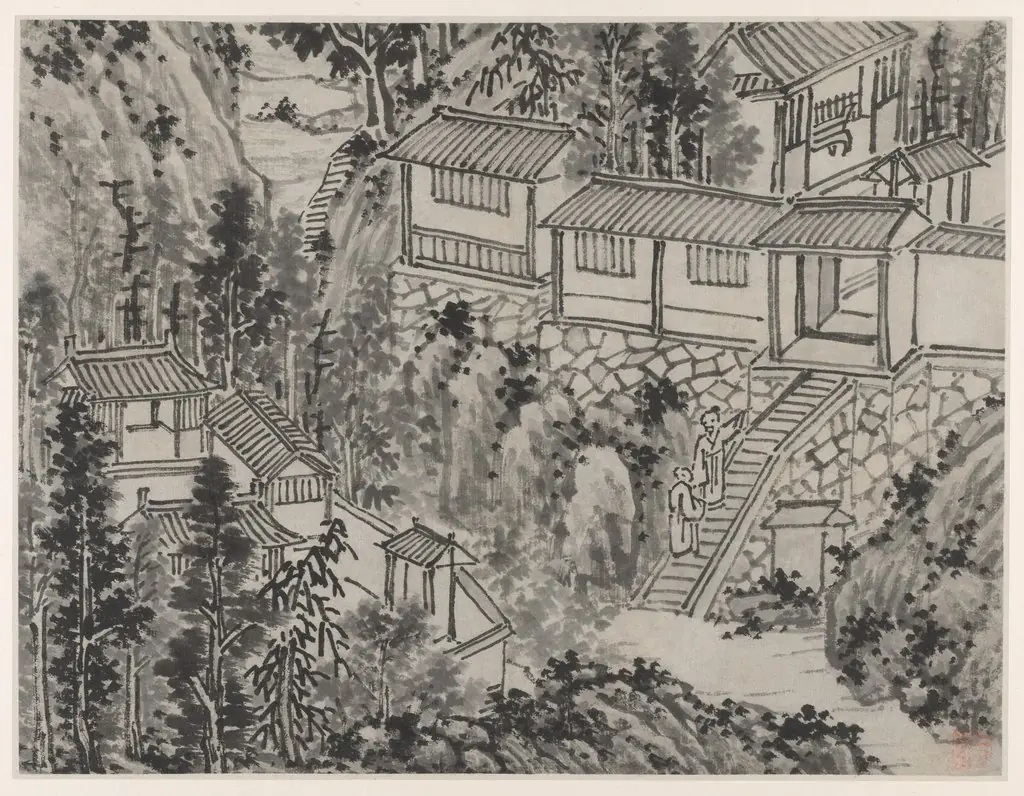 The Pine Retreat, from Twelve Views of Tiger Hill, Suzhou
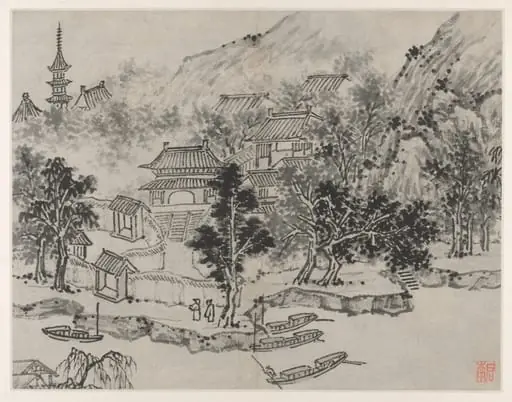 Distant View of Tiger Hill from the Canal Mooring, from Twelve Views of Tiger Hill, Suzhou
 The Five Sages Terrace, from Twelve Views of Tiger Hill, Suzhou