Artwork
The Pine Retreat, from Twelve Views of Tiger Hill, Suzhou
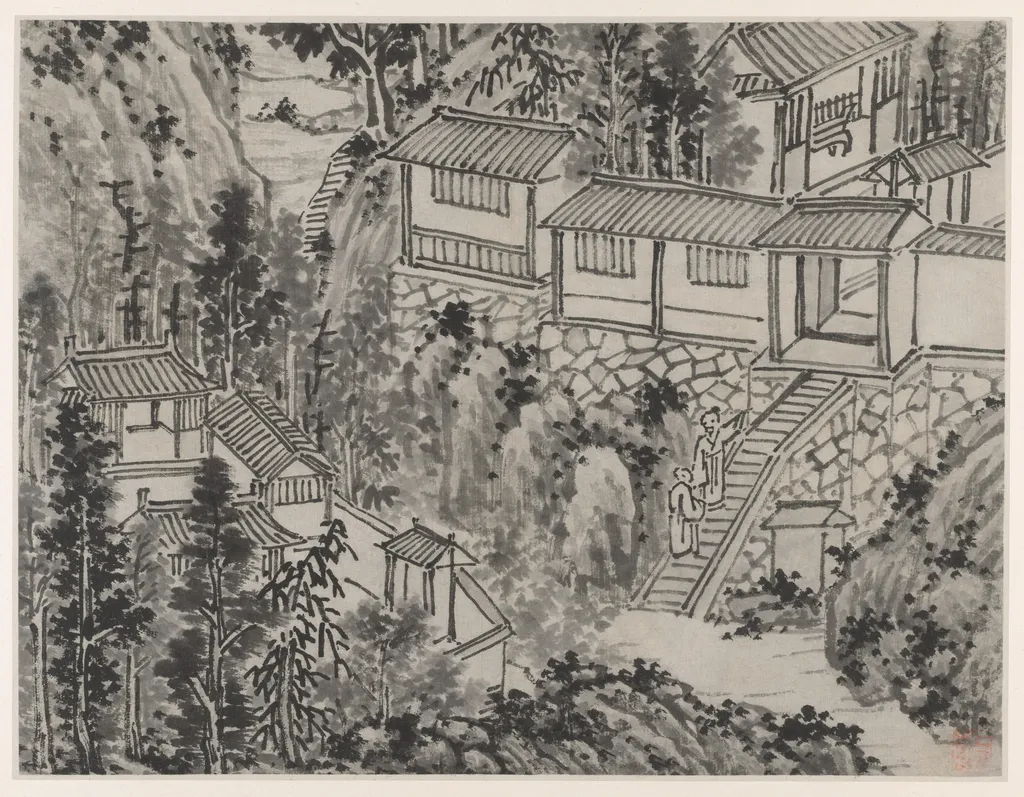
The Pine Retreat, from Twelve Views of Tiger Hill, Suzhou is an unspecified painting by Shen Zhou. It dates from 1500 and is held in the collection of the Cleveland Museum of Art.
About this work
Overview
Created in 1500 by Shen Zhou, this ink-and-wash painting is one of twelve panels depicting scenes around Tiger Hill in Suzhou. It belongs to a series commissioned to capture the quiet beauty of the region’s landscape. The work is now in the collection of the Cleveland Museum of Art, where it is valued for its understated composition and meditative atmosphere.
Subject & Meaning
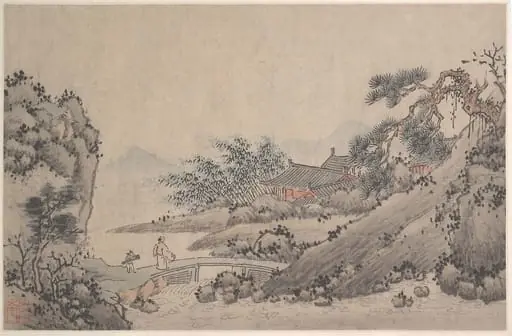
The scene portrays a secluded mountain retreat nestled among pines and rocky terrain, suggesting a space for contemplation and withdrawal from worldly concerns. A solitary figure on the steps implies quiet solitude, reinforcing the theme of harmonious coexistence with nature. The retreat is not a grand structure but a modest dwelling, aligning with literati ideals of humility and introspection.
Technique & Style
The trees and architecture are rendered with gentle, flowing brushwork, while the background remains deliberately pale, enhancing the sense of stillness.
Shen Zhou employed soft, layered ink washes to suggest depth and atmosphere, avoiding sharp outlines in favor of subtle gradations. The trees and architecture are rendered with gentle, flowing brushwork, while the background remains deliberately pale, enhancing the sense of stillness. The muted palette and restrained detail reflect the literati preference for expressive simplicity over ornate representation.
History & Provenance
The painting was part of a set commissioned to document the scenic views of Tiger Hill, a site long associated with scholarly retreats. It remained in private Chinese collections before entering Western hands in the 20th century. The Cleveland Museum of Art acquired it as part of a broader effort to build a representative collection of Ming dynasty literati painting.
Context
Shen Zhou worked during the Ming dynasty, a period when scholar-officials increasingly turned to painting as a personal expression rather than professional duty. The Twelve Views series reflects a cultural trend of idealizing nature as a moral and spiritual refuge. Tiger Hill, with its temples and ancient trees, was a favored subject among literati seeking to evoke quietude and philosophical depth.
Legacy
This painting exemplifies the literati tradition’s influence on later Chinese art, emphasizing emotional resonance over topographical accuracy. Shen Zhou’s approach inspired generations of artists to prioritize personal expression and natural harmony. The work continues to be studied for its quiet discipline and its embodiment of Confucian and Daoist ideals in visual form.
Own this work as a print
Artist & collection
Artist
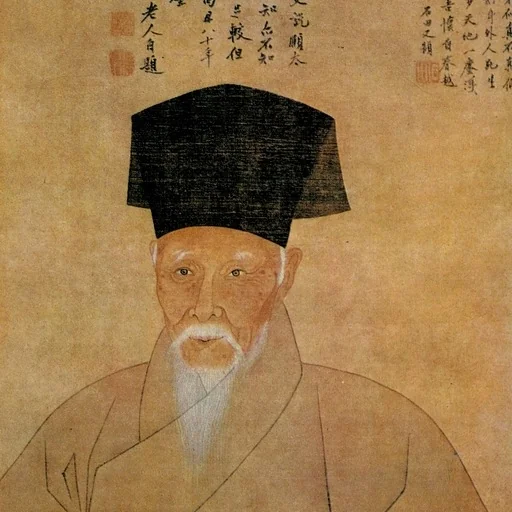
Shen Zhou spent his life in the Suzhou region of China, where his family’s money and connections mattered more than art—until it did.

 Untitled
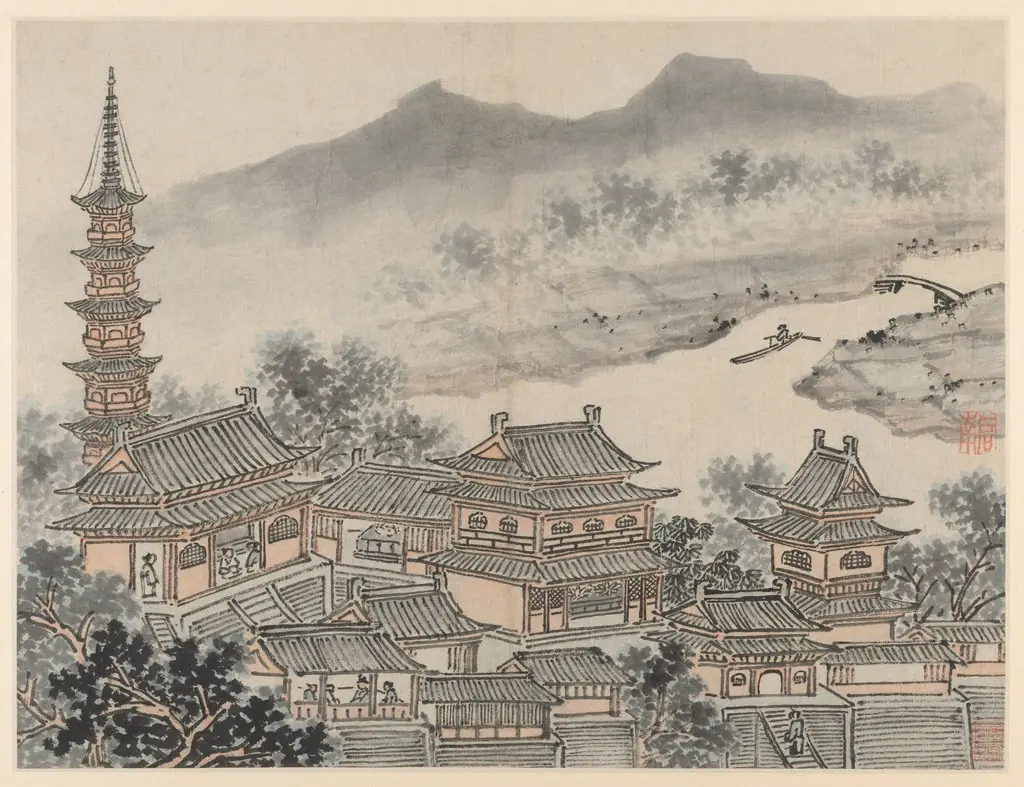 The Thousand Buddha Hall and the Pagoda of the "Cloudy Cliff" Monastery, from Twelve Views of Tiger Hill, Suzhou
 Untitled
 Untitled
 明 沈周 溪山秋色圖 卷|明 沈周 溪山秋色圖 卷明 楷書溪山秋色圖 引首|Autumn Colors among Streams and Mountains
 明 (倣)沈周 怡松圖 卷|Enjoying the Pines
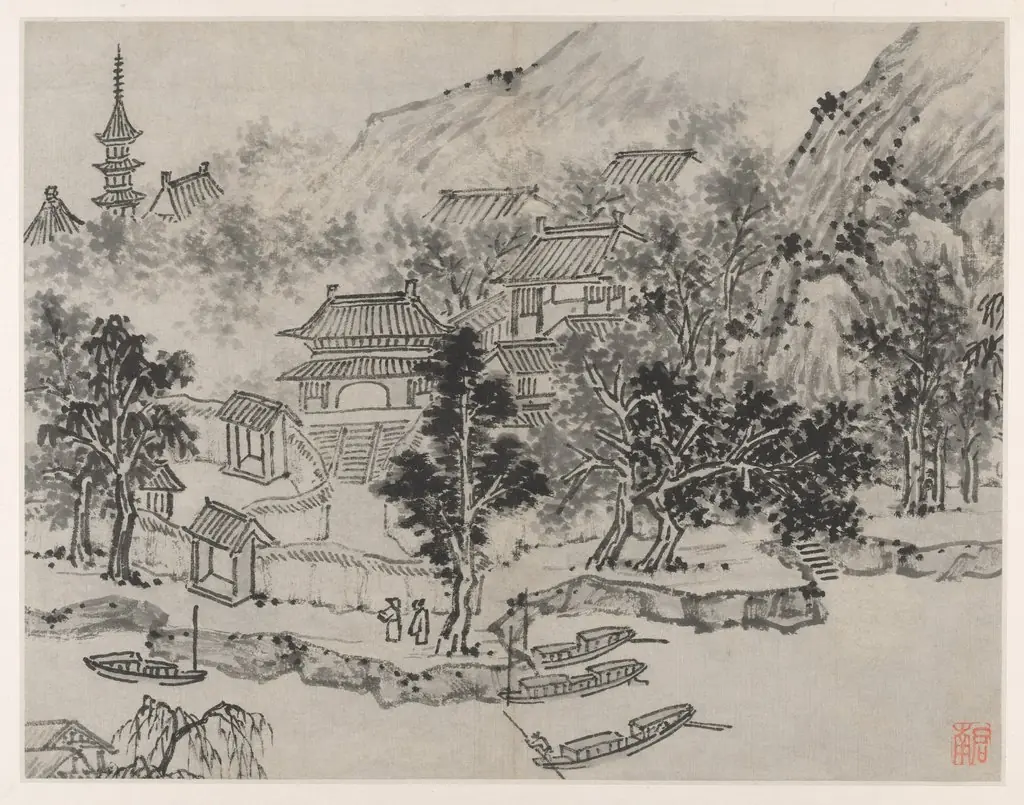 Distant View of Tiger Hill from the Canal Mooring, from Twelve Views of Tiger Hill, Suzhou
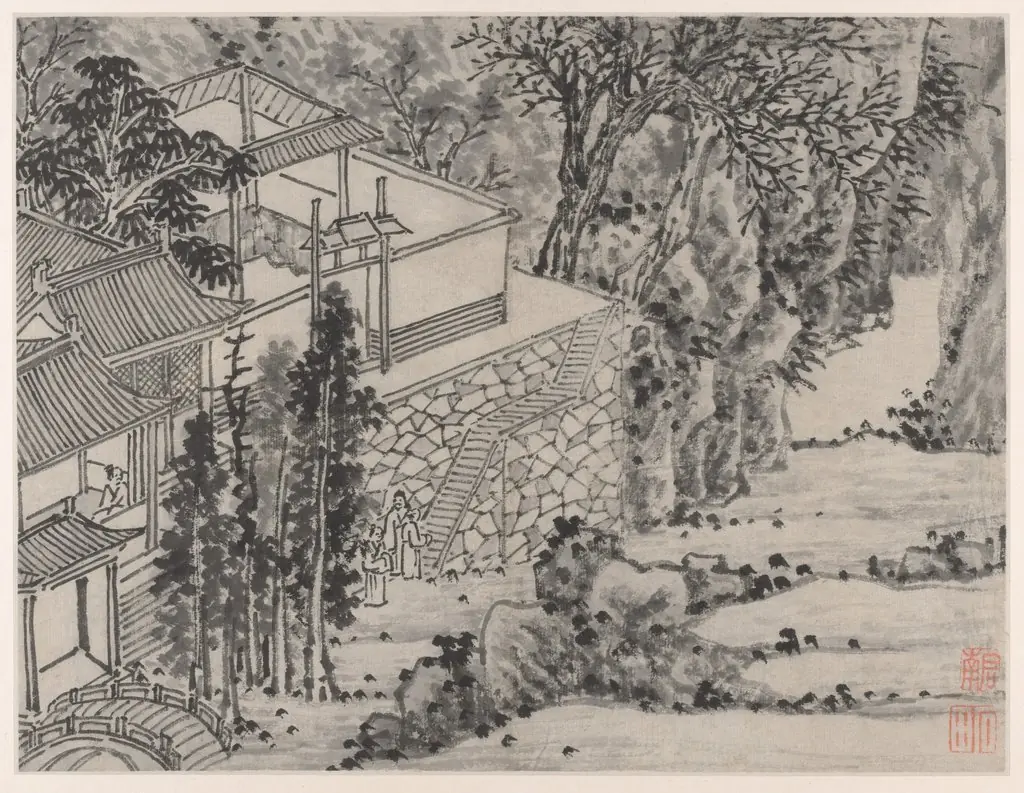 The Enlightened Stone Retreat, from Twelve Views of Tiger Hill, Suzhou
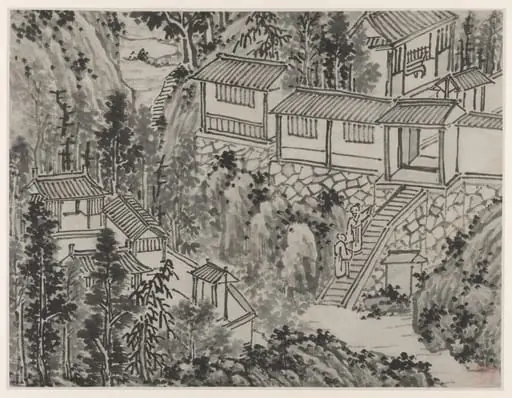 The Pine Retreat, from Twelve Views of Tiger Hill, Suzhou
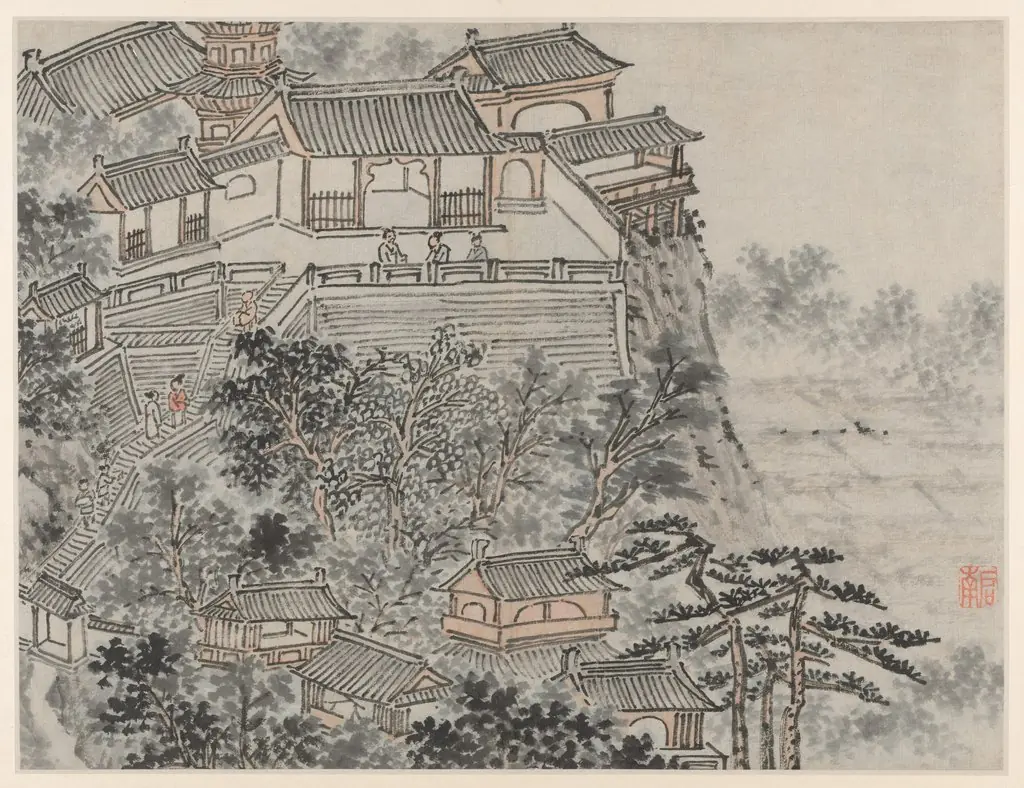 The Five Sages Terrace, from Twelve Views of Tiger Hill, Suzhou
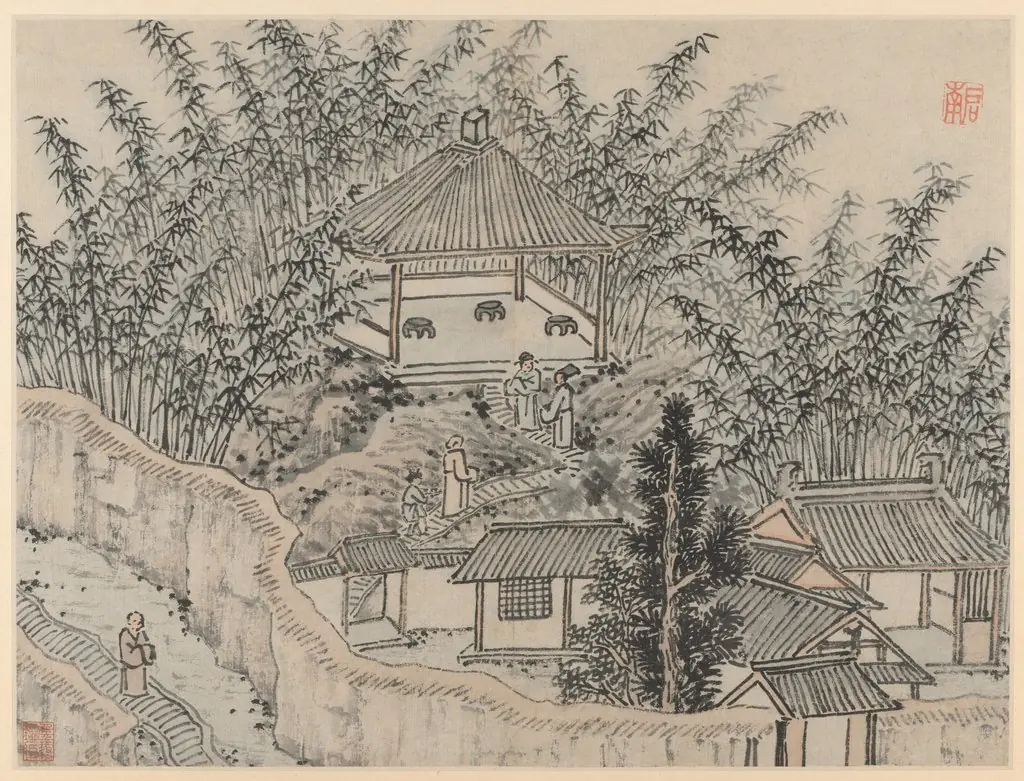 Bamboo Pavilion, Tiger Hill, from Twelve Views of Tiger Hill, Suzhou
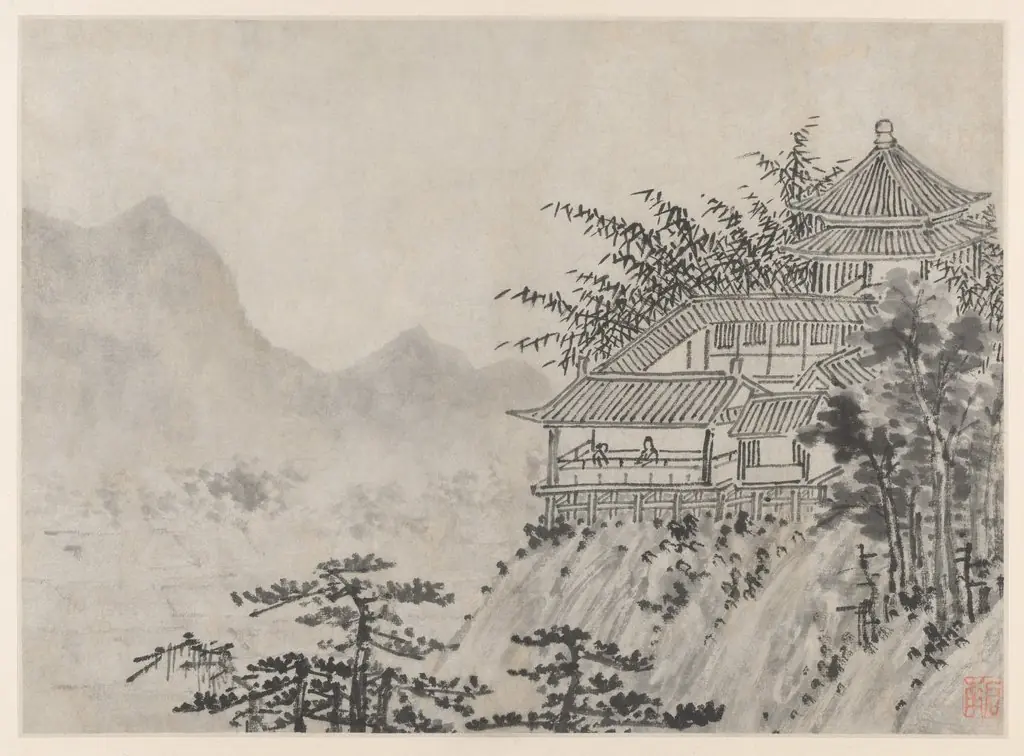 The Thousand Acres of Clouds, from Twelve Views of Tiger Hill, Suzhou
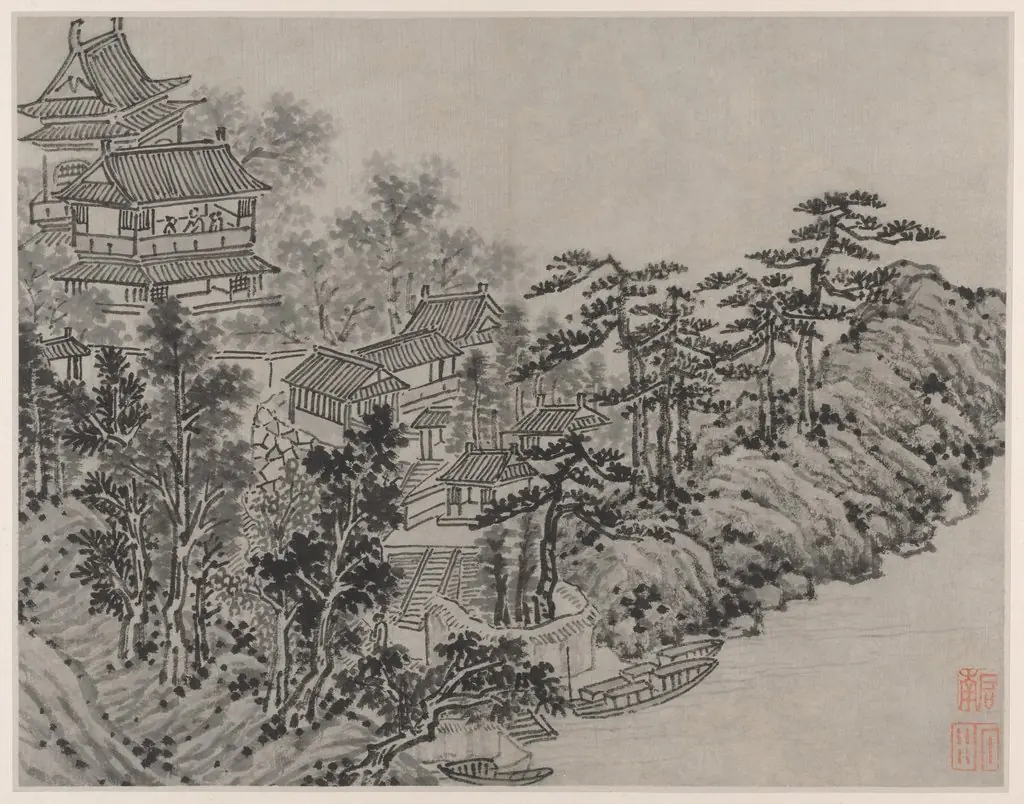 Cloud-Climbing Pavilion, from Twelve Views of Tiger Hill, Suzhou
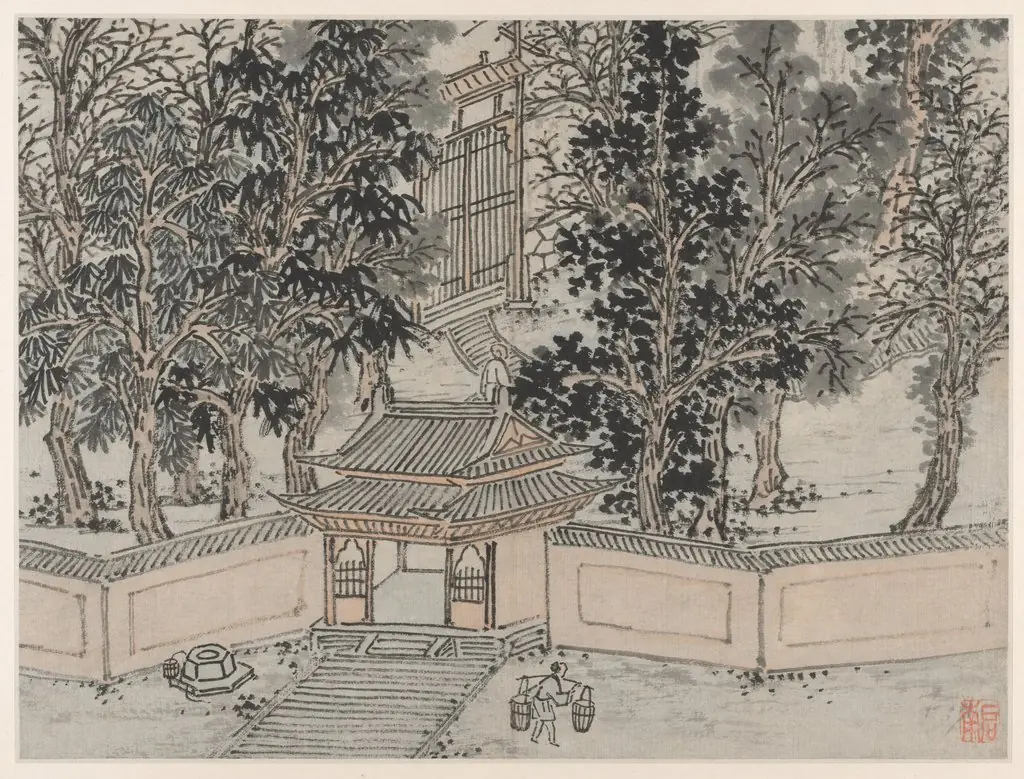 Tiger-Flight Spring at the Back Gate, from Twelve Views of Tiger Hill, Suzhou
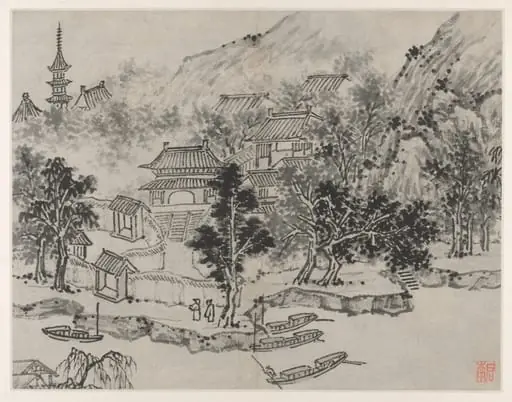 Distant View of Tiger Hill from the Canal Mooring, from Twelve Views of Tiger Hill, Suzhou
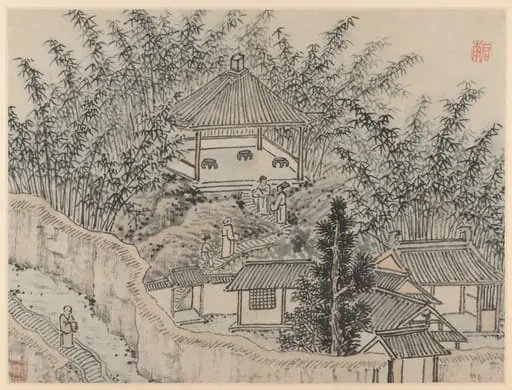 Bamboo Pavilion, Tiger Hill, from Twelve Views of Tiger Hill, Suzhou
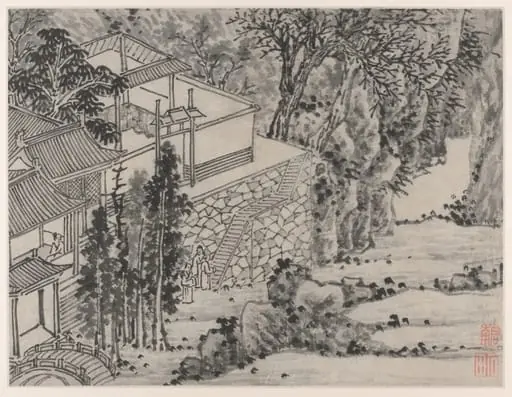 The Enlightened Stone Retreat, from Twelve Views of Tiger Hill, Suzhou
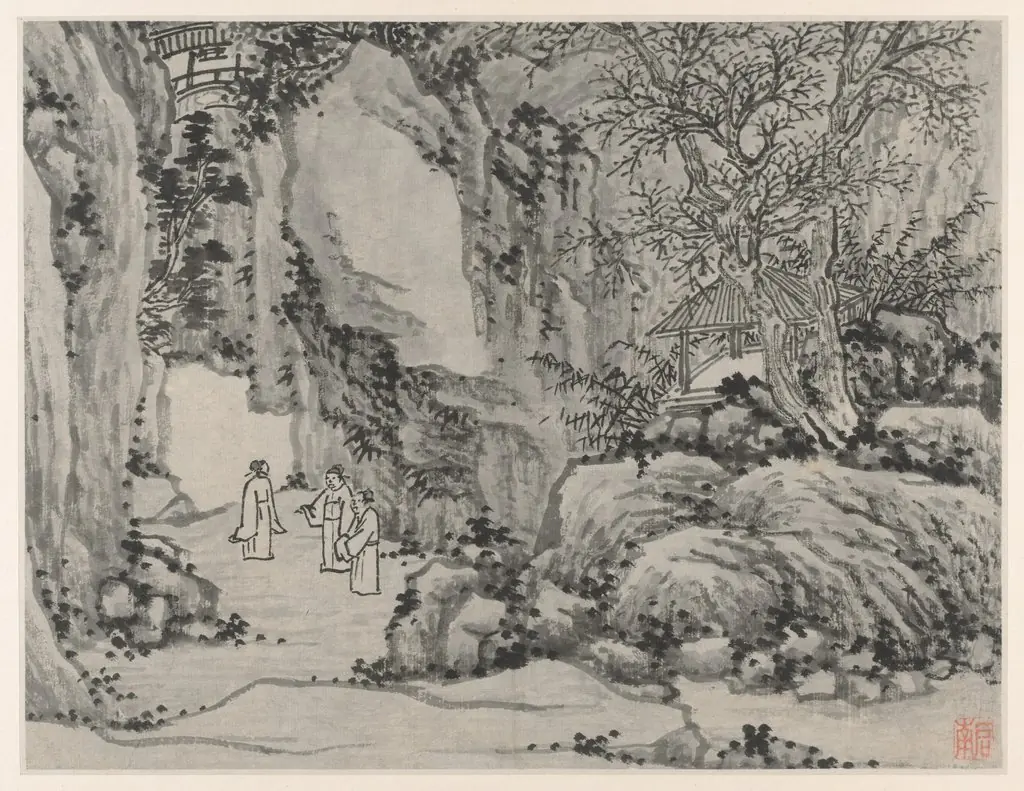 The Sword Spring, Tiger Hill, from Twelve Views of Tiger Hill, Suzhou