Artwork
Commentary on Growing a Beard

Commentary on Growing a Beard is an unspecified painting by the Chinese Orthodox School artist Shen Zhou. It dates from 1477 and is held in the collection of the National Palace Museum.
About this work
Overview
The piece resides in the National Palace Museum, reflecting Shen Zhou’s interest in merging poetry, calligraphy, and painting into a unified artistic statement.
Created around 1477 by the Ming dynasty artist Shen Zhou, this work is a painted simulation of a written commentary on beard growth. Executed in ink on paper, it mimics the appearance of a handwritten text, blending literary expression with visual art. The piece resides in the National Palace Museum, reflecting Shen Zhou’s interest in merging poetry, calligraphy, and painting into a unified artistic statement.
Subject & Meaning
The subject is a personal reflection on the act of growing a beard, likely infused with Confucian or Daoist undertones about self-cultivation and natural development. Though the exact wording remains inaccessible to non-readers of classical Chinese, the tone suggests introspection, possibly commenting on aging, identity, or social expectations. The choice of topic reveals Shen Zhou’s tendency to elevate mundane observations into philosophical musings.
Technique & Style
Shen Zhou rendered the text in fluent, expressive brushwork using black ink on a pale beige paper ground. The strokes vary in thickness and speed, demonstrating mastery of calligraphic rhythm. Rather than depicting a scene, he focused on the aesthetic presence of writing itself—its form, movement, and materiality—blurring the boundary between text and image as a deliberate artistic strategy.
History & Provenance
The work has been part of imperial collections since the Ming era and was later transferred to the National Palace Museum in Taipei following the relocation of artifacts in the 20th century. Its survival in near-original condition reflects its valued status among collectors who appreciated literati art for its intellectual and aesthetic subtlety rather than decorative appeal.
Context
In late 15th-century China, scholar-artists like Shen Zhou rejected courtly grandeur in favor of personal, introspective expression. This piece aligns with the literati tradition, where writing and painting were seen as extensions of moral character. The choice to depict a commentary on something as ordinary as facial hair underscores a cultural preference for quiet, reflective subjects over overt spectacle.
Legacy
Shen Zhou’s integration of text and image in this work influenced later generations of literati painters who saw calligraphy not merely as communication but as visual poetry. The piece exemplifies how personal, seemingly trivial reflections could carry profound cultural weight, reinforcing the idea that artistic value resided in sincerity and refinement rather than subject matter alone.
Artist & collection
Artist
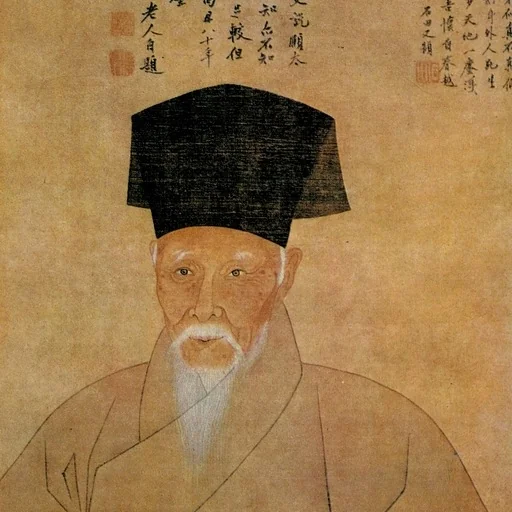
Shen Zhou spent his life in the Suzhou region of China, where his family’s money and connections mattered more than art—until it did.

 Untitled
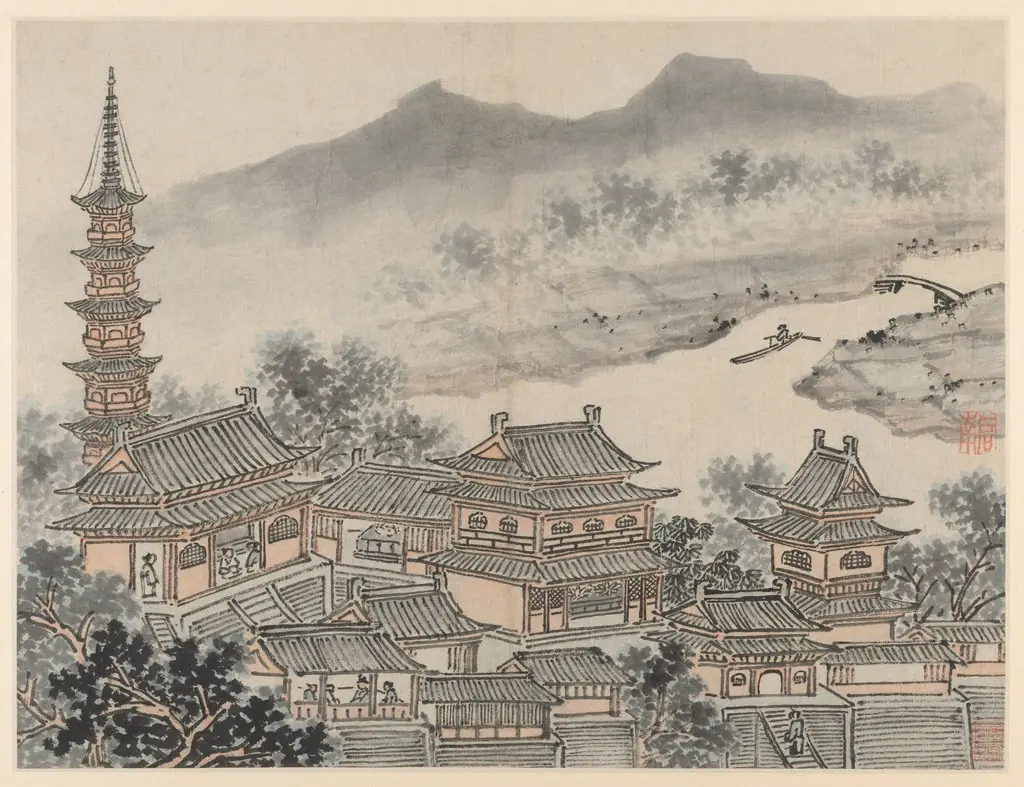 The Thousand Buddha Hall and the Pagoda of the "Cloudy Cliff" Monastery, from Twelve Views of Tiger Hill, Suzhou
 Untitled
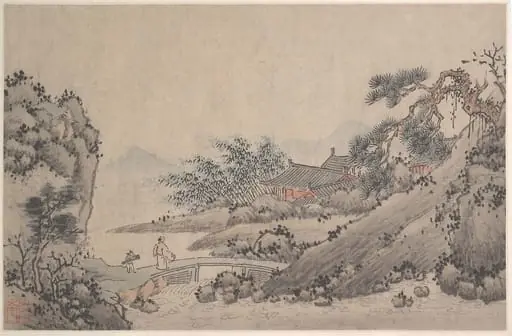 Untitled
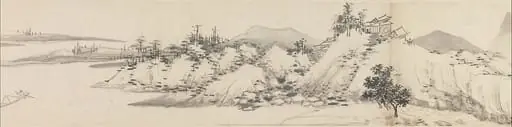 明 沈周 溪山秋色圖 卷|明 沈周 溪山秋色圖 卷明 楷書溪山秋色圖 引首|Autumn Colors among Streams and Mountains
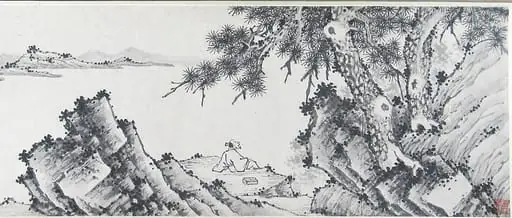 明 (倣)沈周 怡松圖 卷|Enjoying the Pines
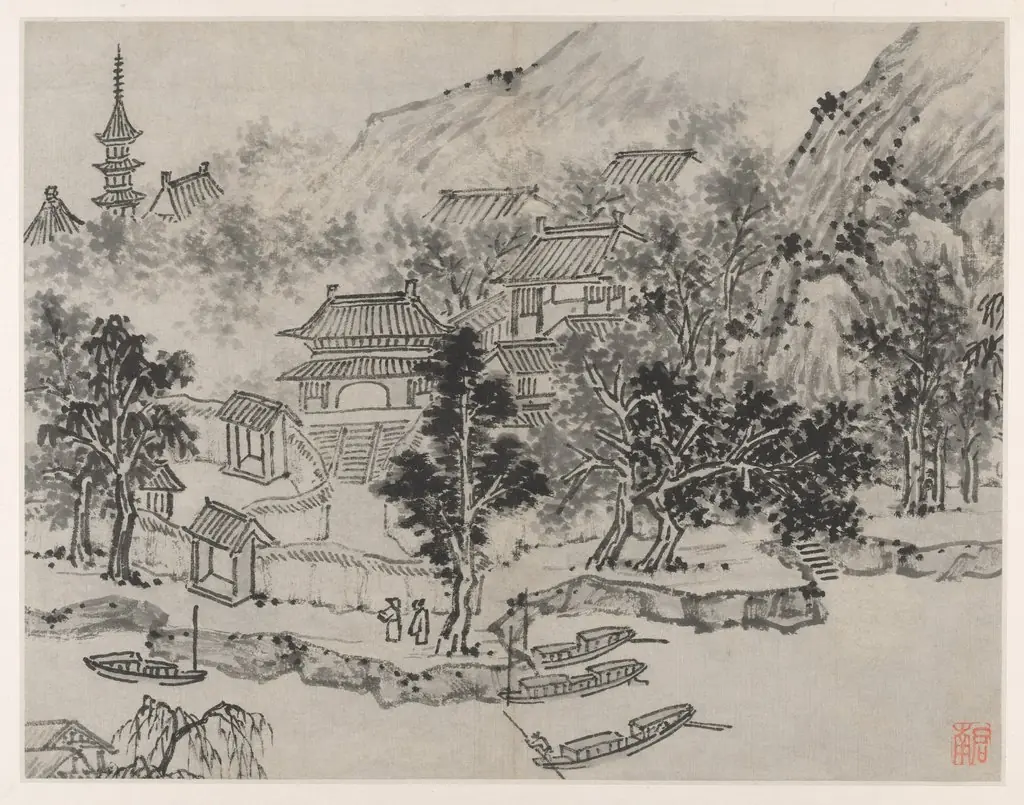 Distant View of Tiger Hill from the Canal Mooring, from Twelve Views of Tiger Hill, Suzhou
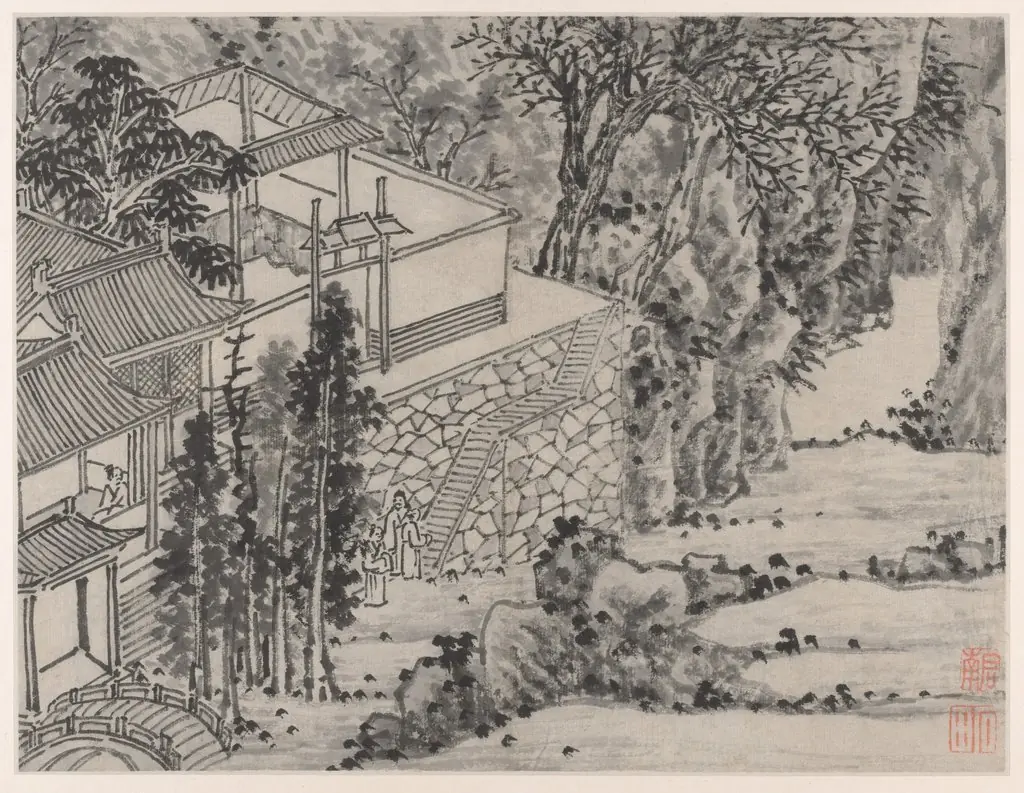 The Enlightened Stone Retreat, from Twelve Views of Tiger Hill, Suzhou
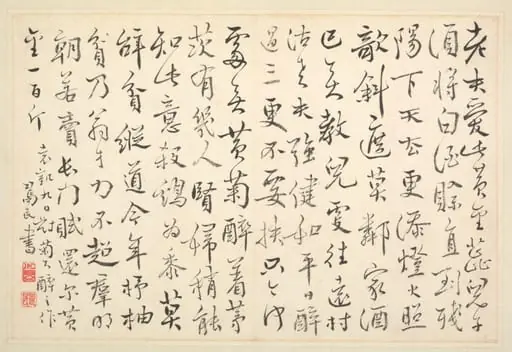 Album of Calligraphy and Paintings
 Chinese Poem: Seven-character-quatrain
 Reflections of Priest Foyen
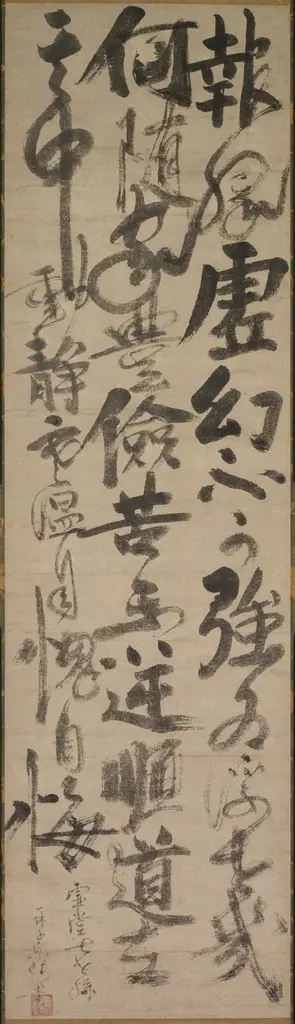 Reflections of Priest Foyen
 Landscape with Bamboo
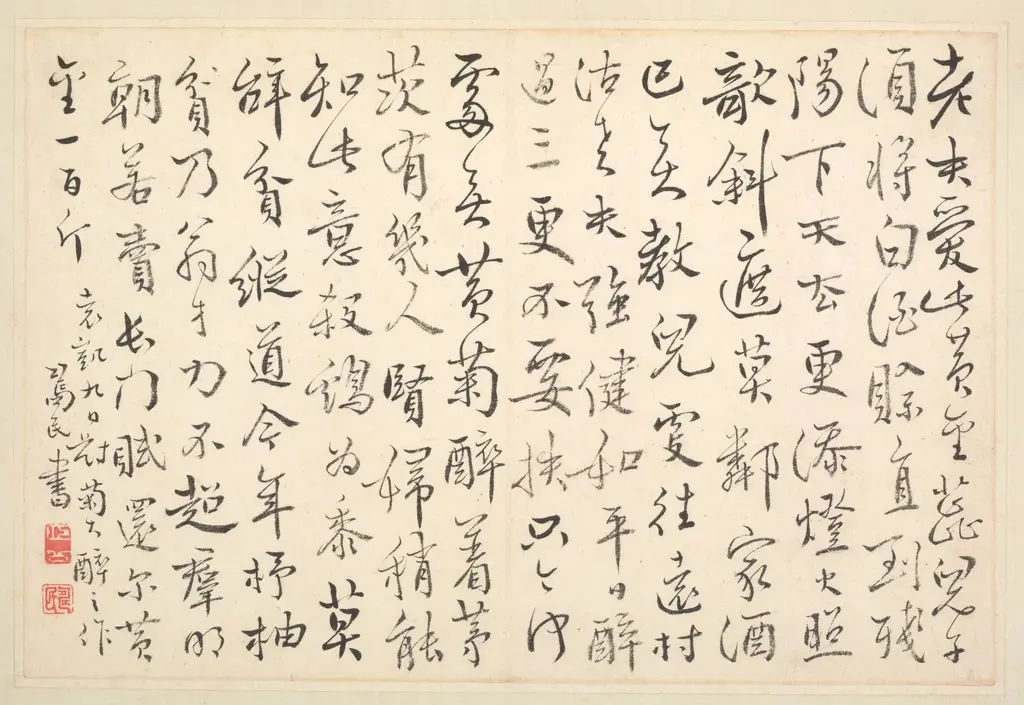 Album of Calligraphy and Paintings
 Calligraphy (reverse)
 Landscape with Bamboo
 Untitled
 Poem (The Hermit Does Not Sleep at Night)
 Untitled
 Account of the Three Springs of Jiangsu Province in China