Artwork
View of Aylesbury, Bucks
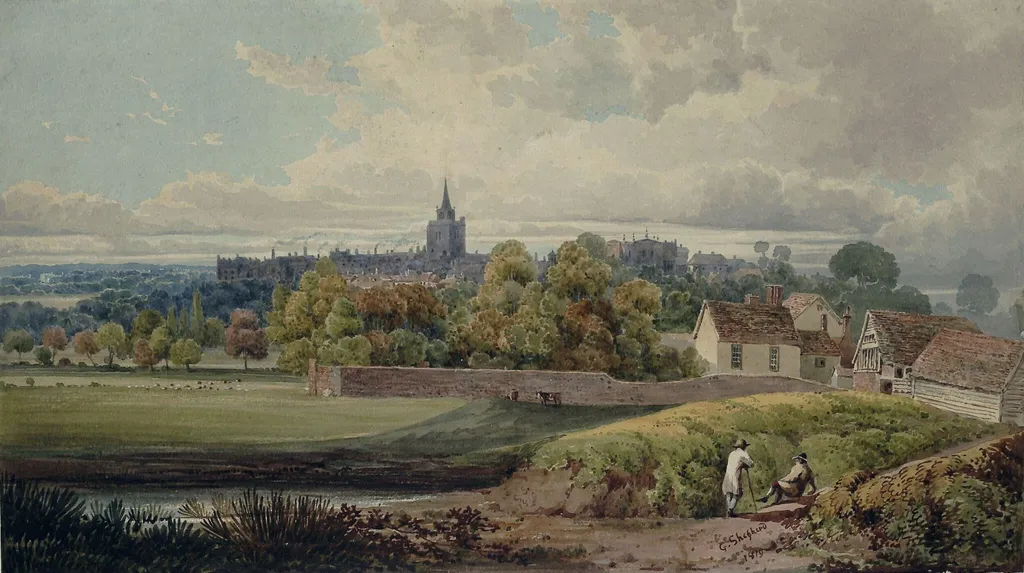
View of Aylesbury, Bucks is a watercolor work on paper by the British Romanticist artist George Shepherd. It dates from 1819 and is held in the collection of the Victoria and Albert Museum.
About this work
Overview
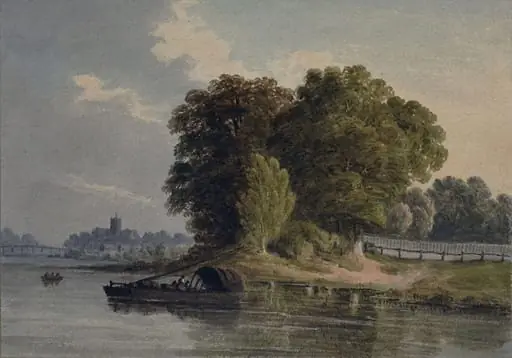
Painted in 1819, this watercolour by George Shepherd captures a quiet rural scene near Aylesbury in Buckinghamshire. The composition presents the town nestled behind rolling fields, with domestic and agricultural elements arranged to suggest daily life. Shepherd’s precise brushwork and muted palette convey a sense of stillness, characteristic of his topographical approach to landscape.
Subject & Meaning
The scene includes farmworkers, grazing sheep, and scattered farm buildings, emphasizing the agricultural rhythm of early 19th-century England. St. Mary’s Church rises as the only vertical structure in the background, anchoring the settlement visually. Smoke from chimneys hints at domestic industry, balancing pastoral serenity with the quiet encroachment of urban life.
Technique & Style
Shepherd employed transparent watercolour washes to build subtle tonal gradations, particularly in the sky and foliage. Fine linework defines architectural details and figures, while layered greens and browns create depth in the landscape. The monogram, signature, and dated inscription are integrated into the composition, reflecting the artist’s attention to documentary accuracy.
History & Provenance
The work was completed during a period when Shepherd was actively documenting English towns and countryside, often commissioned by local patrons. Its survival with original inscriptions suggests it was preserved as a personal record or gift. No major public collection records its early ownership, but it aligns with his known body of topographical watercolours from the 1810s.
Context
Created during the height of Romanticism, the painting avoids dramatic sentiment, instead favoring quiet observation. While contemporaries like Turner emphasized emotion in nature, Shepherd focused on place as lived experience. The presence of smoke and buildings reflects a Britain transitioning between agrarian tradition and early industrialization.
Legacy
Shepherd’s work contributed to a genre of topographical art that valued accuracy over idealization. Though less celebrated than his Romantic peers, his watercolours remain valuable records of English rural life before widespread urban change. This piece exemplifies his role as a meticulous observer rather than a visionary interpreter.
Artist & collection
Artist
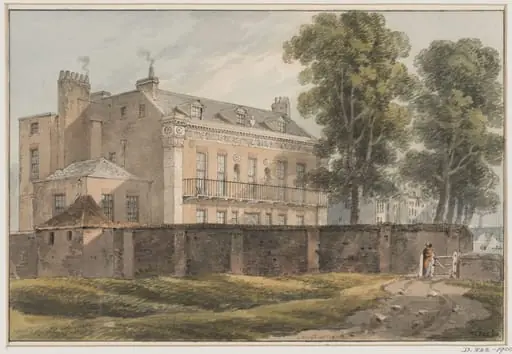
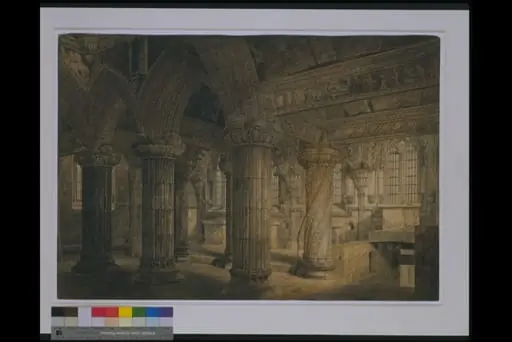
George Shepherd’s watercolours document 18th-century Britain in crisp detail. They show Aylesbury’s spires, the lost Peterborough House on the Thames, the twisting stone of Roslin Chapel, and quiet corners of Rye and…

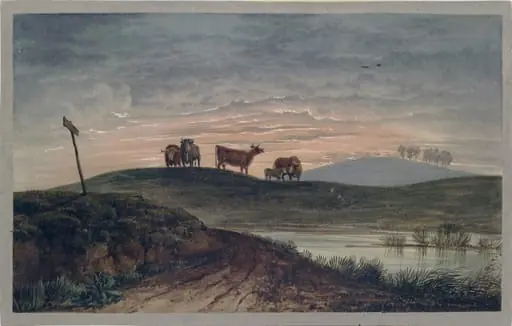
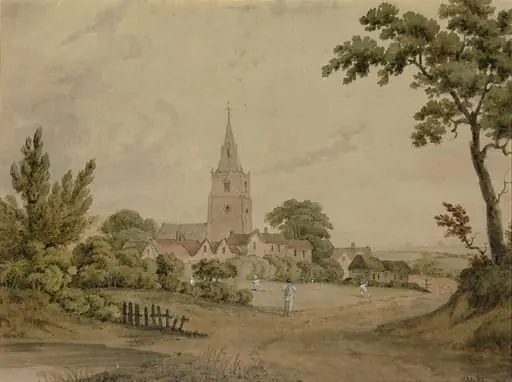 Village church and green
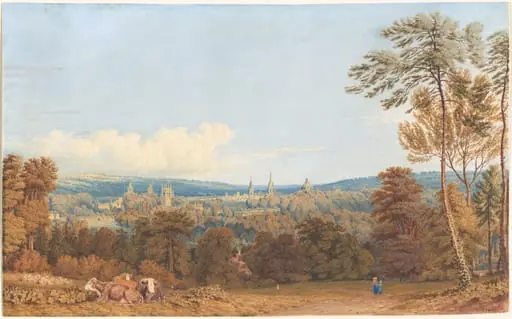 View of Oxford from Headington Hill
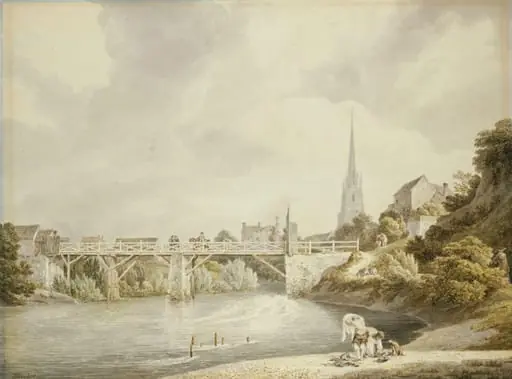 Bridge at Monmouth, with St. Mary's Church in the background
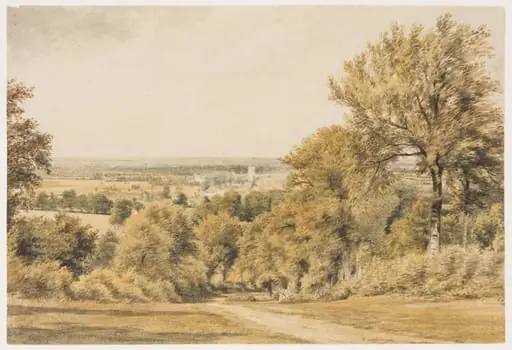 Edgware
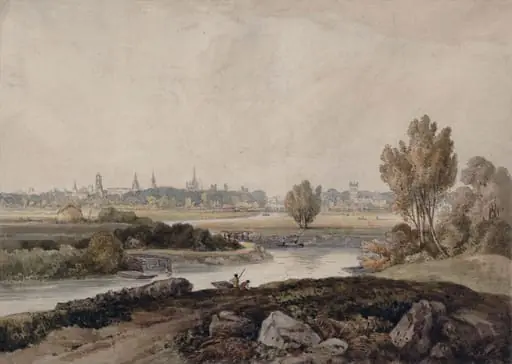 Oxford from Iffley
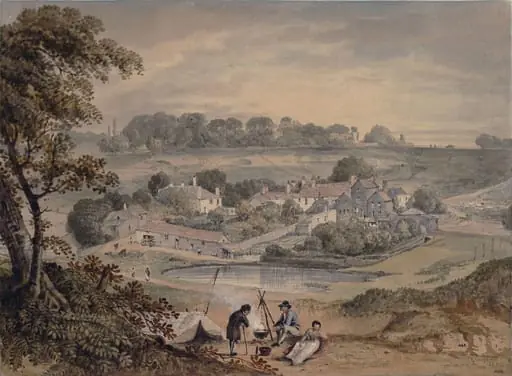 The Vale of Health, Hampstead
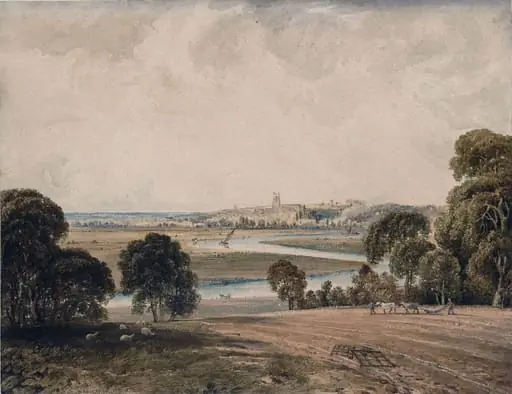 Landscape with winding river
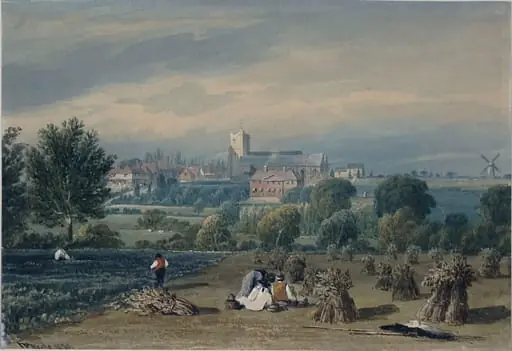 Staplehurst, Kent
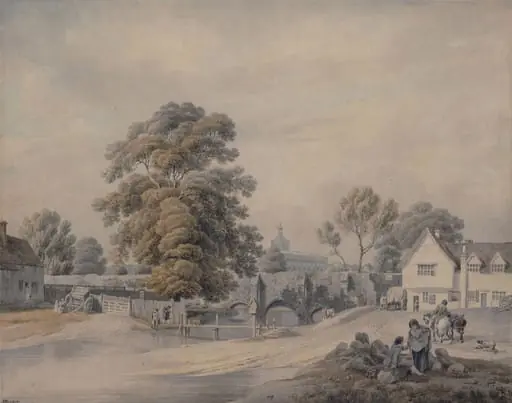 Abbot's Bridge, Bury St. Edmunds
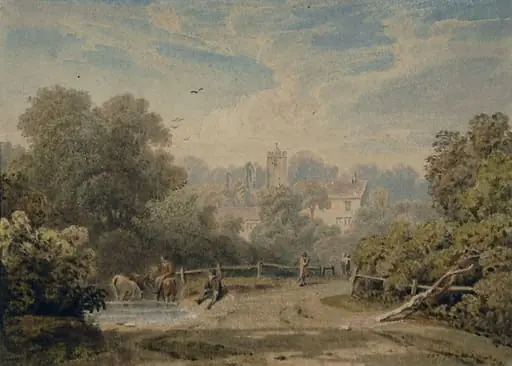 Crowhurst near Hastings
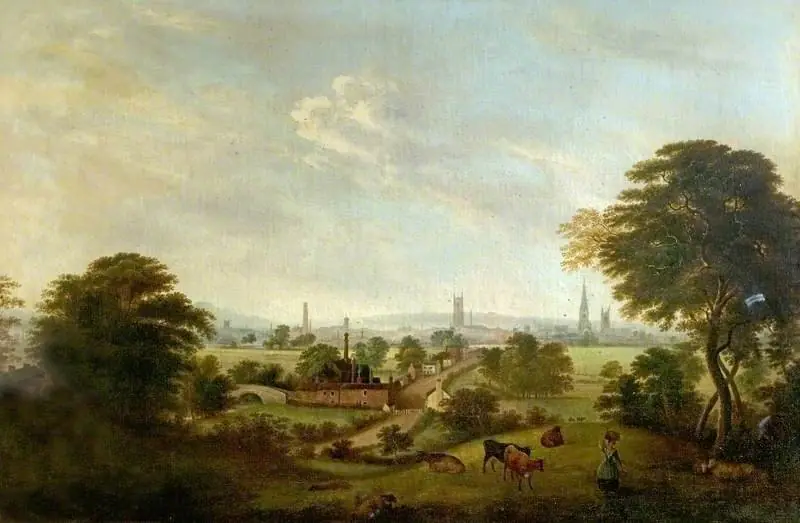 View of Derby from Nottingham Road
 View on the Thames near Battersea Bridge