Artwork
Moses and the Daughters of Jethro
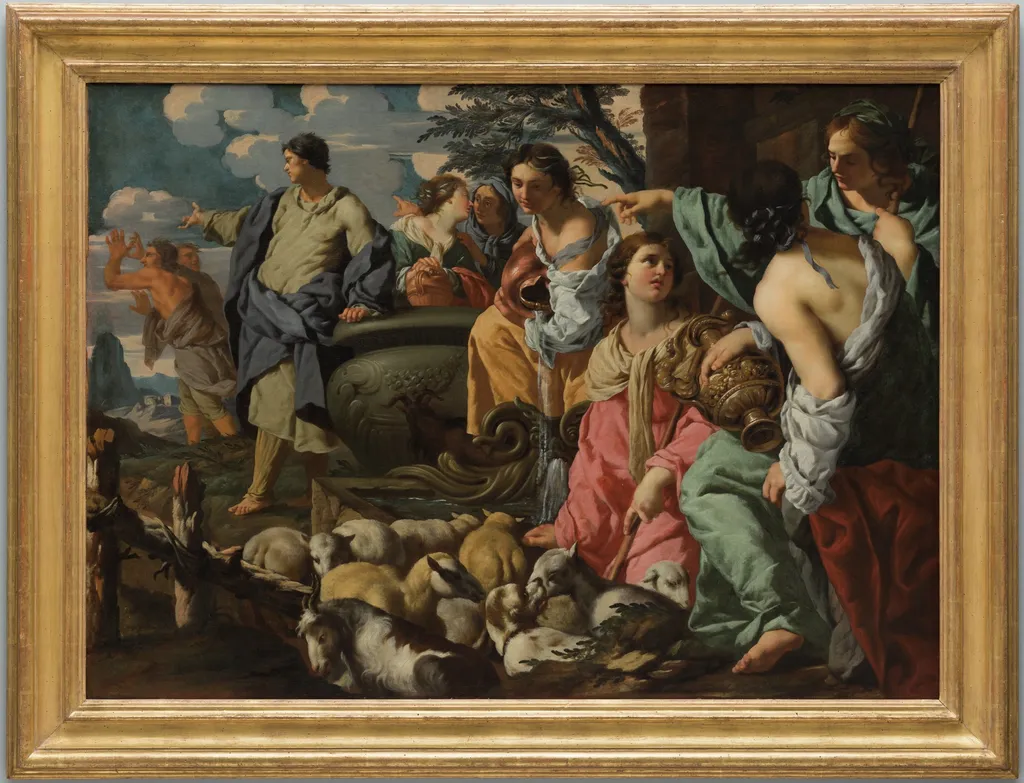
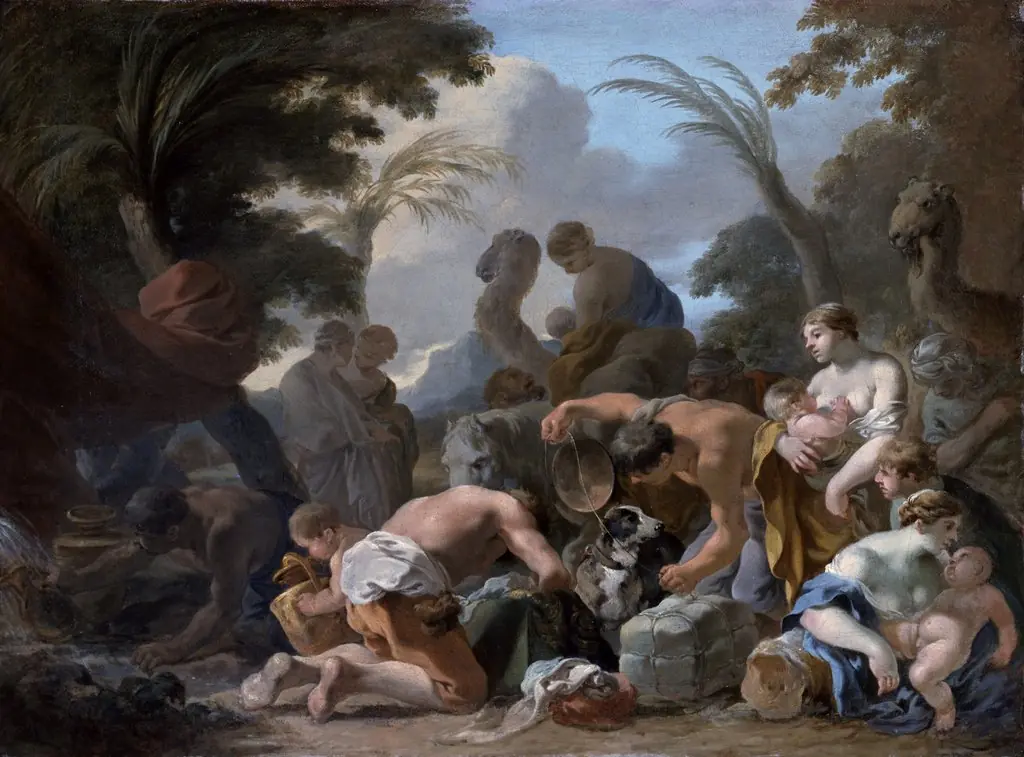
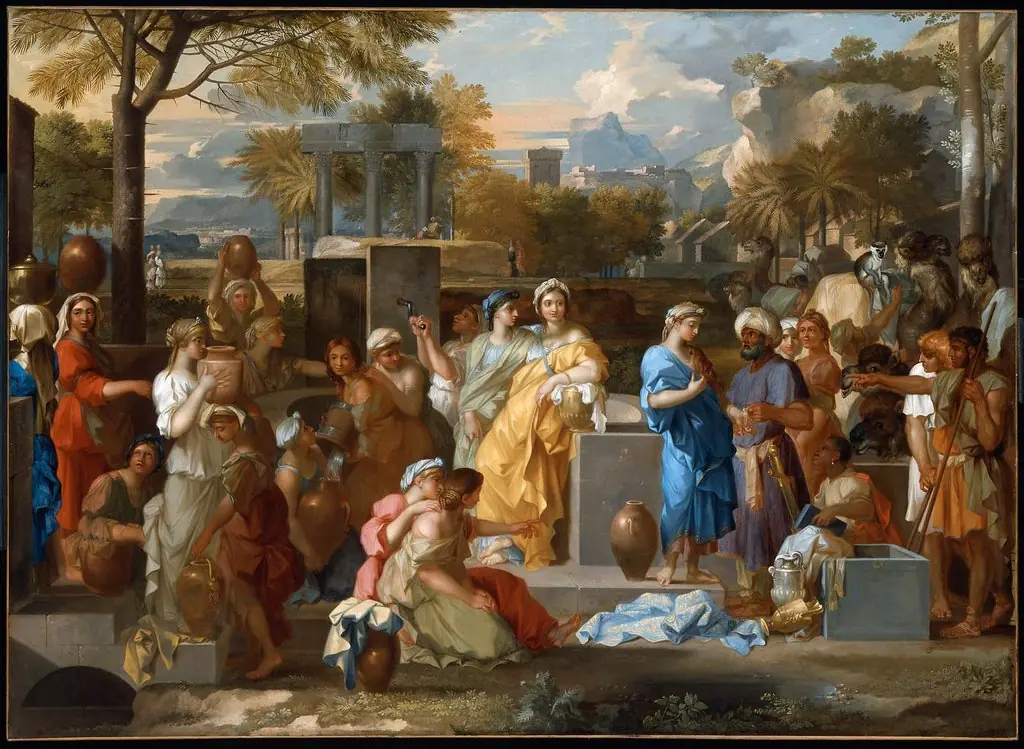
Moses and the Daughters of Jethro is an oil painting by the Early Baroque Italian artist Sigismondo Coccapani. It dates from 1630 and is held in the collection of the Detroit Institute of Arts.
About this work
Overview
The composition presents a biblical episode in which Moses aids Jethro’s daughters at a well, rendered with the dramatic lighting typical of the period.
Sigismondo Coccapani, a Florentine painter active in the early seventeenth century, completed the oil work *Moses and the Daughters of Jethro* in 1630. Executed during the formative phase of Italian Baroque, the canvas now belongs to the Detroit Institute of Arts. The composition presents a biblical episode in which Moses aids Jethro’s daughters at a well, rendered with the dramatic lighting typical of the period.
Subject & Meaning
The scene draws from Exodus, showing Moses drawing water for the daughters of the Midianite priest Jethro. By emphasizing the act of service, the painting underscores themes of hospitality and divine providence. The central female figure, illuminated and holding a ram’s head, anchors the narrative, while the surrounding figures and livestock reinforce the everyday reality of the well’s setting.
Technique & Style
Coccapani employs chiaroscuro to model forms, contrasting bright illumination on the central woman with deeper shadows on adjacent figures. The palette combines earthy tones with a striking pink garment, creating visual focus. Brushwork is smooth, allowing detailed rendering of the rocky landscape and the clustered sheep and goats, while the cloudy sky adds atmospheric depth.
History & Provenance
After its creation in Rome, the painting entered private collections before being acquired by the Detroit Institute of Arts in the twentieth century. Coccapani’s career, shaped by his apprenticeship with Ludovico Cigoli, positioned him within the early Baroque network linking Florence and Rome, and this work reflects that artistic exchange.
Context
The early 1630s marked a period when Italian artists increasingly turned to biblical narratives to explore human emotion and divine intervention. Coccapani’s choice of a relatively obscure episode demonstrates the Baroque interest in intimate, everyday moments of scriptural stories, aligning with contemporary trends toward naturalism and theatrical composition.
Artist & collection
Artist
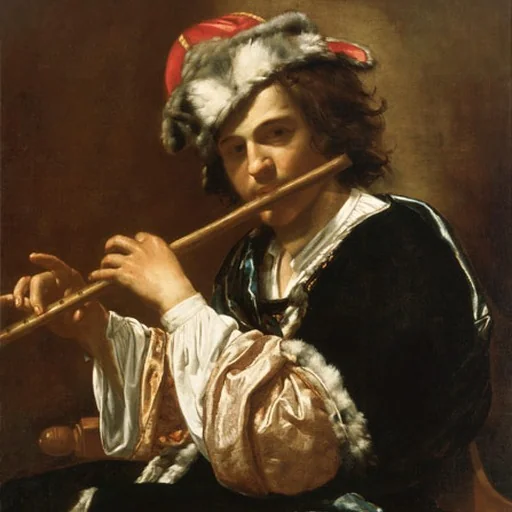
Sigismondo Coccapani (1585 - 1643) was an Italian painter of the Baroque period. Born in Florence, he studied under Ludovico Cigoli in Rome, before returning to his native city.