Artwork
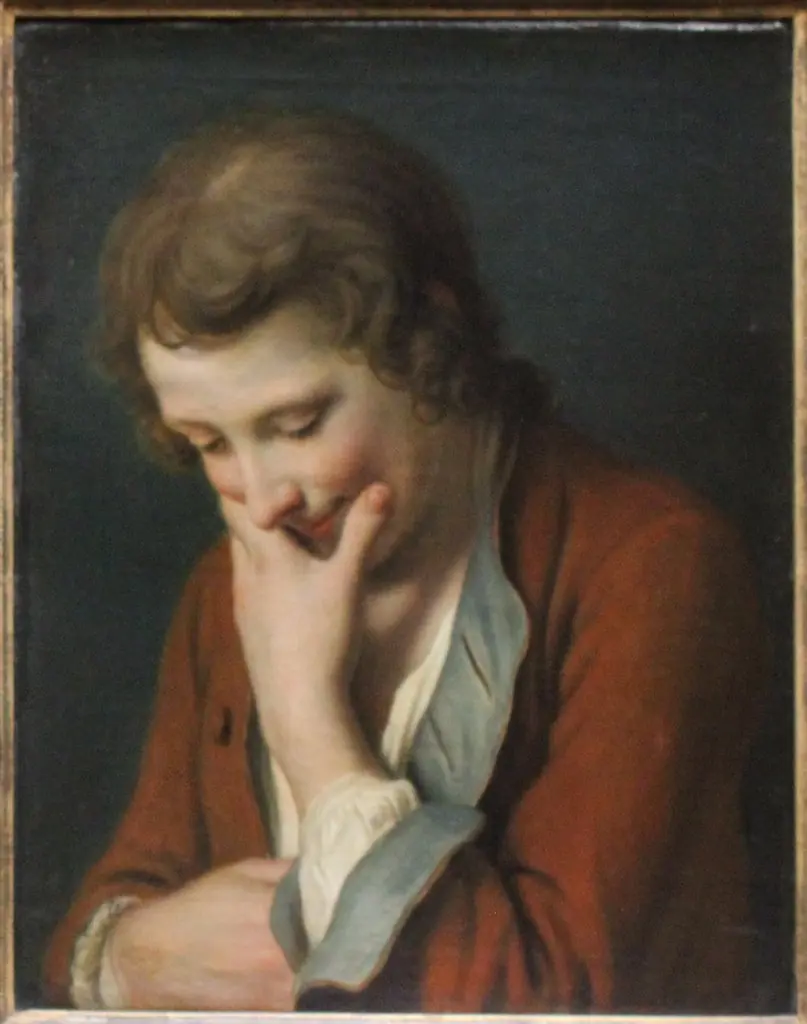
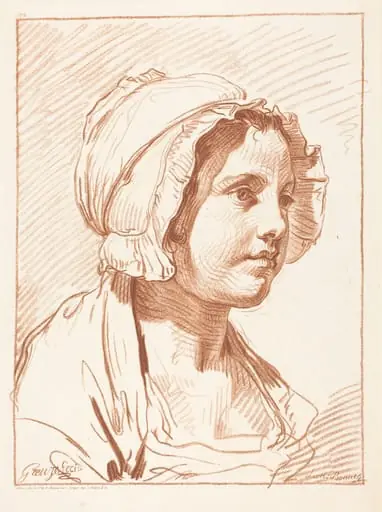
Käteensä nojaava tyttö, osa "L'accordée de village" -maalauksesta, kopio Jean-Baptiste Greuzen mukaan, osa
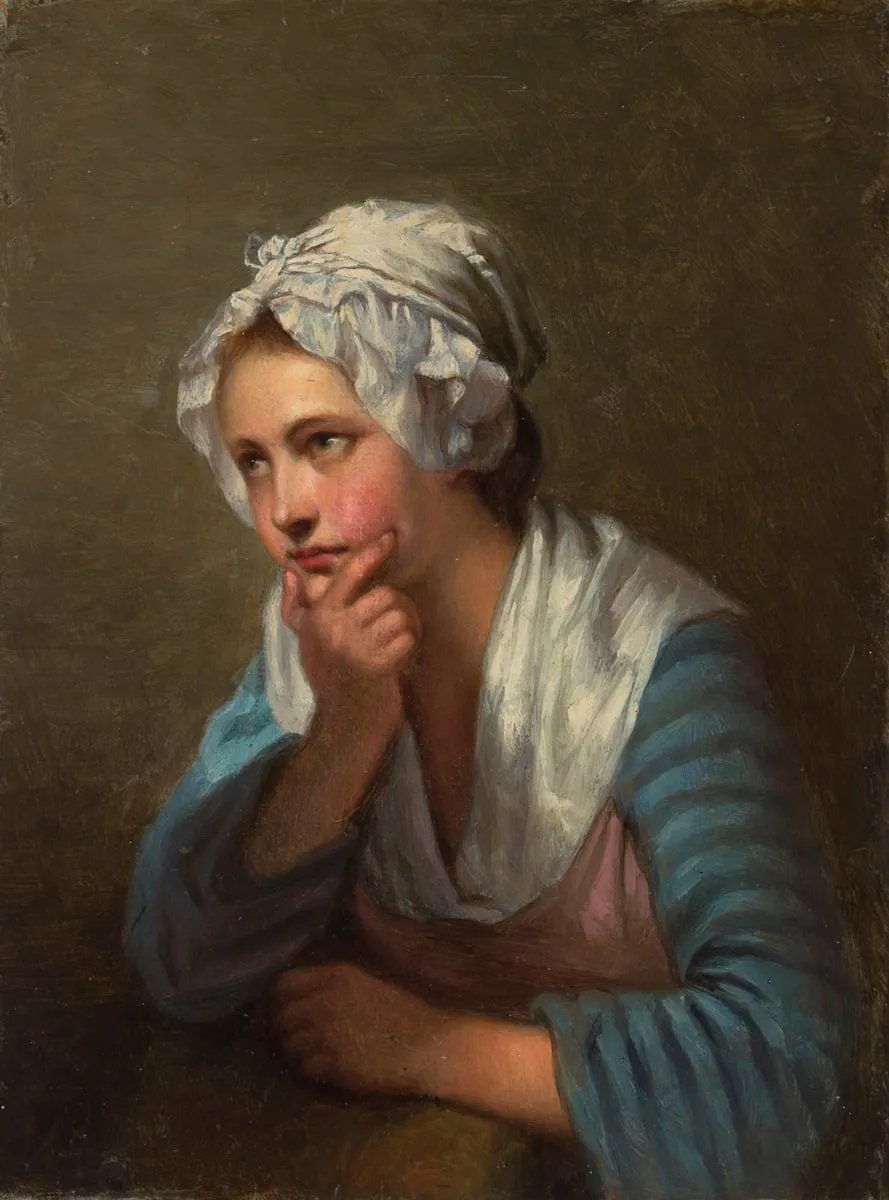
Käteensä nojaava tyttö, osa "L'accordée de village" -maalauksesta, kopio Jean-Baptiste Greuzen mukaan, osa is an unspecified painting by Ida Silfverberg. It is held in the collection of the Finnish National Gallery. The work depicts a young woman seated, her chin resting on a hand, dressed in a blue gown with a white collar and a lace‑trimmed white cap.
About this work
Overview
The work depicts a young woman seated, her chin resting on a hand, dressed in a blue gown with a white collar and a lace‑trimmed white cap. A dark, unadorned backdrop isolates the figure, emphasizing her contemplative expression. Though presented as an original, the image is a copy after a composition by Jean‑Baptiste Greuze.
Subject & Meaning
The solitary figure, poised in a moment of quiet reflection, conveys a sense of introspection common to genre scenes of the eighteenth century. The modest attire and serene demeanor suggest domestic virtue and the private world of a village girl, aligning with the sentimental tone of Greuze’s original narrative.
Technique & Style
Rendered in oil on canvas, the copy reproduces the soft modeling of flesh and delicate handling of fabric characteristic of Greuze’s style. The limited palette—muted blues, whites, and deep shadows—creates a restrained atmosphere, while the careful rendering of lace and the cap’s texture demonstrates the copyist’s attention to detail.
History & Provenance
The piece is attributed to Ida Silfverberg, a Finnish artist known for producing faithful reproductions of European masterpieces. It forms part of a series titled “L’accordée de village,” which consists of copies after Greuze’s works, indicating a practice of study and dissemination of his compositions during the nineteenth century.
Context
Copying esteemed works was a recognized method of artistic training and cultural transmission in the 1800s. Silfverberg’s replication of Greuze’s sentimental genre scene reflects both the popularity of his subjects and the demand for accessible versions among collectors and institutions outside France.
Artist & collection
Artist
Ida Silfverberg spent her life quietly copying other artists—Dutch genre scenes, Italian card-players—like a painterly magpie.

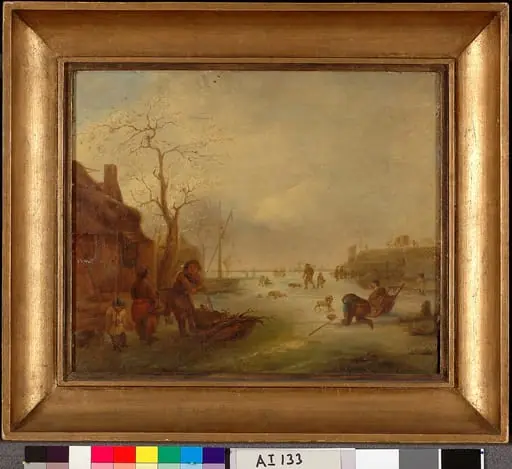 Luistelijoita Hollannissa, kopio Isaac van Ostaden mukaan
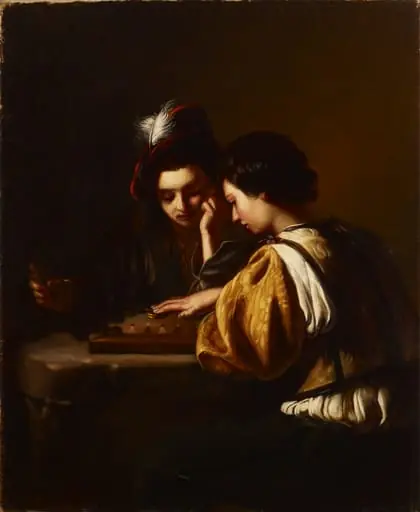 Lautapelin pelaajat, kopio Bartolomeo Manfredin mukaan, osa
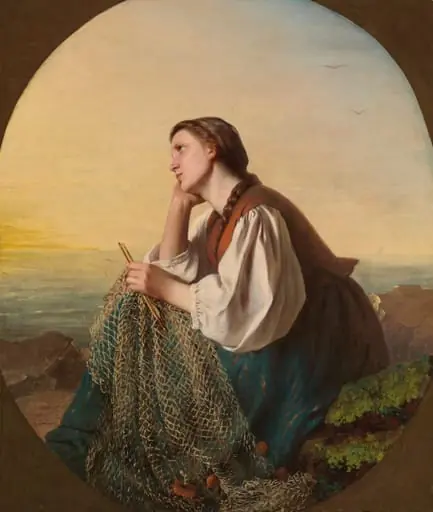 Nuotankutojatar
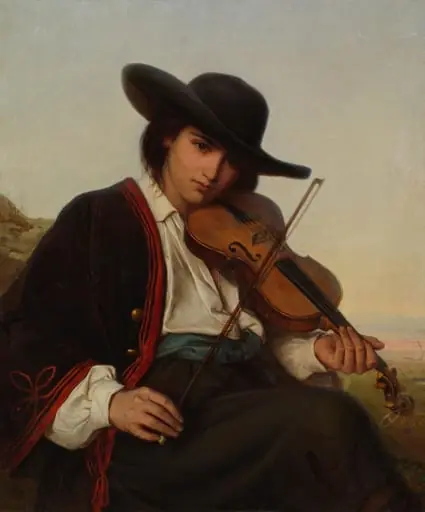 Böömiläinen viuluniekka
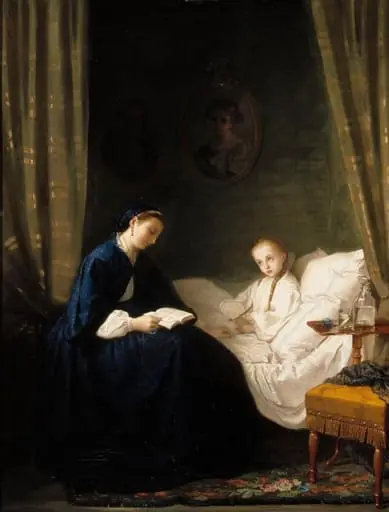 Äiti lukee sairaalle lapselleen
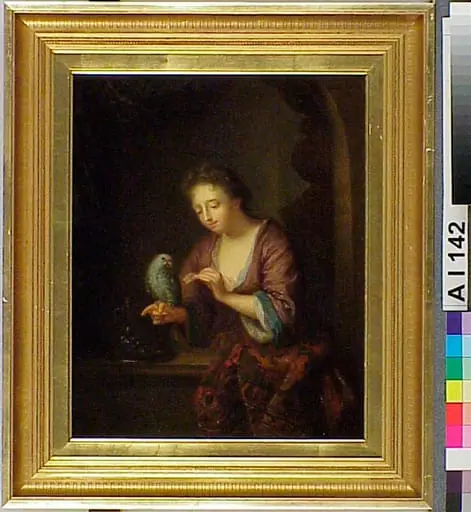 Papukaijaa ruokkiva nainen, kopio Arnold Boonenin mukaan
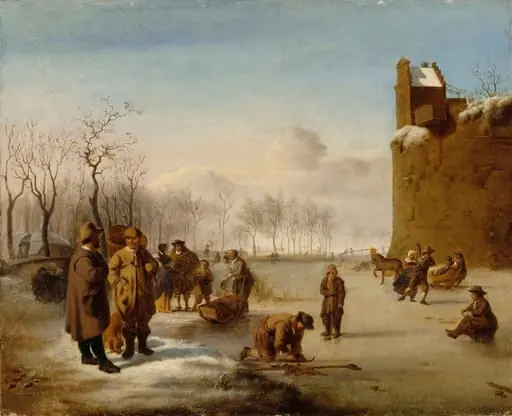 Luistelijoita, kopio Adriaen van de Velden mukaan
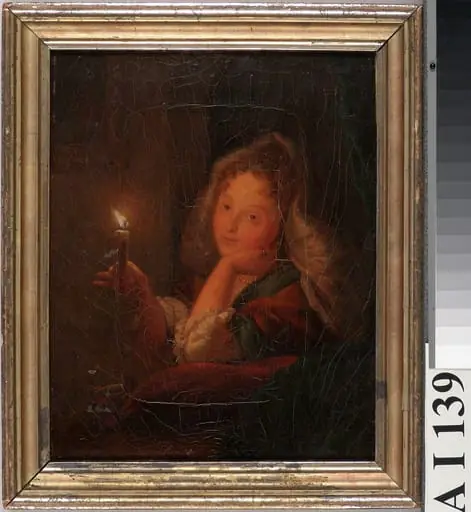 Nuori tyttö kynttilä kädessä, kopio Gottfried Schalckerin mukaan