Artwork
Sea-piece, a calm
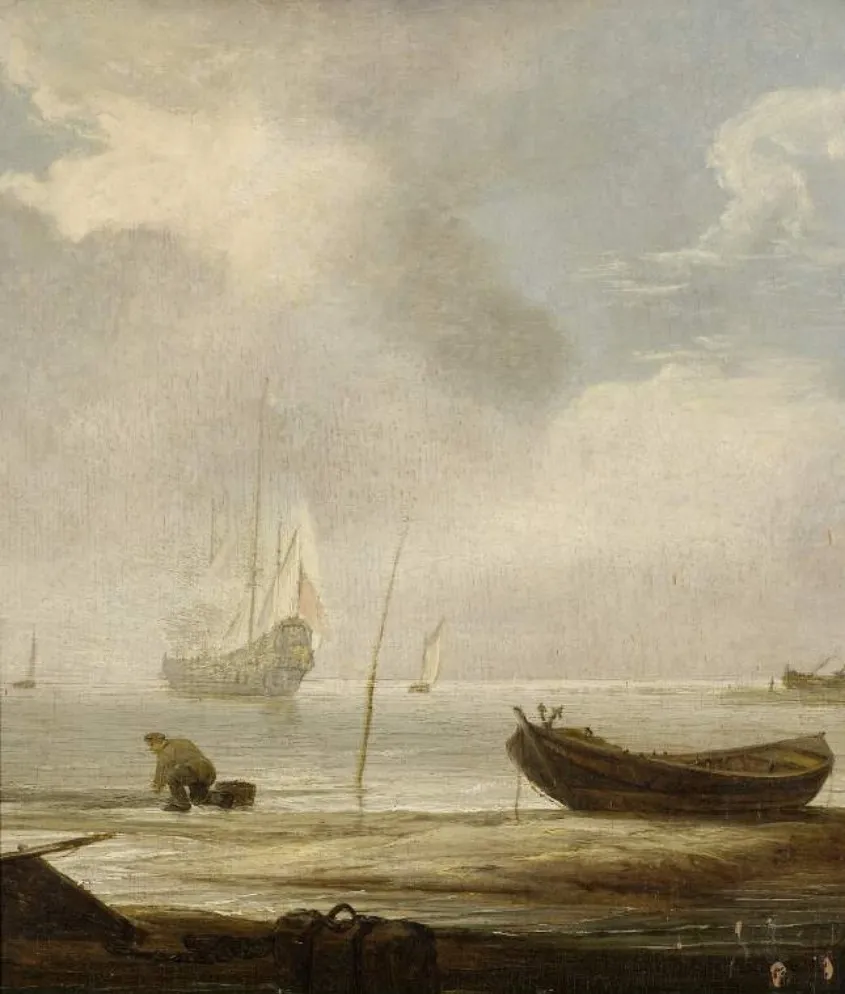
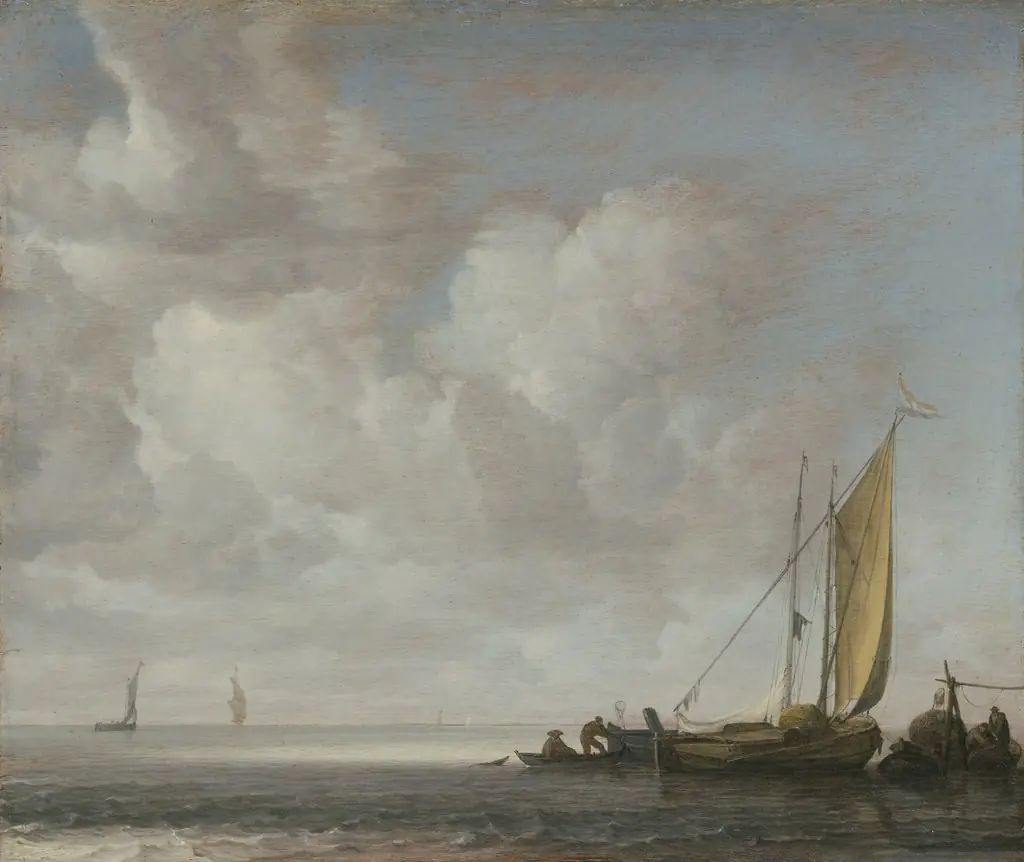
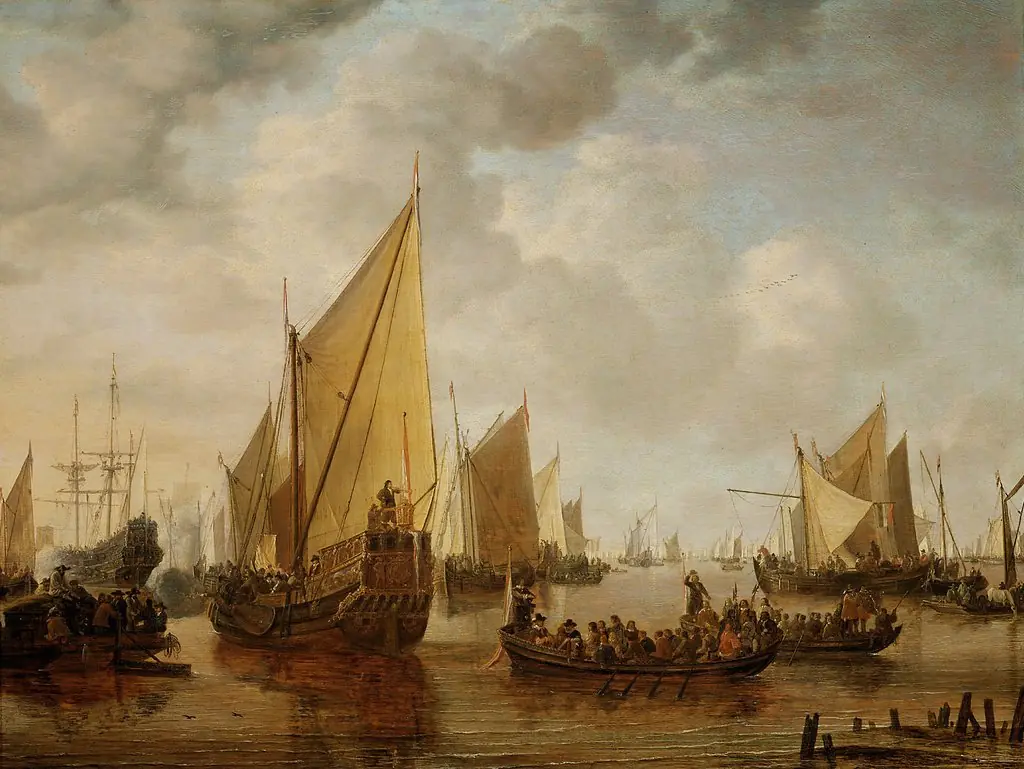
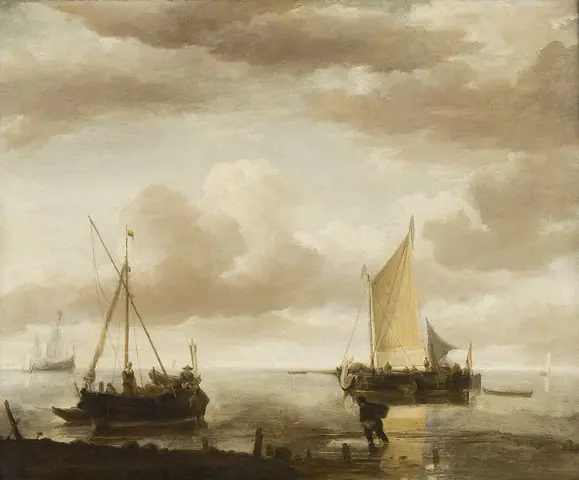
Sea-piece, a calm is an oil painting by the Dutch Golden Age artist Simon de Vlieger. It dates from 1637 and is held in the collection of the Fitzwilliam Museum.
About this work
Overview
The painting reflects de Vlieger’s focus on sea and coastal life, distinguishing him among contemporaries who favored dramatic storms or bustling ports.
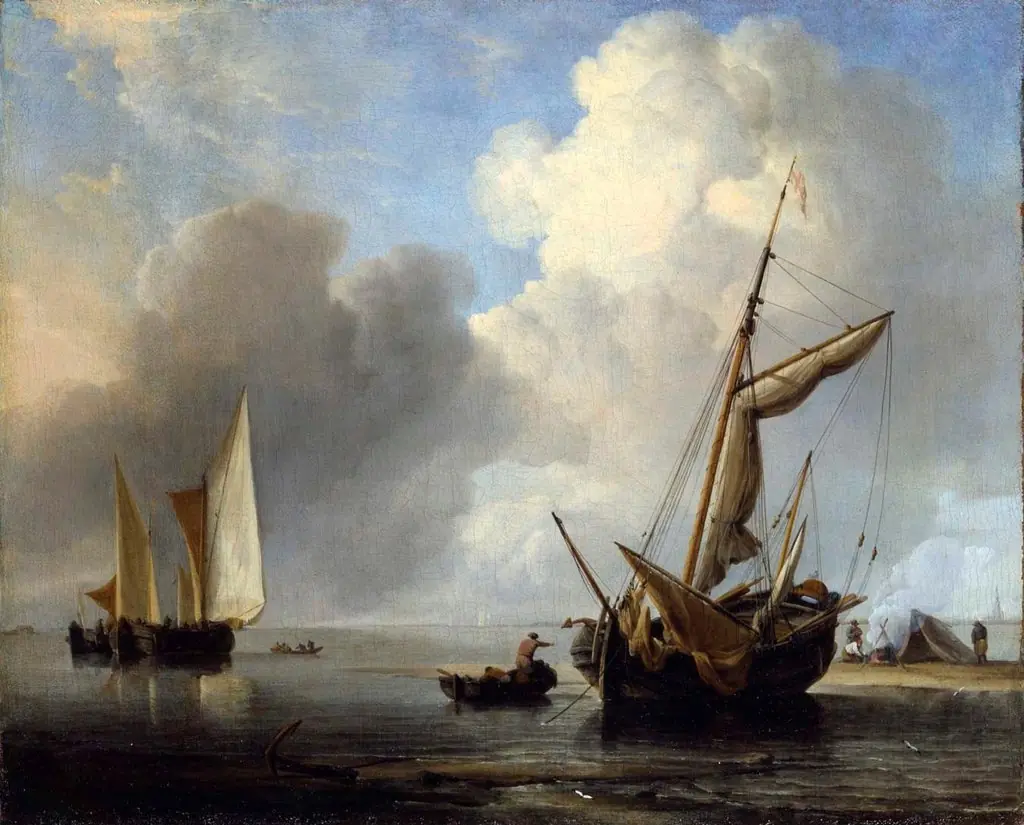
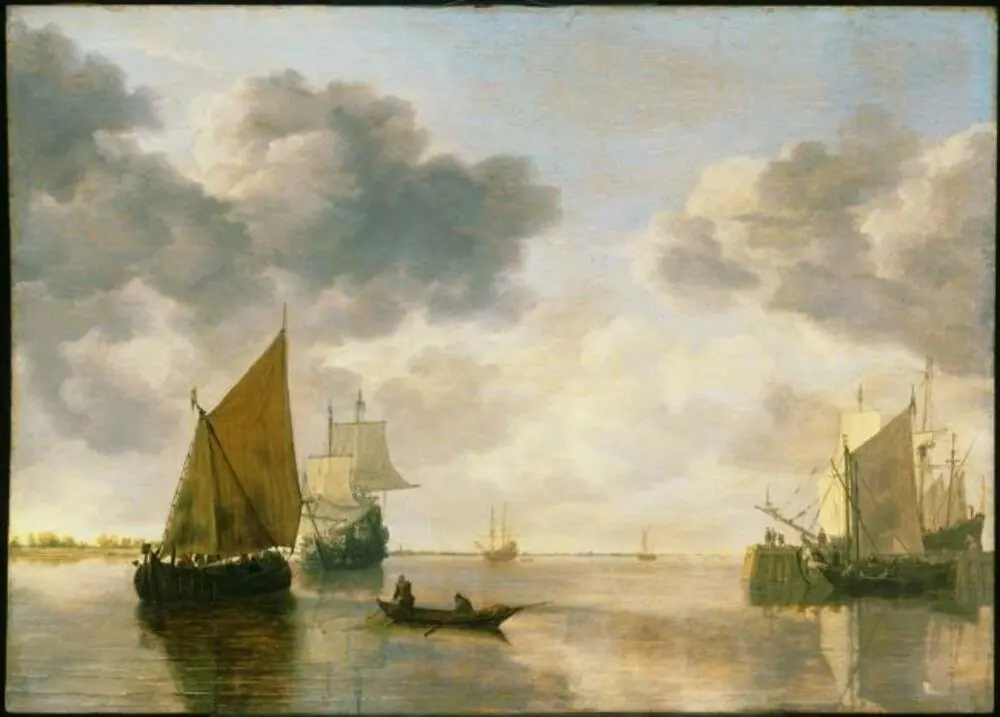
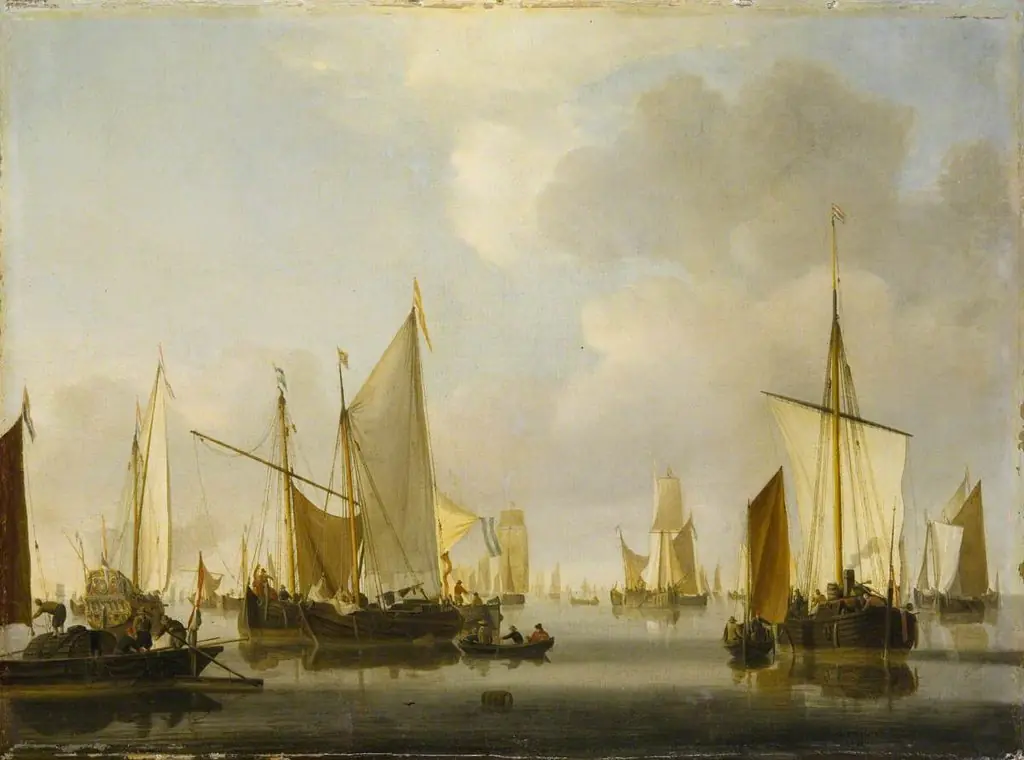
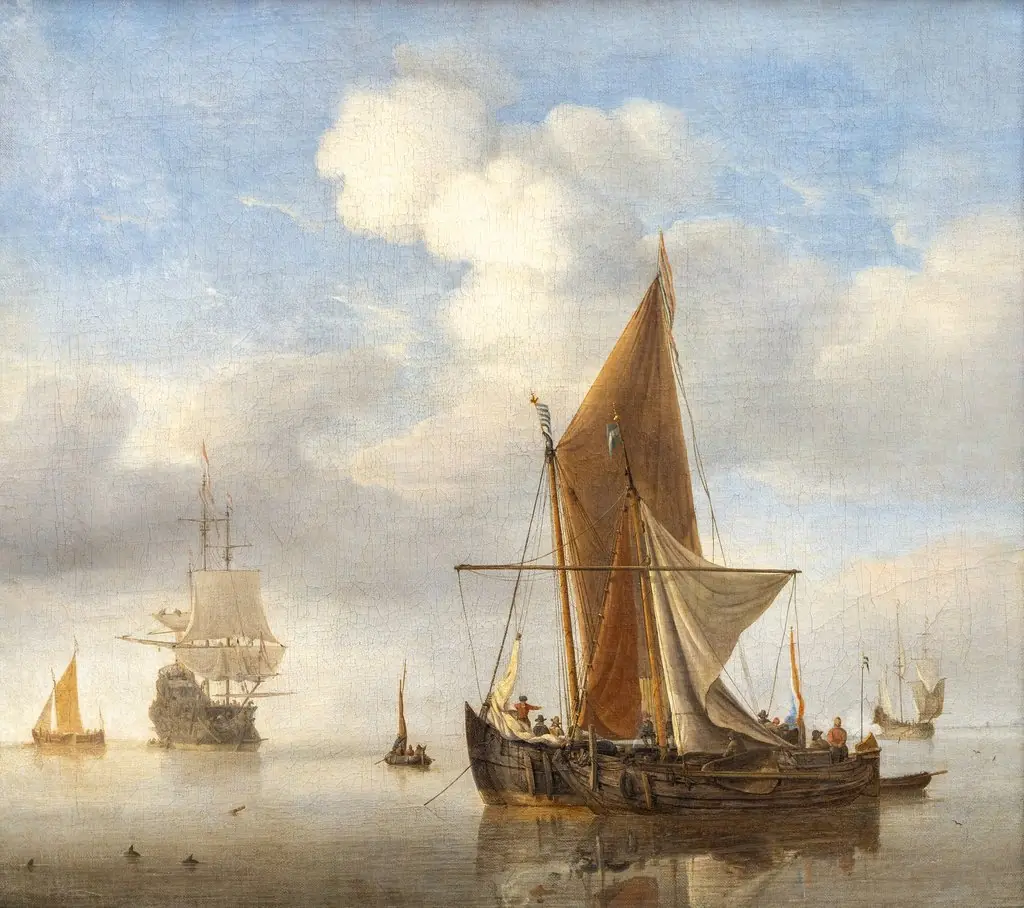
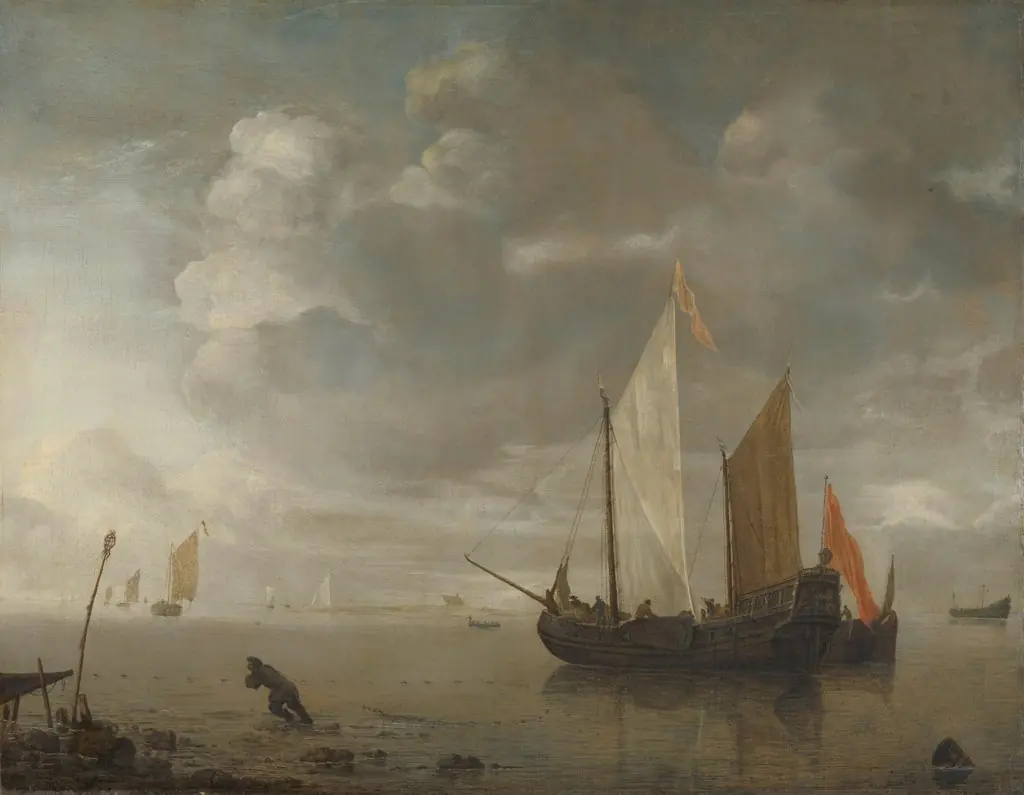
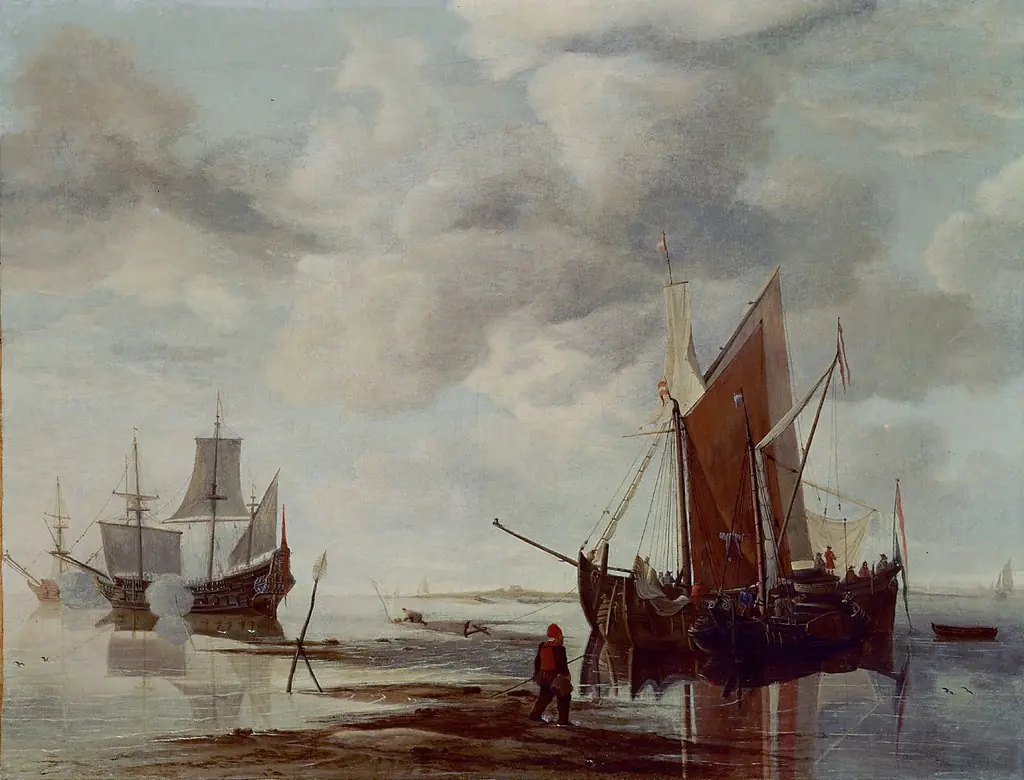
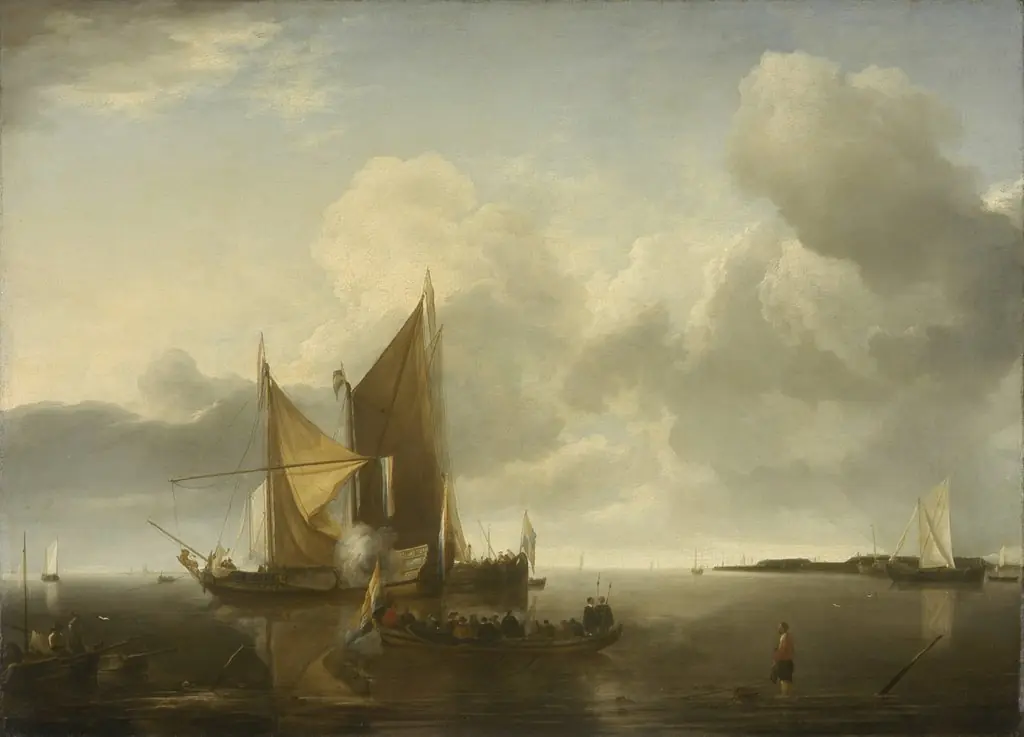
Painted around 1637, *Sea-piece, a calm* is an oil work by Simon de Vlieger, a Dutch artist known for his maritime subjects. It captures a tranquil harbor at dawn or dusk, where stillness dominates the composition. The painting reflects de Vlieger’s focus on sea and coastal life, distinguishing him among contemporaries who favored dramatic storms or bustling ports. Its quiet mood aligns with the broader Dutch Golden Age interest in everyday naturalism.
Subject & Meaning
The scene centers on a solitary figure kneeling on the shore, cradling a small bundle, beside a motionless boat. No narrative is explicit, but the figure’s posture suggests contemplation or ritual. The distant, faintly outlined ships and hazy horizon reinforce isolation and quietude. The absence of human activity beyond this single presence invites reflection on solitude, transience, or the quiet rhythms of coastal life.
Technique & Style
De Vlieger employed glazing techniques to achieve subtle atmospheric depth, layering thin washes of oil to soften light and blur boundaries between sea, sky, and land. Colors are muted—pale grays, blues, and ochres—blended to mimic the diffused glow of fog. Brushwork is restrained, avoiding sharp edges, which enhances the sense of stillness. The effect is not photographic but evocative, prioritizing mood over detail.
History & Provenance
The painting entered the Fitzwilliam Museum’s collection in the 19th century, likely through a private acquisition common among British collectors of Dutch art. Its early history before that is undocumented, though it was likely owned by a Dutch merchant or patron familiar with de Vlieger’s reputation. The work has remained in institutional hands since, with no record of major exhibitions prior to the 20th century.
Context
In 17th-century Holland, marine painting flourished alongside trade and naval power. While many artists depicted storms or fleet engagements, de Vlieger focused on quieter moments—calm waters, empty shores, and subdued skies. This preference mirrored a broader cultural appreciation for introspection and the sublime in nature, distinct from the grandeur of Italian or Flemish traditions.
Legacy
De Vlieger’s influence extended to later Dutch marine painters, particularly in his treatment of light and atmosphere. Though less celebrated than his peers like Rembrandt or Hobbema, his quiet compositions helped shape a niche within Dutch landscape painting that valued serenity over spectacle. *Sea-piece, a calm* remains a representative example of this understated aesthetic, preserved as a quiet counterpoint to more dramatic maritime works.
Artist & collection
Artist
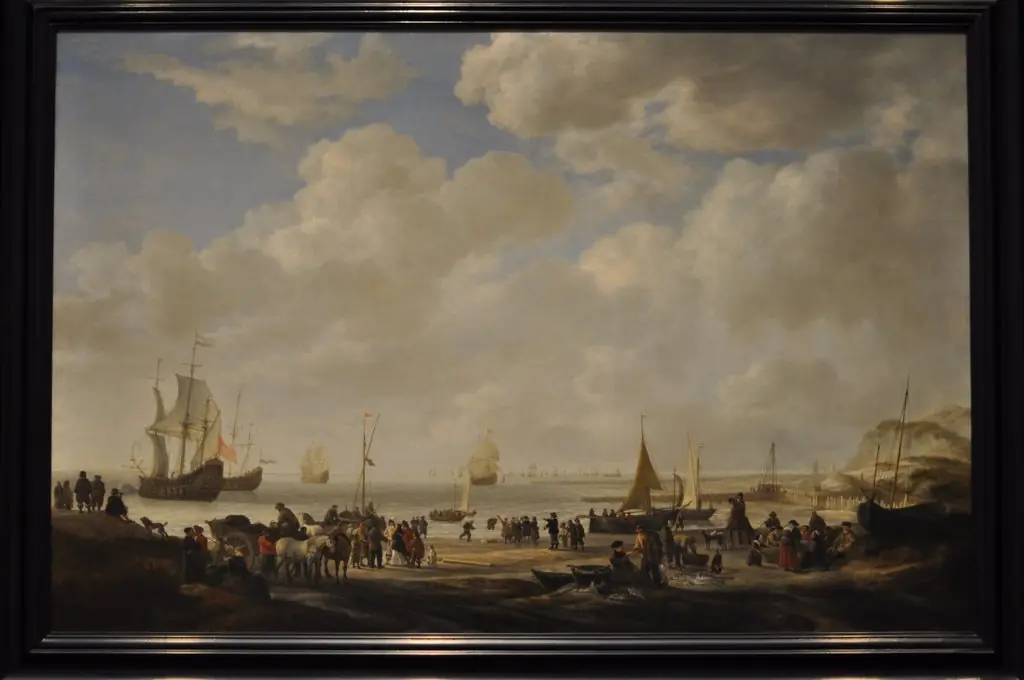
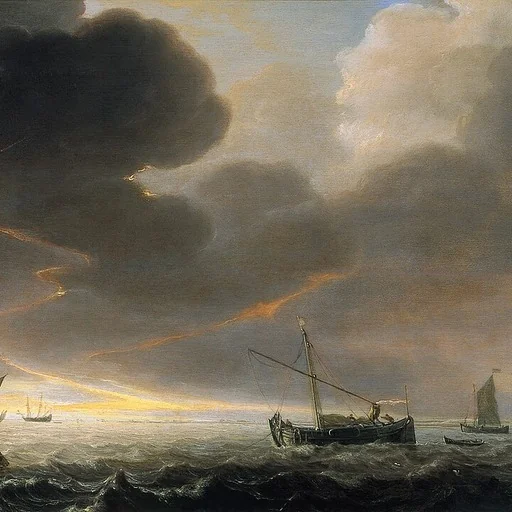
Simon de Vlieger (c. 1601 – buried 13 March 1653) was a Dutch painter, draughtsman and designer of tapestries, etchings, stained glass windows. While he is mainly known for his marine paintings, he also painted beach…