Artwork
Saint Jerome and a Canon Praying
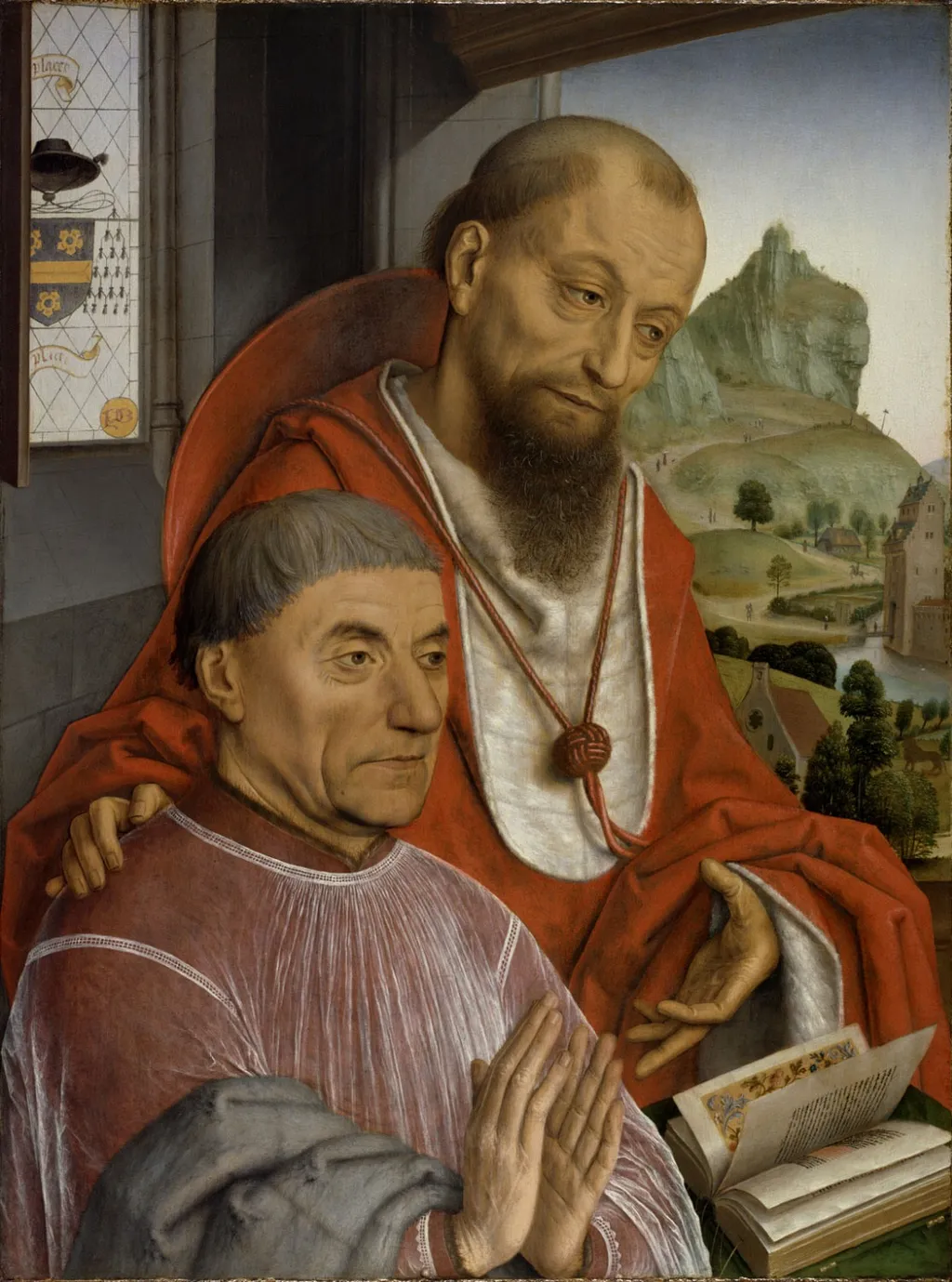
Saint Jerome and a Canon Praying is an oil painting by the Northern Renaissance artist Simon Marmion. It dates from 1475 and is held in the collection of the Philadelphia Museum of Art.
About this work
Overview
Marmion, active in the Burgundian court region, combined expertise in panel painting with manuscript illumination.
Painted in 1475 by Simon Marmion, this oil-on-panel work depicts two figures in devotional posture. Marmion, active in the Burgundian court region, combined expertise in panel painting with manuscript illumination. The piece reflects the quiet intensity of Northern Renaissance religious art and is now part of the Philadelphia Museum of Art’s collection, where its intimate scale and refined detail invite close observation.
Subject & Meaning
The painting shows two clerics engaged in prayer, one standing behind the other, both with hands clasped. The figure in front, dressed in red and white, may represent a canon, while the figure behind, in a red robe over white, is likely Saint Jerome, identifiable by the open book before him—likely the Bible he translated. Their shared devotion suggests a spiritual hierarchy and the sanctity of scriptural study in monastic life.
Technique & Style
Marmion employed oil paint to achieve subtle gradations of light and texture, enhancing the tactile quality of fabrics and the atmospheric depth of the landscape. Delicate brushwork defines the folds of garments and the distant hills, while soft chiaroscuro models the figures’ forms without harsh contrast. The composition directs attention to the prayerful figures, framed by a tranquil, receding natural setting.
History & Provenance
Created during Marmion’s tenure in the Burgundian Netherlands, the painting likely originated as a private devotional piece for a church or noble patron. It entered the Philadelphia Museum of Art’s collection in the 20th century, following documented ownership in European private holdings. Its survival in good condition reflects careful preservation through centuries of religious and political change.
Context
In the late 15th century, devotional imagery in the Burgundian territories emphasized personal piety and textual engagement. Marmion’s work aligns with a broader trend of integrating detailed landscapes and realistic portraiture into religious scenes, influenced by Flemish painters like van Eyck. This painting reflects the fusion of liturgical function and aesthetic refinement characteristic of court-sponsored art in the region.
Legacy
Though less widely known than contemporaries like van der Weyden, Marmion’s precision in oil technique and compositional restraint influenced regional artistic practice. His ability to merge manuscript illumination’s delicacy with panel painting’s durability helped shape the visual language of Northern Renaissance devotion. This work remains a quiet testament to the era’s spiritual and artistic values.
Artist & collection
Artist
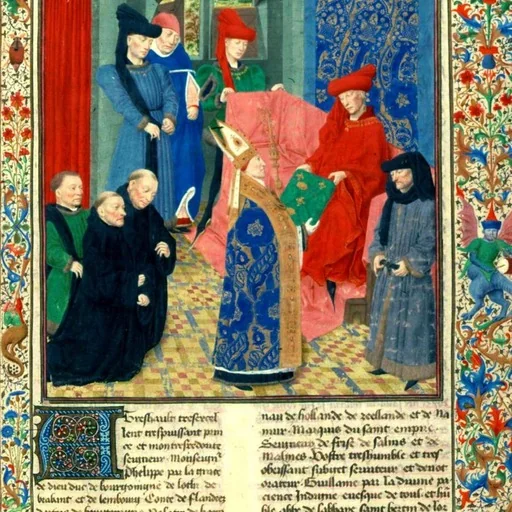
Simon Marmion (c. 1425 – 24 or 25 December 1489) was a French and Burgundian Early Netherlandish painter of panels and illuminated manuscripts. Marmion lived and worked in what is now France but for most of his lifetime…

 Saint Vincent Panels, first panel
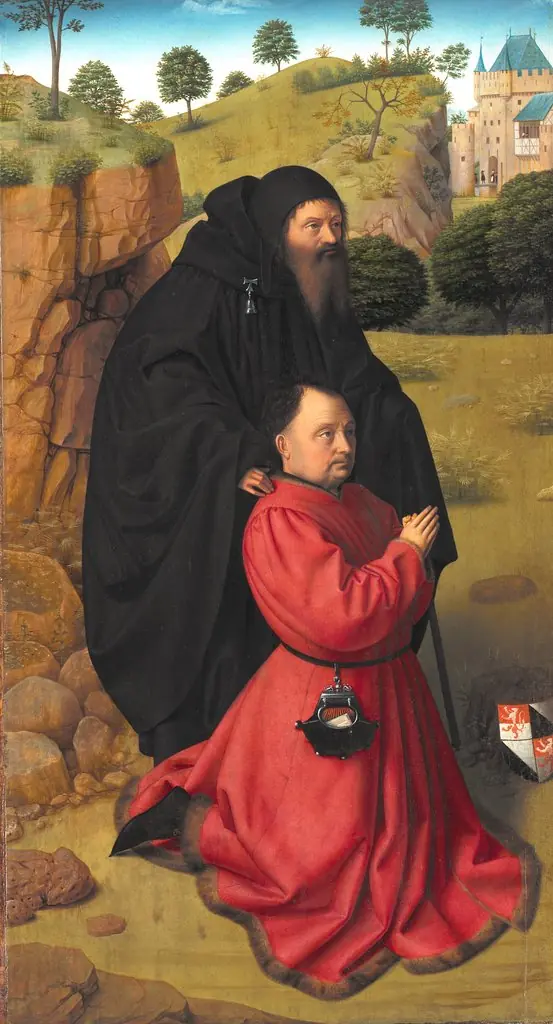 Altar Panel with a Portrait of a Donor in Scarlet under the Protection of St Anthony
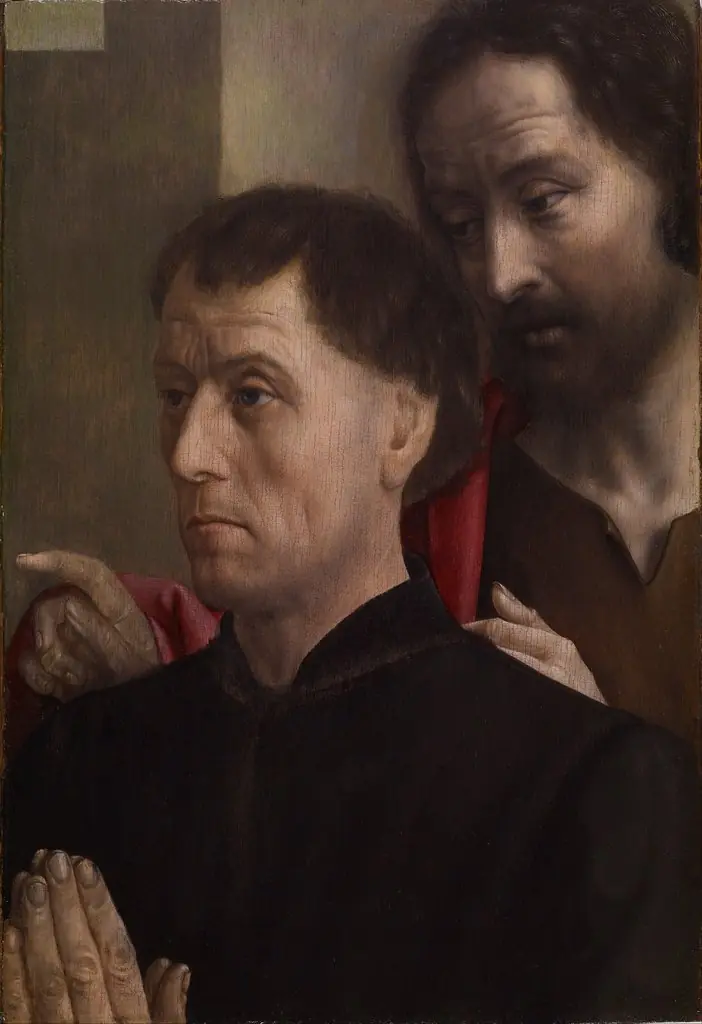 Portrait of a Man at Prayer with Saint John the Baptist
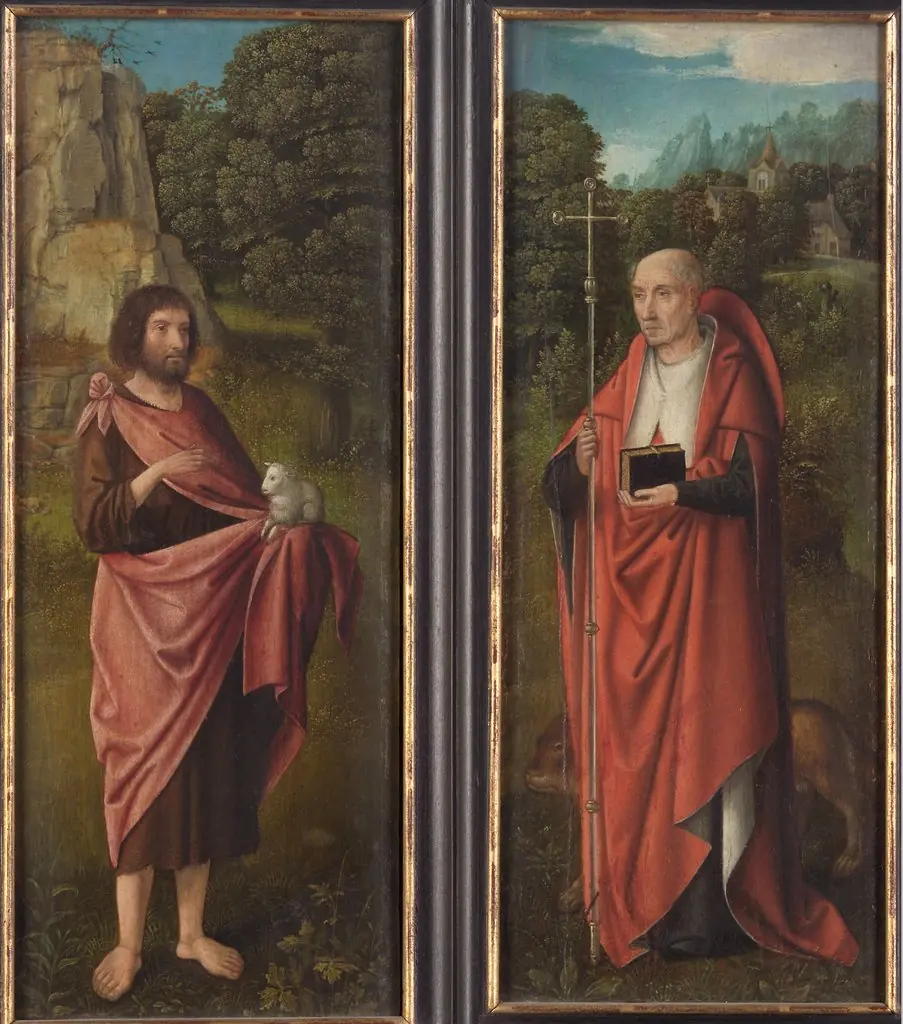 Saint John the Baptist and Saint Jerome
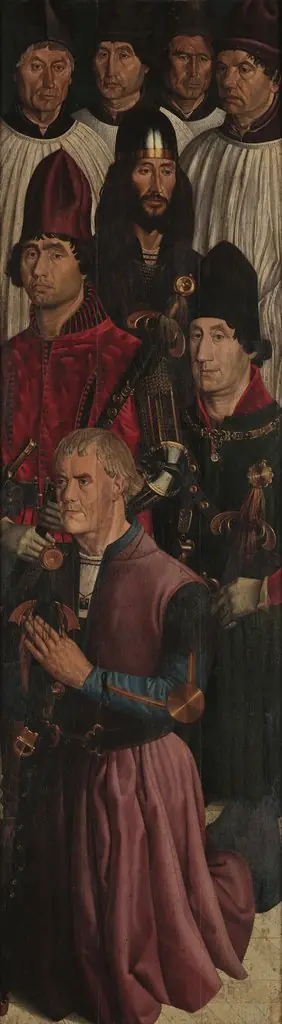 Saint Vincent Panels, fifth panel
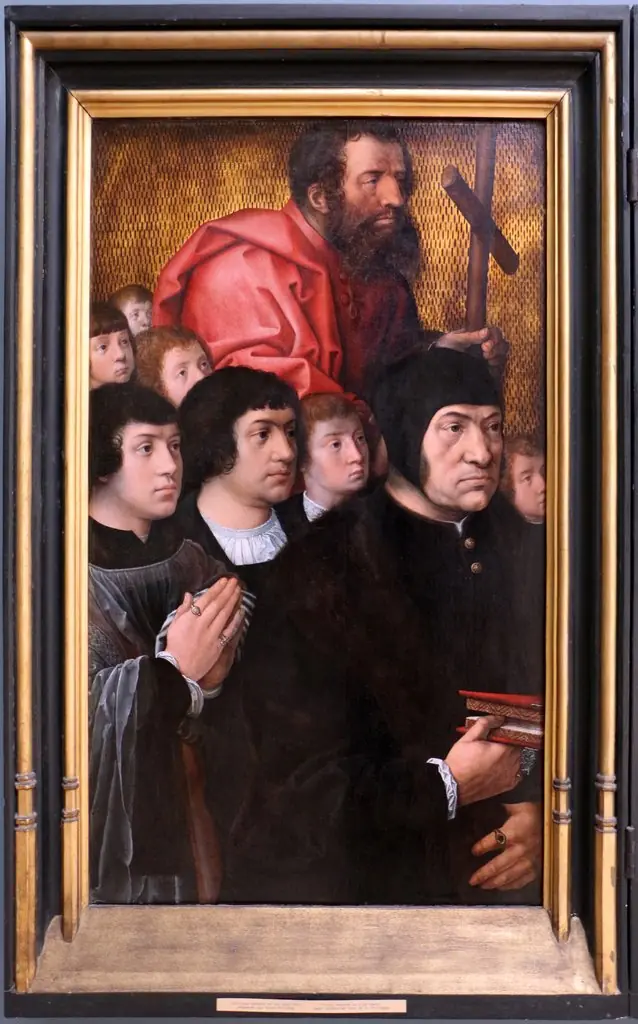 Portrait of Philippe Haneton with his seven sons and the apostle Philip
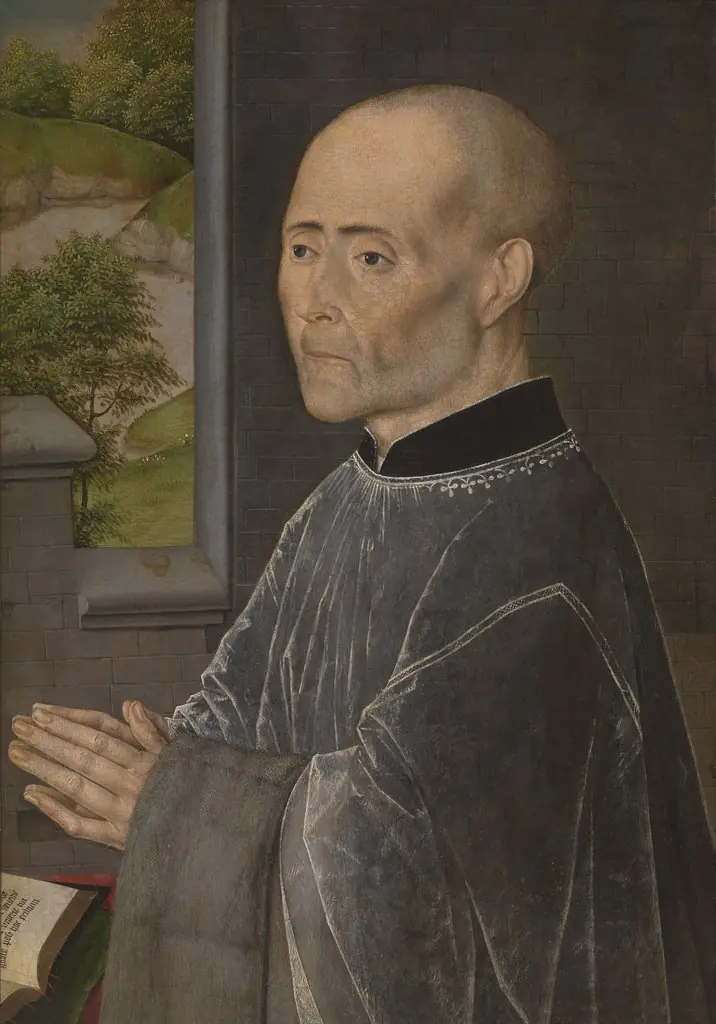 Portrait of a Canon
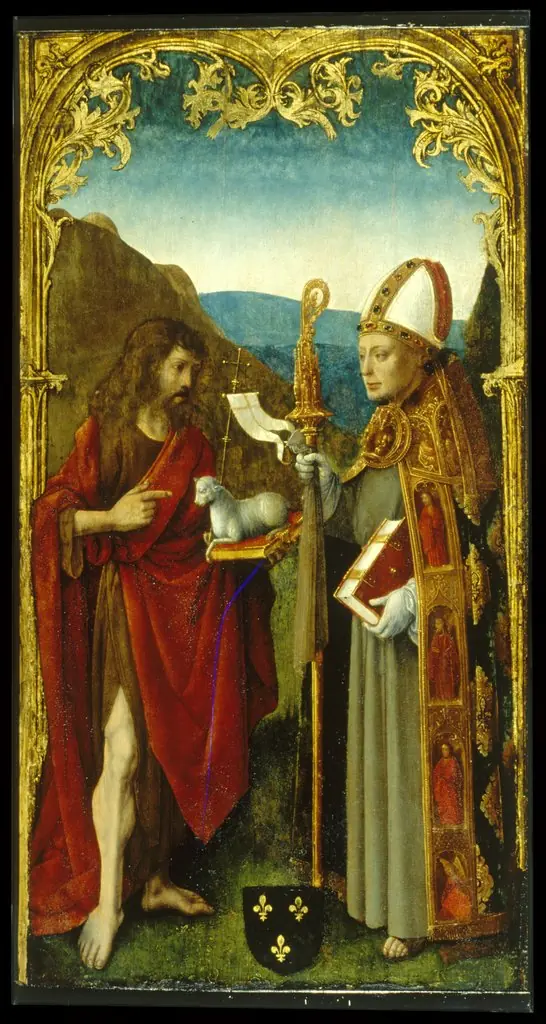 Saint John the Baptist and a Bishop Saint
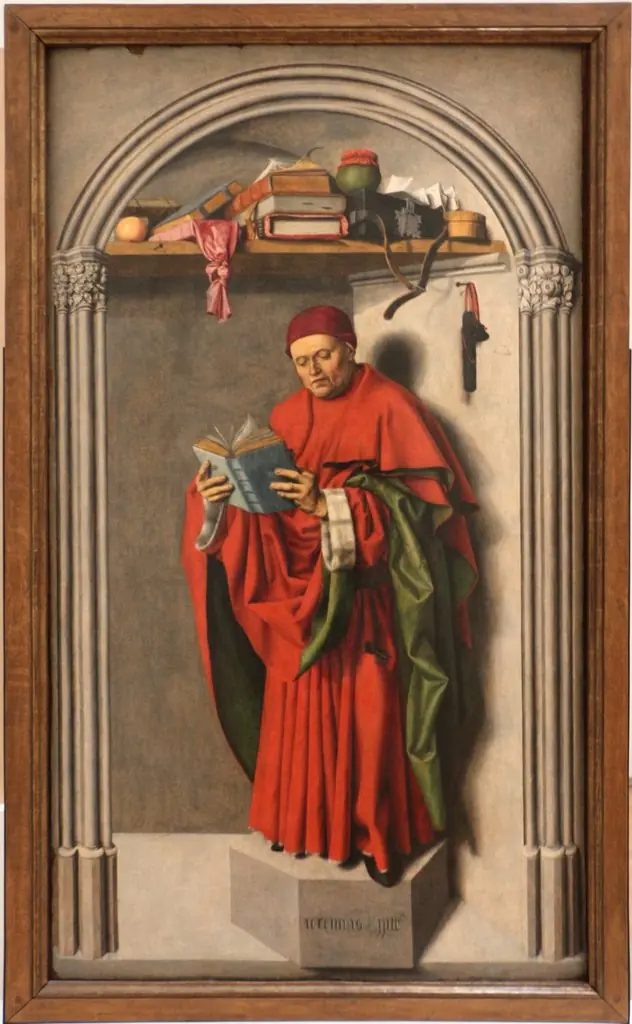 The prophet Jeremiah
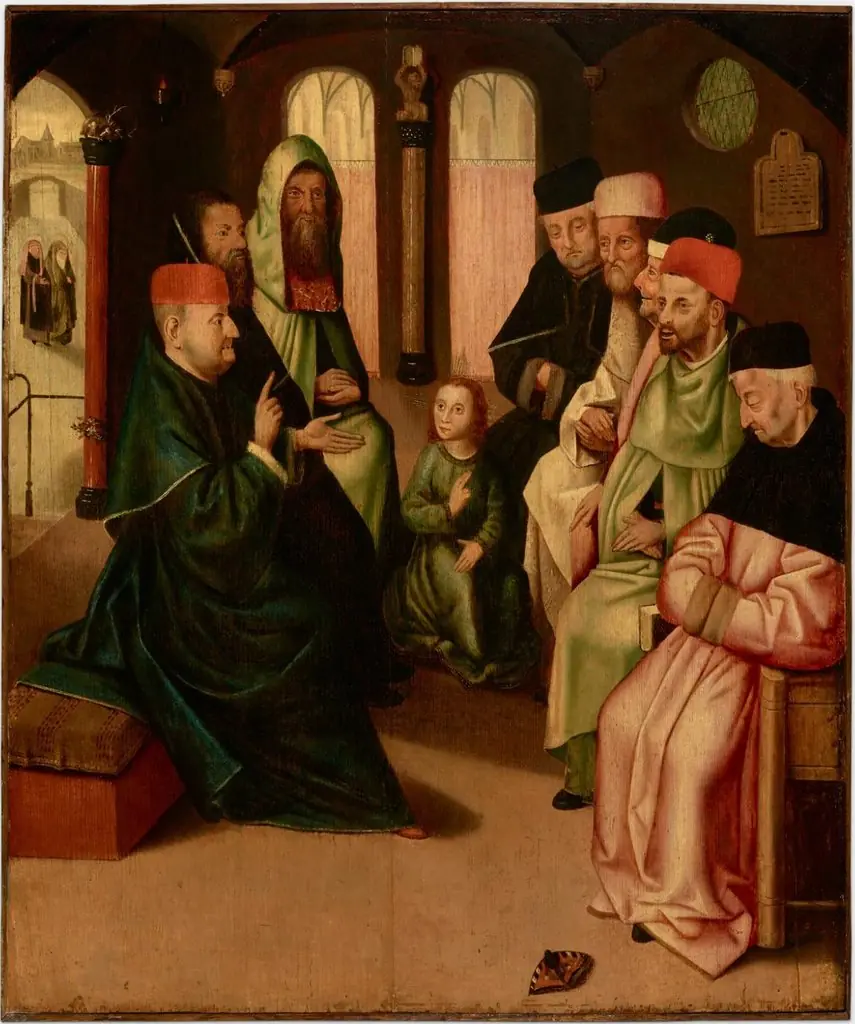 Christ among the Doctors
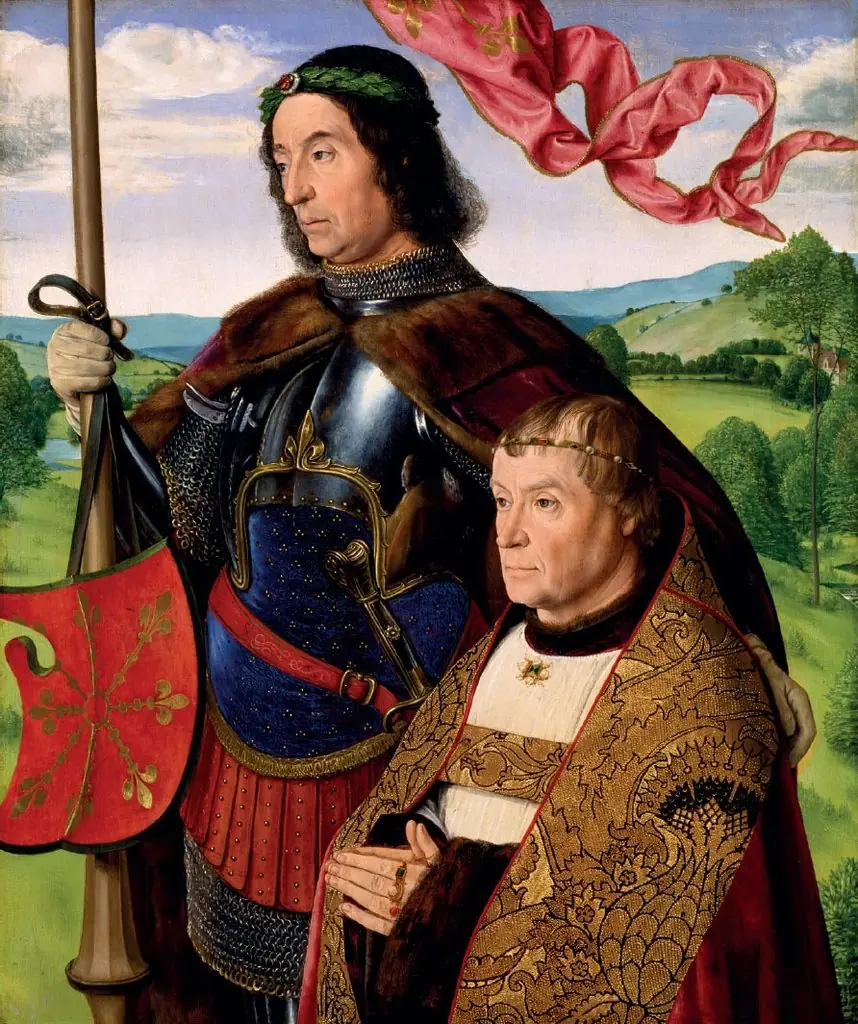 Saint Maurice with a Donor
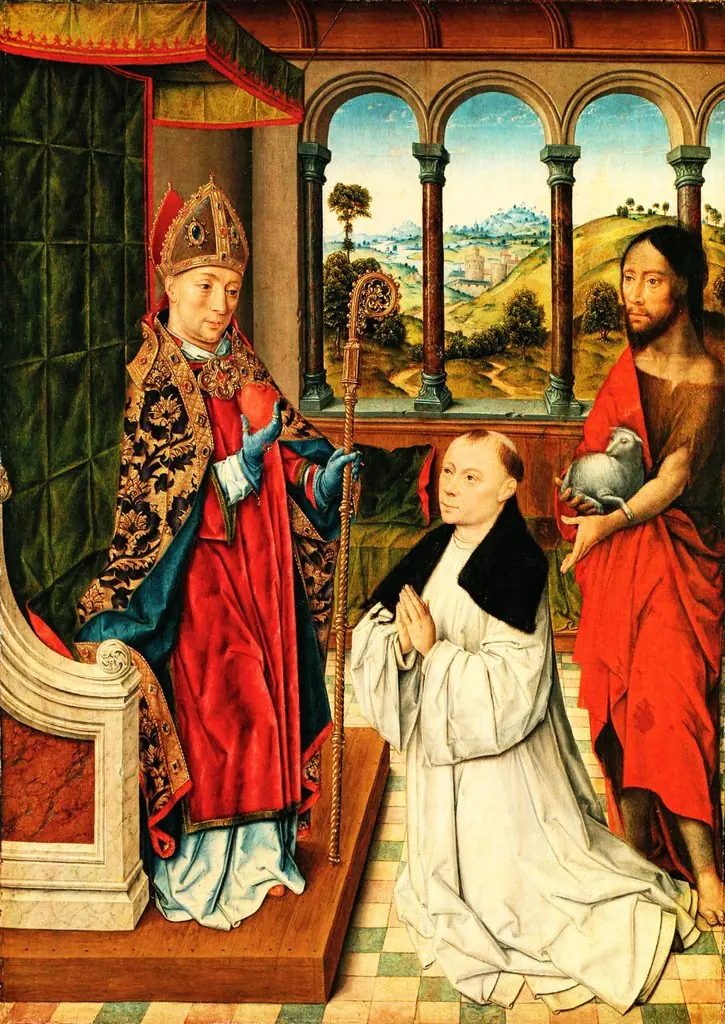 Der Heilige Augustinus und Johannes dem Täufer mit einem Stifter