Artwork
Scenes from the Life of St Bertin
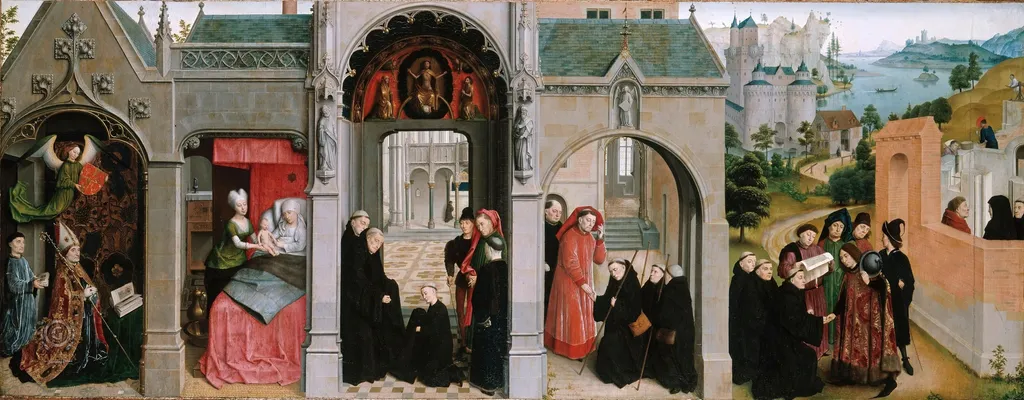
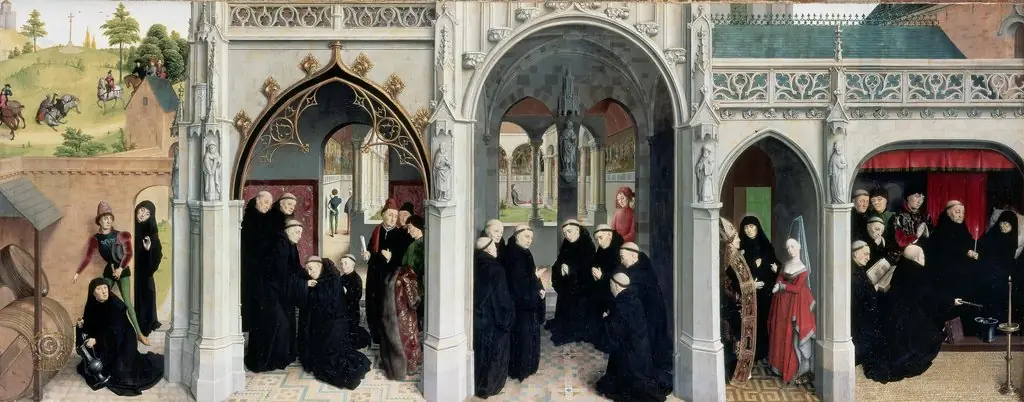
Scenes from the Life of St Bertin is a paint painting by the Northern Renaissance artist Simon Marmion. It dates from 1459 and is held in the collection of the Gemäldegalerie Berlin.
About this work
Overview
Created in 1459 by Simon Marmion, *Scenes from the Life of St Bertin* is a triptych painted in tempera on panel. It originates from the Burgundian Netherlands and exemplifies the Northern Renaissance emphasis on intricate detail and devotional narrative. The work is currently held in the Gemäldegalerie, Berlin, where it remains a key example of mid-fifteenth-century religious panel painting.
Subject & Meaning
The painting illustrates key moments from the life of St Bertin, a seventh-century Frankish abbot and saint.
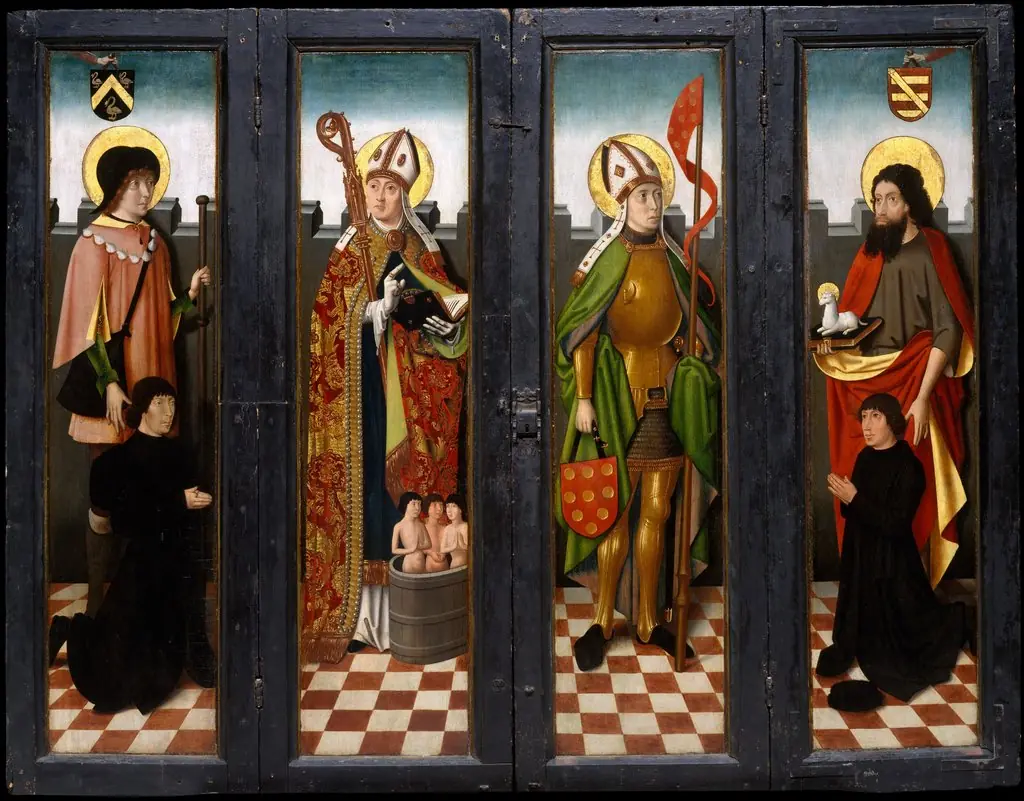
The painting illustrates key moments from the life of St Bertin, a seventh-century Frankish abbot and saint. Each panel captures a distinct episode: his ecclesiastical authority, a moment of communal gathering, and a scene of spiritual or civic significance near a castle. The inclusion of architecture and landscape reinforces the historical setting, while the figures’ gestures and attire convey ritual and reverence central to medieval hagiography.
Technique & Style
Marmion employed tempera to achieve fine detail and luminous color, with rich pigments like gold leaf, crimson, and ultramarine enhancing the panels’ solemnity. Figures are rendered with precise drapery and individualized faces, while backgrounds feature meticulously painted architecture and distant horizons. The composition balances symmetry and narrative clarity, typical of Northern European devotional art of the period.
History & Provenance
Commissioned likely for a religious institution, the triptych remained in the Burgundian region before entering a private collection and later the Berlin state collection. Its survival through centuries of political and religious upheaval is notable. Documentation confirms its attribution to Marmion and its date of completion, with no evidence of significant alteration after its initial creation.
Context
In mid-fifteenth-century Flanders, religious panel paintings served both devotional and didactic purposes, often commissioned by monasteries or wealthy patrons. Marmion’s work aligns with the region’s tradition of narrative precision and material richness, reflecting the cultural prestige of monastic saints like Bertin, whose cults reinforced local identity and spiritual authority.
Legacy
Though less widely known than contemporaries like Van Eyck, Marmion’s triptych exemplifies the quiet sophistication of Burgundian painting. Its preservation in Berlin allows ongoing study of regional techniques and iconographic conventions. The work contributes to understanding how lay and clerical audiences engaged with sacred stories through visual narrative in the late Middle Ages.
Artist & collection
Artist
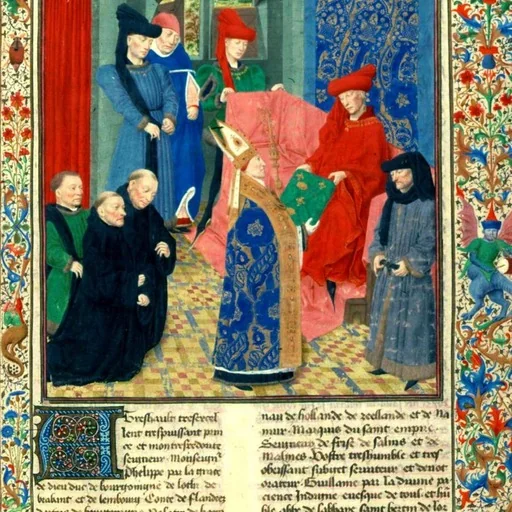
Simon Marmion (c. 1425 – 24 or 25 December 1489) was a French and Burgundian Early Netherlandish painter of panels and illuminated manuscripts. Marmion lived and worked in what is now France but for most of his lifetime…

 Opdracht van Maria en Annuntiatie
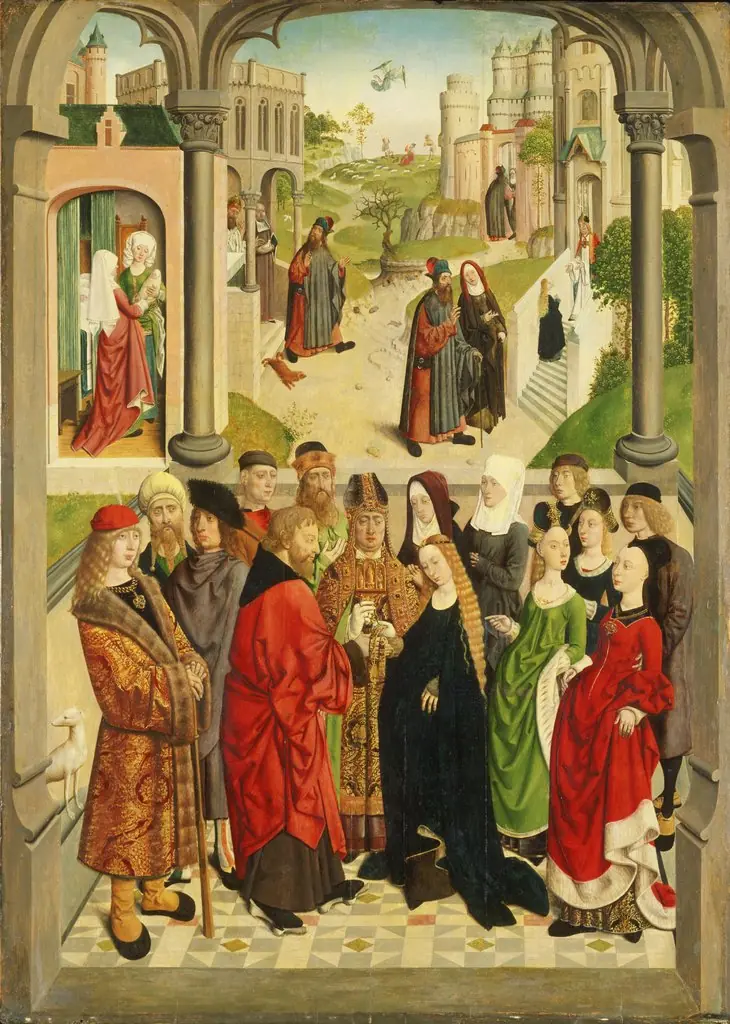 The Marriage of the Virgin, with the Expulsion of Saint Joachim from the Temple, the Angel Appearing to Saint Joachim, the Meeting at the Golden Gate, the Birth of the Virgin, and the Presentation of the Virgin
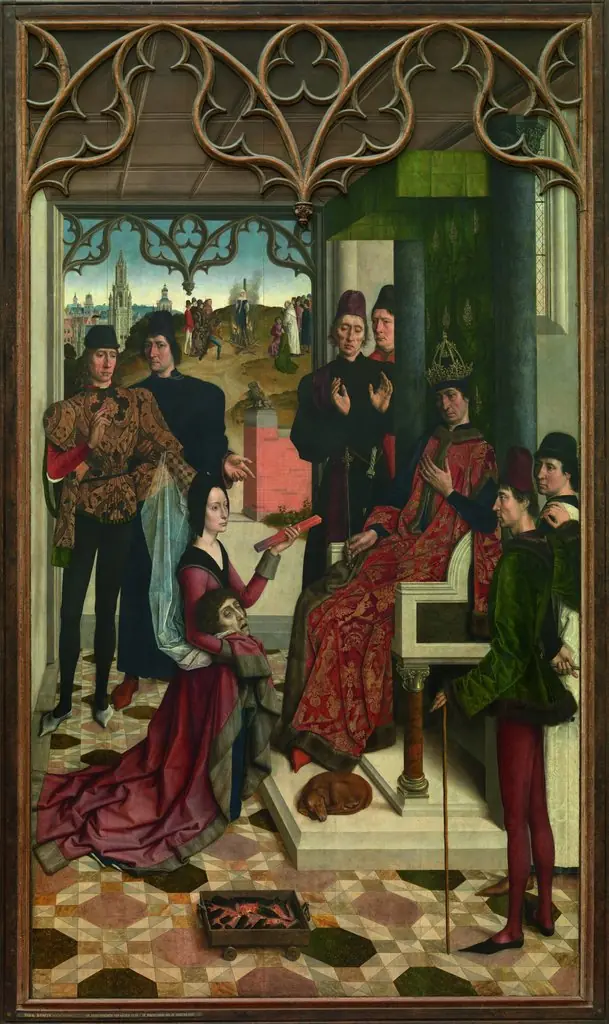 Justice of Emperor Otto III: The Trial by Fire
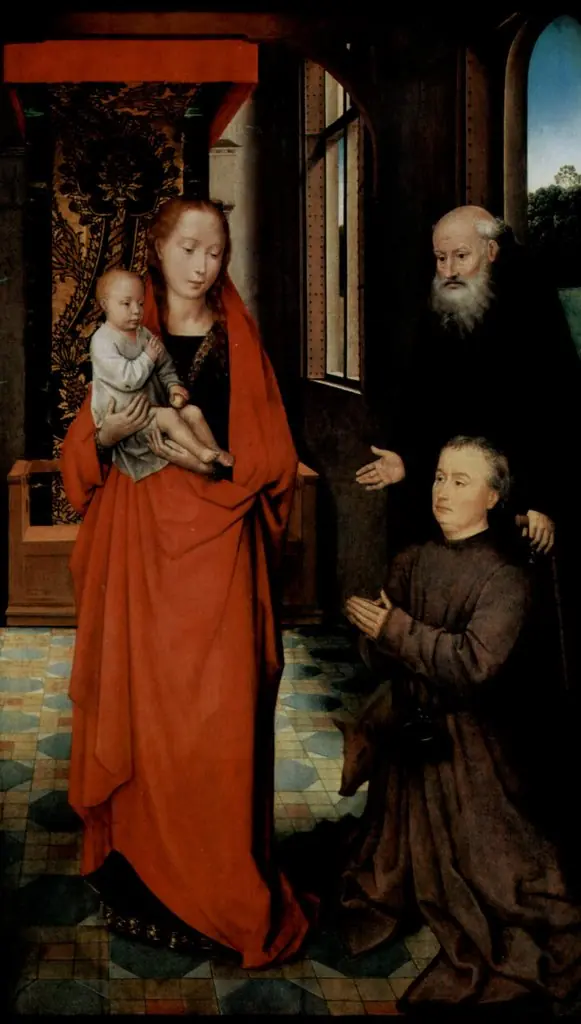 Virgin and Child with St Anthony the Abbot and a Donor
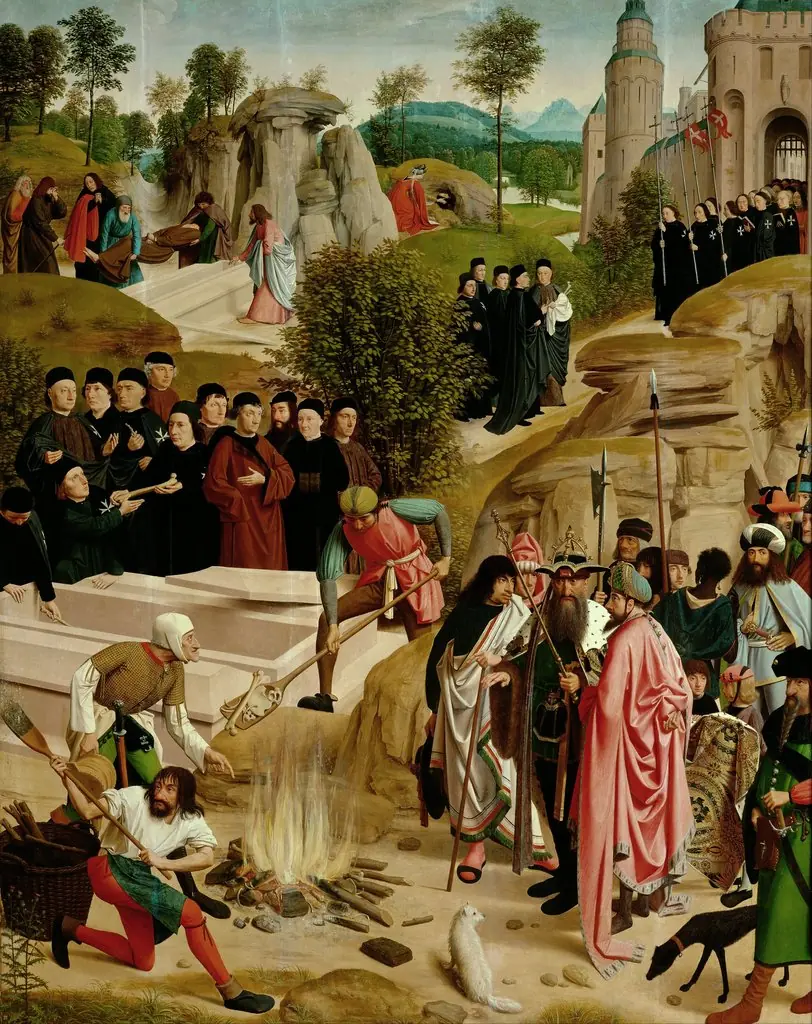 Legend of the Relics of St. John the Baptist
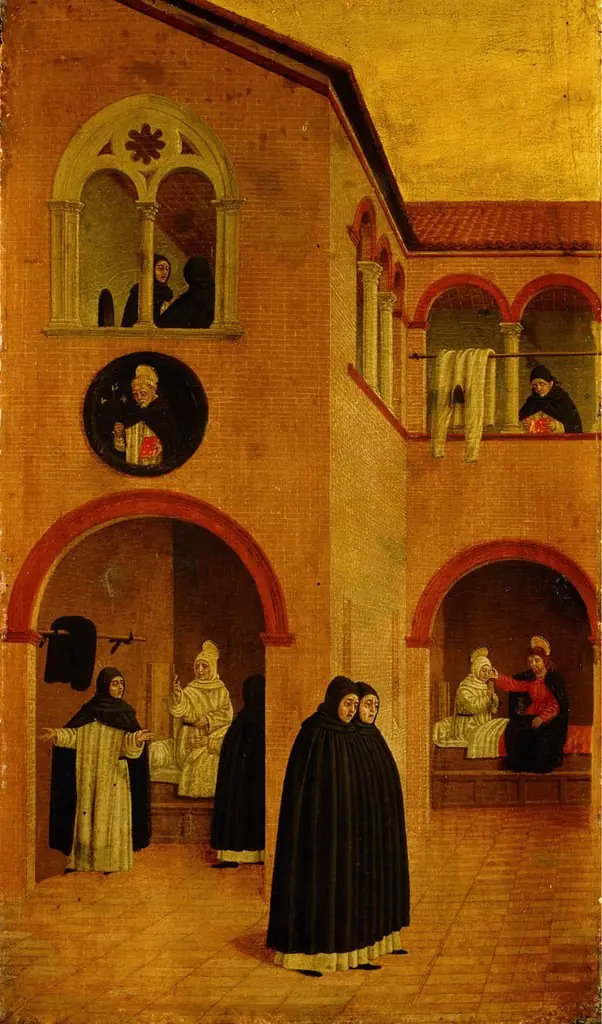 Szene aus dem Leben des Hl. Vinzenz Ferrer: Durch Aufregungen infolge des Schismas erkrankt der Heilige; er wird am Krankenbett vom Heiligen Dominikus besucht und von Christus geheilt
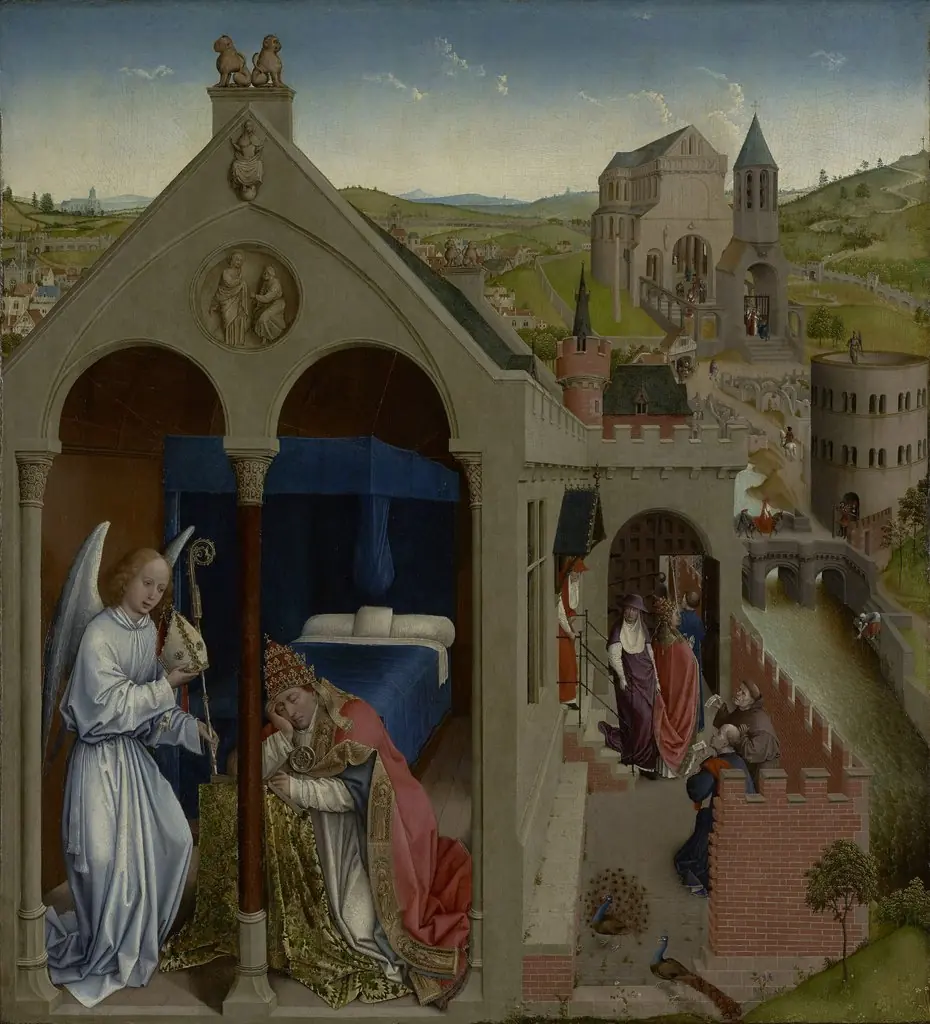 The Dream of Pope Sergius
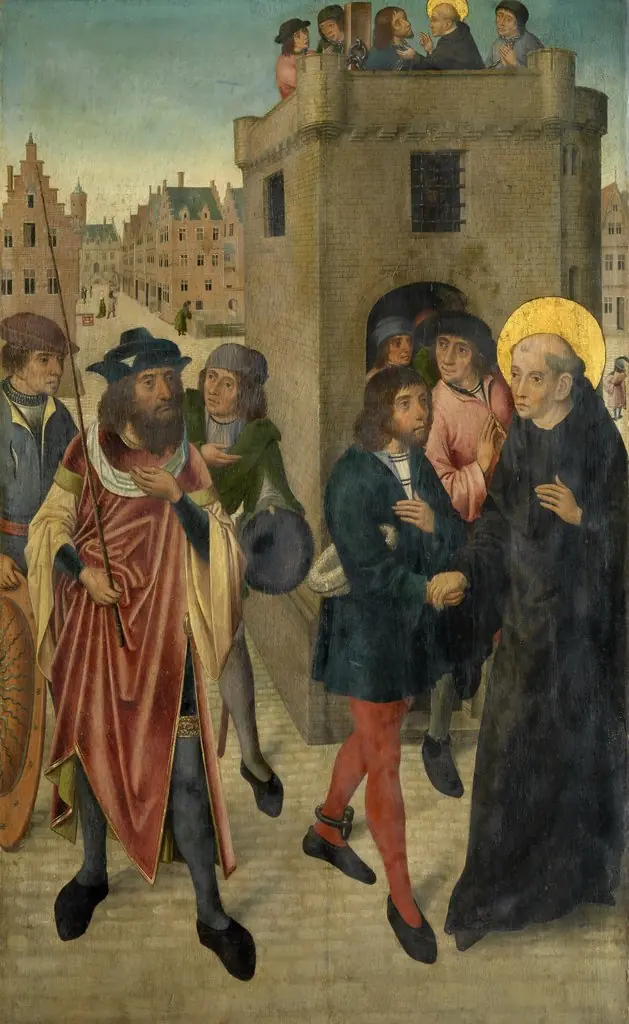 Saint Leonard Liberating Captives
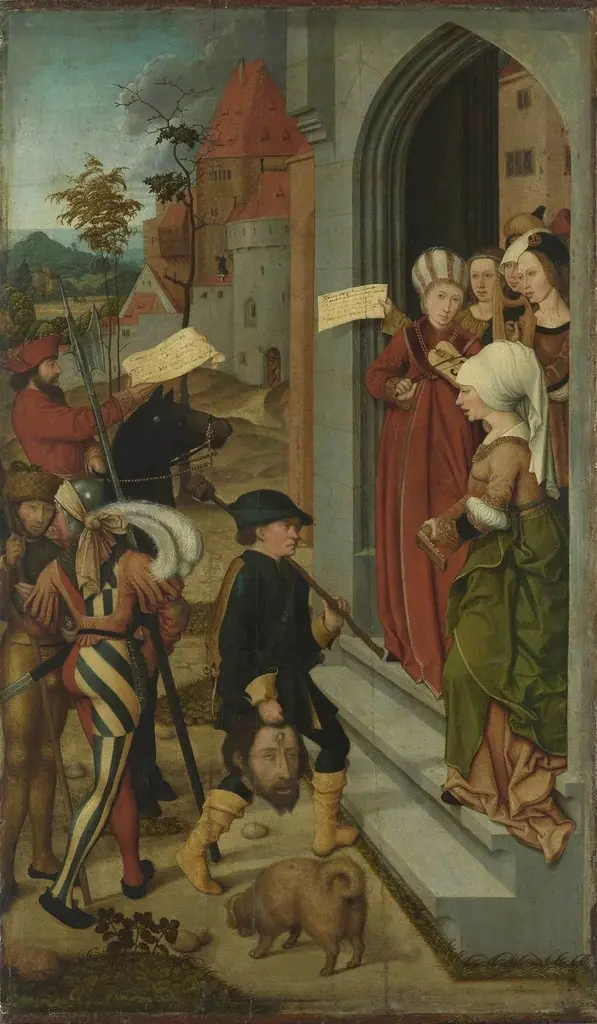 The returning of David with the head Goliath
 The Life and Miracles of Saint Godelieve