Artwork
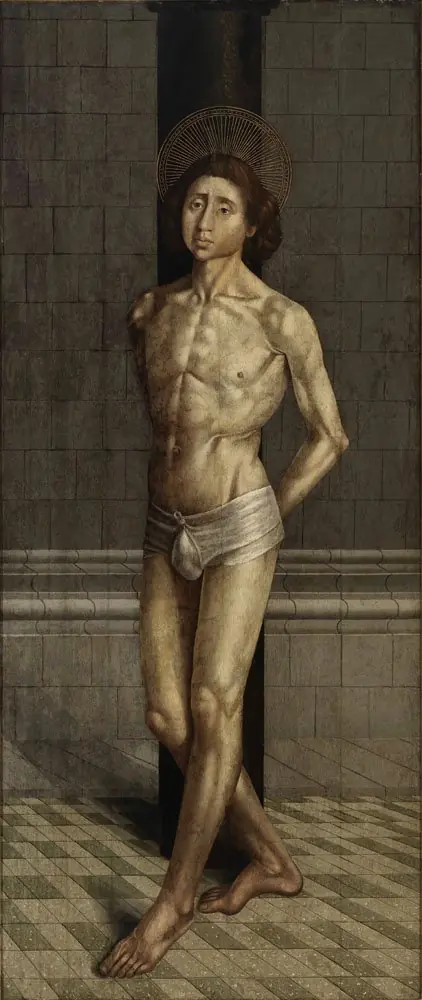
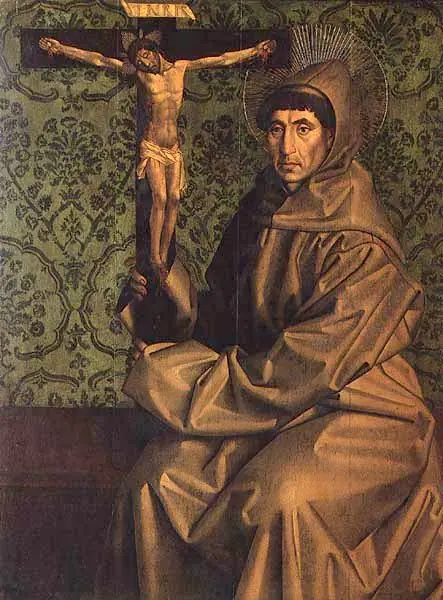
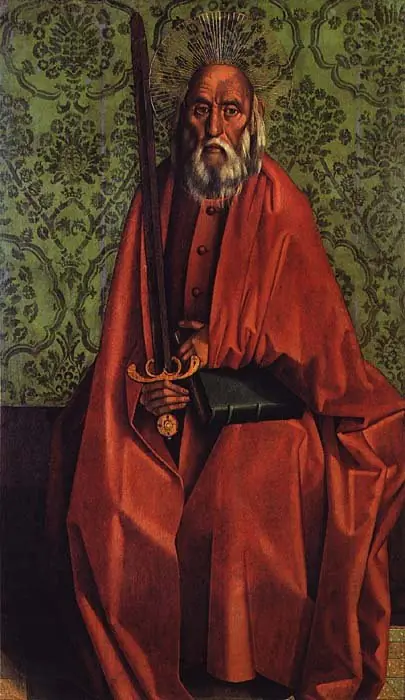
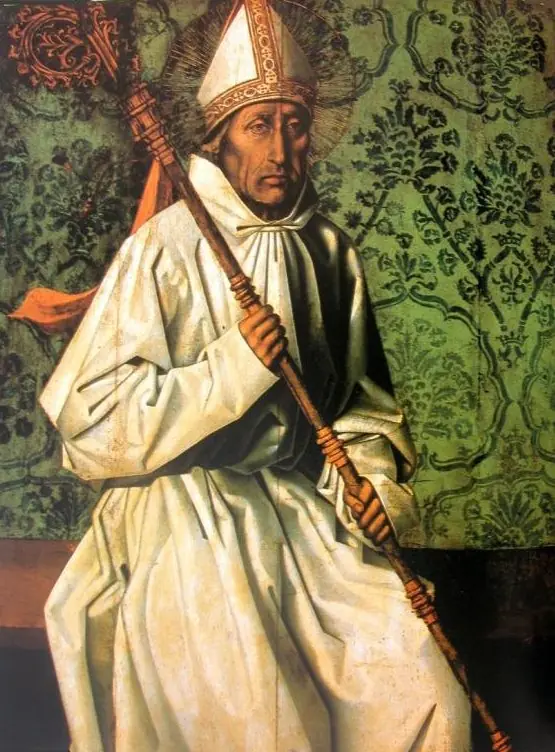
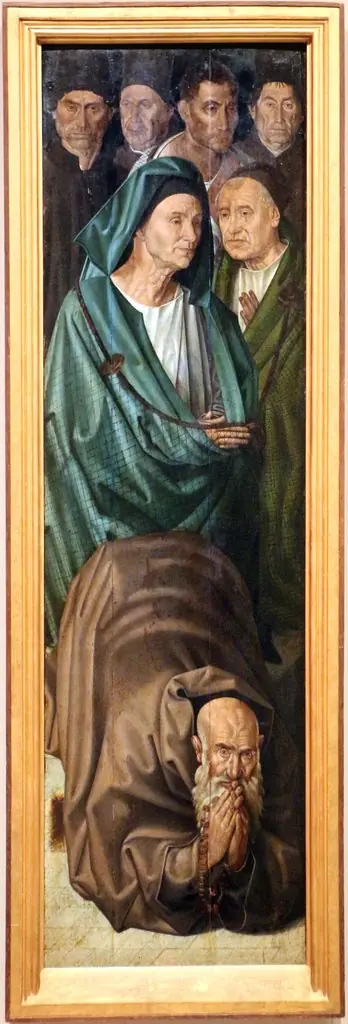
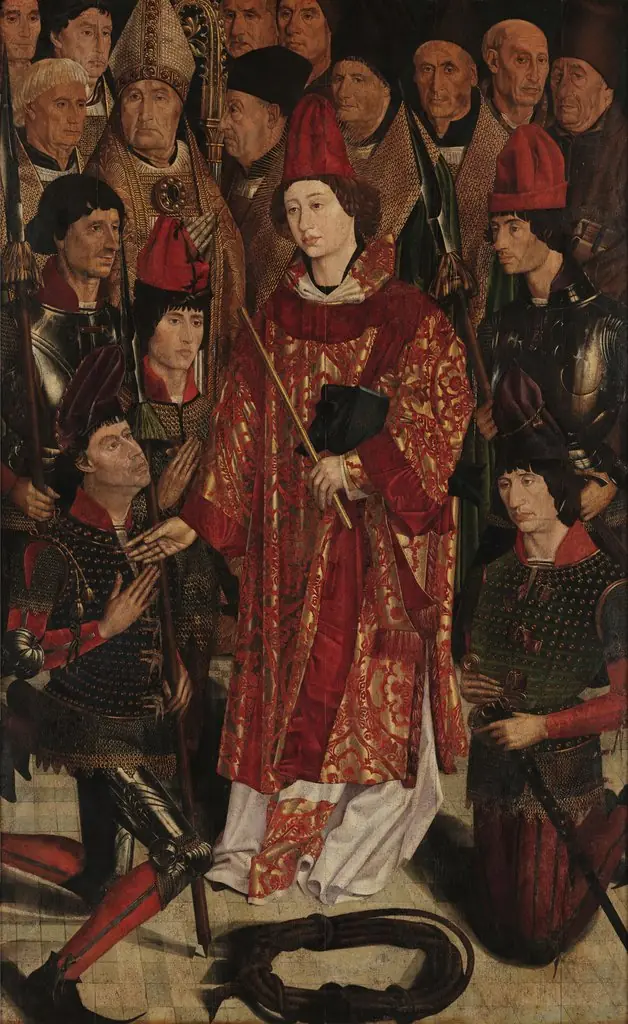
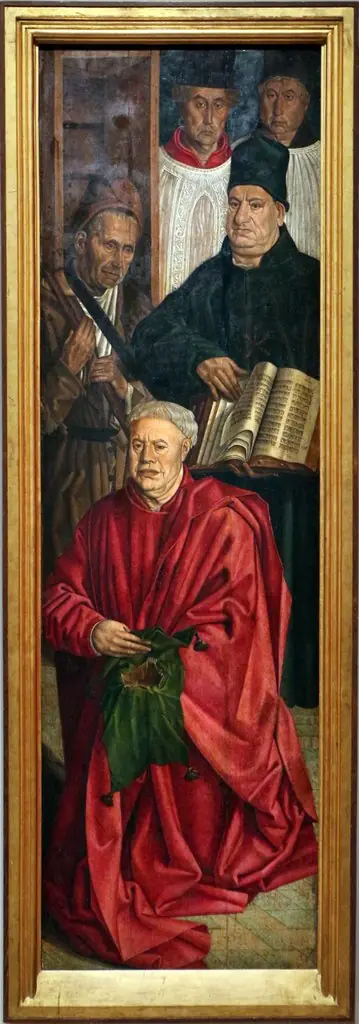
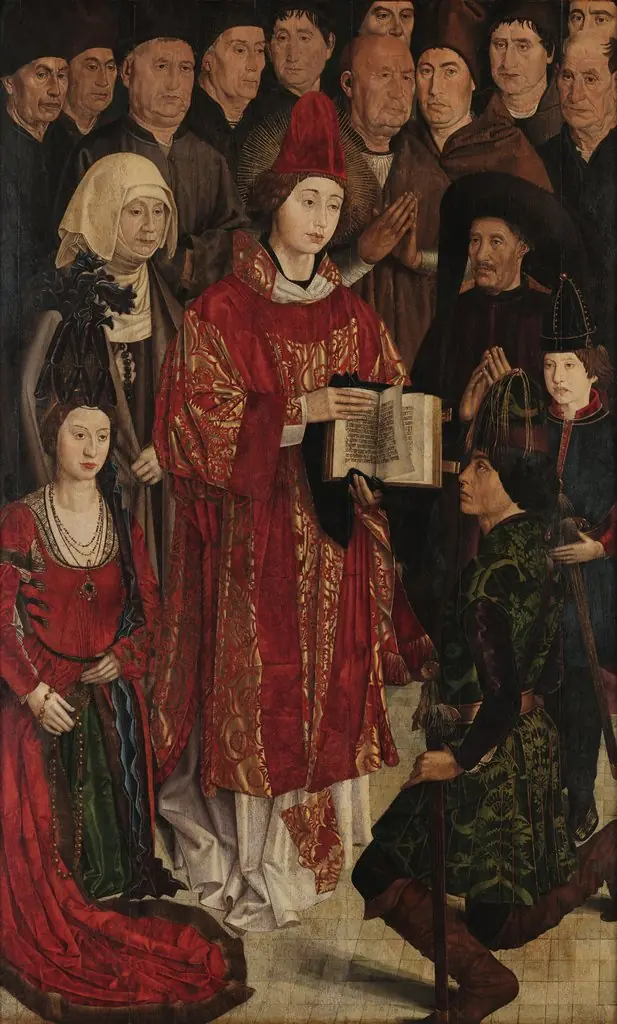
Saint Vincent Panels, first panel
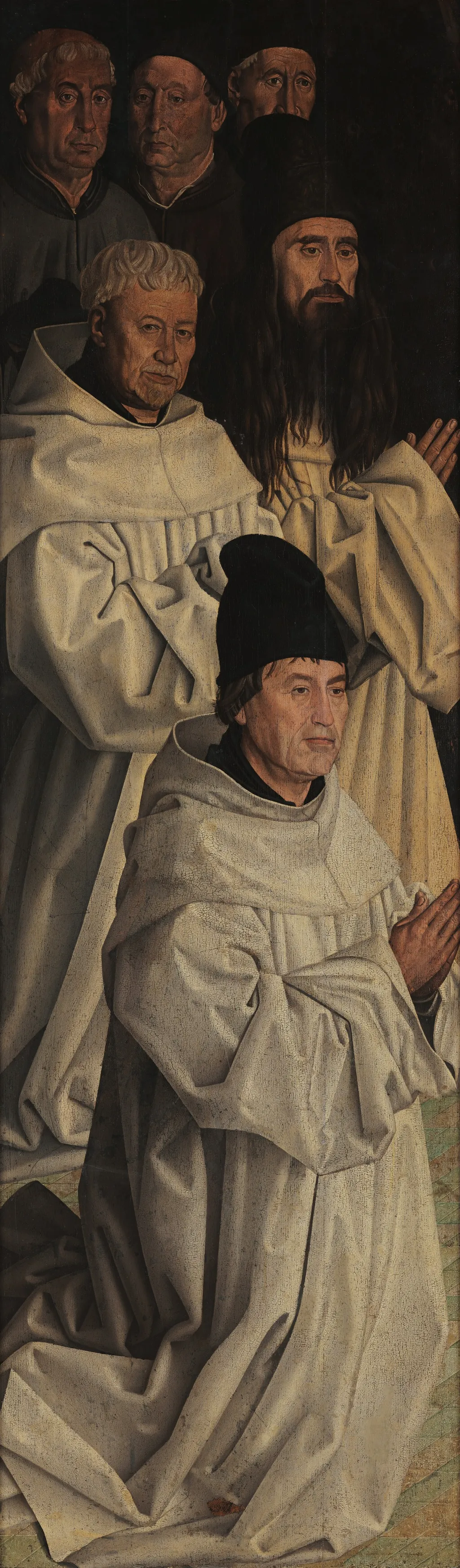
Saint Vincent Panels, first panel is an unspecified painting by the Northern Renaissance artist Nuno Gonçalves. It dates from 1450 and is held in the collection of the National Museum of Ancient Art.
About this work
Overview
The first panel of the Saint Vincent Panels was painted around 1450 by Nuno Gonçalves, who served as court painter to King Afonso V of Portugal.
The first panel of the Saint Vincent Panels was painted around 1450 by Nuno Gonçalves, who served as court painter to King Afonso V of Portugal. It is one section of a larger polyptych, originally composed of multiple panels arranged together. The work is executed in oil on wood and reflects the detailed realism characteristic of Northern Renaissance art. It is currently housed in the National Museum of Ancient Art in Lisbon.
Subject & Meaning
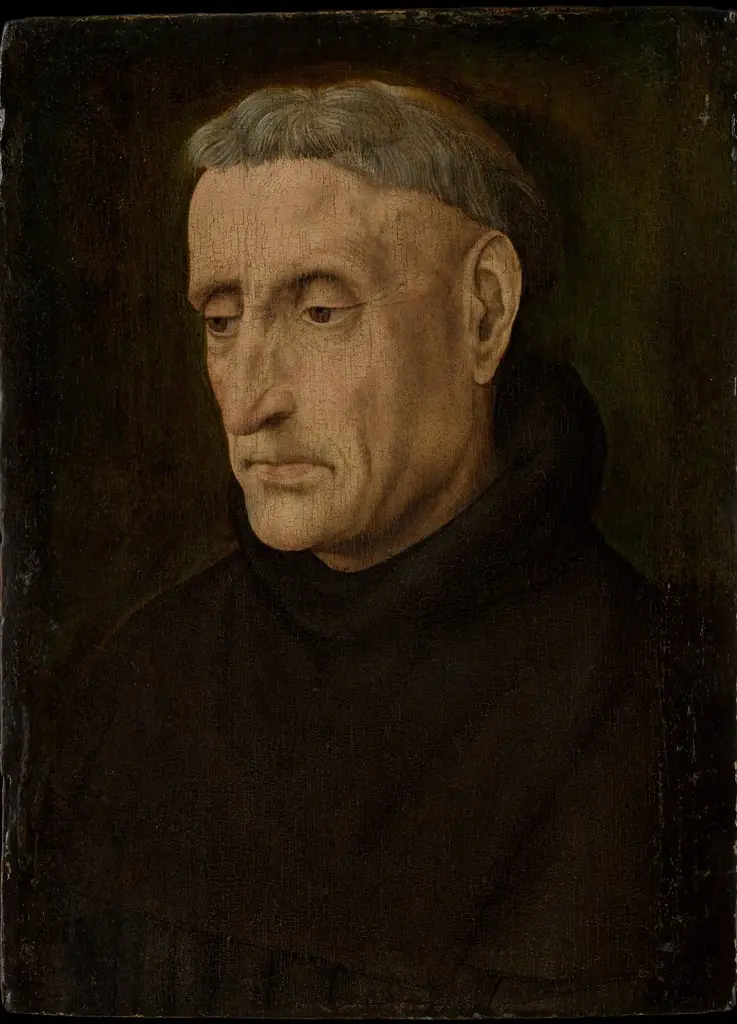
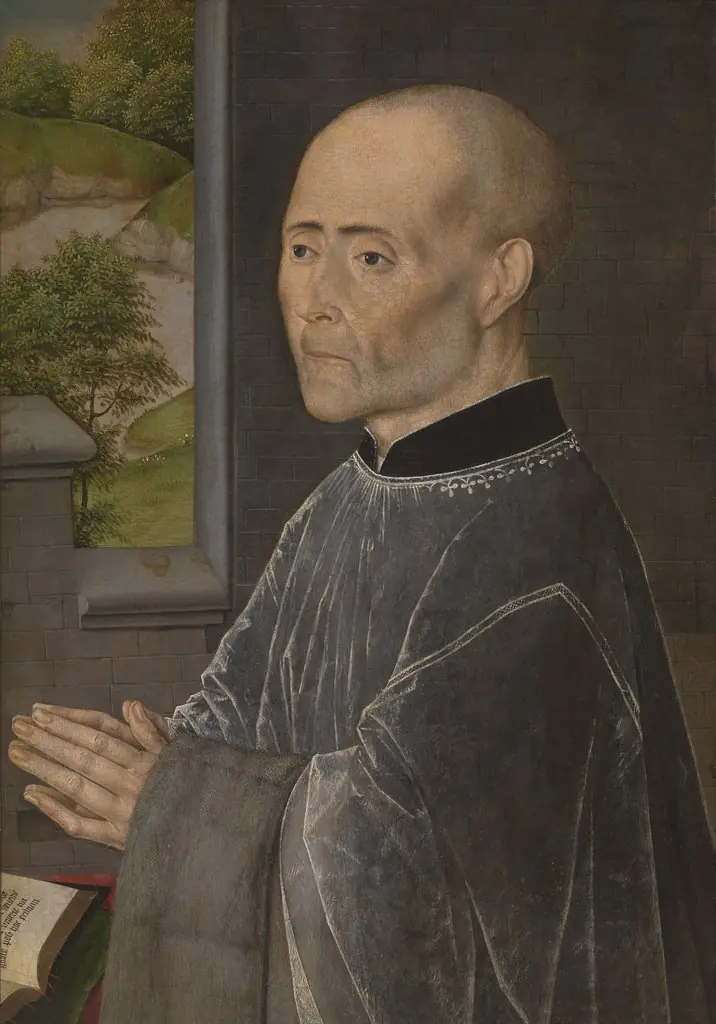
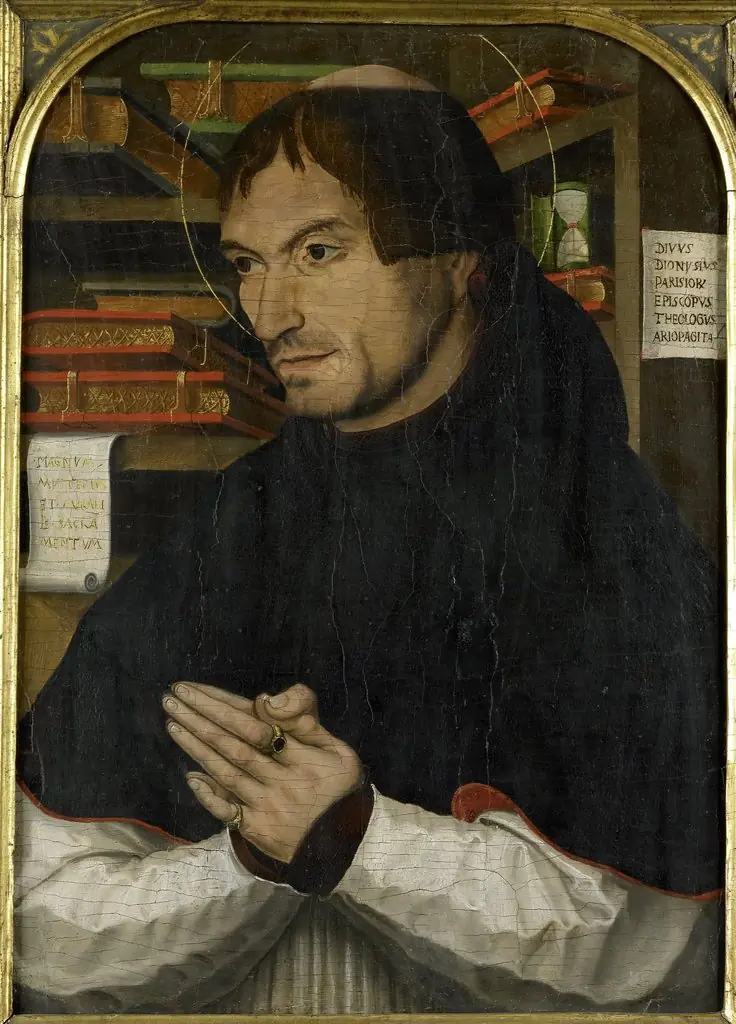
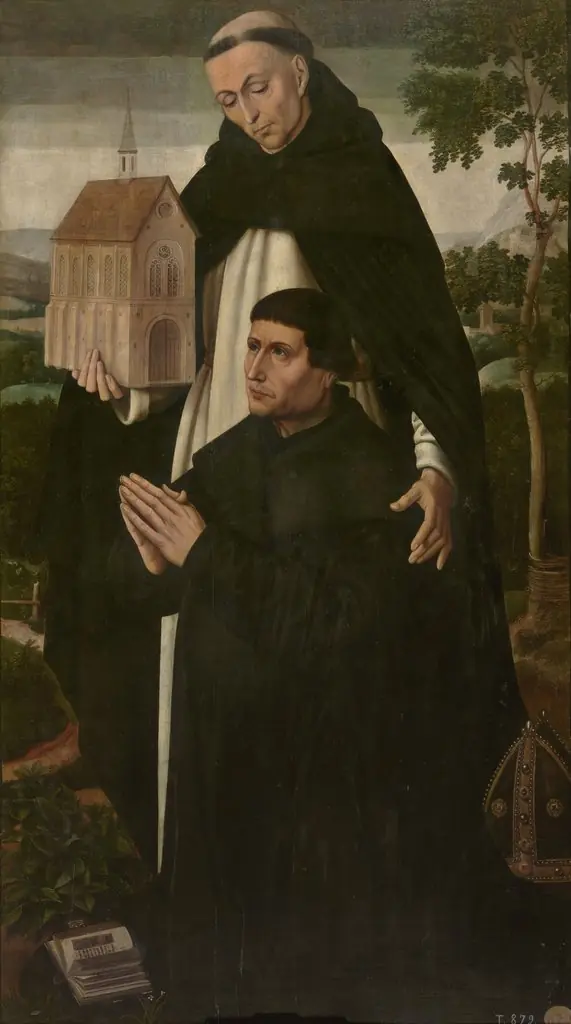
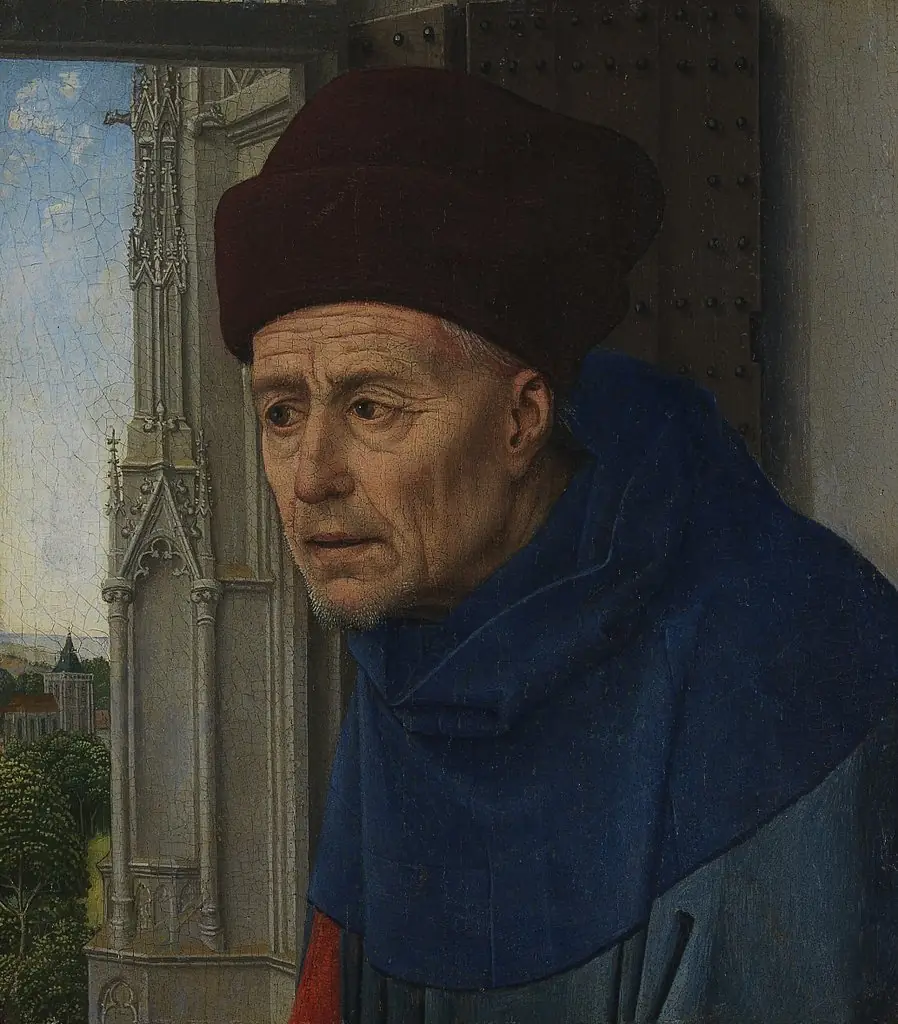
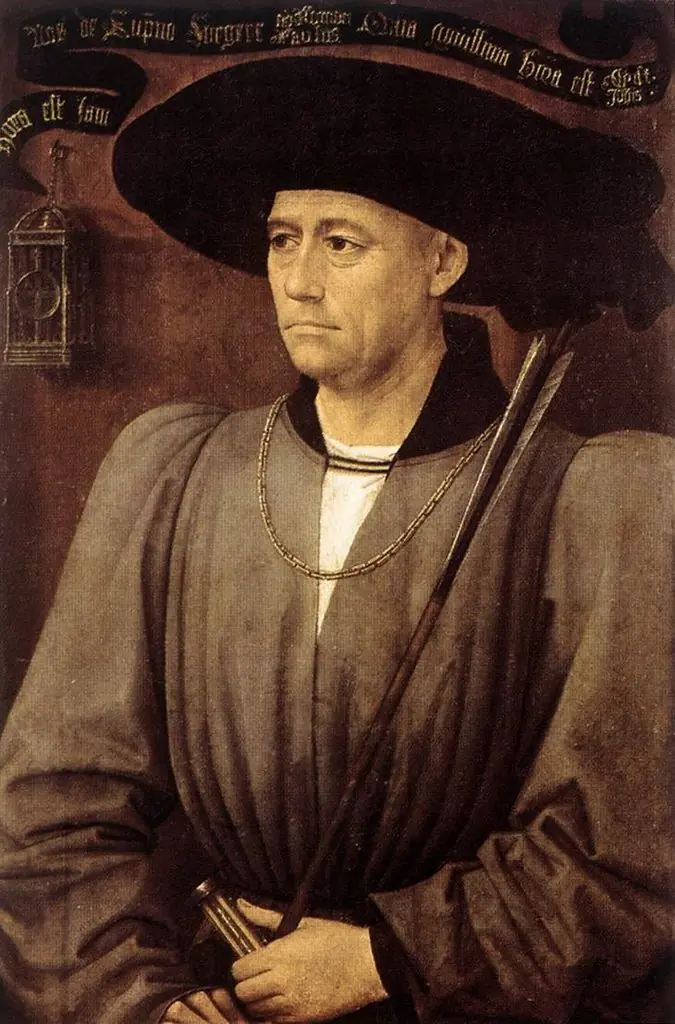
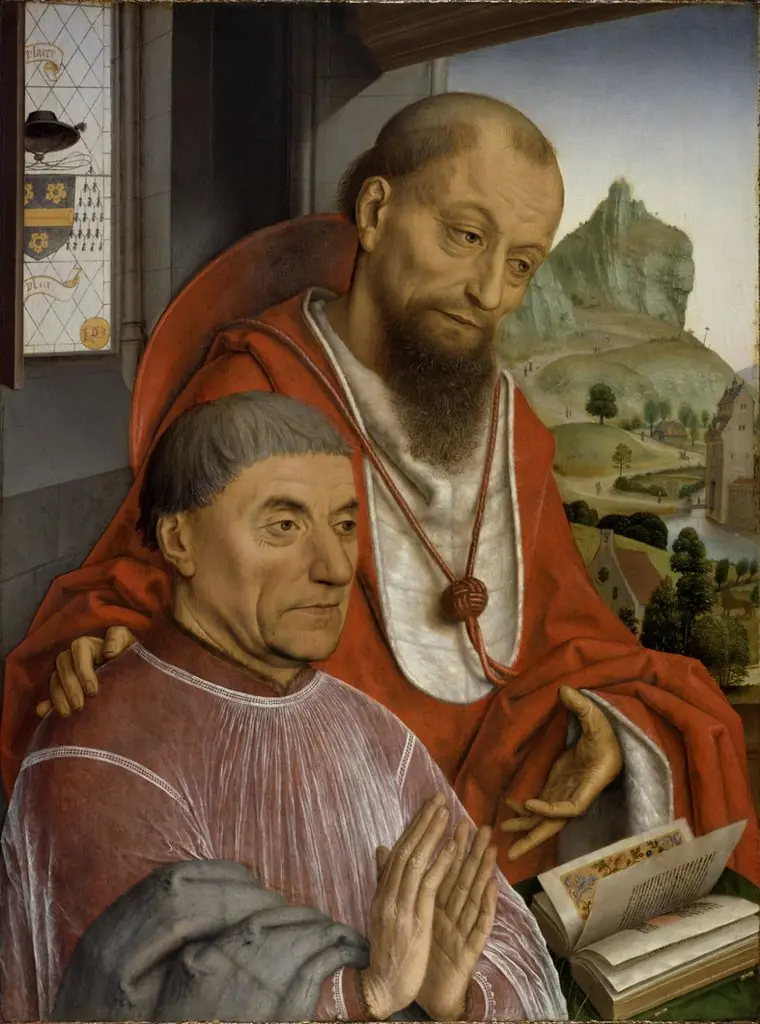
The panel presents a group of men in white robes, arranged in a solemn, hierarchical composition. The central figure, prominently placed in the foreground with clasped hands, is thought to represent Saint Vincent, the patron saint of Lisbon. The surrounding figures may depict members of the Portuguese royal court or clergy, suggesting a devotional or commemorative purpose tied to the veneration of the saint and the legitimacy of the monarchy.
Technique & Style
Gonçalves employed precise brushwork to render the textures of fabric, skin, and hair with quiet intensity. The folds of the white robes are carefully modeled, and the faces exhibit individualized expressions, conveying gravity and introspection. Subtle chiaroscuro enhances the three-dimensionality of the figures, while the muted palette and lack of ornamental background focus attention on the psychological presence of the subjects.
History & Provenance
The panels were likely commissioned for a religious or royal setting in mid-15th century Portugal. They remained in the country’s possession, eventually entering the collection of the National Museum of Ancient Art in the 19th century. Their original arrangement and full context remain partially uncertain, but their survival through centuries reflects their cultural significance to Portuguese heritage.
Context
Created during the height of Portugal’s Age of Discovery, the panel reflects a period when religious devotion and royal authority were closely intertwined. The realistic portrayal of identifiable individuals aligns with broader Northern European trends, yet the work is distinct in its Portuguese courtly context, blending local tradition with international artistic influences.
Legacy
The Saint Vincent Panels are among the earliest known examples of Portuguese panel painting with such psychological depth and compositional complexity. They established Nuno Gonçalves as a pivotal figure in Iberian art and remain a key reference for understanding the development of realism in Portuguese painting during the Renaissance.
Artist & collection
Artist
Nuno Gonçalves (c. 1425 – c. 1491, fl. 1450–71) was court painter to Afonso V of Portugal from 1450 to 1471. Gonçalves is widely considered the most accomplished Portuguese painter of the 15th century. His surviving…