Artwork
Legend of the Relics of St. John the Baptist
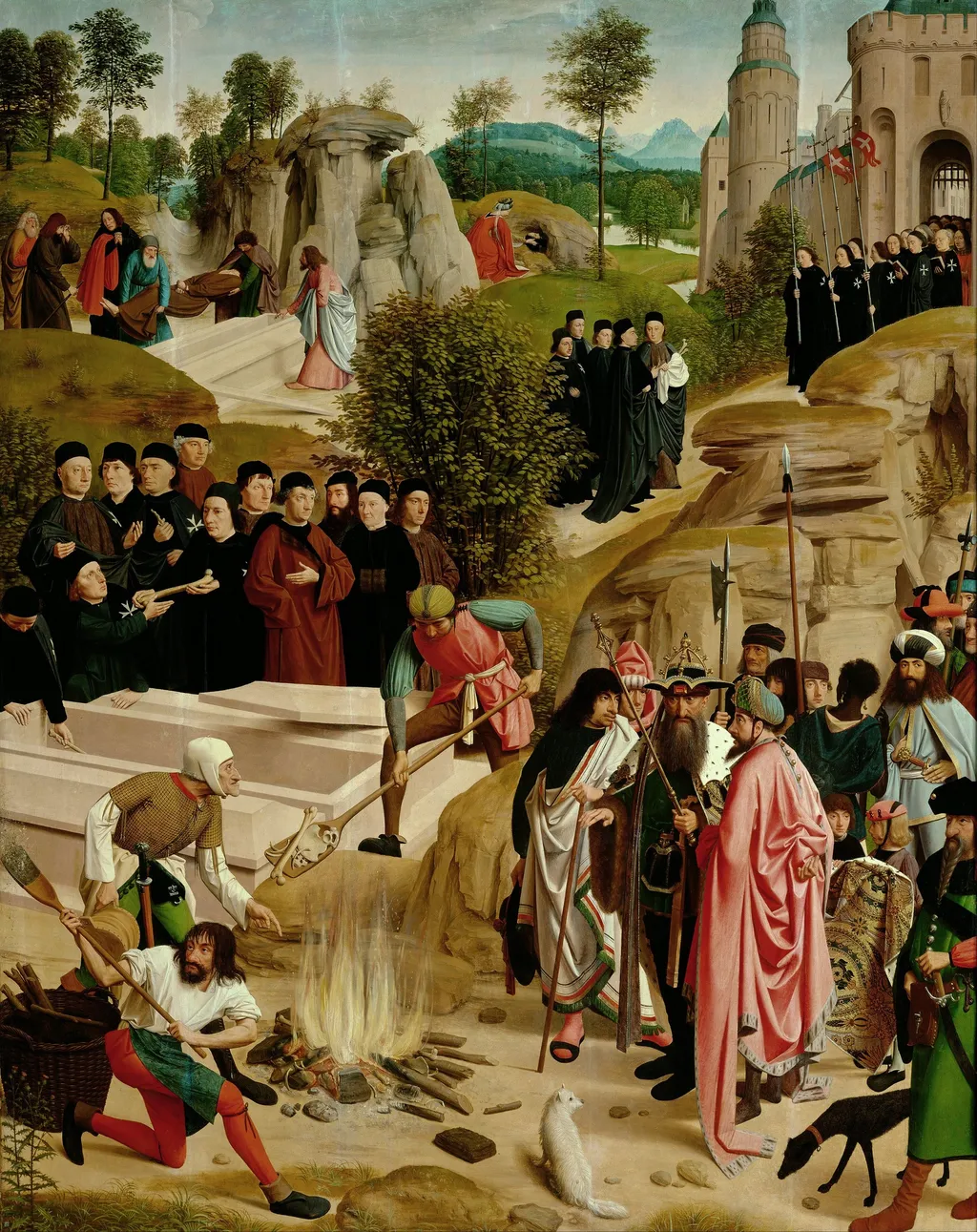
Legend of the Relics of St. John the Baptist is an oil painting by the Northern Renaissance artist Geertgen tot Sint Jans. It is held in the collection of the Kunsthistorisches Museum.
About this work
Overview
The painting remains in the Kunsthistorisches Museum, Vienna, where it exemplifies the region’s devotional art of the period.
Painted in 1494 by Geertgen tot Sint Jans, this oil-on-panel work depicts a narrative surrounding the relics of St. John the Baptist. Active in the northern Low Countries during the late 15th century, Geertgen was part of the Early Netherlandish tradition, known for meticulous detail and spiritual symbolism. The painting remains in the Kunsthistorisches Museum, Vienna, where it exemplifies the region’s devotional art of the period.
Subject & Meaning
The scene illustrates the discovery and veneration of St. John the Baptist’s relics, likely referencing his beheading and the subsequent retrieval of his remains. Figures gather around sacred objects—a cross, a crown—emphasizing their spiritual significance. The central figure in red may represent a dignitary or clergyman overseeing the ritual, while the presence of a small dog suggests loyalty or domesticity amid sacred events.
Technique & Style
Geertgen employed oil glazing to achieve subtle transitions of light and depth, enhancing the three-dimensionality of figures against a layered landscape. Colors are restrained yet vivid: muted reds, greens, and earth tones dominate, avoiding flamboyance. The composition balances crowded foreground activity with a distant castle and rocky terrain, using atmospheric perspective to suggest spatial recession.
History & Provenance
Little is known of Geertgen’s life beyond a mention by Karel van Mander in 1604, who noted his association with Albert van Ouwater. The painting’s early ownership is undocumented, but it entered the Habsburg collection by the 17th century, eventually finding its place in the Kunsthistorisches Museum. Its survival through centuries reflects its enduring value within imperial ecclesiastical collections.
Context
Created during a period of heightened relic devotion in the Low Countries, the painting responds to widespread interest in the physical remains of saints. Urban centers like Haarlem, where Geertgen worked, saw growing lay participation in religious rituals. This work aligns with contemporaneous altarpieces that fused narrative clarity with intimate, humanized sacred moments.
Legacy
Though Geertgen’s output was limited and his life obscure, this painting contributes to understanding the evolution of Northern Renaissance devotional imagery. Its quiet intensity and refined technique influenced later regional artists, even as his name faded from public memory until 19th-century scholarly revival. The work endures as a quiet testament to late medieval piety and painterly discipline.
Own this work as a print
Artist & collection
Artist
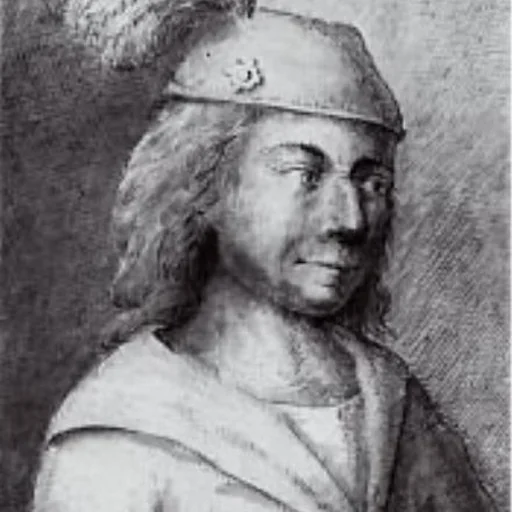
Geertgen tot Sint Jans (c. 1465 – c. 1495), also known as Geertgen van Haarlem, Gerrit van Haarlem, Gerrit Gerritsz, Gheertgen, Geerrit, Gheerrit, or any other diminutive form of Gerald, was an Early Netherlandish…

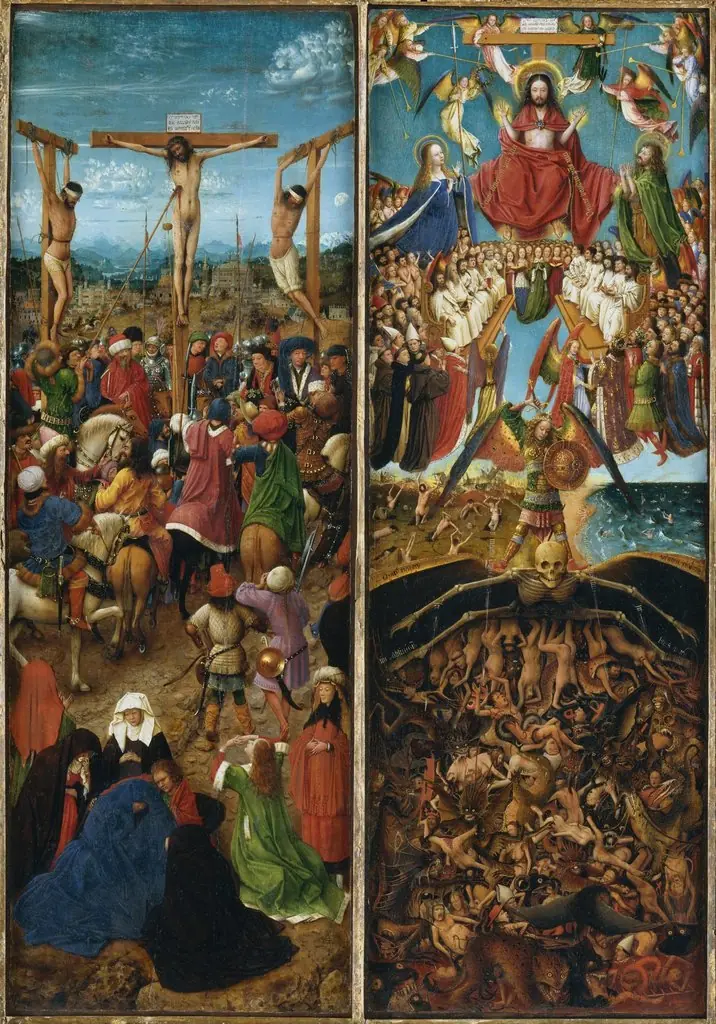 Crucifixion and Last Judgement diptych
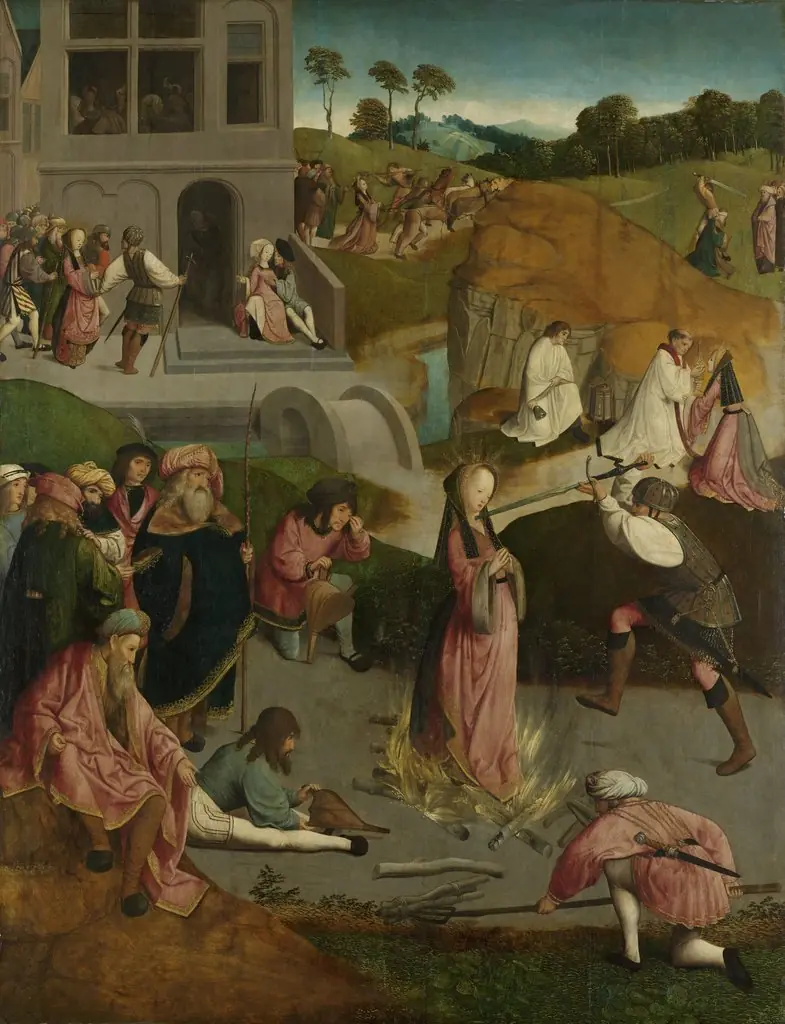 The Martyrdom of Saint Lucy
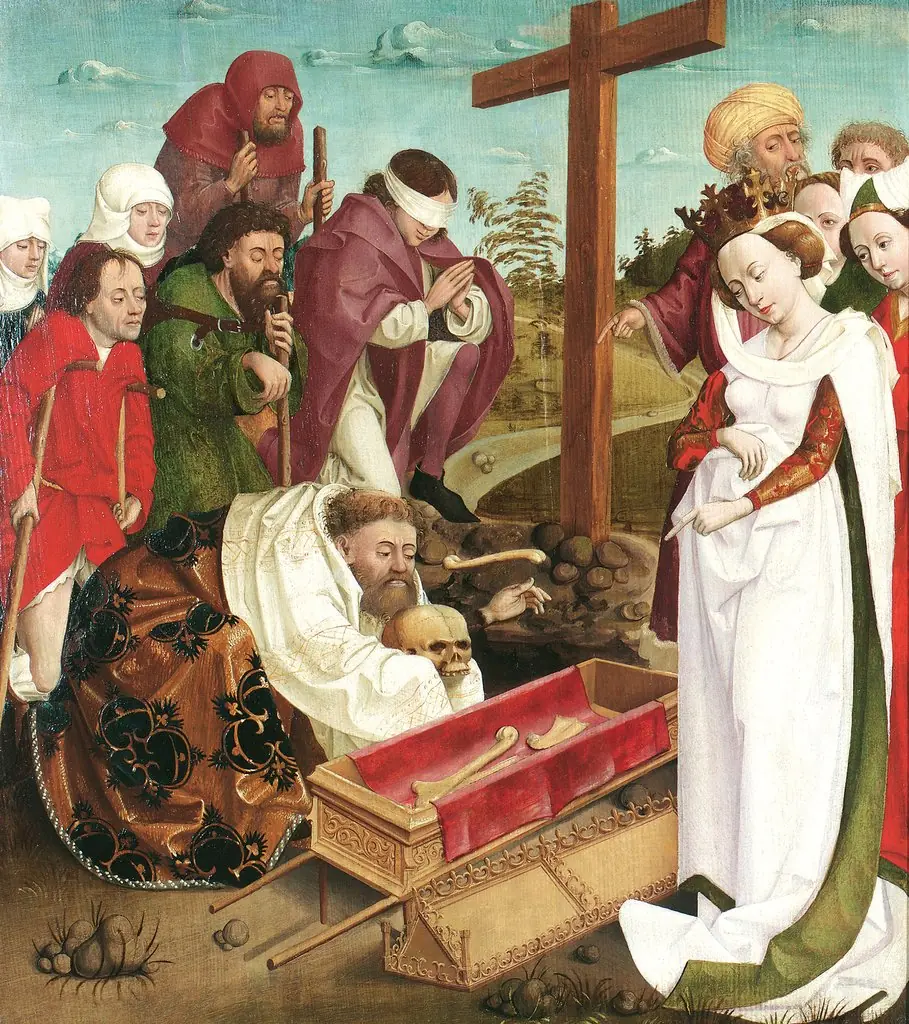 Überführung der Gebeine des hl. Oswald
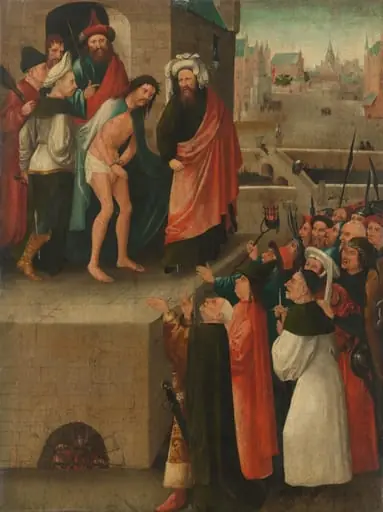 Ecce Homo
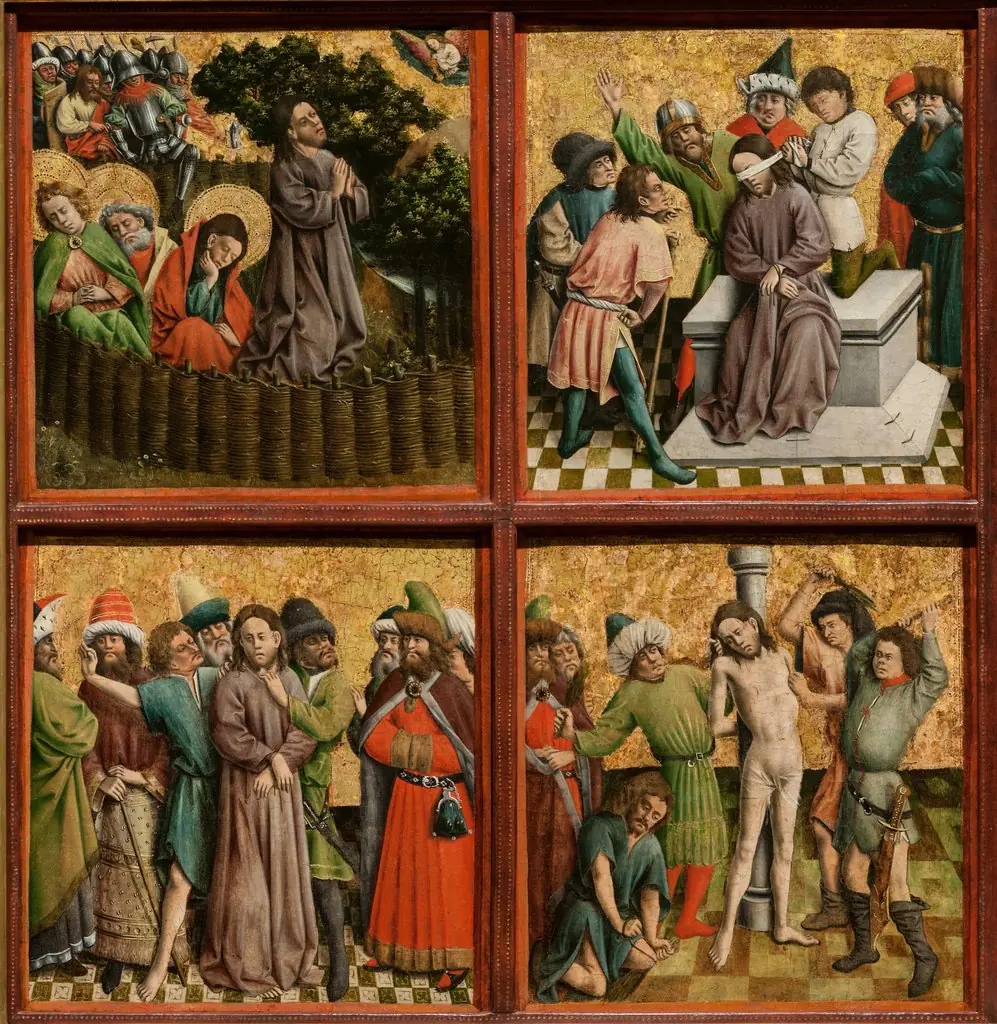 Altarpiece with The Passion of Christ
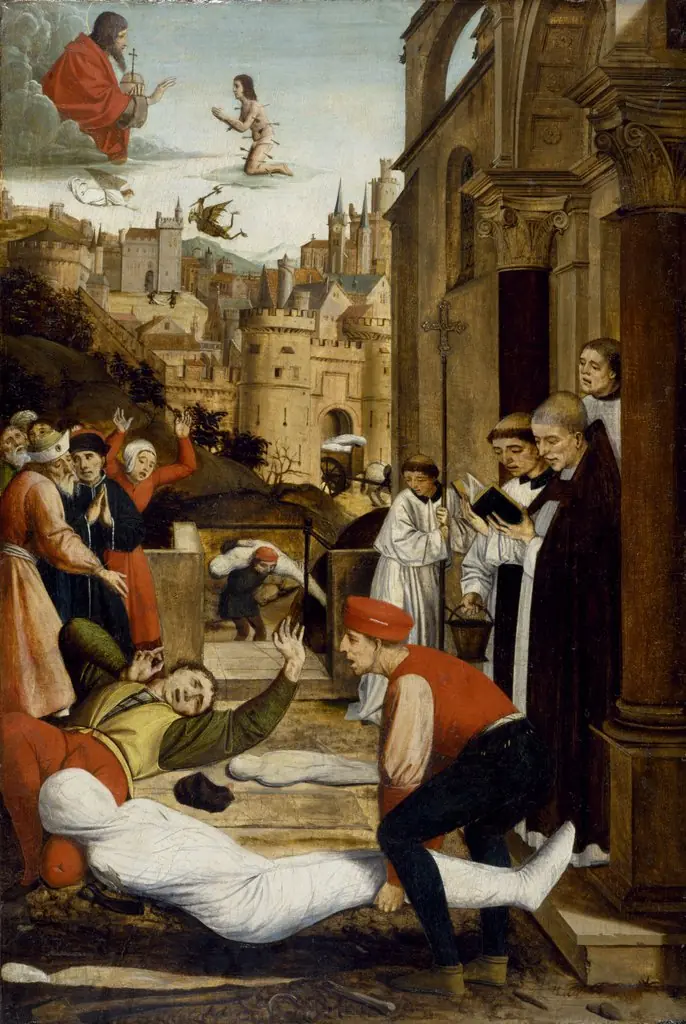 Saint Sebastian Interceding for the Plague Stricken
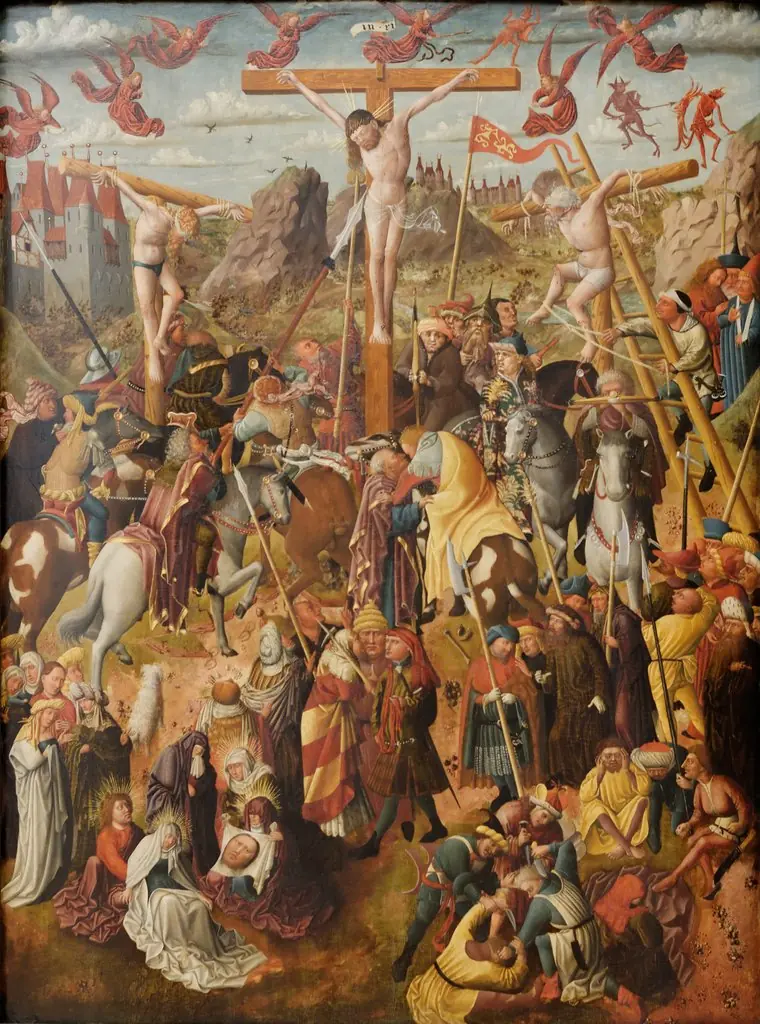 Crucifixion
 Tiburtine Sibyl's prophecy to Emperor Augustus
 Saint Vincent on the Gridiron
 De boom van Jesse
 Calvary
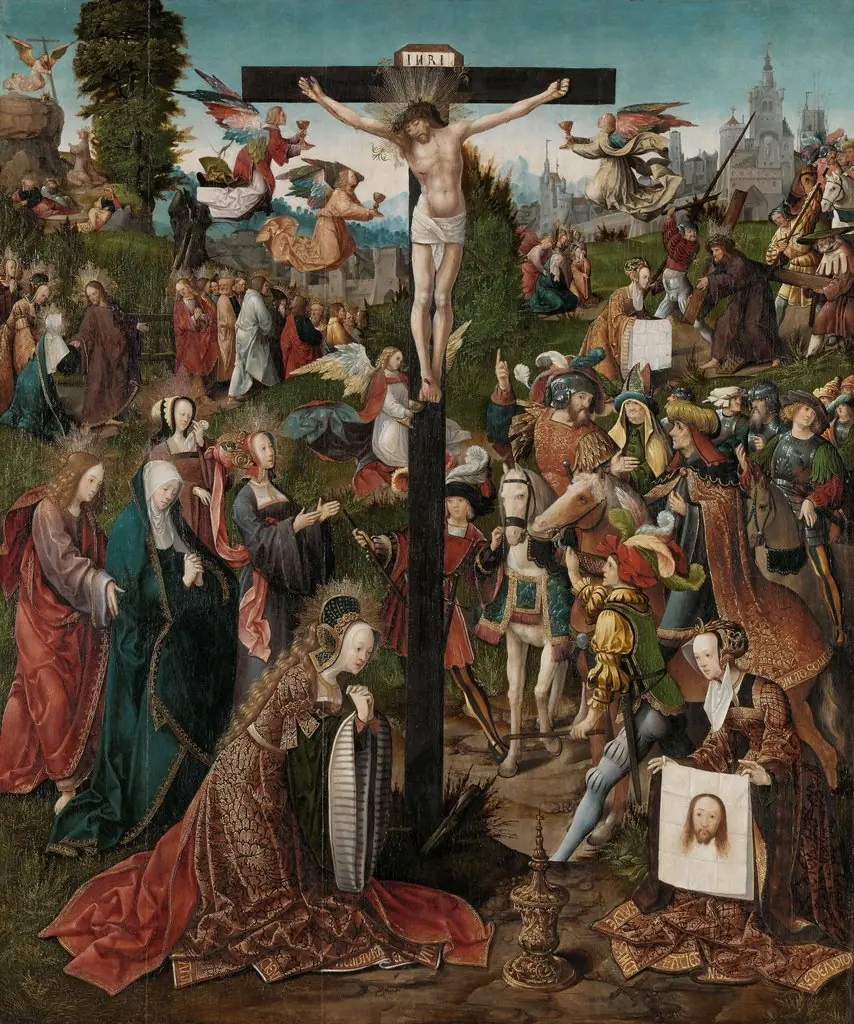 The Crucifixion