Artwork
Saint Catherine of Alexandria
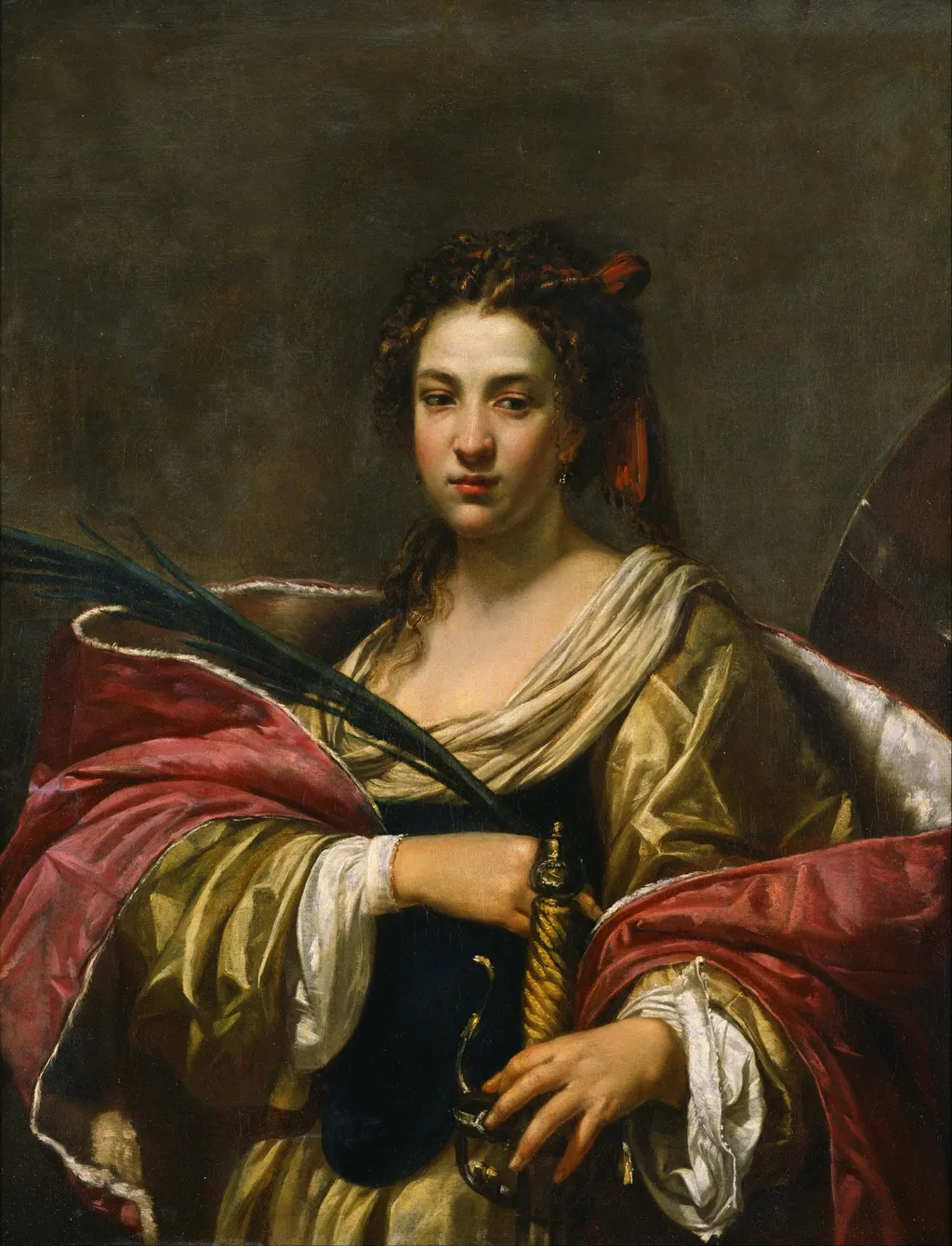
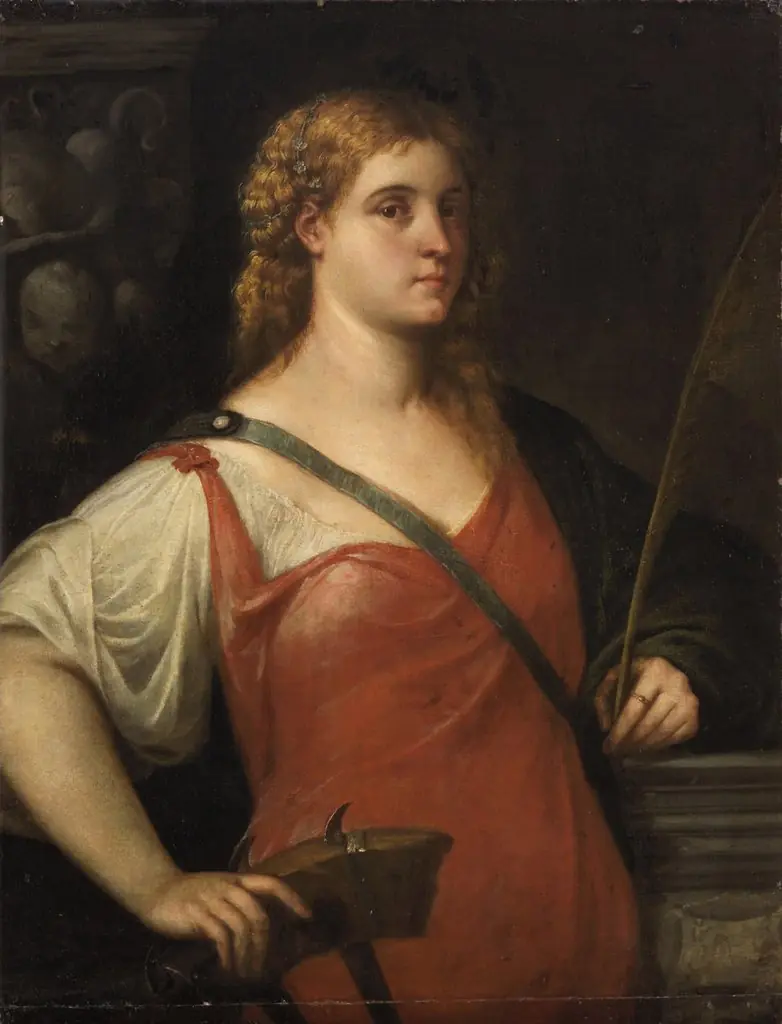
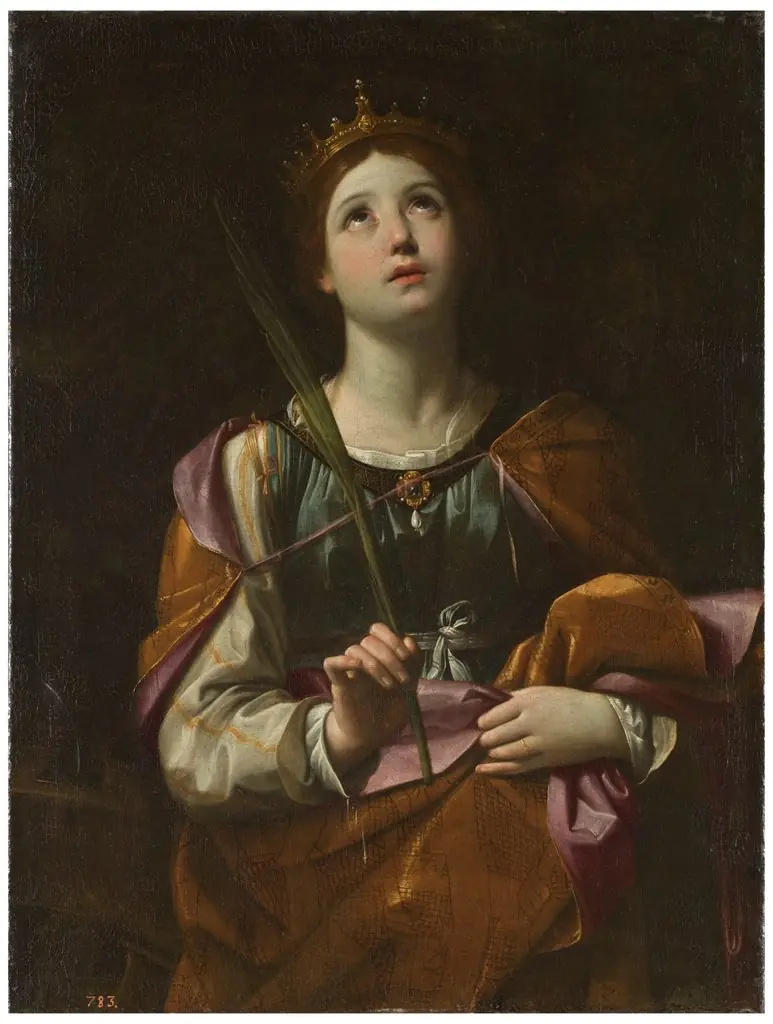
Saint Catherine of Alexandria is an oil painting by the Early Baroque Italian artist Simon Vouet. It dates from 1620 and is held in the collection of the National Museum of Western Art.
About this work
Overview
Painted in 1620 by Simon Vouet, this oil-on-canvas work portrays Saint Catherine of Alexandria, a Christian martyr revered for her intellect and faith.
Painted in 1620 by Simon Vouet, this oil-on-canvas work portrays Saint Catherine of Alexandria, a Christian martyr revered for her intellect and faith. Vouet, then working in Italy, adopted the dramatic lighting and rich textures characteristic of early Baroque painting. The piece is now part of the National Museum of Western Art’s collection, reflecting its significance in the transmission of Italian artistic conventions to France.
Subject & Meaning
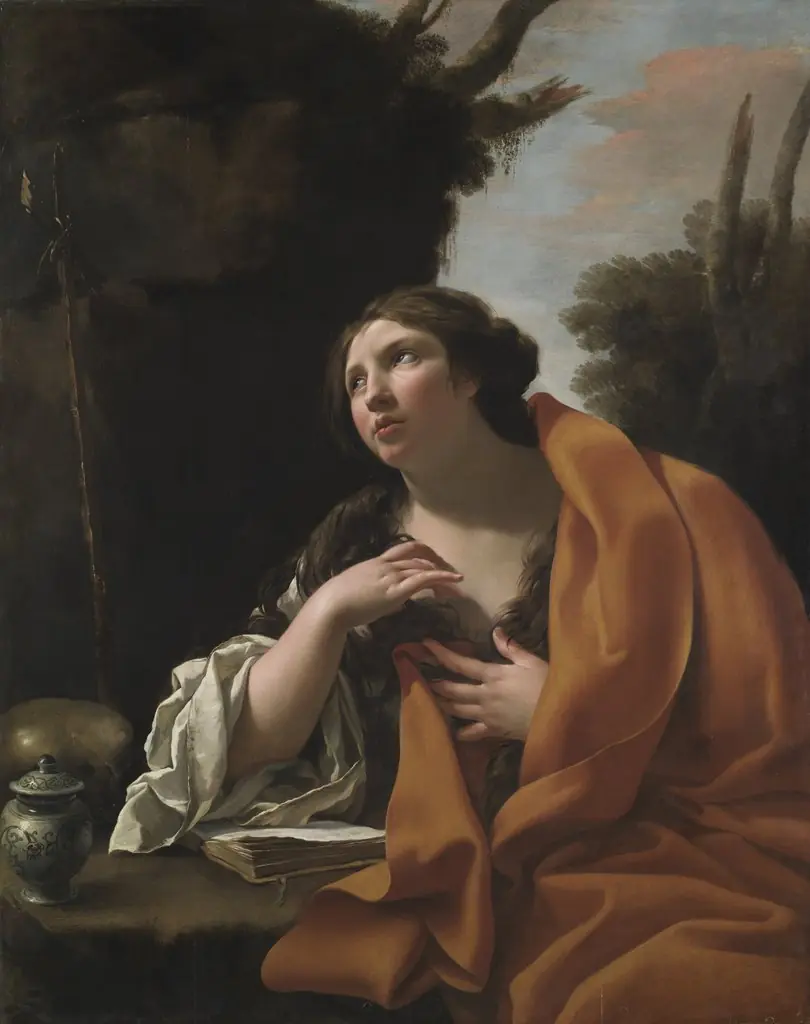
The figure represents Saint Catherine, identified by her attributes: a sword, symbolizing her execution, and a palm frond, emblematic of martyrdom and divine victory. Dressed in a gold robe and crimson cloak, she stands with solemn composure, her dark hair bound tightly, conveying both dignity and resolve. The composition avoids narrative detail, focusing instead on her inner strength and spiritual conviction.
Technique & Style
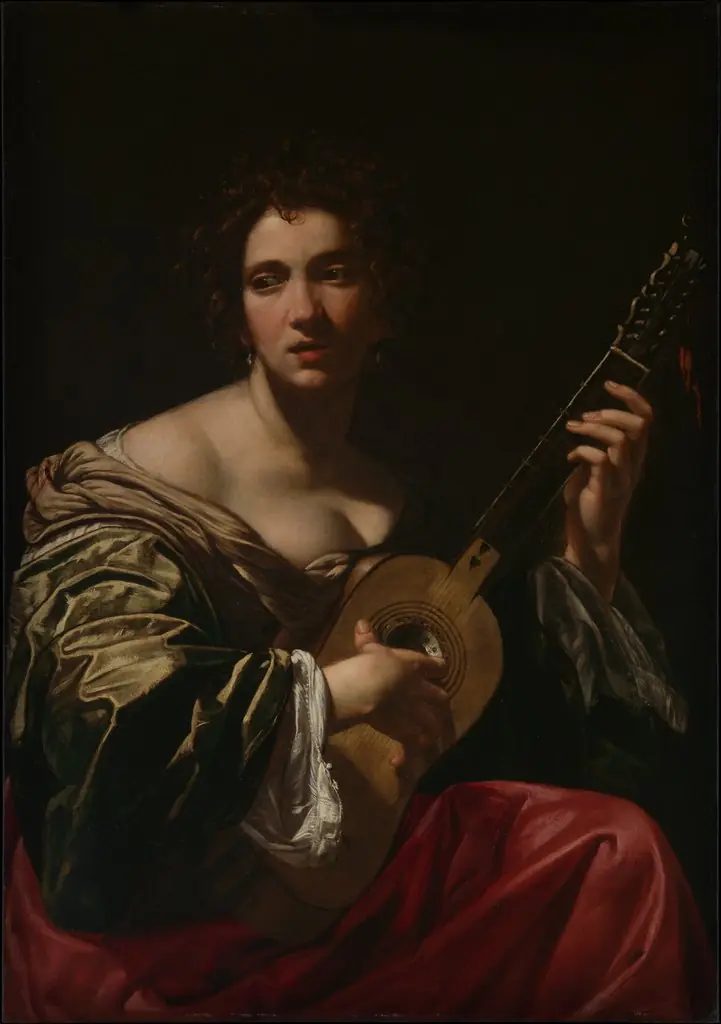
Vouet employs chiaroscuro to model the figure with strong contrasts between light and shadow, enhancing the three-dimensionality of her form. Rich impasto in the fabric folds adds tactile depth, while the dark, neutral background isolates the saint, directing focus to her presence. The brushwork is controlled yet expressive, aligning with Italian Baroque ideals of emotional intensity and physical presence.
History & Provenance
Created during Vouet’s formative years in Italy, the painting predates his return to France, where he would later become chief painter to Louis XIII. Its survival and eventual acquisition by the National Museum of Western Art suggest it was valued early as an example of Vouet’s Italianate style. No documented earlier ownership is recorded, but its stylistic coherence with his known works from this period supports its attribution.
Context
In the early 17th century, French artists increasingly looked to Italy for artistic models. Vouet’s Saint Catherine reflects this trend, synthesizing Caravaggisti lighting with classical poise. The subject’s popularity among Counter-Reformation patrons made such depictions common, yet Vouet’s interpretation stands out for its restrained emotion and formal clarity, distinguishing it from more theatrical contemporaries.
Legacy
This painting exemplifies Vouet’s role as a conduit for Italian Baroque aesthetics in France. Though later overshadowed by his court commissions, works like this one laid the groundwork for the French adoption of naturalism and dramatic lighting. Its presence in a major public collection ensures continued study of how Italian influences reshaped French painting in the decades before Poussin and Le Brun.
Own this work as a print
Artist & collection
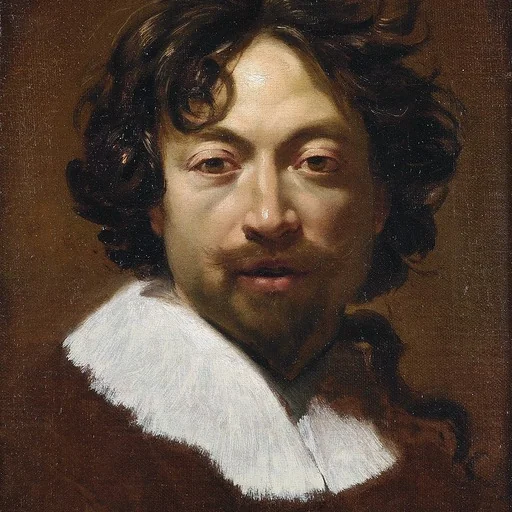
Artist
Simon Vouet (French pronunciation: ; 9 January 1590 – 30 June 1649) was a French painter who studied and rose to prominence in Italy before being summoned by Louis XIII to serve as Premier peintre du Roi in France.