Artwork
Virginia da Vezzo, the Artist's Wife, as the Magdalen
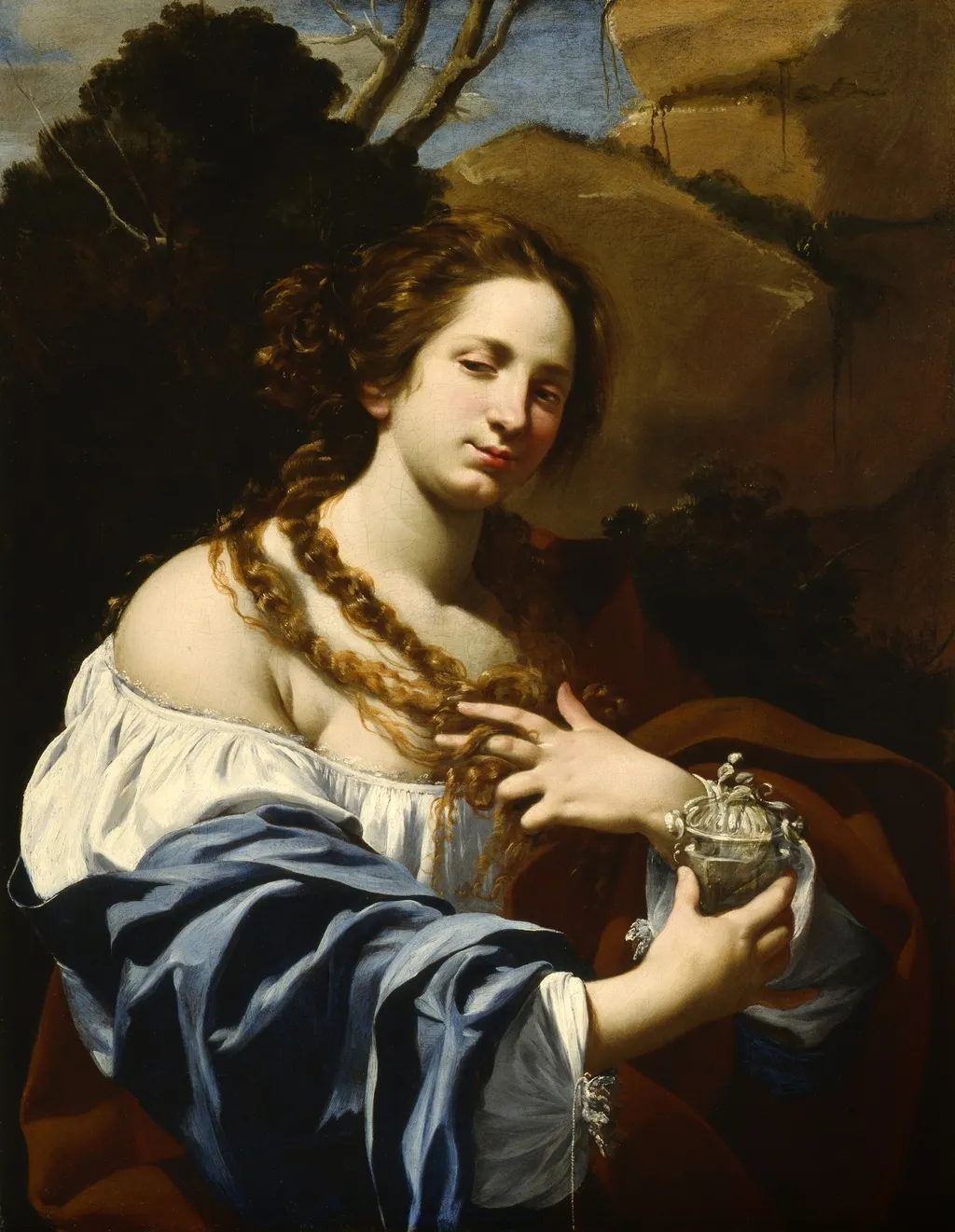
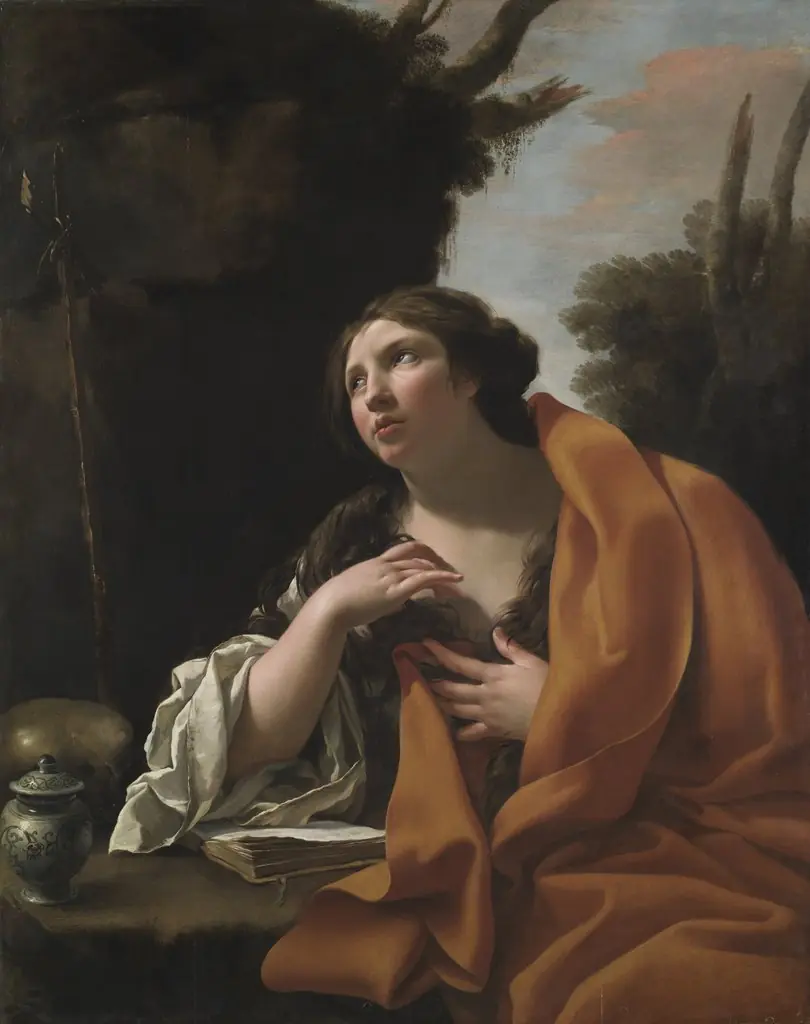
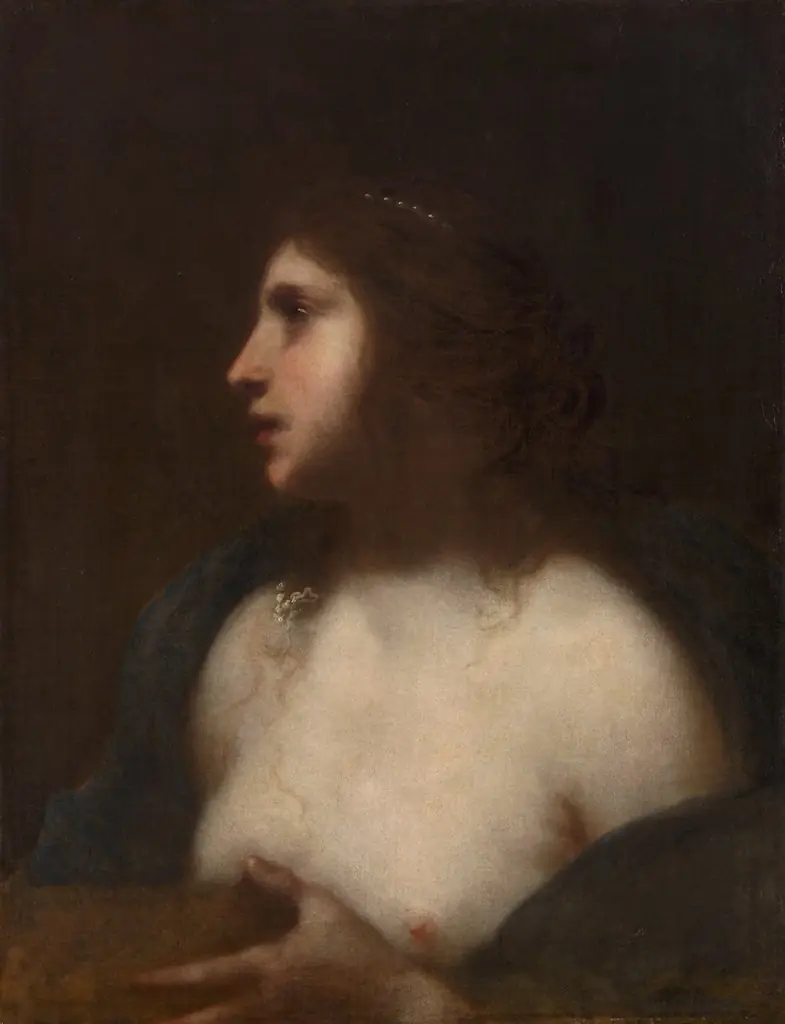
Virginia da Vezzo, the Artist's Wife, as the Magdalen is an oil painting by the Early Baroque Italian artist Simon Vouet. It dates from 1627 and is held in the collection of the Los Angeles County Museum of Art.
About this work
Overview
Vouet, a French painter who rose to prominence in Italy, blended Italian Baroque conventions with personal intimacy.
Painted in 1627, this oil portrait by Simon Vouet depicts his wife, Virginia da Vezzo, portrayed as Mary Magdalene. Vouet, a French painter who rose to prominence in Italy, blended Italian Baroque conventions with personal intimacy. The work reflects his mastery of light and form during his Roman period, before his return to France, where he would influence royal artistic direction under Louis XIII.
Subject & Meaning
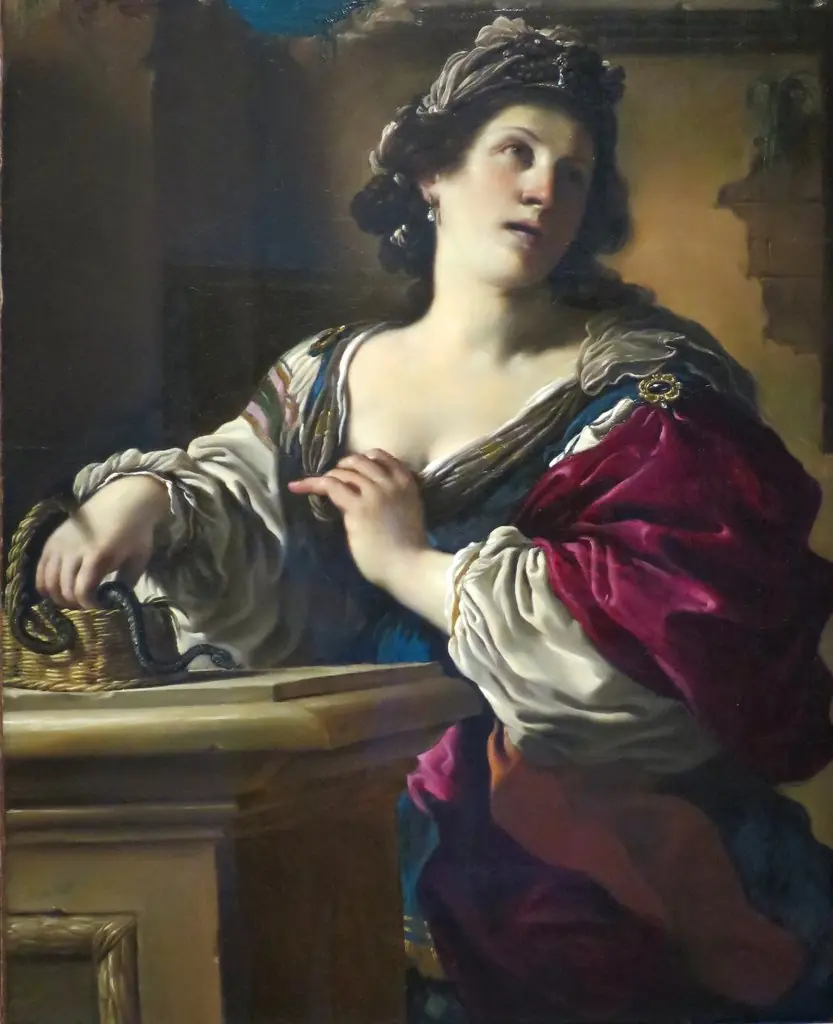
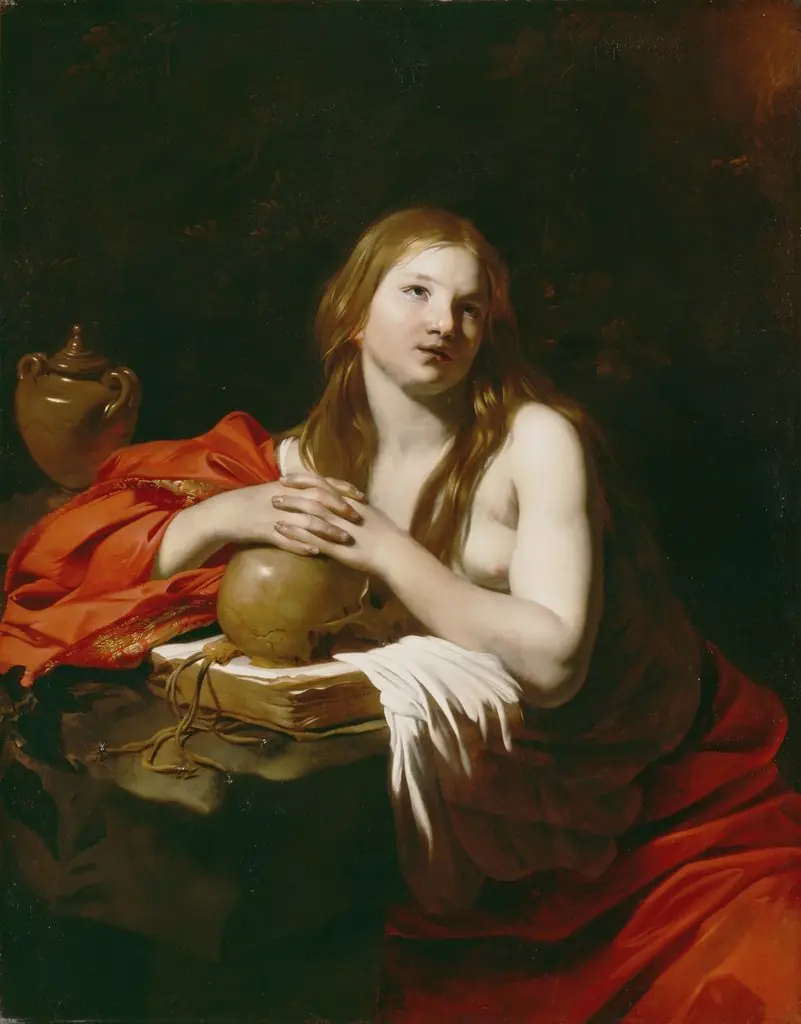
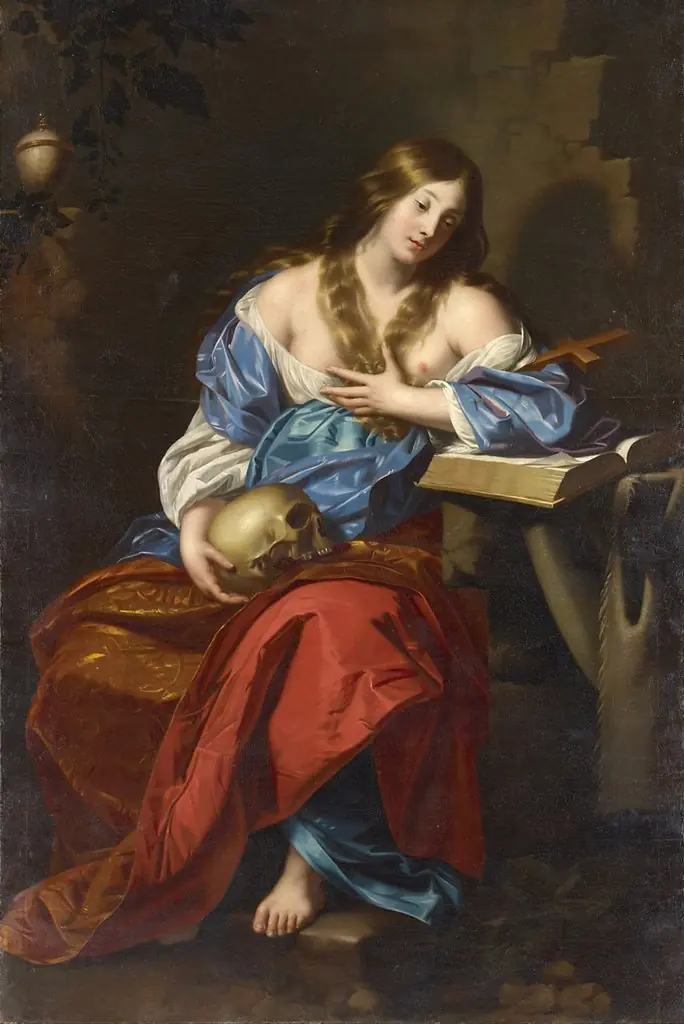
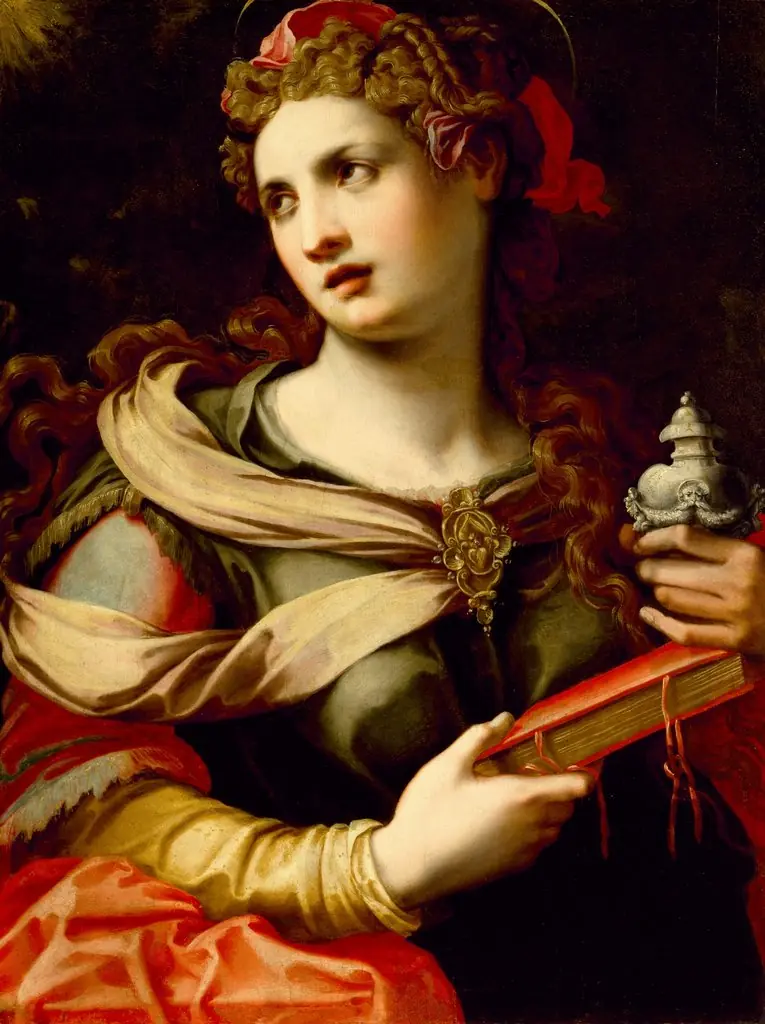
Virginia da Vezzo is shown not as a literal portrait but as the penitent Magdalen, a common devotional figure in Counter-Reformation art. Her downward gaze and contemplative stillness evoke inner reflection, while the ornate box she holds alludes to the ointment she once offered Christ. The imagery aligns with Catholic ideals of repentance and spiritual grace, softened by the personal connection between artist and subject.
Technique & Style
Vouet employs chiaroscuro to model the figure with subtle gradations of light, emphasizing the softness of skin and fabric. The off-the-shoulder white gown and blue shawl contrast against the dark, rocky backdrop, isolating the figure in quiet focus. Brushwork is refined yet fluid, capturing texture in hair, lace, and metal without overt detail, characteristic of early Baroque naturalism influenced by Caravaggio and his followers.
History & Provenance
Created during Vouet’s time in Rome, the painting remained in his family before entering broader collections. It was acquired by the Los Angeles County Museum of Art in the 20th century, where it now resides as one of the few surviving intimate portraits of the artist’s wife. Its journey reflects the movement of Italianate works from continental Europe to American institutional collections.
Context
In early 17th-century Italy, artists frequently depicted noble or personal figures as biblical saints to elevate their status and demonstrate spiritual devotion. Vouet’s choice to portray his wife as Magdalene aligns with this trend, blending familial affection with religious symbolism. His Italian training positioned him uniquely to mediate between French and Italian visual cultures, a role he later expanded in Paris.
Legacy
The painting stands as a quiet testament to Vouet’s ability to merge personal and sacred realms. While less known than his later court commissions, this work reveals the emotional depth and technical precision that underpinned his influence on French Baroque painting. It remains a key example of how domestic life was woven into religious iconography during the period.
Own this work as a print
Artist & collection
Artist
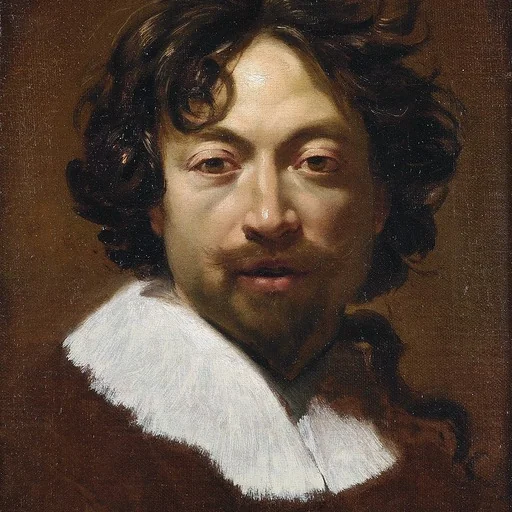
Simon Vouet (French pronunciation: ; 9 January 1590 – 30 June 1649) was a French painter who studied and rose to prominence in Italy before being summoned by Louis XIII to serve as Premier peintre du Roi in France.