Artwork
Cambridge altar retable. Scene: three saints with angels, from left: S. Geminianus, S. Michael, S. Augustinus
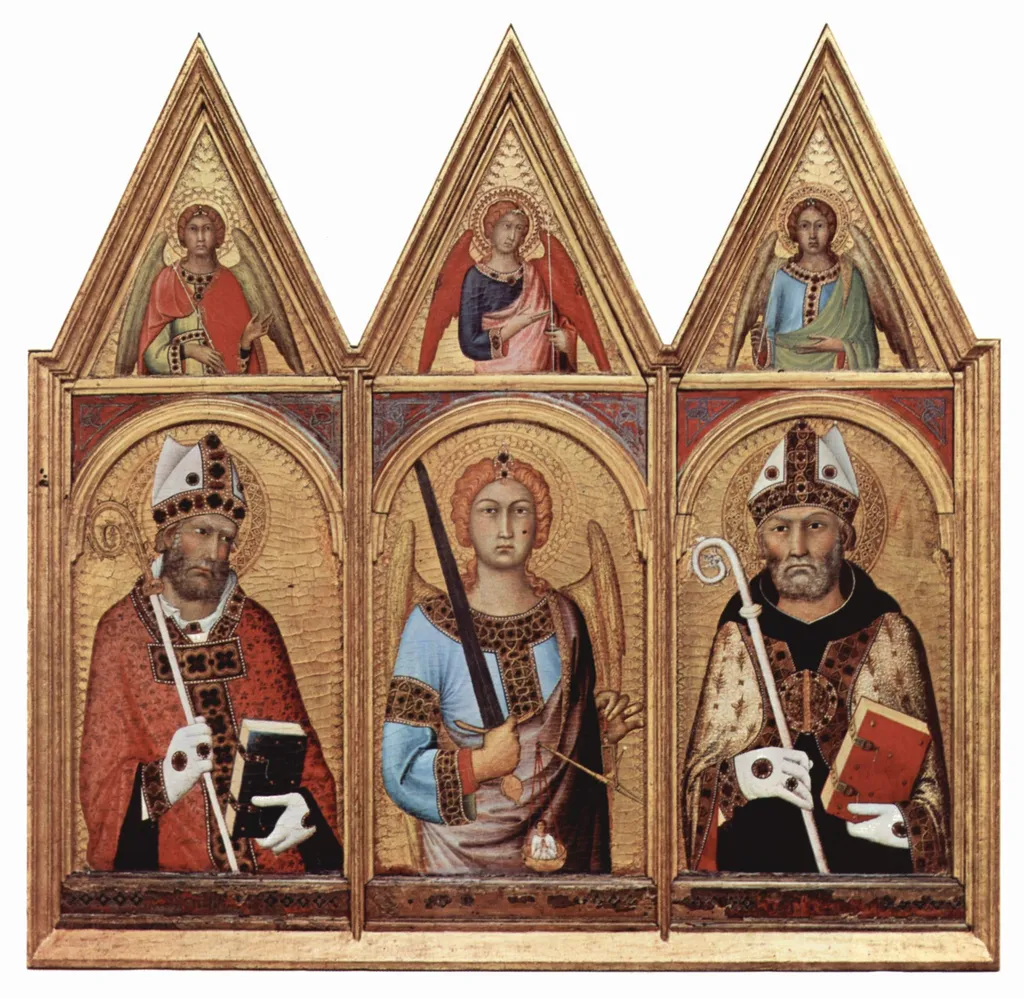
Cambridge altar retable. Scene: three saints with angels, from left: S. Geminianus, S. Michael, S. Augustinus is a tempera painting by Simone Martini. It dates from 1319 and is held in the collection of the Fitzwilliam Museum.
About this work
Overview
The Cambridge altar retable is a tempera panel painted in 1319, attributed to the Italian Gothic master Simone Martini. It portrays three saints—Geminianus, Michael, and Augustine—each accompanied by an angelic figure, arranged in separate vertical registers. The work is part of the collection of the Fitzwilliam Museum in Cambridge.
Subject & Meaning
Each saint is depicted with traditional attributes: Saint Geminianus holds a book, Saint Michael bears a sword, and Saint Augustine is shown with a scroll, underscoring their respective roles as a bishop, a celestial warrior, and a theological author. The surrounding angels, rendered in vivid garments, emphasize the heavenly endorsement of the saints’ virtues.
Technique & Style
Executed in egg tempera, the painting achieves a luminous surface and fine linear detail characteristic of Martini’s Gothic style. Bright pigments delineate the sumptuous robes, while delicate brushwork renders the sheen of metal objects and the ethereal quality of the angels’ drapery.
History & Provenance
Created in the early fourteenth century, the retable later entered the collection of the Fitzwilliam Museum, where it remains on display. Its attribution to Simone Martini reflects stylistic analysis linking it to his workshop in Siena during the period.
Context
The composition follows the medieval convention of multi-figure altarpieces, arranging saints in separate panels to facilitate devotional focus. The inclusion of local patron saint Geminianus alongside universal figures such as Michael and Augustine reflects a blend of regional and ecclesiastical interests typical of early Italian altar art.
Artist & collection


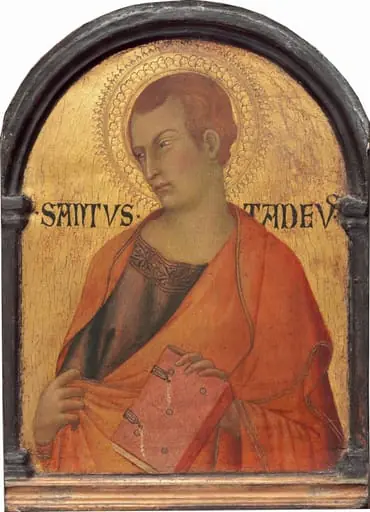
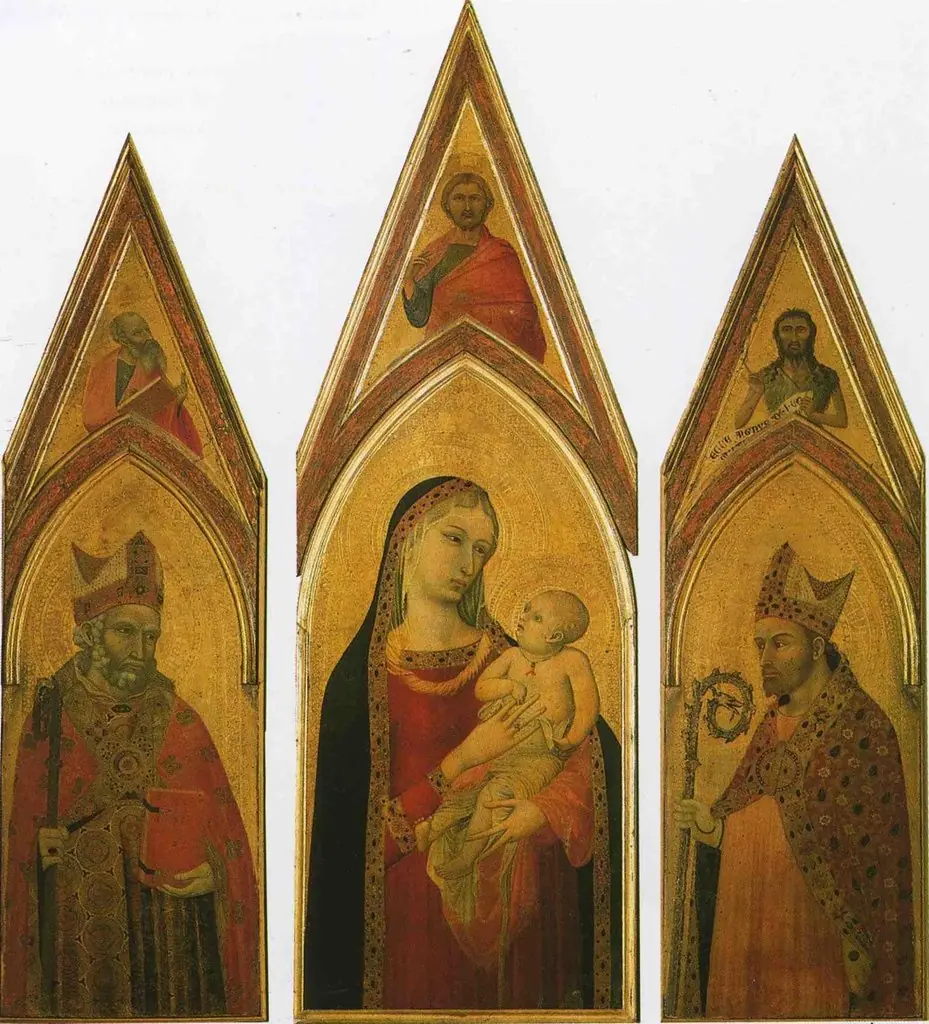 Altarpiece of St Proculus
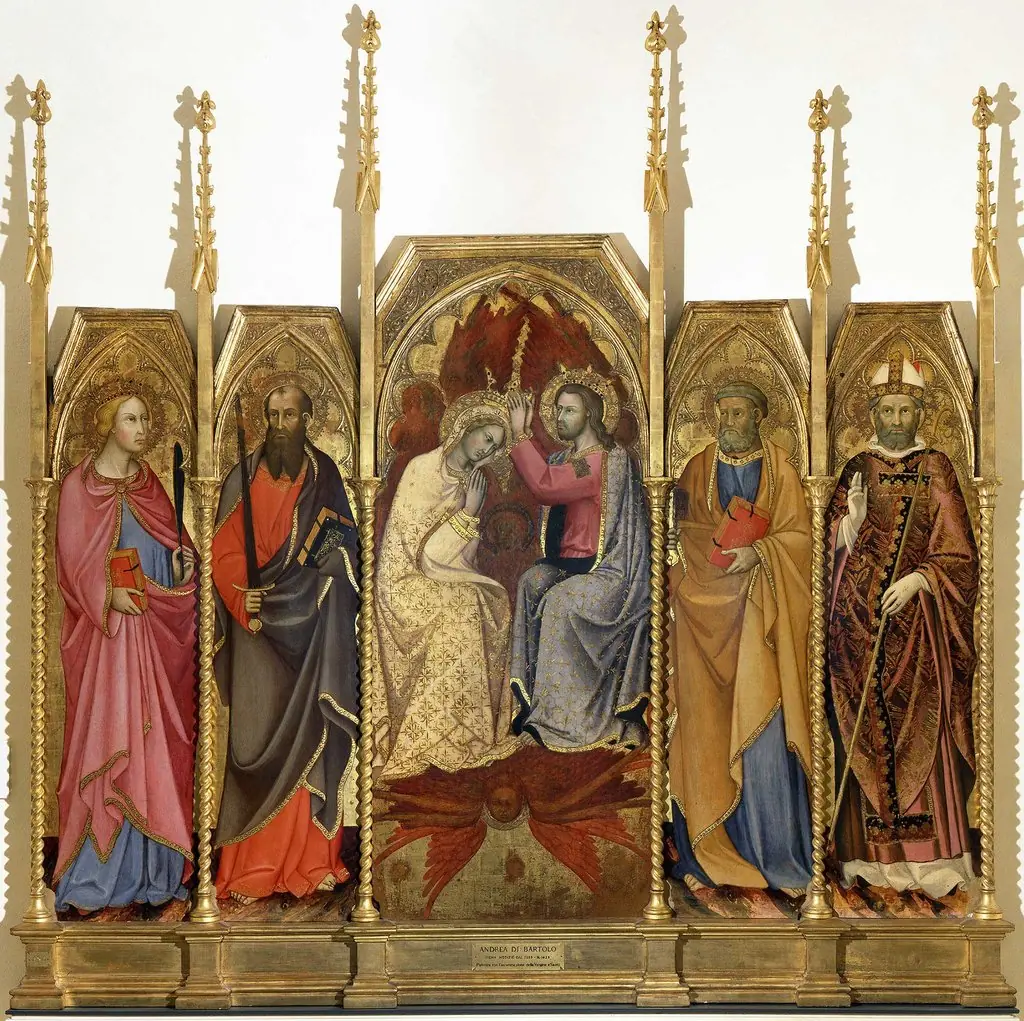 Coronation of the Virgin
![Madonna and Child with the Blessing Christ, and Saints Mary Magdalene and Catherine of Alexandria with Angels [entire triptych], by Pietro Lorenzetti](https://artifactworldgallery.com/img/pietro-lorenzetti--madonna-and-child-with-the-blessing-christ-and-saints-mary-m--f78e415f61769b64-w320.webp) Madonna and Child with the Blessing Christ, and Saints Mary Magdalene and Catherine of Alexandria with Angels [entire triptych]
Madonna and Child with the Blessing Christ, and Saints Mary Magdalene and Catherine of Alexandria with Angels [entire triptych]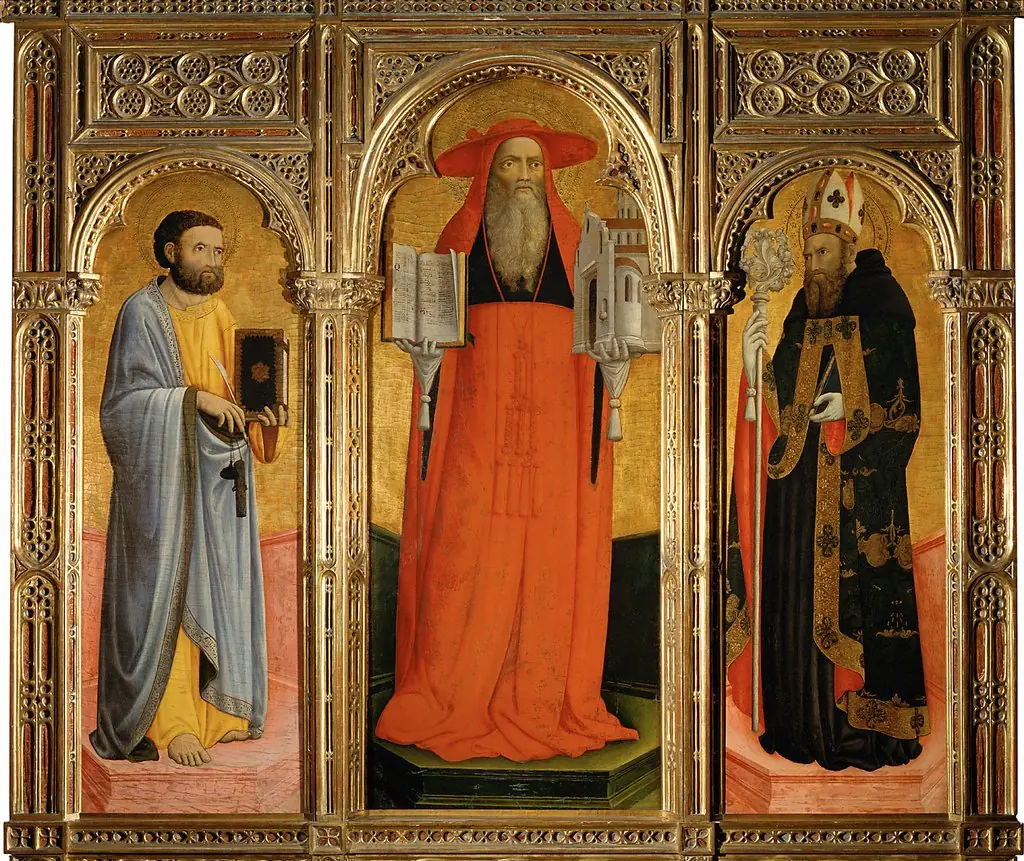 Hieronymusaltar von Santo Stefano in Venedig: Der heilige Markus
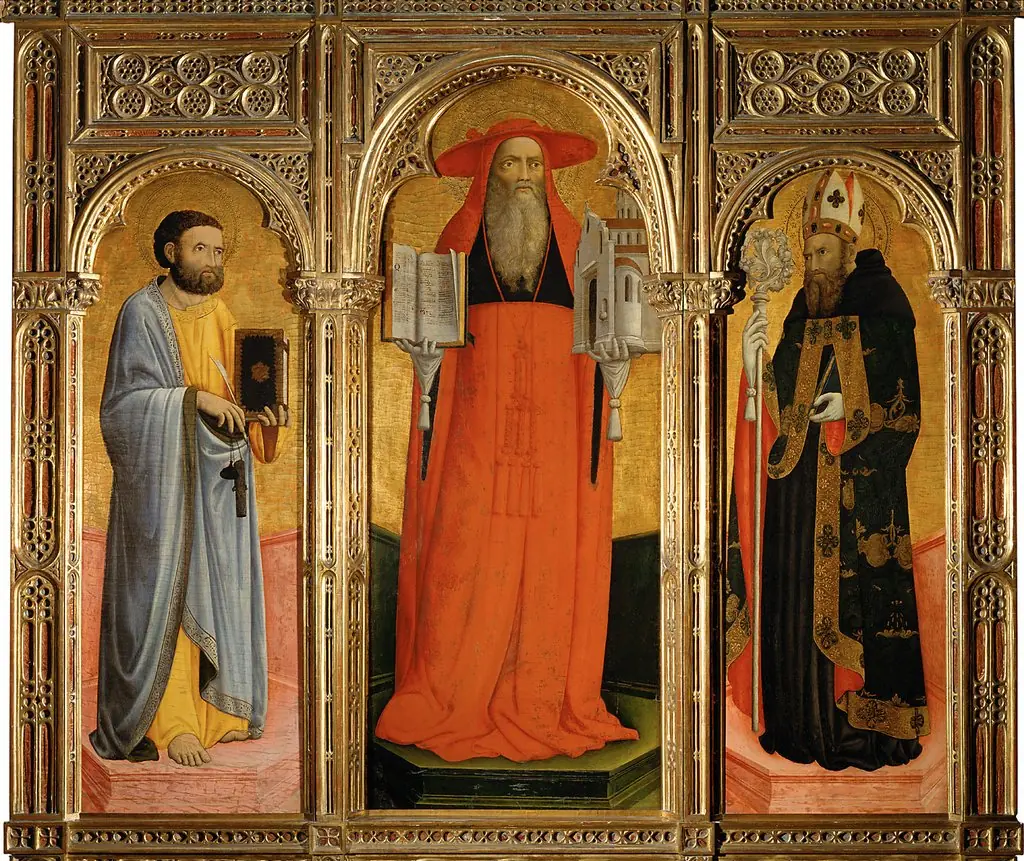 Altar of Saint Jerome
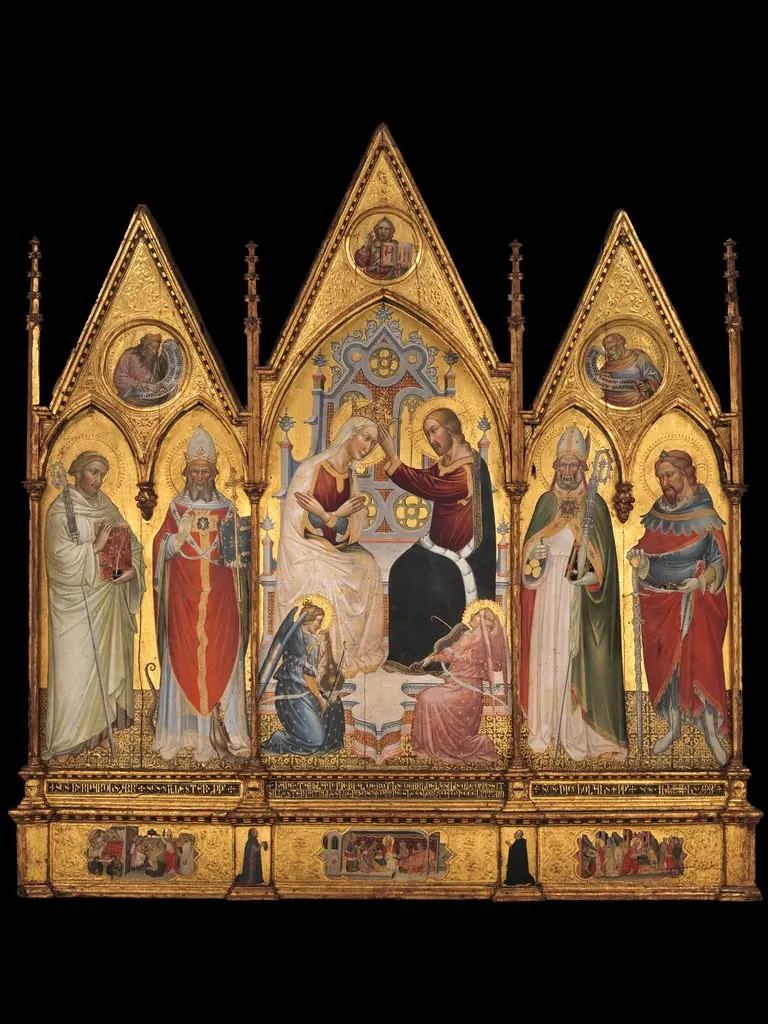 The Coronation of the Virgin, and Saints
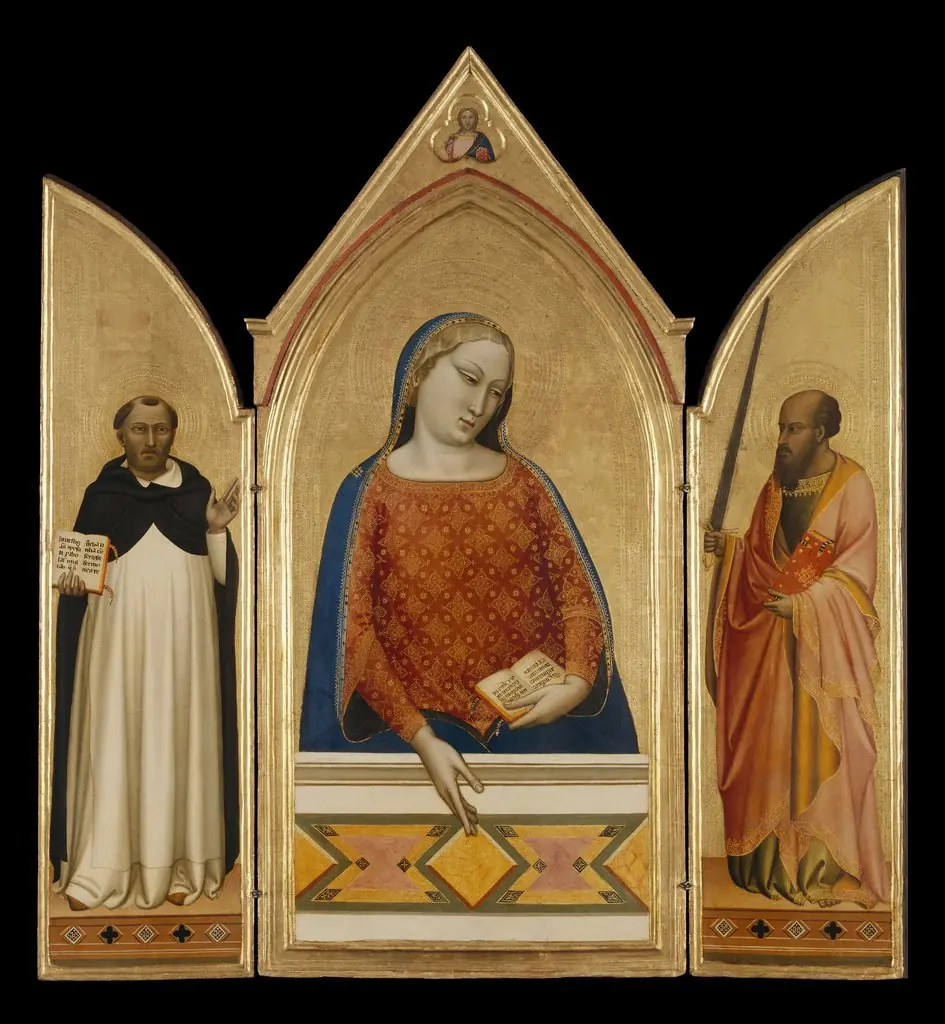 The Virgin Mary with Saints Thomas Aquinas and Paul
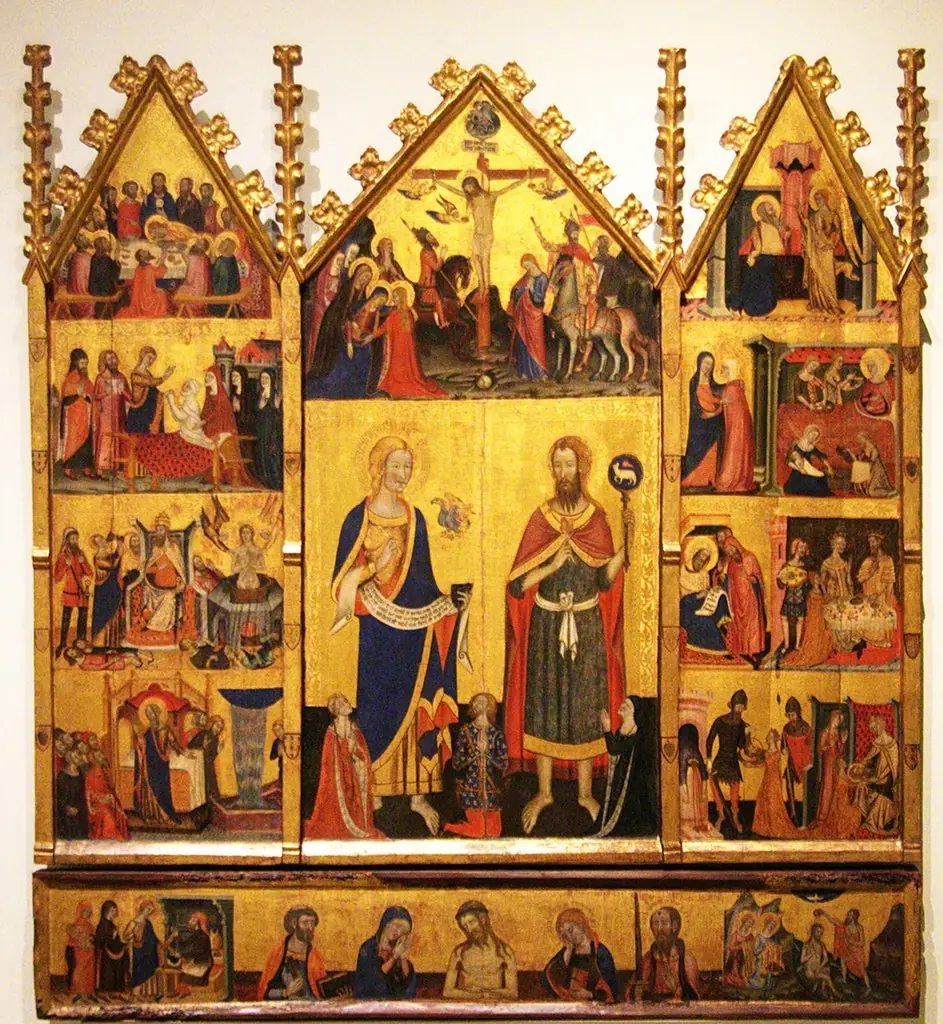 Altarpiece of the Saints John